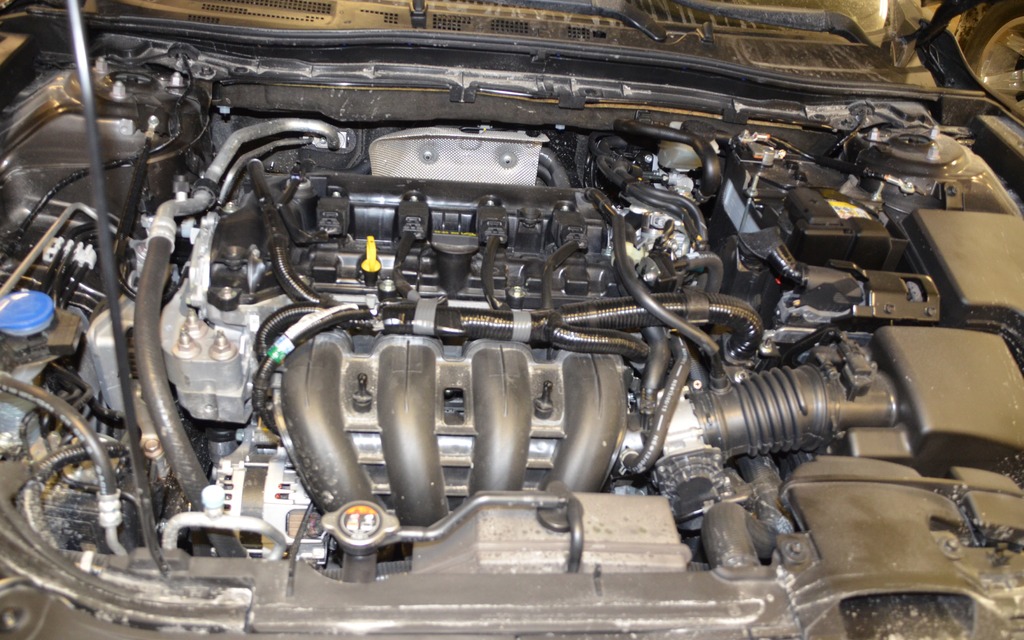
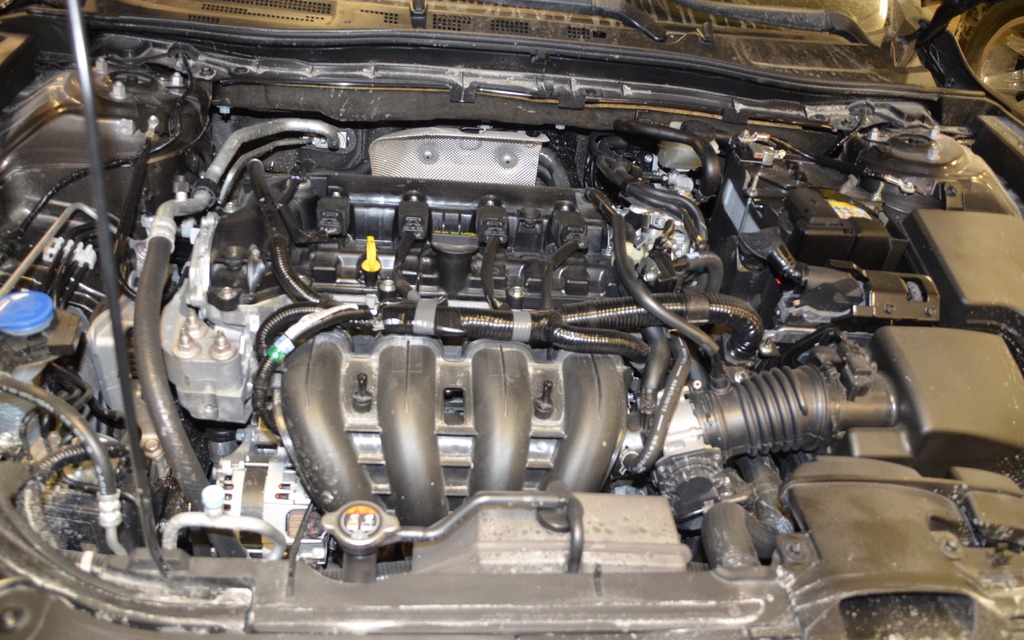
Remove the plastic cover and you’ll see the engine and the various elements that surround it.
Photo: Alain MorinRemove the plastic cover and you’ll see the engine and the various elements that surround it.
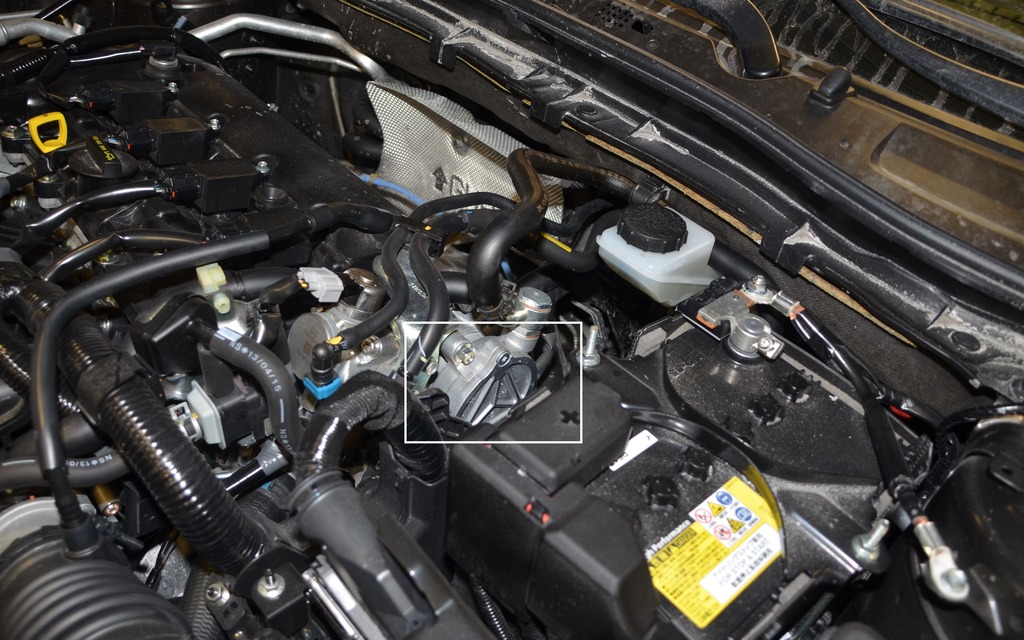
Photo: Alain MorinTo improve fuel economy the engineers used an external vacuum. At cruising speed, SKYACTIV technology requires the throttle to be three-quarters open rather than the usual one-quarter. However, this would make the brakes less efficient as they work on the vacuum. That’s why there’s an external vacuum (or vacuum pump).
Advertisement
Advertisement
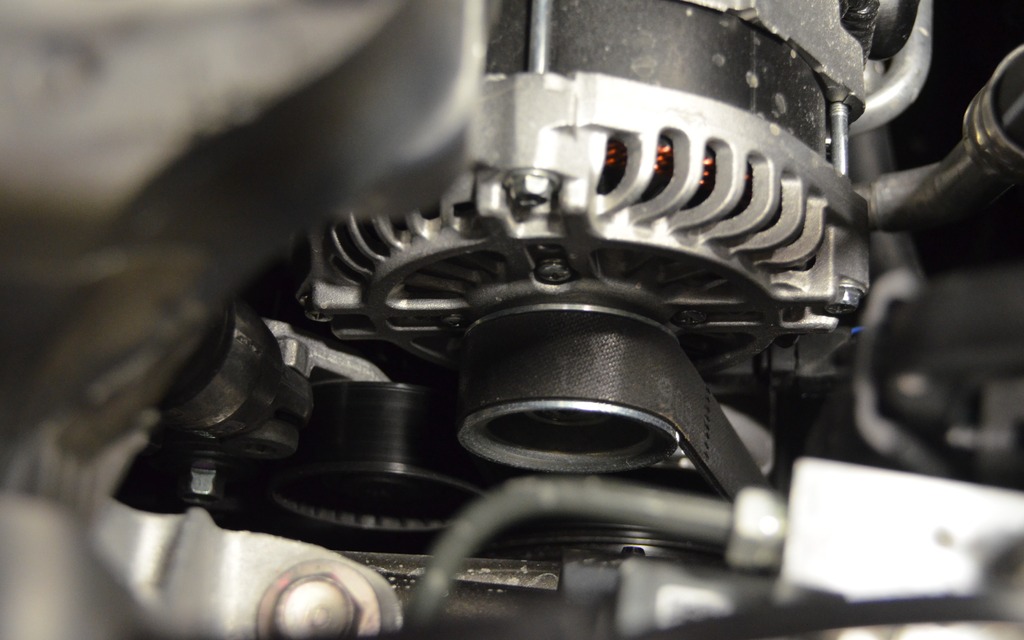
Photo: Alain MorinUnlike many cars there’s no ratchet-style pulley, which means that it’s always engaged. It’s more reliable but less economical.
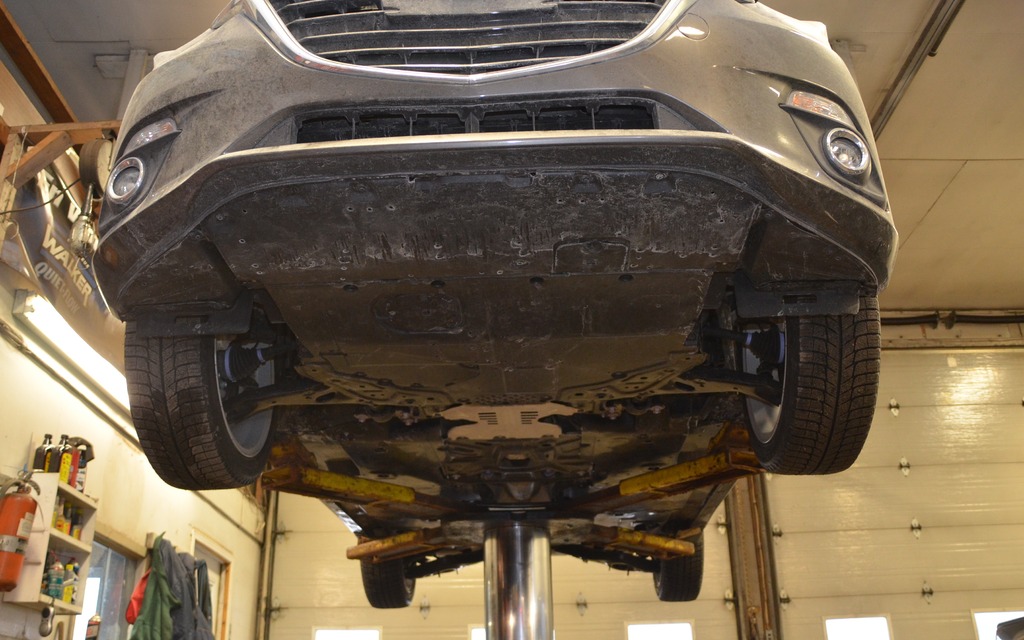
Photo: Alain MorinTo facilitate air flow under the car a large plastic plate is attached below the engine.
Advertisement
Advertisement
Photo: Alain MorinTo remove the various plate covers under the engine you need flat tip pliers. If not, the little doohickeys will break and be rendered useless.
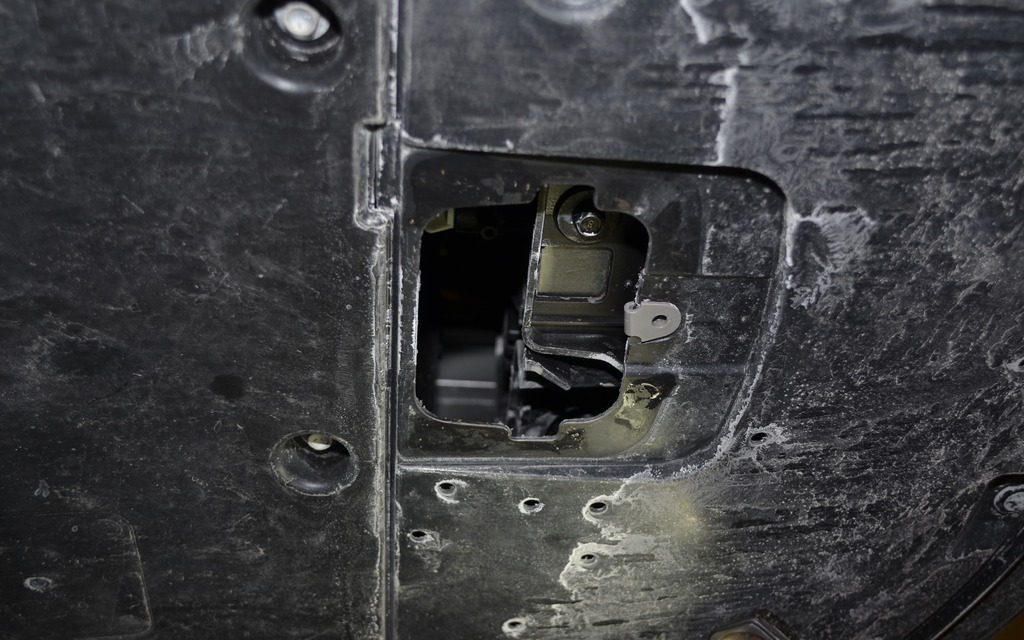
Photo: Alain MorinThis hole below the engine provides access to the transmission.
Advertisement
Advertisement
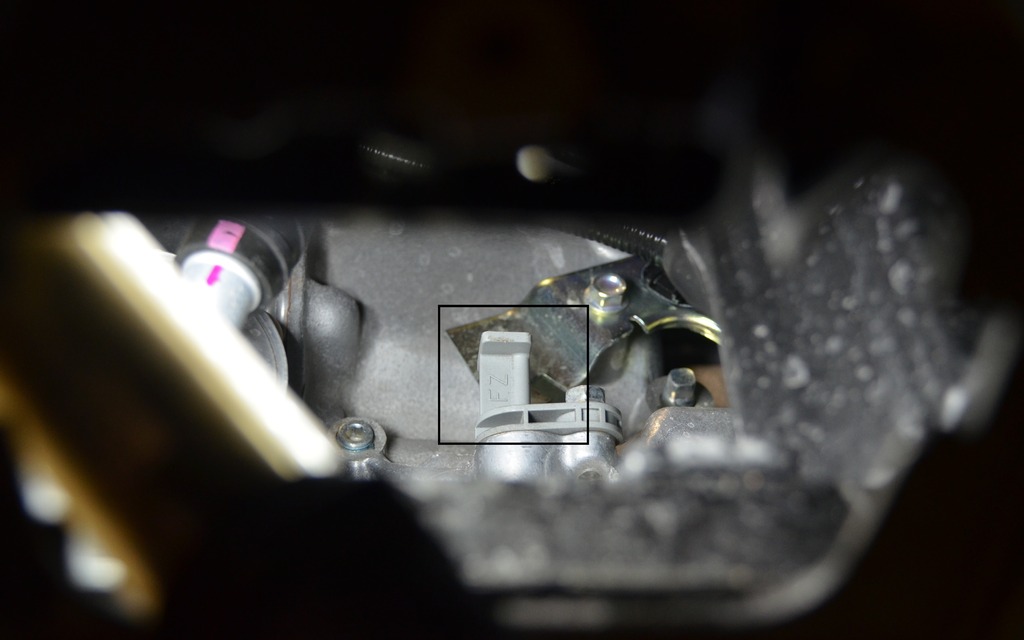
Photo: Alain MorinThis rod lets you check the oil level in the transmission.
Photo: Alain MorinDespite the plate, the parts get dirty just the same. You can see the easy-to-access oil filter.
Advertisement
Advertisement
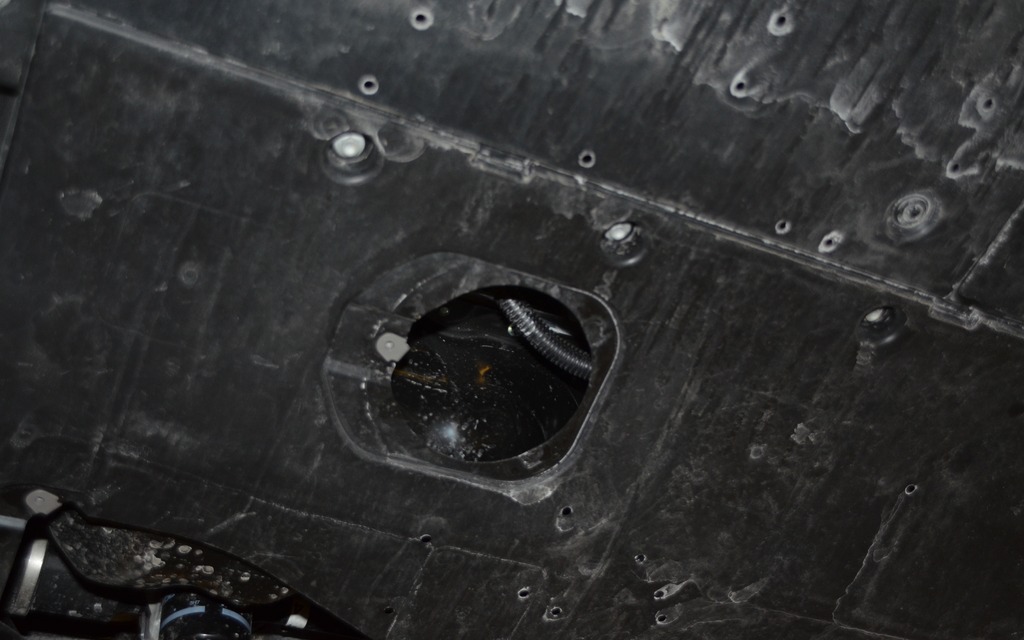
Photo: Alain MorinClose-up on a useless hole—at least with the 2.5-litre engine.
Photo: Alain MorinSuspension and front brakes: No aluminum parts for the suspension. It’s heavier but less costly to make and repair.
Advertisement
Advertisement
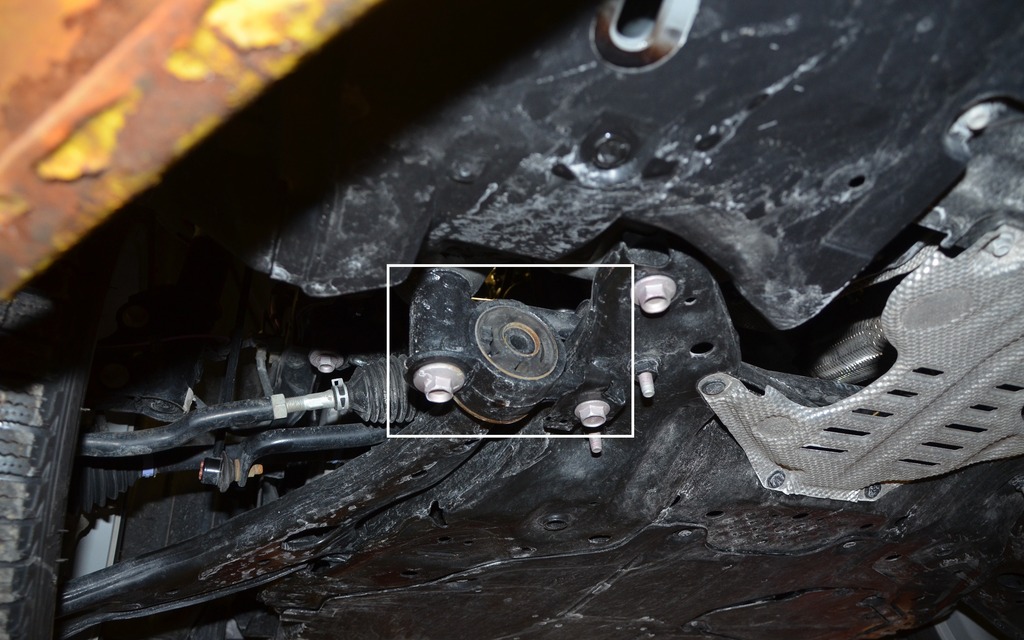
Photo: Alain MorinThe MacPherson front suspension is very similar to that of the previous generation. It is equipped with large rubber bushings that should resist wear and tear.
Photo: Alain MorinAlthough our test car had less than 6,000 km on the odometer, the front brakes were already quite scuffed and you could see the hard spots, which are places where rust had formed. The discs are poor quality, which will affect longevity more than performance.
Advertisement
Advertisement
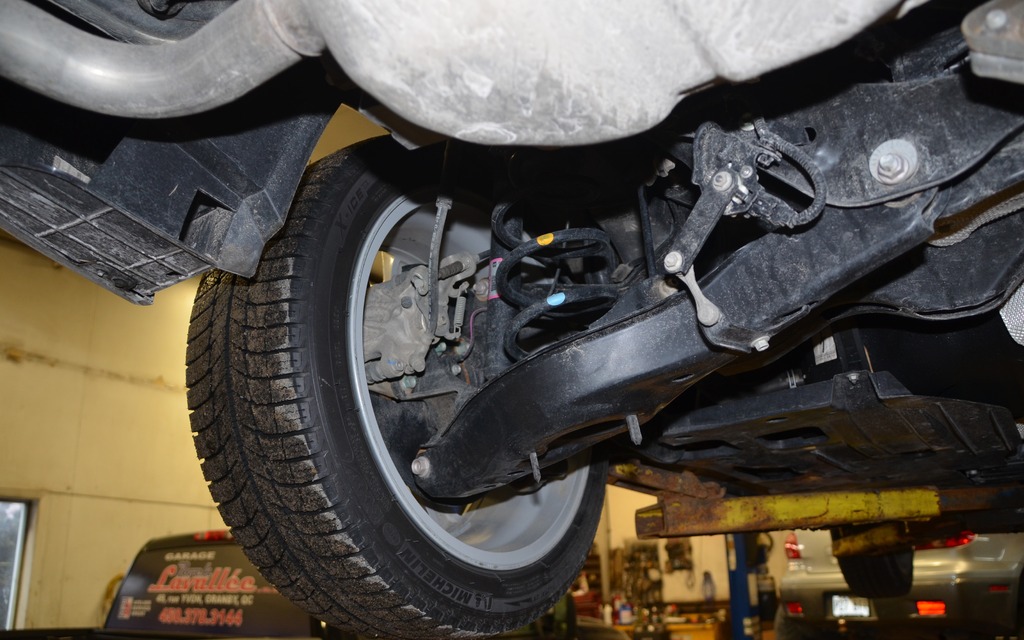
Photo: Alain MorinSuspension and rear brakes: Even here, there are no aluminum components.
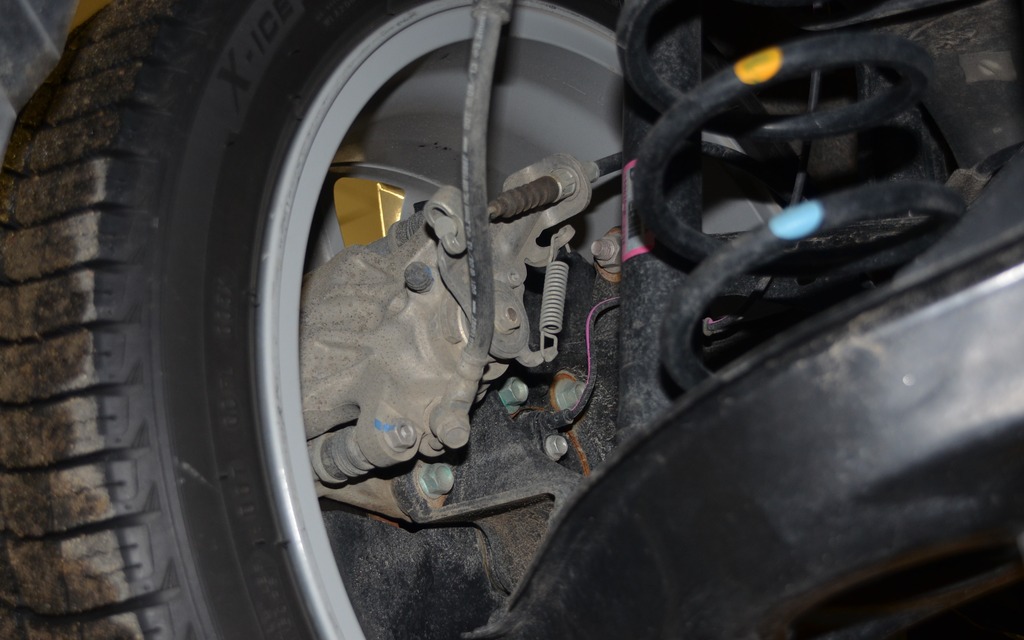
Photo: Alain MorinThe rear brakes in detail.
Advertisement
Advertisement
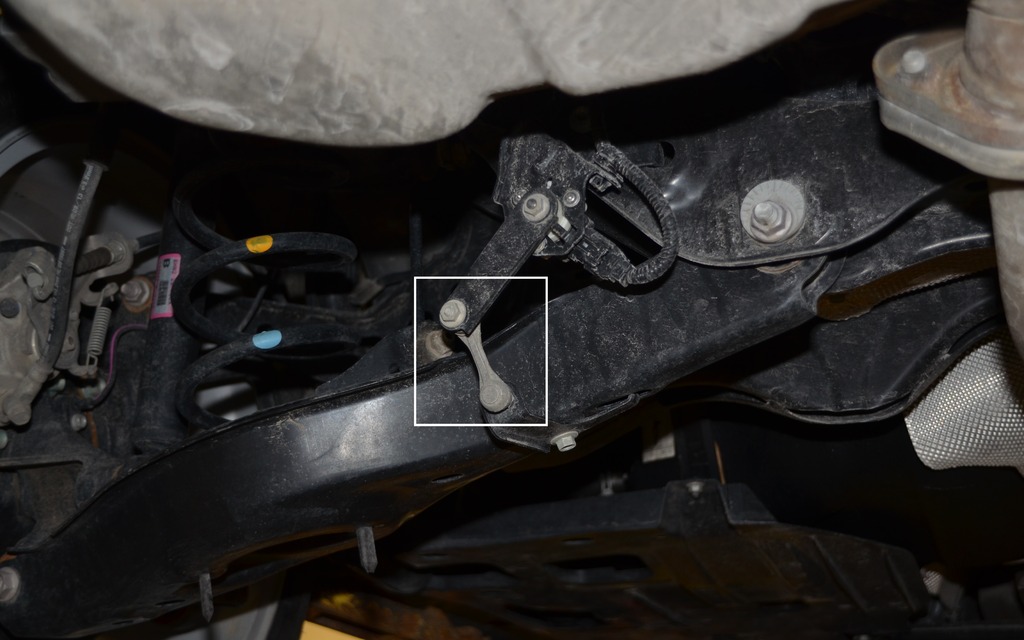
Photo: Alain MorinThis little rod is used to automatically adjust the level of the headlights, provided that the trunk is empty. There’s another one on the other side. This Adaptive Front Lighting System (AFS) with automatic headlight leveling is only available on the GT equipped with the Technology Package.
Photo: Alain MorinSeen on the tail end: You can see the independent multi-link suspension.
Advertisement
Advertisement
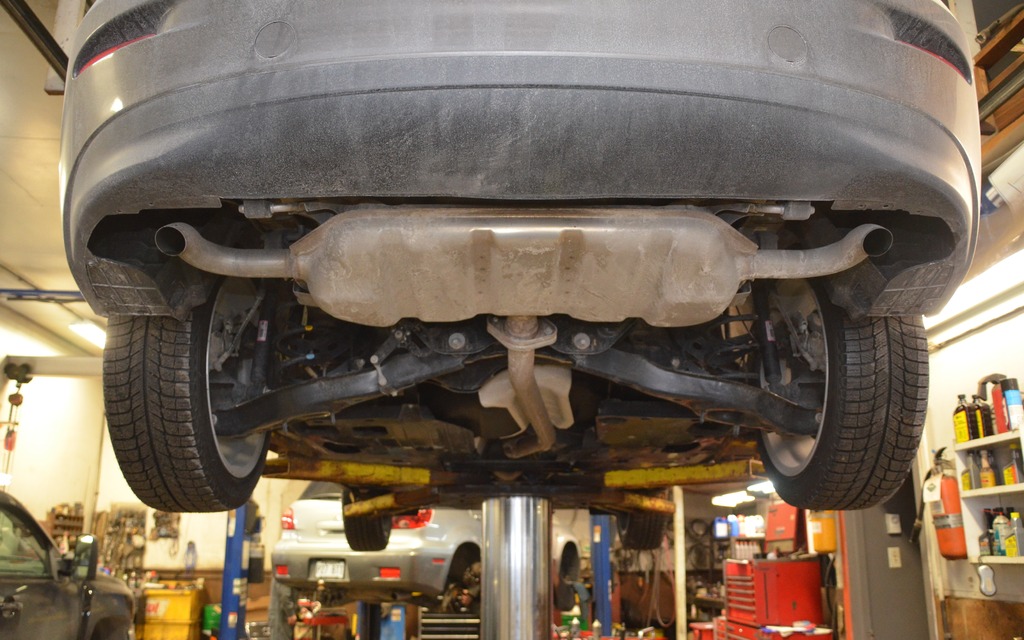
Photo: Alain MorinUnder the muffler you can see the welding points very clearly which indicate where the inner baffles are located.
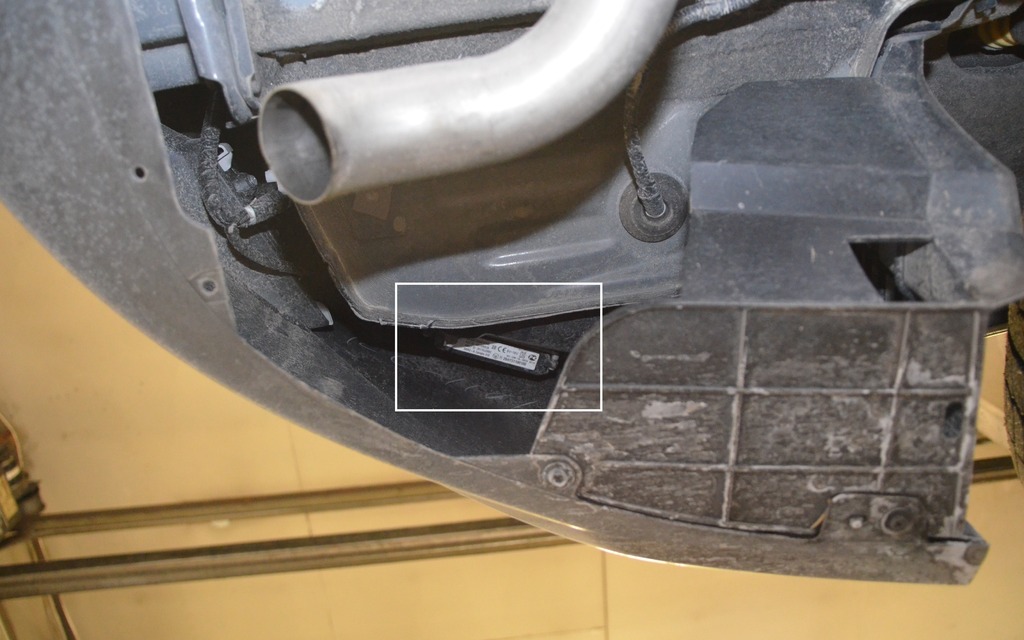
Photo: Alain MorinYou’ll find the detectors for the airbags on either side hidden between the chassis and the body.
Advertisement
Advertisement
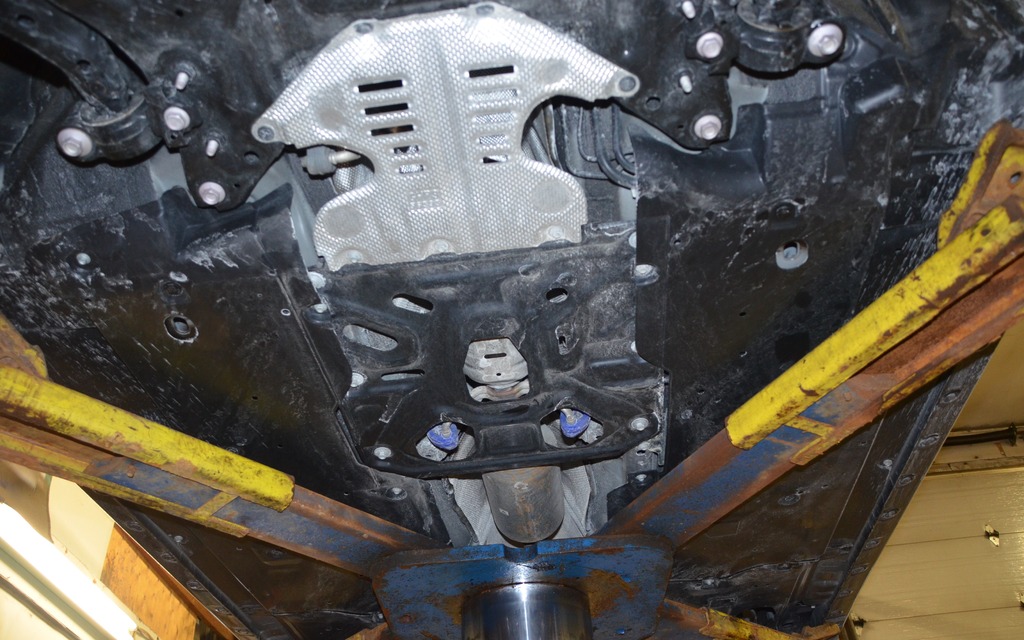
Photo: Alain MorinThe car’s undercarriage is very well protected by plates.
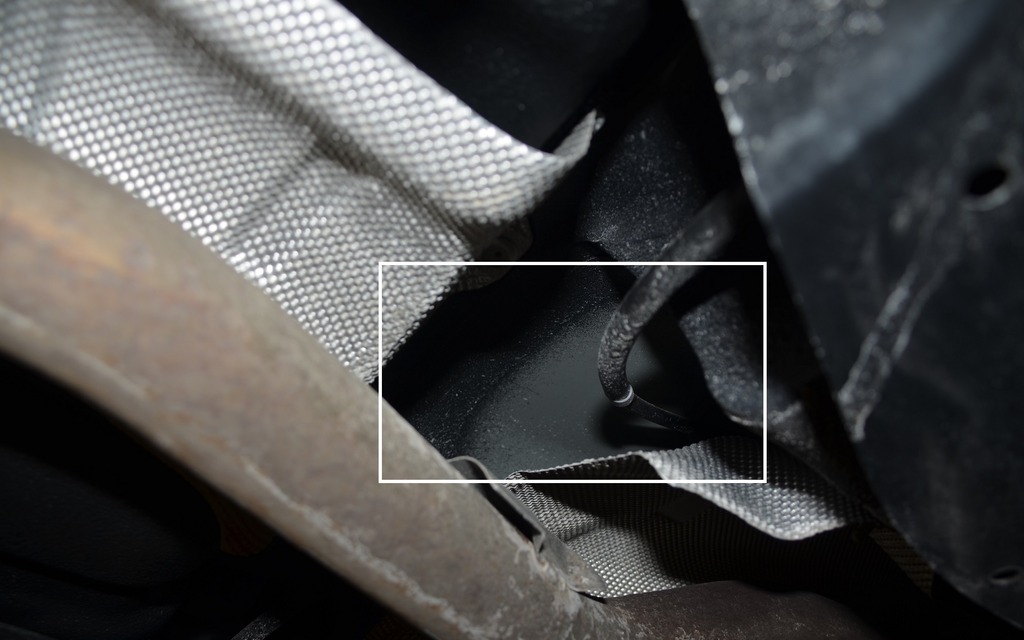
Photo: Alain MorinCertain parts of the platform, like the joints, are well sealed. However, you’ll notice several places that have no protection, like the grey part in the square. This is disappointing for a company that has for a long time been battling the reputation of being easy prey for rust.
Advertisement
Advertisement
Photo: Alain MorinThe fender inner panels are covered with a sort of cloth. This mitigates a lot of road noise but salt and slush can accumulate in the gap. The edge of the fender is rubberized, which eliminates the risks of rust.
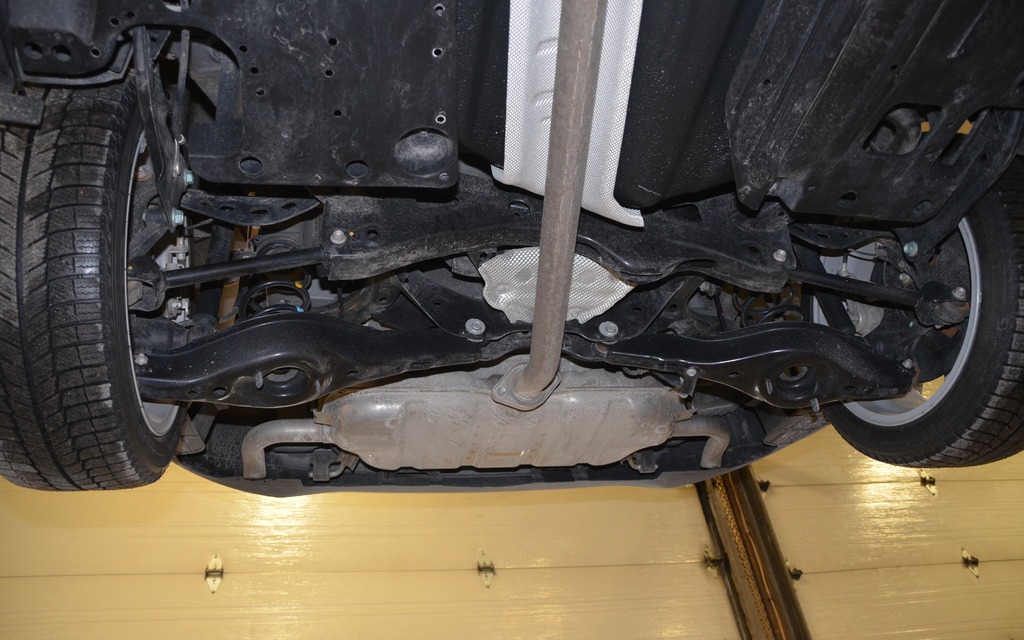
Photo: Alain MorinIf Mazda wanted to create a Mazda3 AWD some day, they would have to find a way to displace the exhaust pipe.
Advertisement
Advertisement
Photo: Alain MorinThe plastic plates in the front corners were very loose even with the joints in place. As near as we could tell, if you want to change them you’ll also have to change all the fender inner panels.
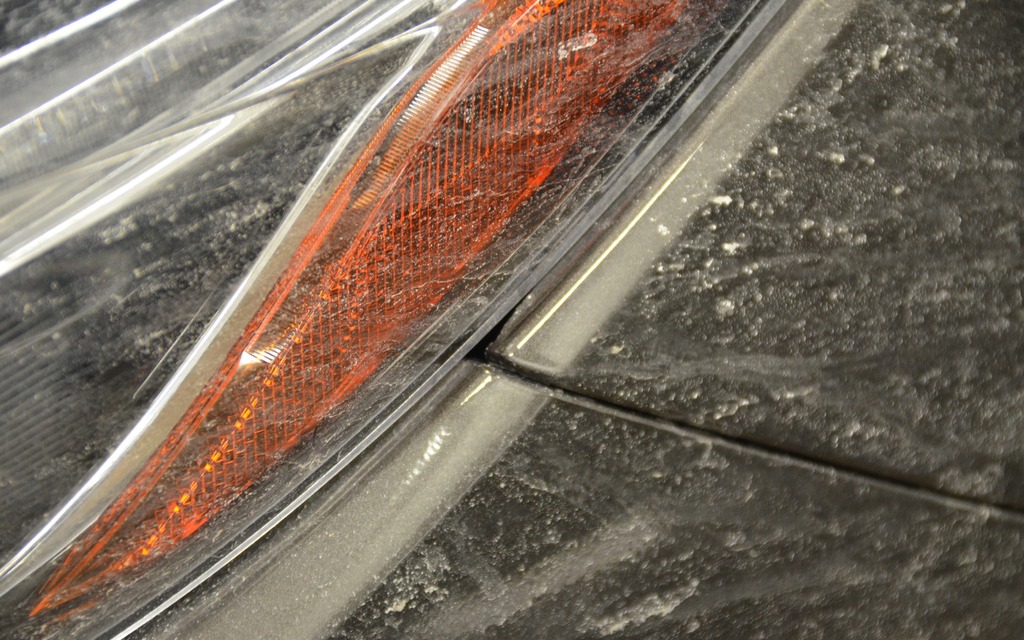
Photo: Alain MorinThe exterior finish seemed a tad botched in places. For example, the junction between the front fenders and the bumper is crudely finished. As there’s no sealing joint that seems to surround the headlamps, you can assume that rust will quickly gain a foothold.
Advertisement
Advertisement
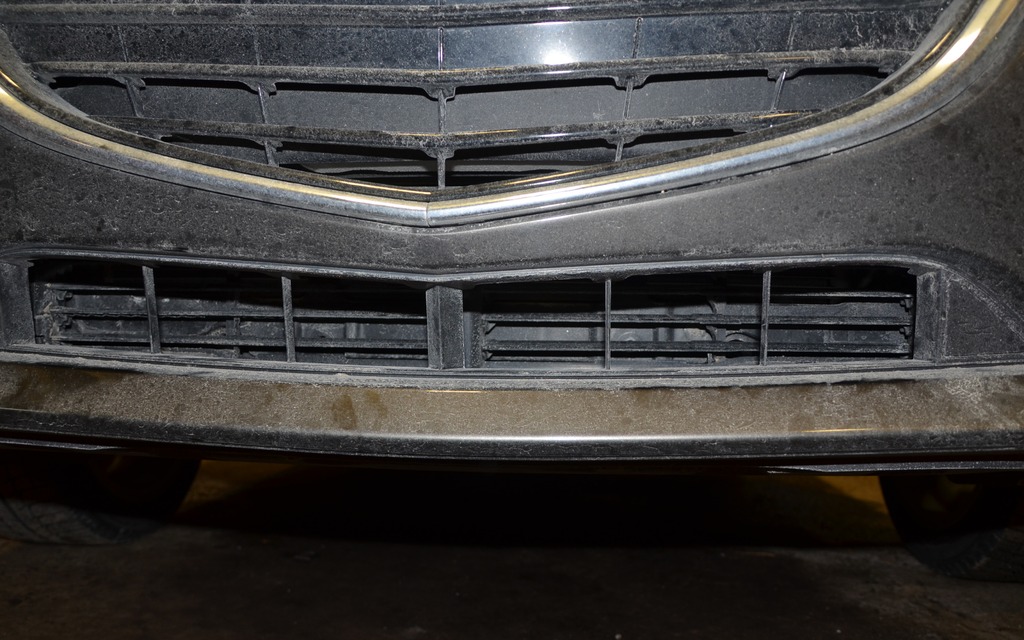
Photo: Alain MorinMost of the air that enters the engine bay originates in the lower part of the bumper. In front of the radiator, there’s an interior grille that will prevent rocks from piercing it as well as shutters that close to help the engine heat up faster.