Plugging Your EV Can Significantly Prevent Range Loss in Winter
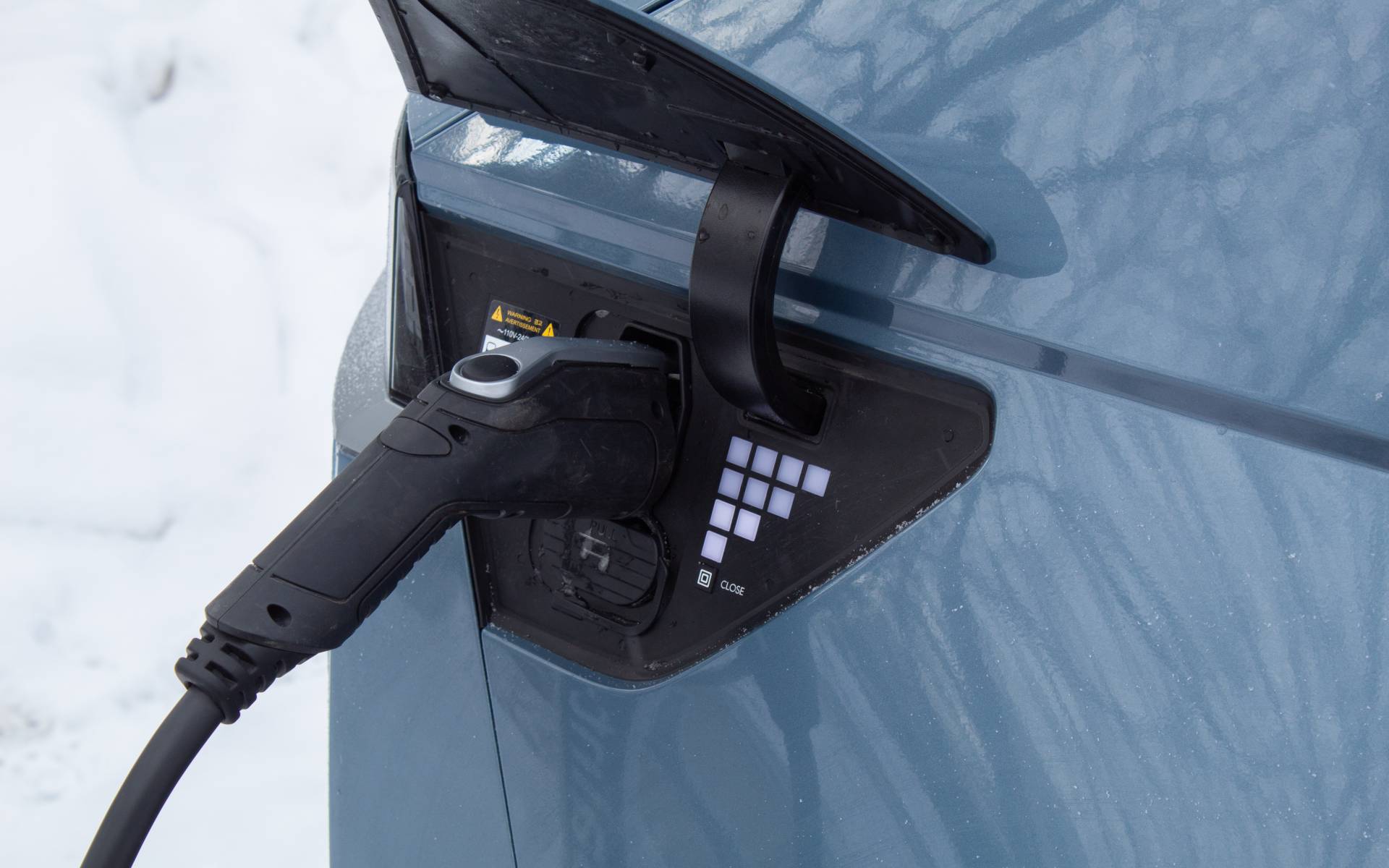

Electric vehicles are known for losing quite a bit of range in winter as their batteries suffer from exposure to cold weather. Generally speaking, the lower the temperatures, the faster the vehicle's range decreases.
In fact, range loss can be as much as 50%, a figure often thrown around by EV detractors and a definite concern for potential buyers. But what is it like in real-world driving?
Read also
- New Canadian Winter Tests Reveal Fastest-Charging EVs
- 2026 Nissan LEAF: Does It Pass the Winter Test?
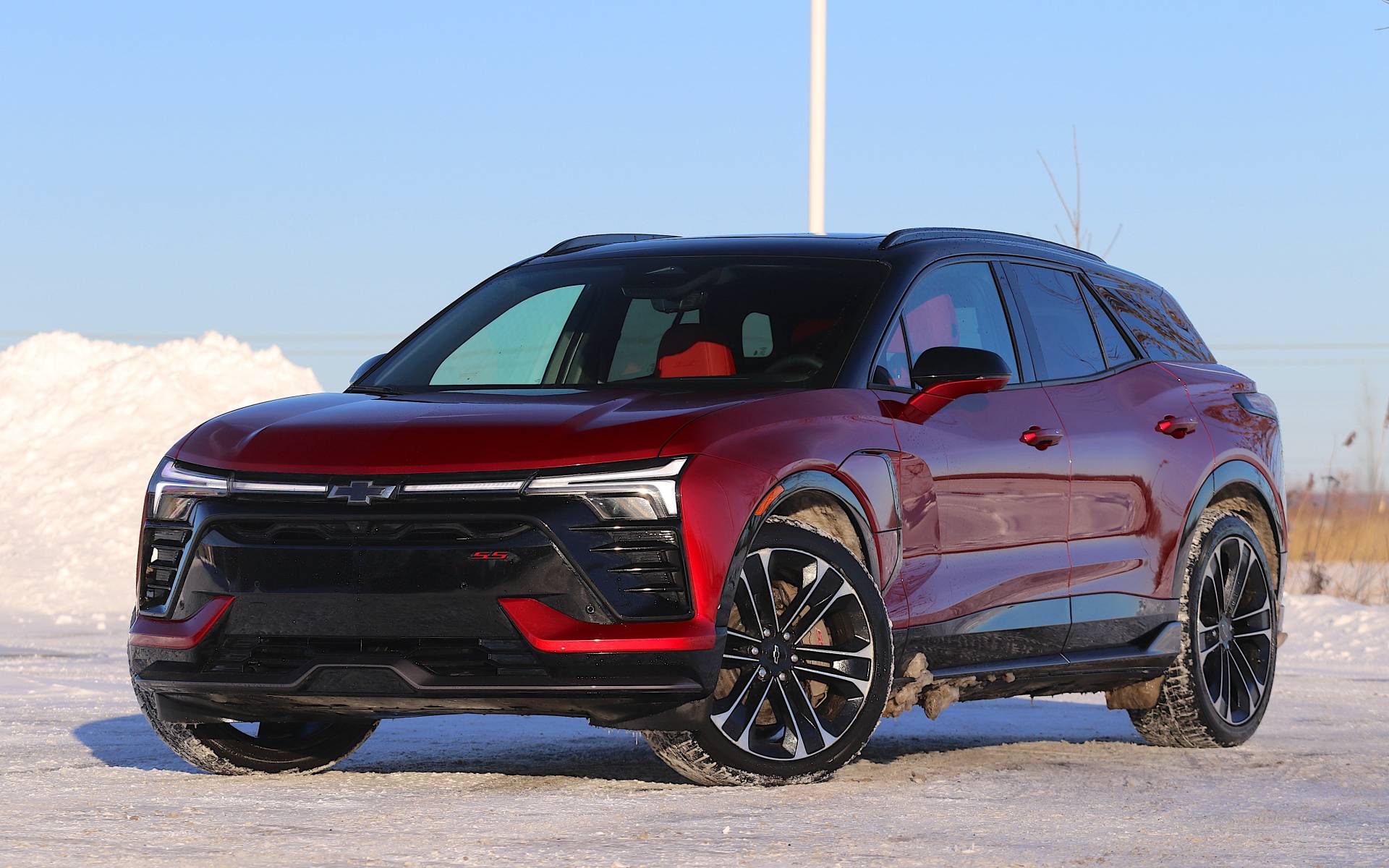
To find out, we drove an electric vehicle—namely a 2025 Chevrolet Blazer EV SS AWD—on the same route under different conditions to assess the loss of range in winter. The results could obviously be different with other makes and models, but we believe that our weeklong experiment—with temperatures ranging from -16 to -9 degrees Celsius—paints a good picture.
Just so you know, the 2025 Chevrolet Blazer EV SS AWD features a 102kWh battery, achieves combined energy consumption of 24.7 kWh/100 km and enables a range of 488 km according to Natural Resources Canada. The same 2026 model is rated at 486 km.
To Plug or Not to Plug?
The day before we began the test, the vehicle was parked outside overnight without being plugged in. The battery’s state of charge was 60%. When starting the vehicle in the morning, the outside temperature was -16 degrees Celsius and the cabin was freezing, so it had to draw on its reserves to warm up (we set the interior temperature to 22 degrees).
The 30-km route included about a third city driving and two-thirds highway driving, which are definitely not ideal conditions for an electric vehicle. As a matter of fact, our Blazer EV SS AWD’s energy consumption more than doubled to a whopping 52.6 kWh/100 km. Maximum range, meanwhile, dropped to around 195 km.
We performed the same test in the afternoon, but only after plugging in the vehicle for five hours and heating the cabin before leaving the charging station. Energy consumption during the return trip was significantly lower at 41.6 kWh/100 km, representing a maximum range of approximately 245 km. How’s that for an improvement?
But we didn’t stop there, conducting a final test after charging the vehicle at a Level 2 charger inside a heated parking garage (around 18 degrees Celsius) for six hours. When we hit the road, the outside temperature was -9 degrees—warmer than the previous day, but still cold.
We reset the trip meters and later were surprised to find that the Blazer EV SS AWD had consumed only 22.2 kWh/100 km during our 30-minute drive. Granted, we drove around town and avoided highways, which benefited efficiency, but this shows how much battery temperature affects energy consumption.
Since our various tests were not conducted under identical conditions, it is not possible to draw any scientific conclusions. However, we think we’ve made it pretty clear that EV drivers can significantly limit range loss in winter by leaving their vehicle plugged in and preheating the cabin before hitting the road.