Volvo Confirms Wagons Will Return to Lineup
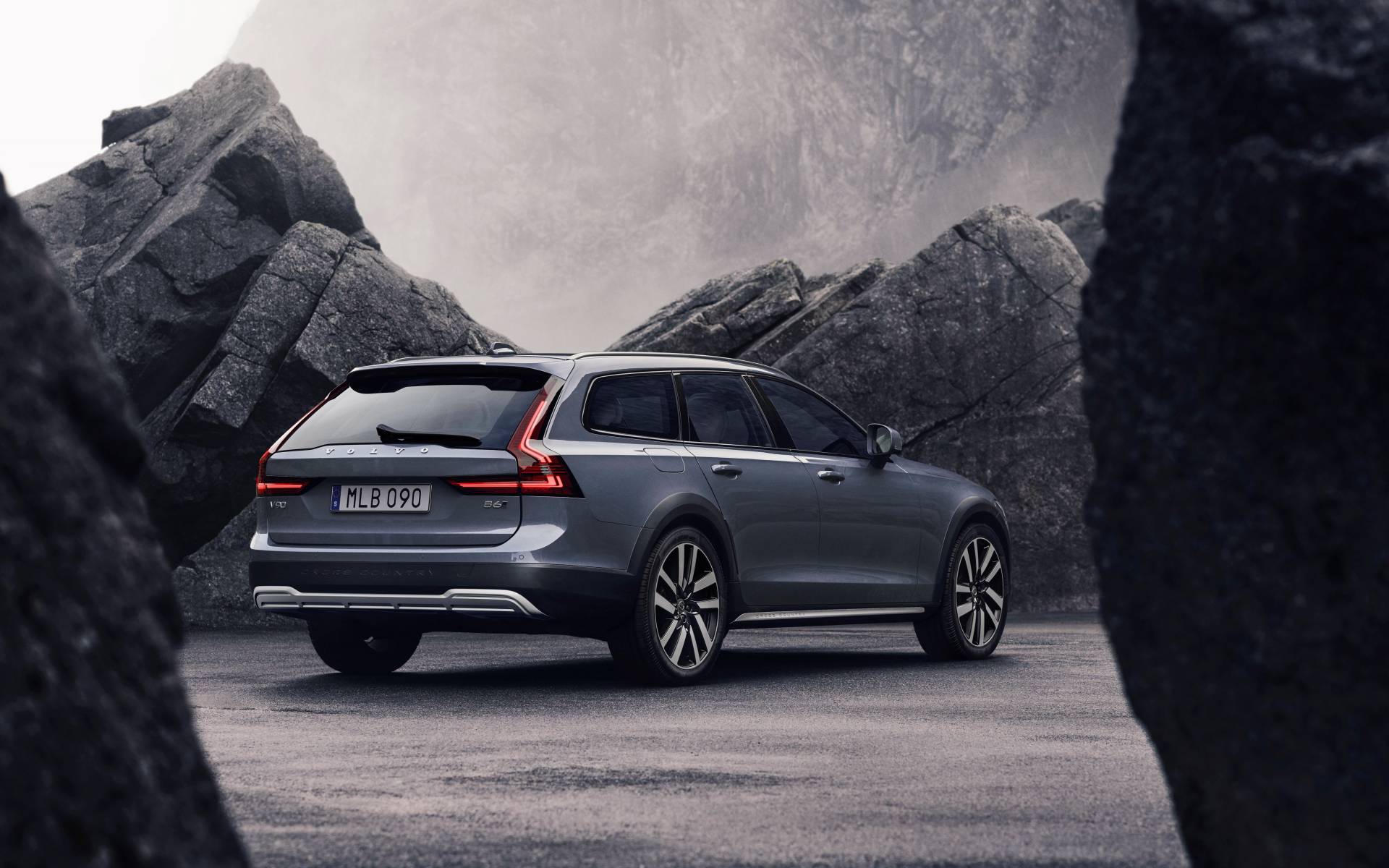

The writing was on the wall for the Volvo V60 Cross Country and V90 Cross Country. These two iconic wagons, which embody the DNA of the Swedish brand, accounted for only 2.8 percent of Canadian sales in 2025 with 259 and 143 units, respectively, far from the best-selling XC60 crossover with 4,731 units.
Since the pair were nearing the end of their cycle, Volvo made the smart decision to announce it will stop production a bit later in 2026.
Read also
- 2025 Volvo V60 Cross Country: A Fine Wagon That May Be Doomed
- Tariff-Hit Volvo EX90 Leaves Canada, Smaller EX30 Cuts Prices for 2026
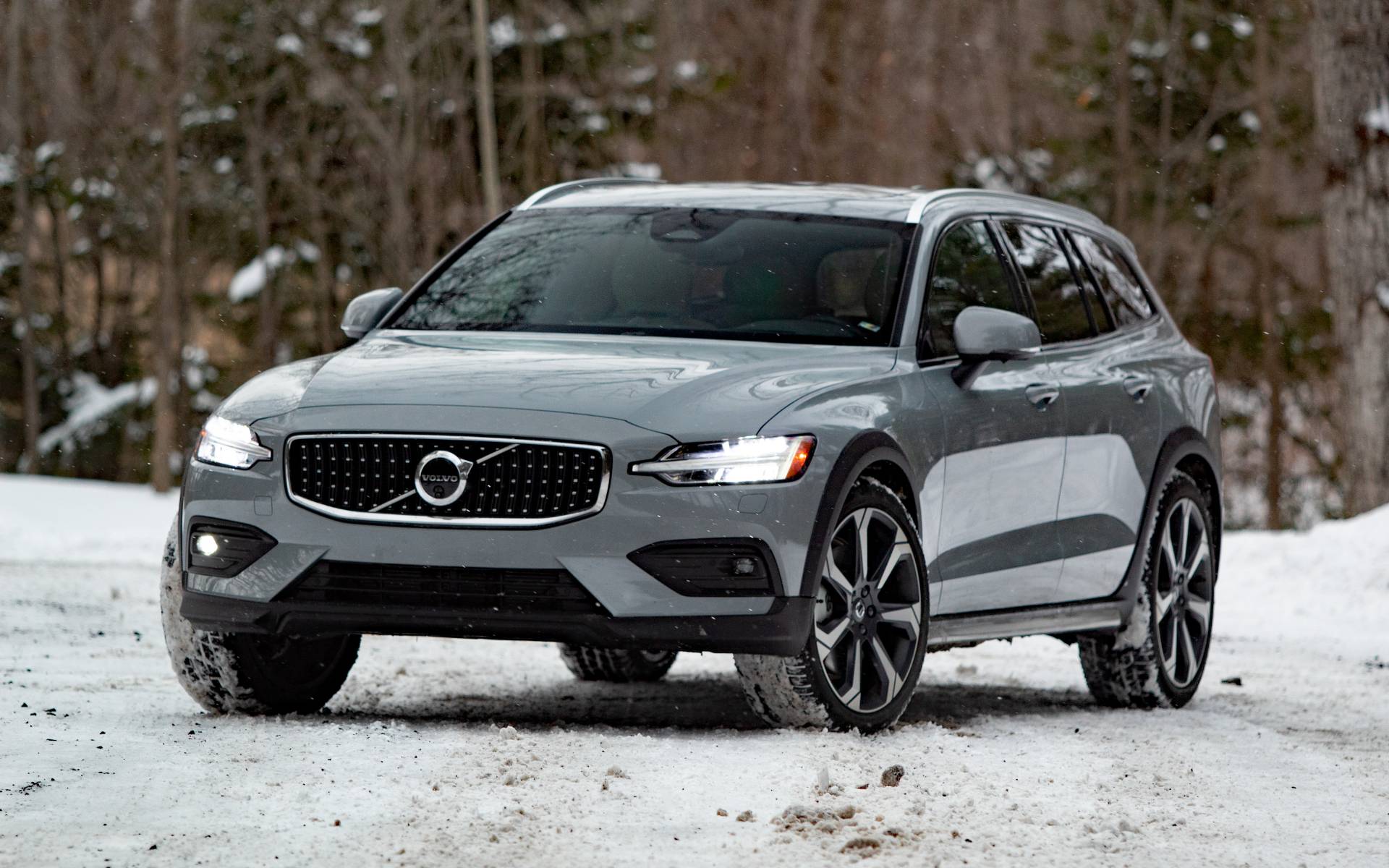
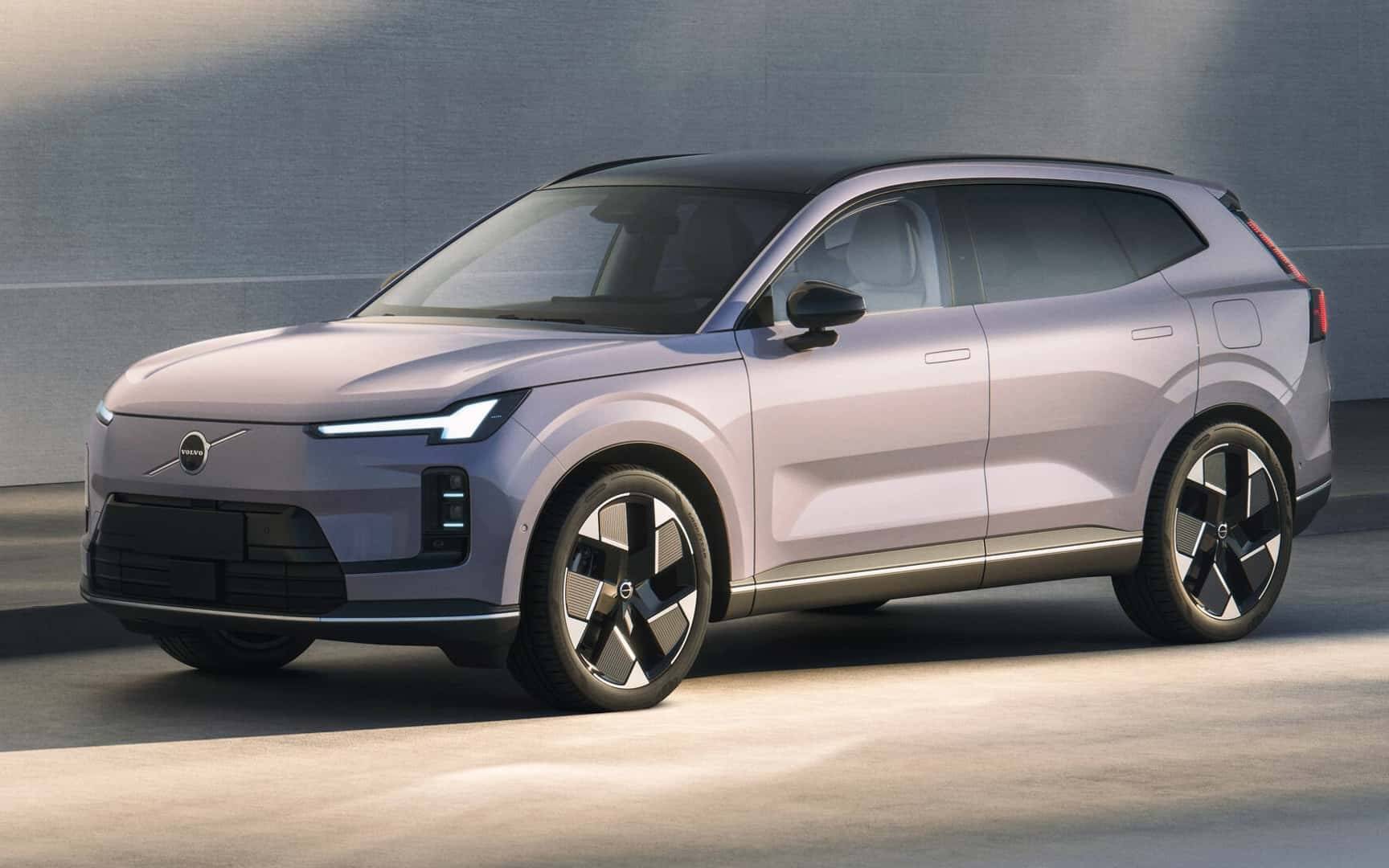
However, while attending the global debut of the all-new 2027 Volvo EX60 electric crossover, we managed to learn more about the future of Volvo's wagons, which have been instrumental in building the brand’s image and remain fairly popular worldwide. Naturally, Europe will always be the primary market for wagons, but there seems to be some newfound interest in this type of body style in other parts of the globe, such as Asia (China in particular), prompting automakers to expand their offerings.
As we chatted with Volvo’s Chief Strategy and Product Officer, Michael Fleiss, we learned that wagons aren’t completely dead and will be making a comeback at some point. He said they will be genuine Volvo wagons that stay true to the brand’s unique identity.

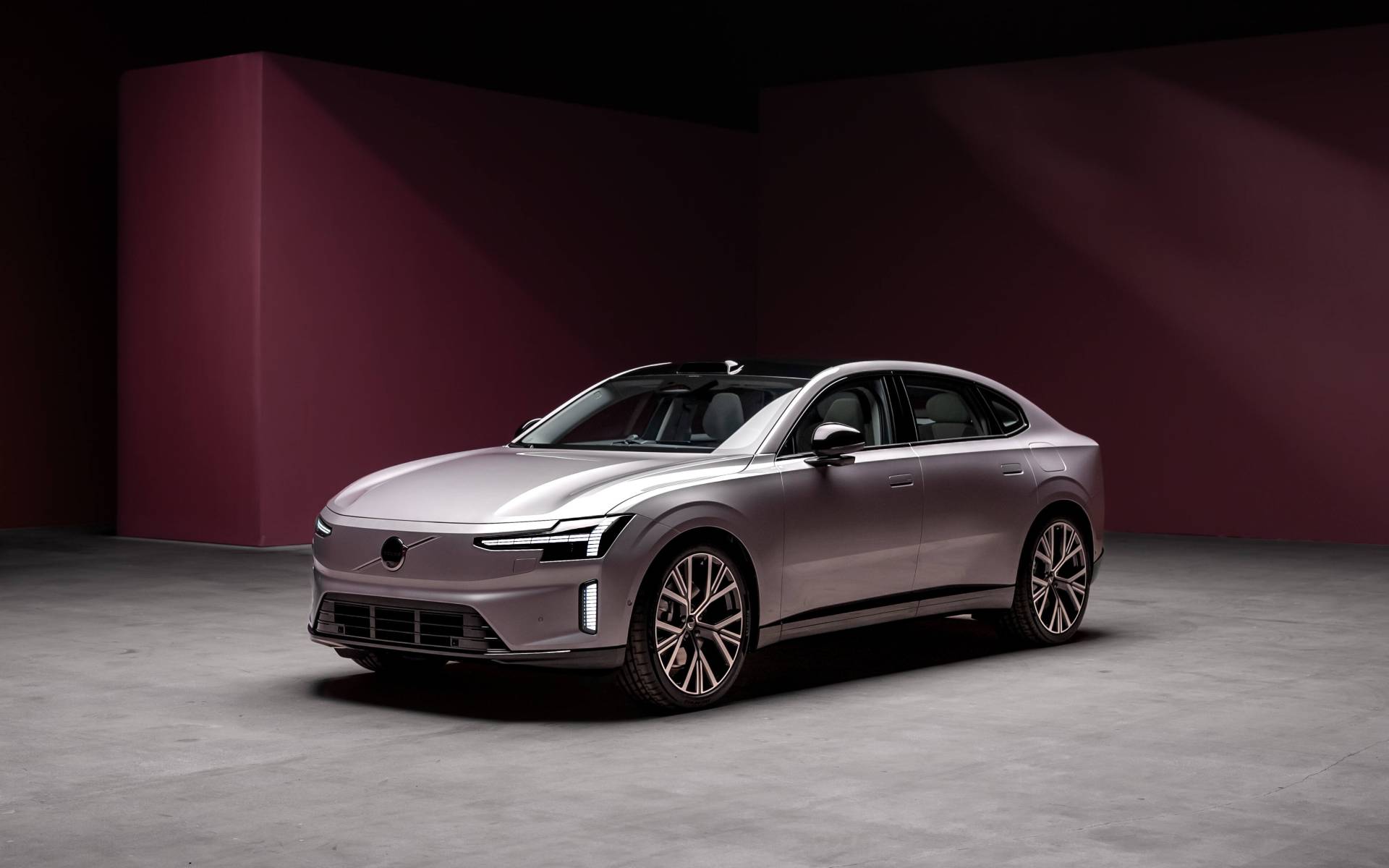
Heck, even sedans will continue to be part of Volvo’s strategy, Fleiss told us, although he stopped short of confirming the launch of the all-new, fully electric ES90 on this side of the ocean. In fact, Volvo Canada’s head of media relations, Jennifer Okoeguale, reiterated that there are currently no plans to bring this car here. She did say that new announcements will be made before the end of the year.
So, will next-generation Volvo wagons ever come to Canada? Quite possibly. Will they be electric or plug-in hybrid models? Time will tell. Remember, the company is no longer envisioning an EV-only portfolio. It wants to include advanced plug-in hybrids that deliver superior efficiency and zero-emission range, such as the XC70.
Oh, and one last thing: would the ability to sell Chinese-made vehicles in Canada make it easier for Volvo to launch products that are currently more difficult to sell profitably? Canadian executives are still waiting to know more about the new deal with China and therefore can’t make public statements yet, but they hinted that it could indeed give Volvo an edge over the competition.