2026 Nissan LEAF: Does It Pass the Winter Test?
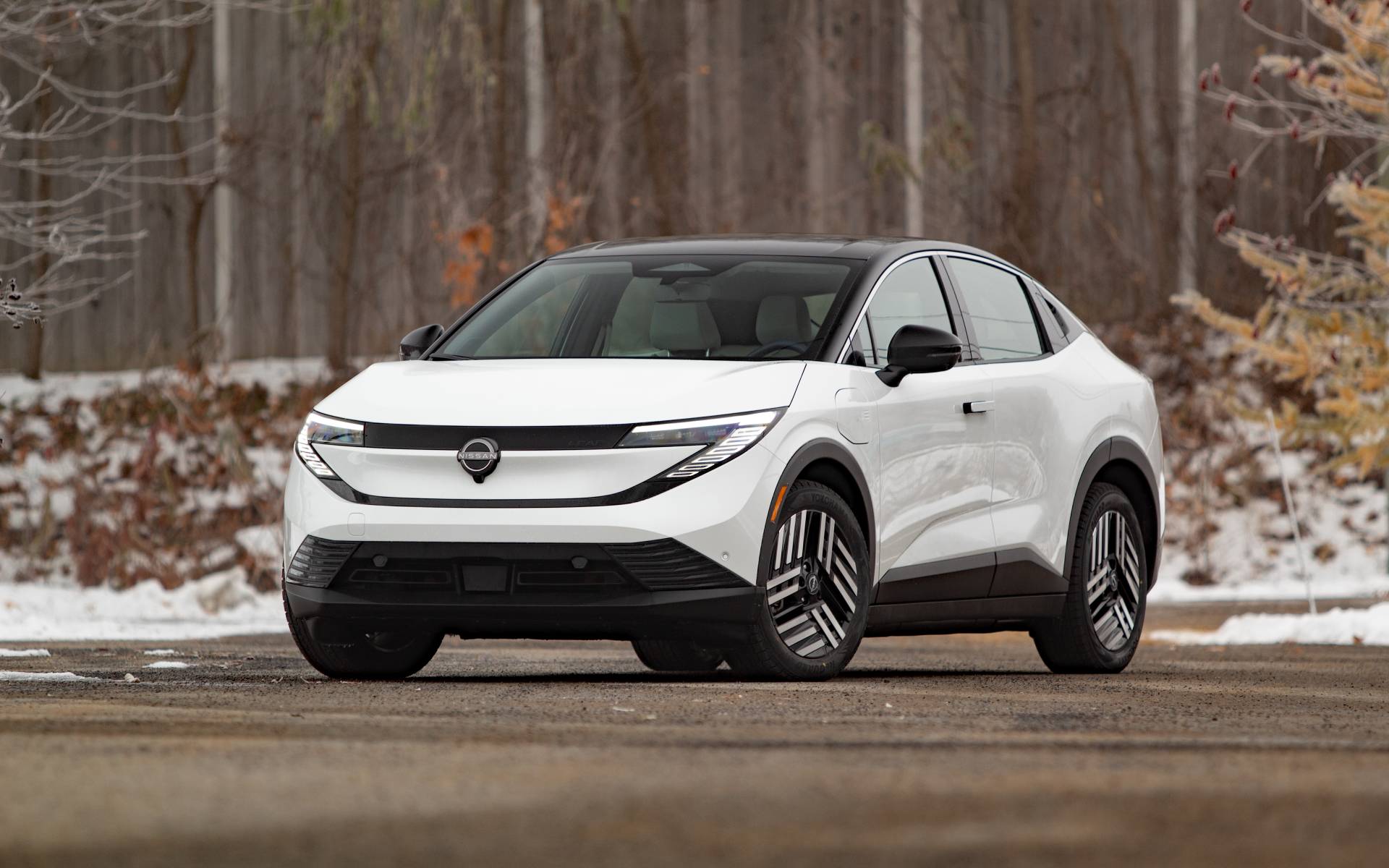

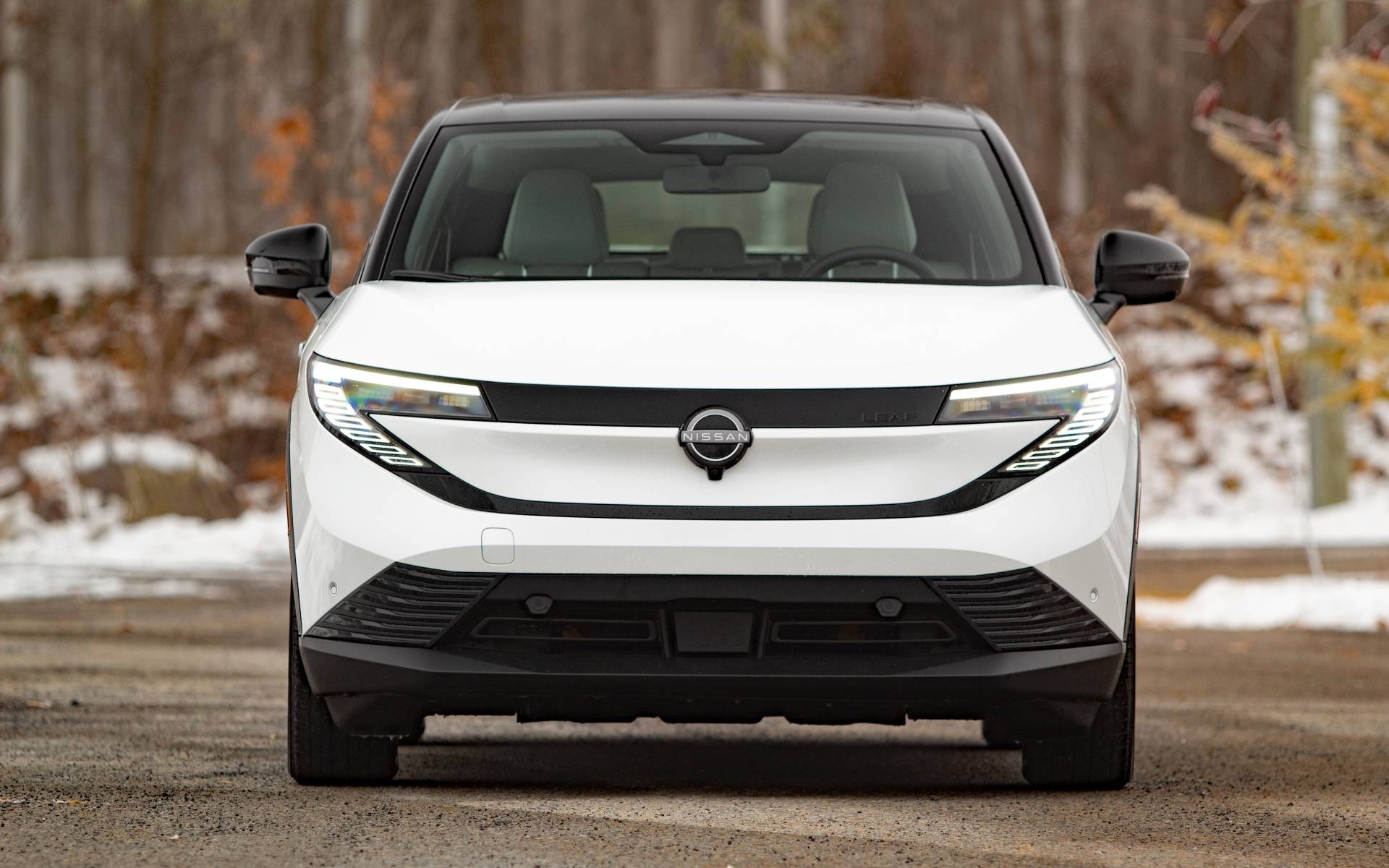
The all-new, third-generation Nissan LEAF marks a significant departure from its predecessor. The Japanese EV pioneer, which originally launched in the early 2010s, boasts a completely redesigned exterior, more advanced battery technology and state-of-the-art interior.
Since traditional passenger cars are much less popular these days, the company has turned it into a small, coupe-style crossover. In reality, the new LEAF is shorter and lower than the hatchback it replaces and still doesn’t offer all-wheel drive, so it can hardly be considered as a utility vehicle.
Read also
- 2026 Nissan LEAF: They Say Third Time’s the Charm
- You Won’t Believe Your Ears With Nissan and Infiniti’s New App
Pleasant and Warm Cabin
No matter how you see it or describe it, we at The Car Guide felt the need to put the 2026 Nissan LEAF to the test in winter conditions and find out how good it is. Temperatures during the week ranged from -15 to 4 degrees Celsius.
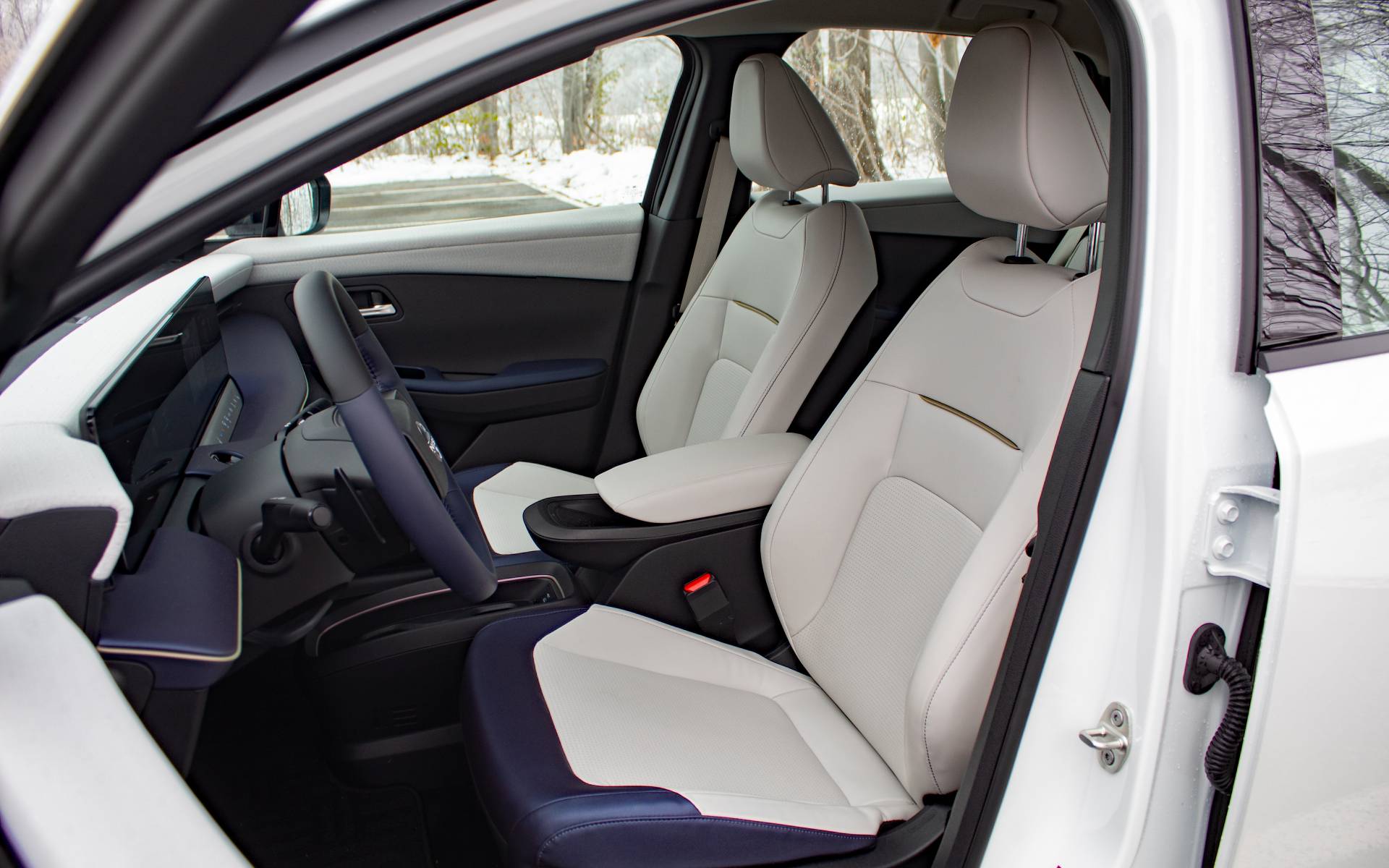
First of all, the heated seats, heated steering wheel and HVAC system do a very good and very quick job of keeping occupants warm. We appreciated that, especially considering how cold the weather can get from December to March in many parts of the country. The windshield and rear window defrosters are similarly quick and effective, ensuring good visibility at all times.
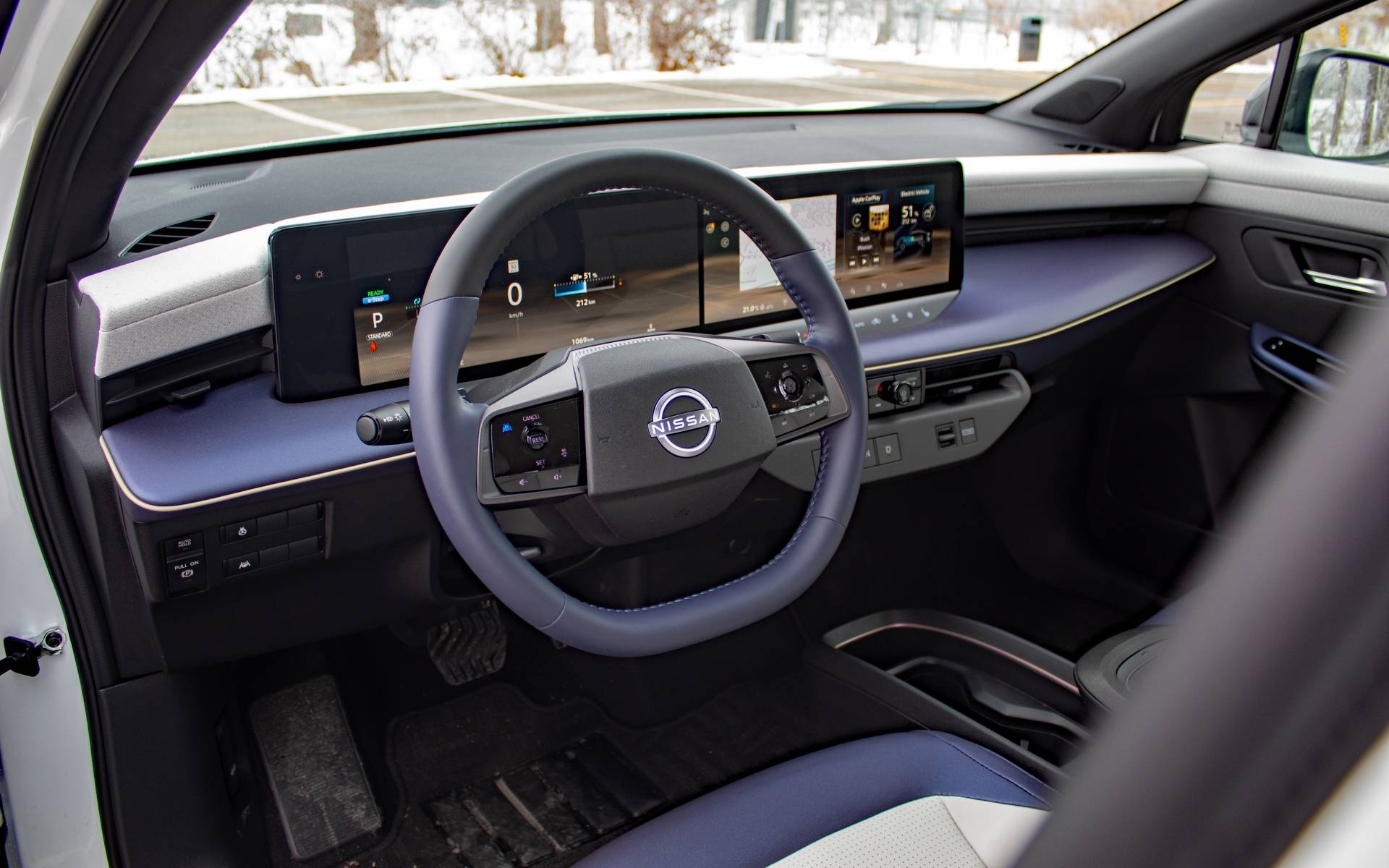
The main controls on the dashboard can be easily manipulated while wearing gloves, although some of the buttons just below the touchscreen are a bit small. The infotainment system itself is mostly intuitive to use. We only wish that a few icons were larger when wearing gloves.
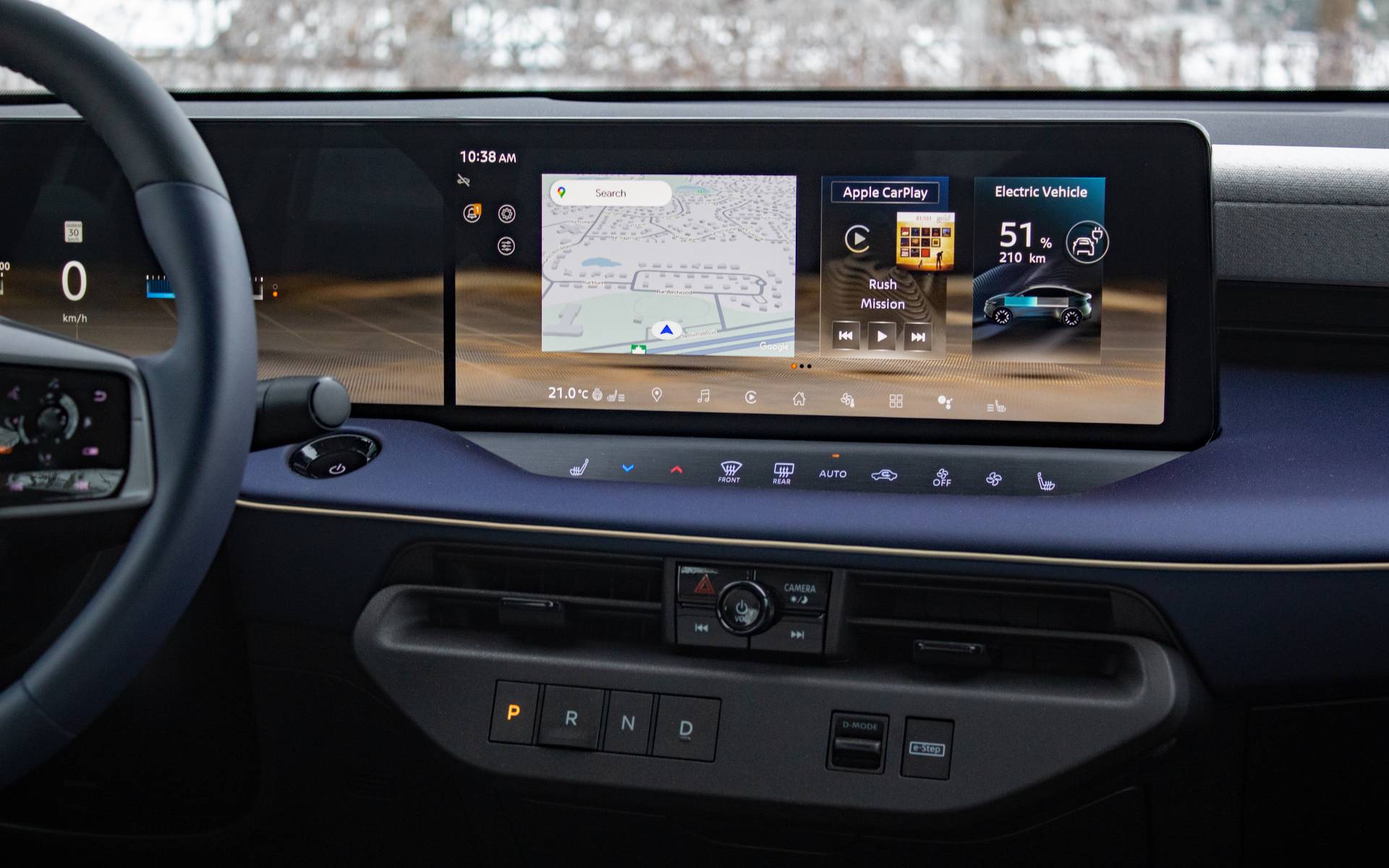
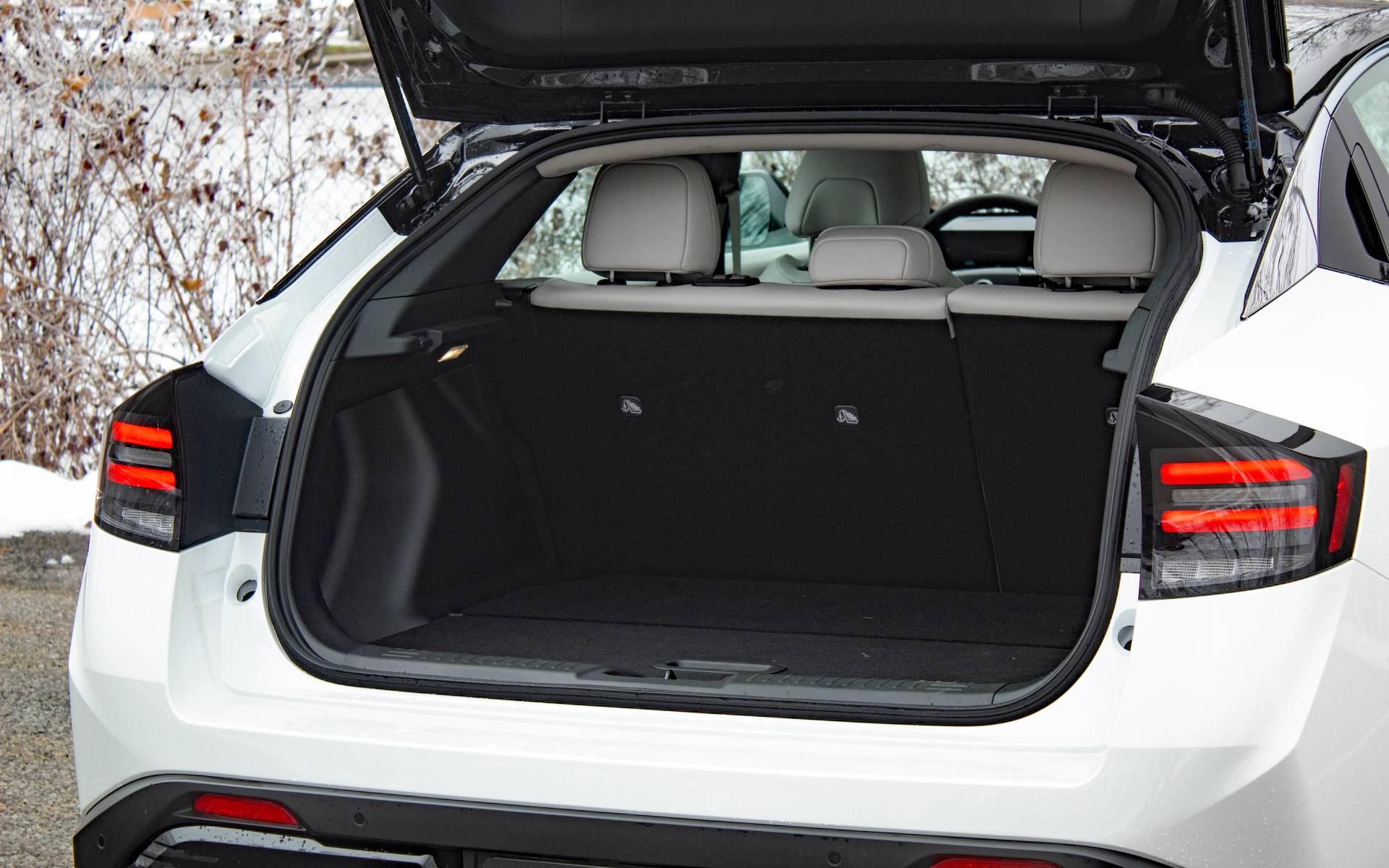
In everyday driving, we found the LEAF’s interior fairly accommodating and spacious enough for four people. The seats are very comfortable and prevent fatigue on long trips. Combine those with a super-compliant suspension and you get a vehicle that’s well suited to rough Canadian roads.
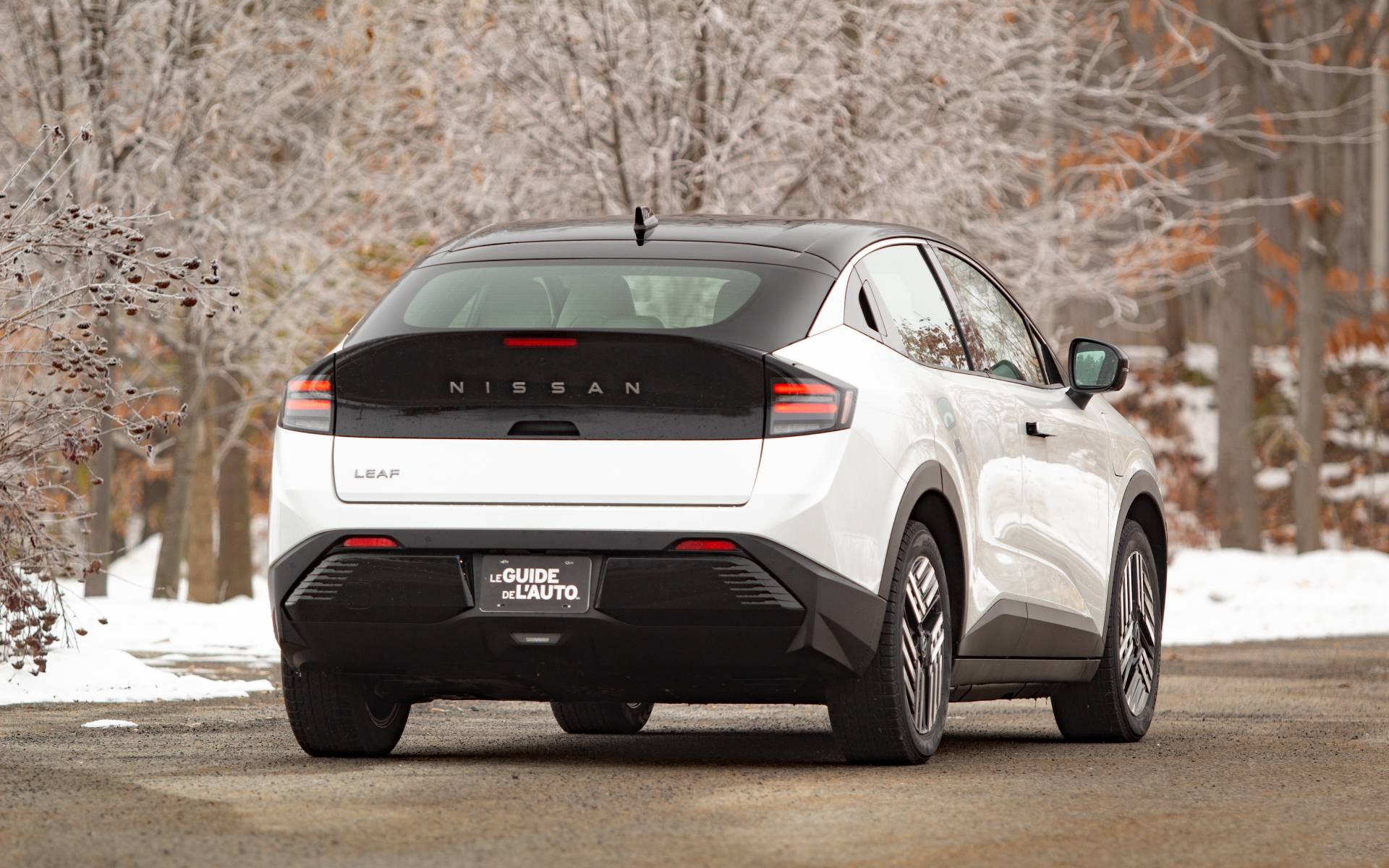
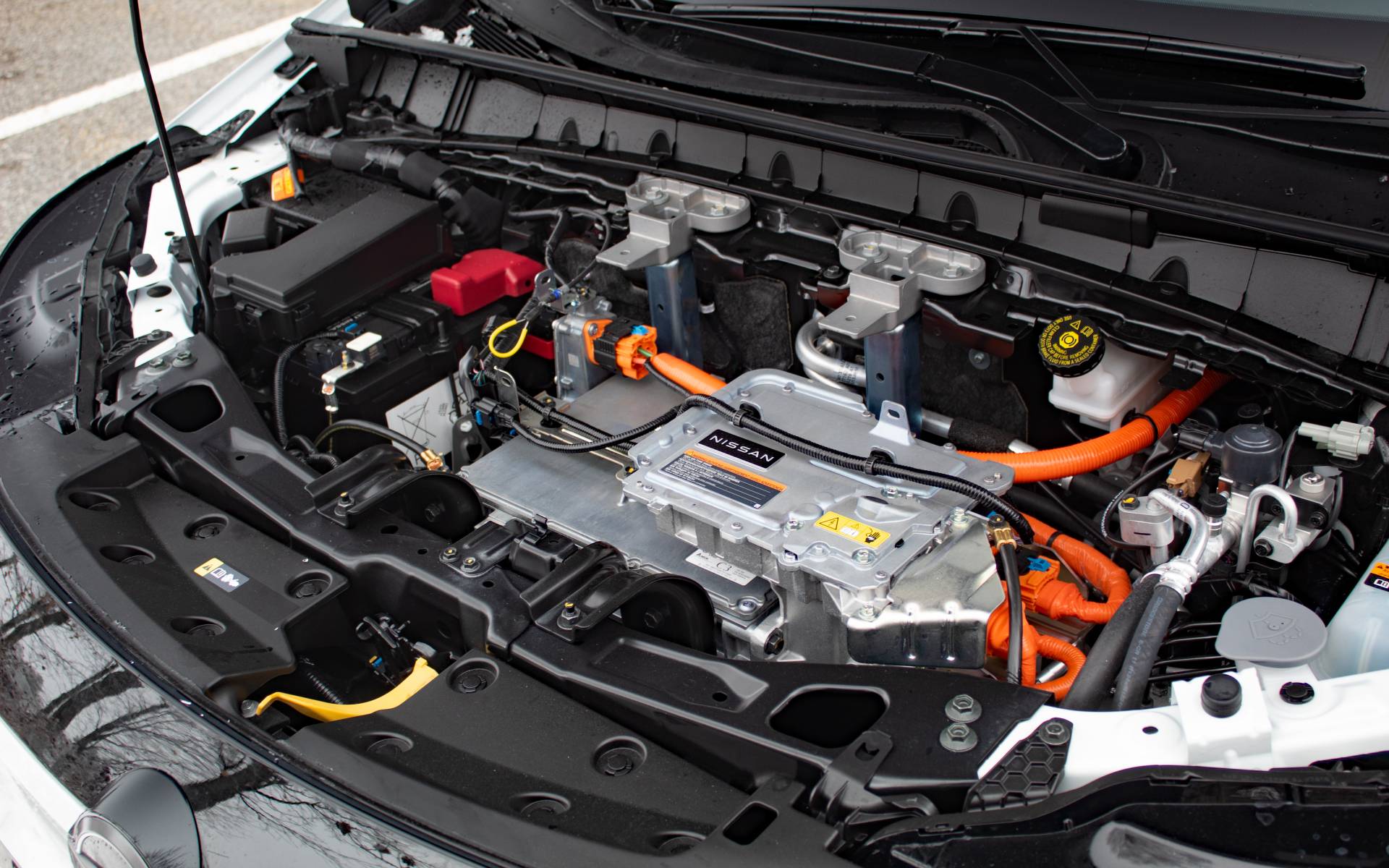
On the flip side, the lack of a frunk, the reduced size of the cargo area (566 litres vs. 668 litres in the previous LEAF) and the missing rear wiper are tough to deal with. Despite the slippery shape and the fact that the rear window doesn’t get nearly as dirty as the one on pre-2025 Hyundai IONIQ 5 crossovers, we believe that a rear wiper is an essential feature, especially in winter.
On the Road
As mentioned up top, the 2026 Nissan LEAF doesn’t offer all-wheel drive, even as an option. Power is sent to the front wheels exclusively. However, with a good set of winter tires, it’s not a problem in most situations. Steering is rather light yet precise enough, and it delivers adequate feedback.
Torque steer rears its ugly head only during hard acceleration, either from a standstill or when driving at a certain speed. We felt it most of the times we wanted to take off for a sprint in the fast lane.
In terms of driving dynamics, the new LEAF is composed both in deep snow and on slippery roads at higher speeds. It inspires confidence and isn’t particularly affected by crosswinds, although we must admit there weren't any strong winds during our test drive. Even at high speeds, like on the highway, we found the cabin pretty quiet and serene at all times.
The one-pedal driving system is generally effective yet doesn't allow for a complete stop. That’s a shame because the brake pedal doesn't offer excellent feel and requires a delicate touch to avoid startling passengers when braking. Other than that, we found the LEAF pleasant to drive, particularly around town where its agility and compact size come in handy.
Range Loss in Cold Weather
This was actually the second time we took the 2026 Nissan LEAF for a spin—more specifically an SV+ model that’s officially rated at a combined 18.4 kWh/100 km with 463 km of range by Natural Resources Canada.
Our first test drive took place in early November with temperatures around the freezing point. We recorded average energy consumption of 20.3 kWh/100 km, good for a range of approximately 365 km.
Now, during our week-long test drive in late December, with temperatures dropping to minus 10-15 degrees Celsius, the LEAF required 26.1 kWh/100 km of energy, cutting its range to 290 km. To be fair, the weather and road conditions were not very good, and the battery couldn't fully be charged overnight or preconditioned in the morning while still plugged in. By charging at home and keeping the battery warmer, you'll significantly increase your range, even in very cold weather.
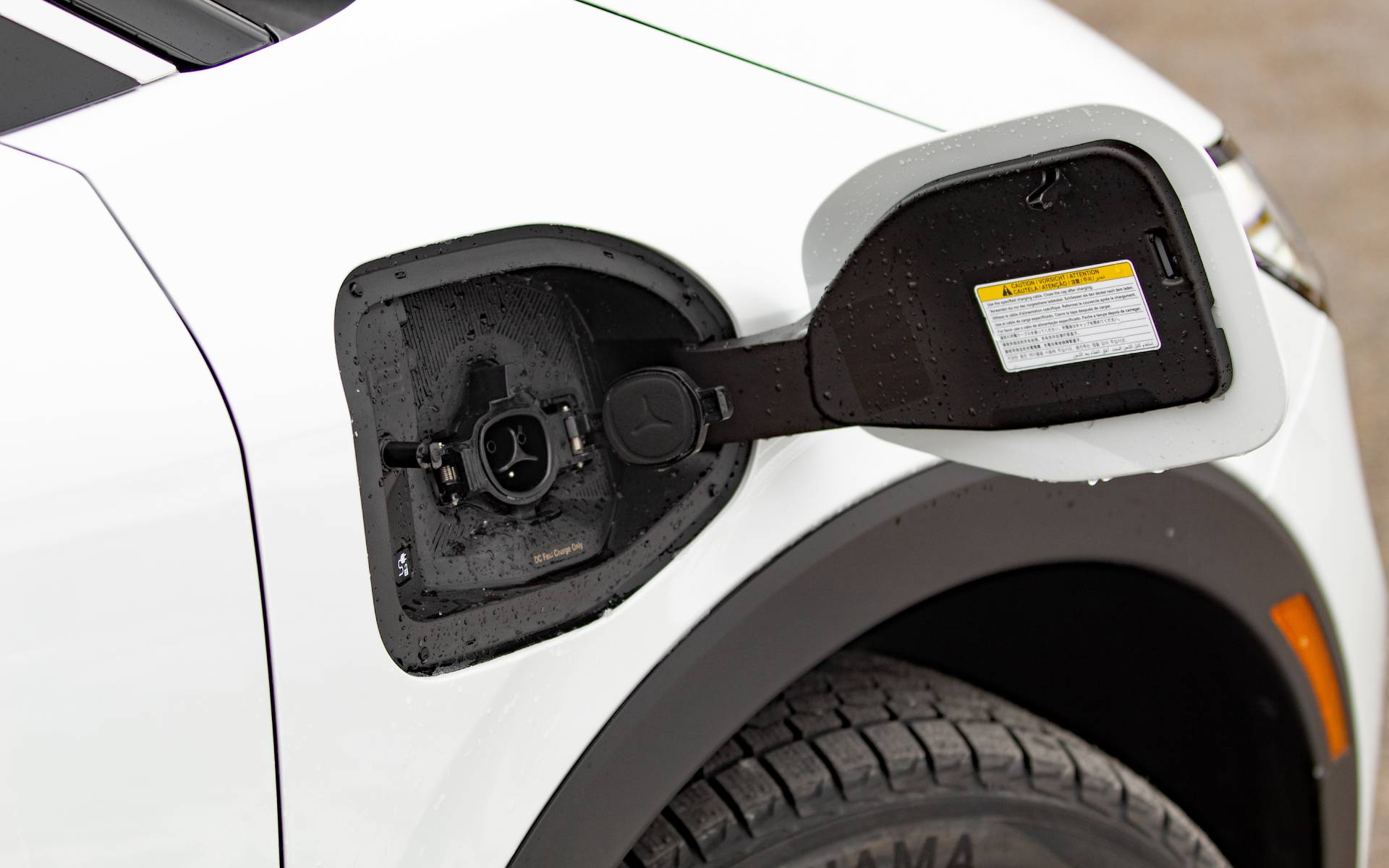
Speaking of charging, our experience was not conclusive. An initial session at 0 degrees Celsius using a 200kW charging station managed to replenish the battery from 20-82% in 30 minutes, with a peak of 103 kW, which is pretty decent.
Curiously, we achieved a better result when the temperature was lower (-7 degrees Celsius). By preconditioning the battery around 15 km before arriving at a 180kW charging station, we were able to charge from 4-85% in 35 minutes, this time with a peak of 143 kW (the LEAF’s max charging capacity is 150 kW).
Oh, one last thing: we found that the range indicator initially dropped slowly, then very quickly. When the battery was around the 40-50% mark, range seemed to decrease slowly, but once it reached 20-25%, range appeared to melt faster than snow under May sun. You’ll probably get used to it after a while, but this particular quirk of the LEAF caught us off-guard at first.
Convincing But Expensive
When all is said and done, the 2026 Nissan LEAF makes a convincing case overall. With around 300 km of range even in the worst conditions, safe and reassuring handling in winter (despite the lack of AWD), as well as a nicely designed and comfortable interior, it should appeal to many EV drivers.
There’s just one problem: with no more federal incentive of $5,000 (and provincial rebates being either cut or phased out), the LEAF is significantly more expensive than a similarly sized, gasoline-powered vehicle. All-inclusive pricing ranges from $47,834 to $55,634, and our SV+ tester with a two-tone paint ($795) retailed for $50,888. By comparison, a 2026 Nissan Kicks SV Premium, while slower and noisier, can be had from just $34,619—AWD included.
Even with the low cost of electricity in Quebec and other parts of Canada, it will be nearly impossible to get a return on your investment—unless your annual mileage is extremely high. That said, if you want to finally ditch gasoline engines and are willing to pay more for an electric vehicle without needing a very large model, the LEAF is definitely worth considering.