1999 Dodge Viper GTS: Less Venomous Than Anticipated

As some of you may know, The Car Guide all started with a French-written annual book, Le Guide de l’auto, nearly 60 years ago. The latter proved an instant hit and eventually became the most trusted source of information for car enthusiasts in Quebec.
The book’s grand master, Jacques Duval, who sadly passed away last year at the age of 89, was a successful race car driver and renowned TV personality. When the Dodge Viper was first released in 1992, he didn't get to drive it because he was still working for Ford at the time. It would be a few years before he could get behind the wheel. In particular, the speed record that Duval set at the PMG Technologies speedway in Blainville, Quebec captured the imagination.
Read also
- Is the Dodge Viper Coming Back? FCA Design Chief Hopes so
- The Very Last Dodge Challenger SRT Demon and Dodge Viper Will Hit the Auction Block
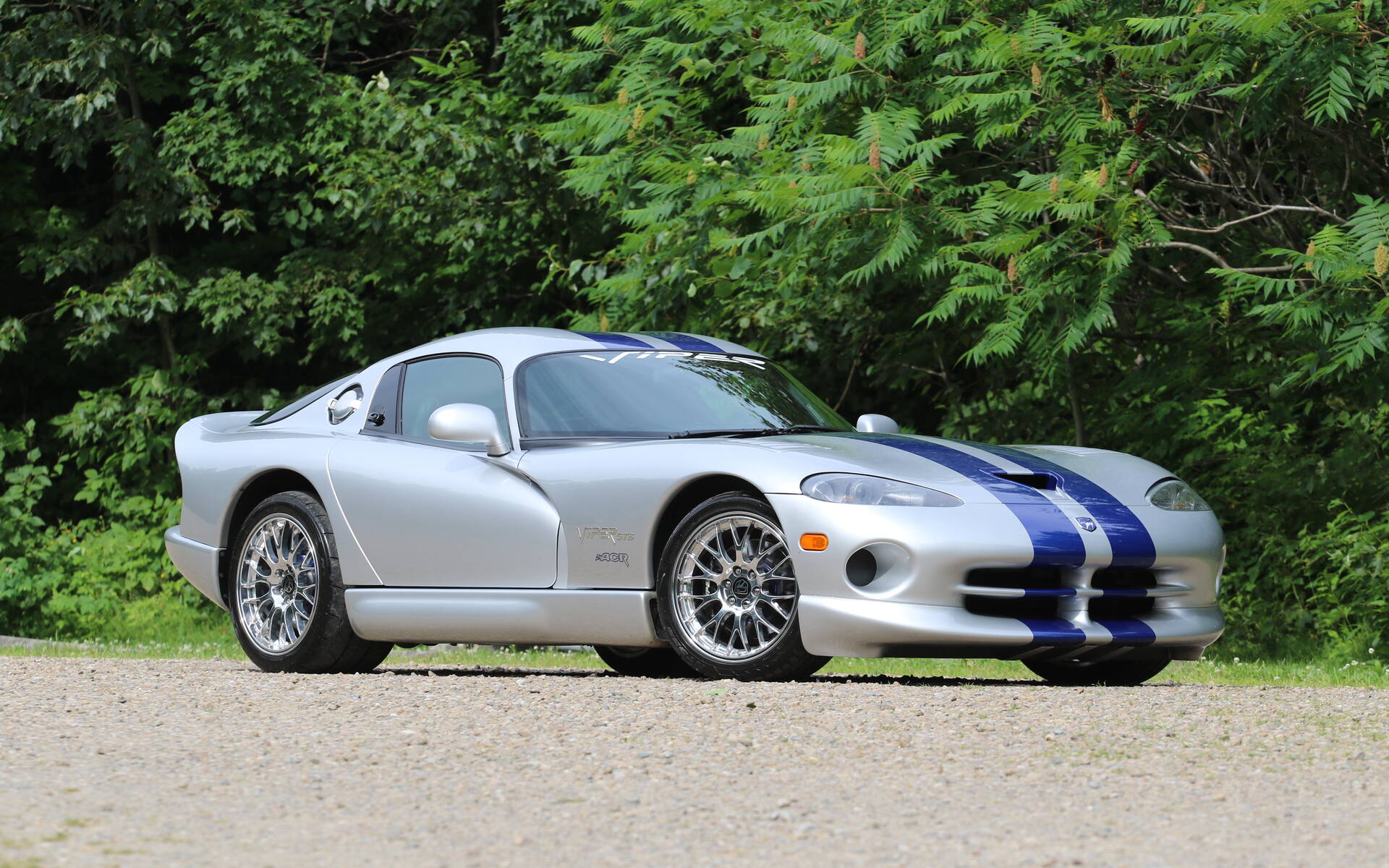
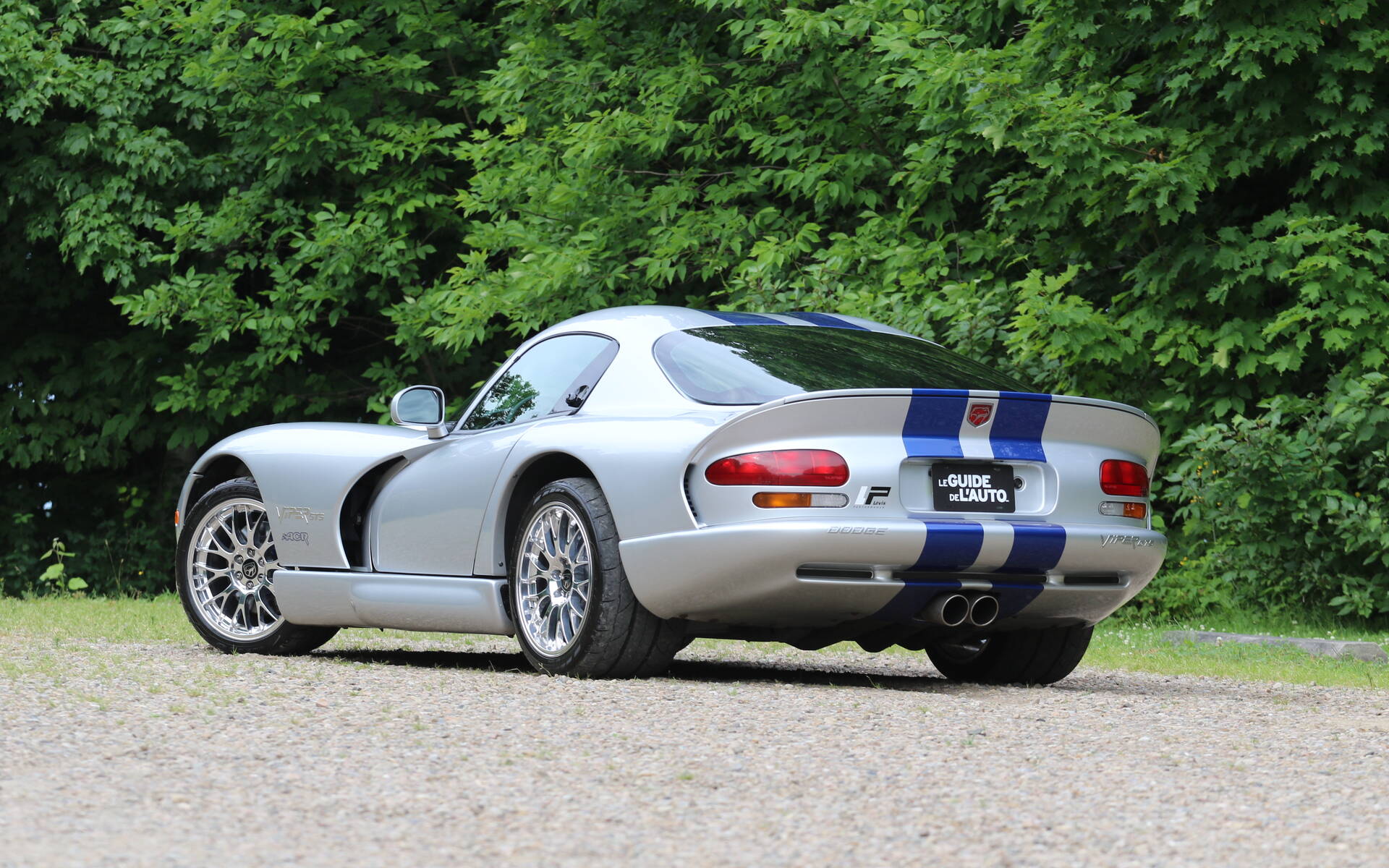
The car you see here is a 1999 Dodge Viper GTS, but unlike most others, this one is an ACR model—the sharpest and most hardcore Viper available at the time. It was designed to celebrate the Viper GTS-R's victory in the GT2 class at the 24 Hours of Le Mans in 1998. Unique features include custom 18-inch BBS wheels, Koni shocks with custom springs and five-point seat harnesses. The massive 8.0-litre V10 also gained a modest 10 horsepower and 10 lb-ft of torque for a total of 460 horsepower and 500 lb-ft.
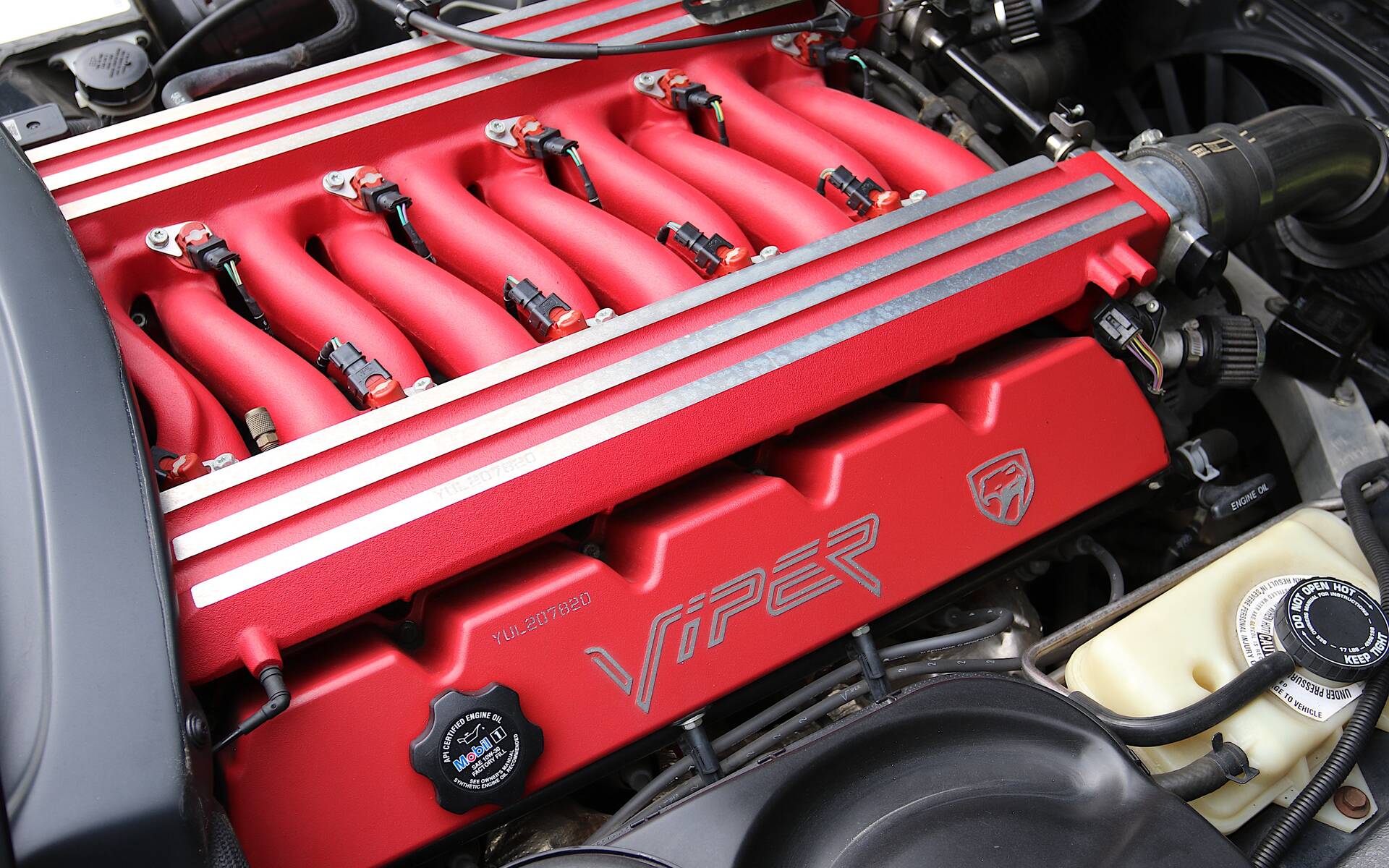
With such a wide and ground-hugging stance, the car remains as intimidating as ever. When opening the door, the large sill requires some contortions in order to get in. Fit and finish is clearly not a highlight, as the Viper borrowed some controls from cheaper Chrysler Group vehicles. The centre console is huge, with a big shifter planted on it, while the steering wheel requires you to stretch your arms a little. Luckily, the adjustable pedals help in finding a decent driving position.
We found the seats quite supportive, but needed some time to get used to the Viper’s unusual pedal placement (offset to the left) and the missing dead pedal. The aluminum-block V10 fires up with a deep and loud growl. We expected city driving to be a living hell, but the Viper turned out to be surprisingly civilized. Sure, visibility out the back is limited and the turning circle compares to a Boeing 747’s, forcing you to pay extra attention on the road. On the bright side, the clutch is rather smooth, the shifter is fun to play with and steering is nicely calibrated.
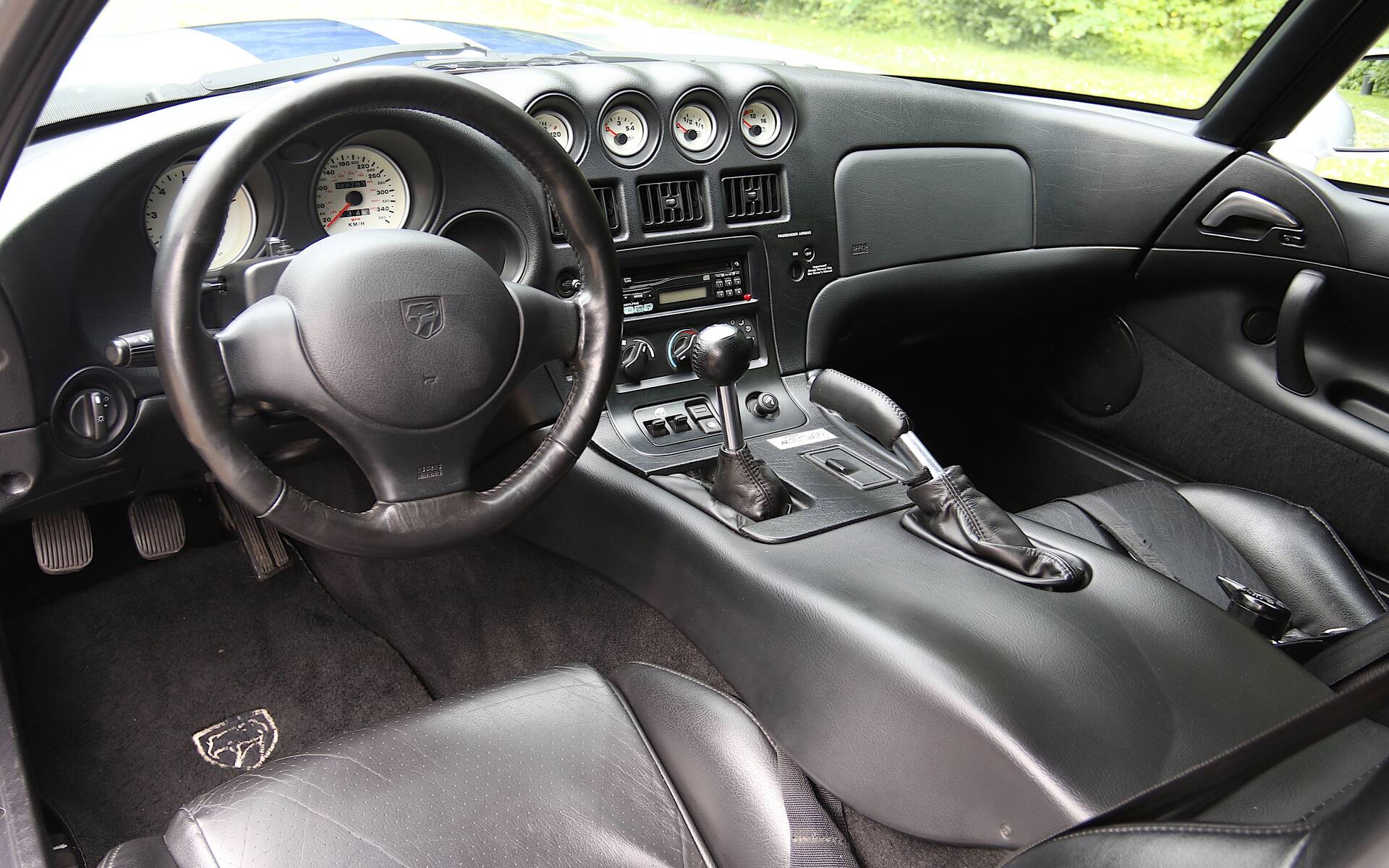
The Viper GTS ACR has so much low-end torque that you can launch the car from idle without even touching the throttle. In first and second gear, you have to be mindful of the engine's brute force. In fact, it’s best to use the right pedal with just one toe. With more torque than power on tap, the V10 shines from 1,500-4,000 rpm, after which it fades quite a bit—kind of the opposite of Honda’s VTEC engines.
Out on the open road where speed limits apply, the Viper GTS ACR is so potent and the gear ratios are so long that you could use only four of the six forward gears. Since the car has often been described as impulsive and tricky, we admittedly had some apprehension at first. And let’s not forget that there are no electronic nannies to keep it in check on wet pavement or a race track.
Yet, by showing the restraint driving a powerful RWD sports car commands, we were able to appreciate its truck-like torque, precise steering and good agility (considering its size). As incredible as it may sound, a manual Dodge Challenger SRT Hellcat Redeye blessed with ABS and traction control proves much more intimidating and demanding to drive than a Viper. It just goes to show that looks can be deceiving.
We would like to sincerely thank owners Mathieu Ziska and Dominique Ziska for agreeing to let us drive their immaculate Dodge Viper GTS.