2025 Mitsubishi Outlander PHEV: Proud Pioneer Now In For a Fight
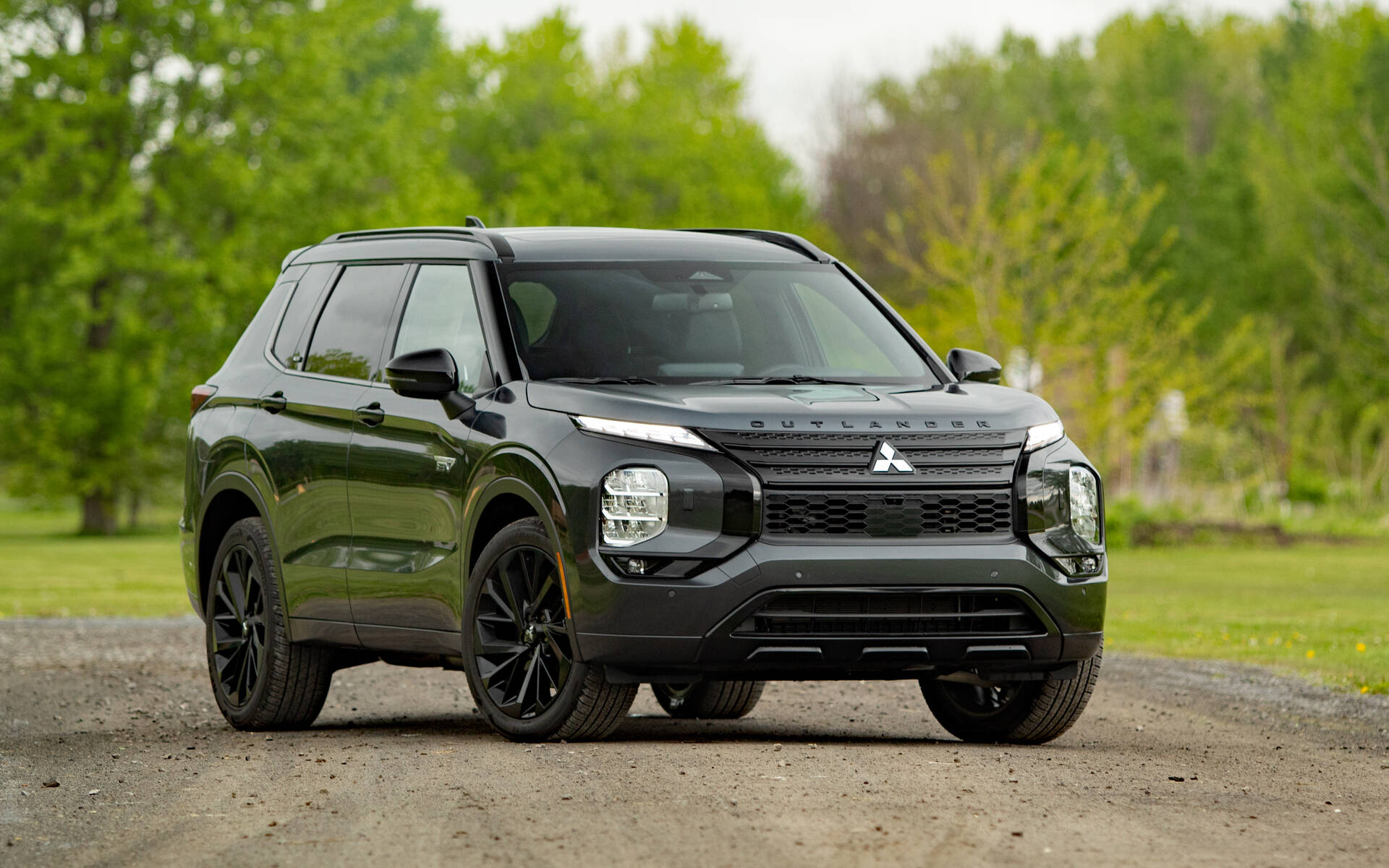

Mitsubishi revolutionized the compact SUV segment in 2018 with the introduction of the first plug-in hybrid utility vehicle. Since then, many competitors have followed suit, and the technology is largely seen as a gateway to full electric mobility. It’s no surprise that the Outlander PHEV sold nearly 15,000 units in Canada in 2024, up 44.2 percent from the previous year.
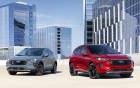
The second generation of the Outlander PHEV debuted for 2023. Two years later, a new SE model that slots between the entry-level ES and mid-level LE models joins the lineup, adding some unique design cues and convenience features like a panoramic sunroof, trizone climate control, heated steering wheel and wireless charging for smartphones.
Read also
- Mitsubishi Details Changes for 2026 Led by Updated Outlander PHEV
- Top 10 Plug-in Hybrids With the Longest EV Range in 2025
More changes are in store for the 2026 model year, which you can learn about here. The first units are scheduled to land in Canada this winter, and Mitsubishi will provide further details at that time. For now, we’ll share our impressions of the 2025 Outlander PHEV Black Edition—priced at $62,548 including freight and delivery. If you're more interested in the gas-powered 2025 Outlander, we have a review of that one, too.
Agile and Comfortable
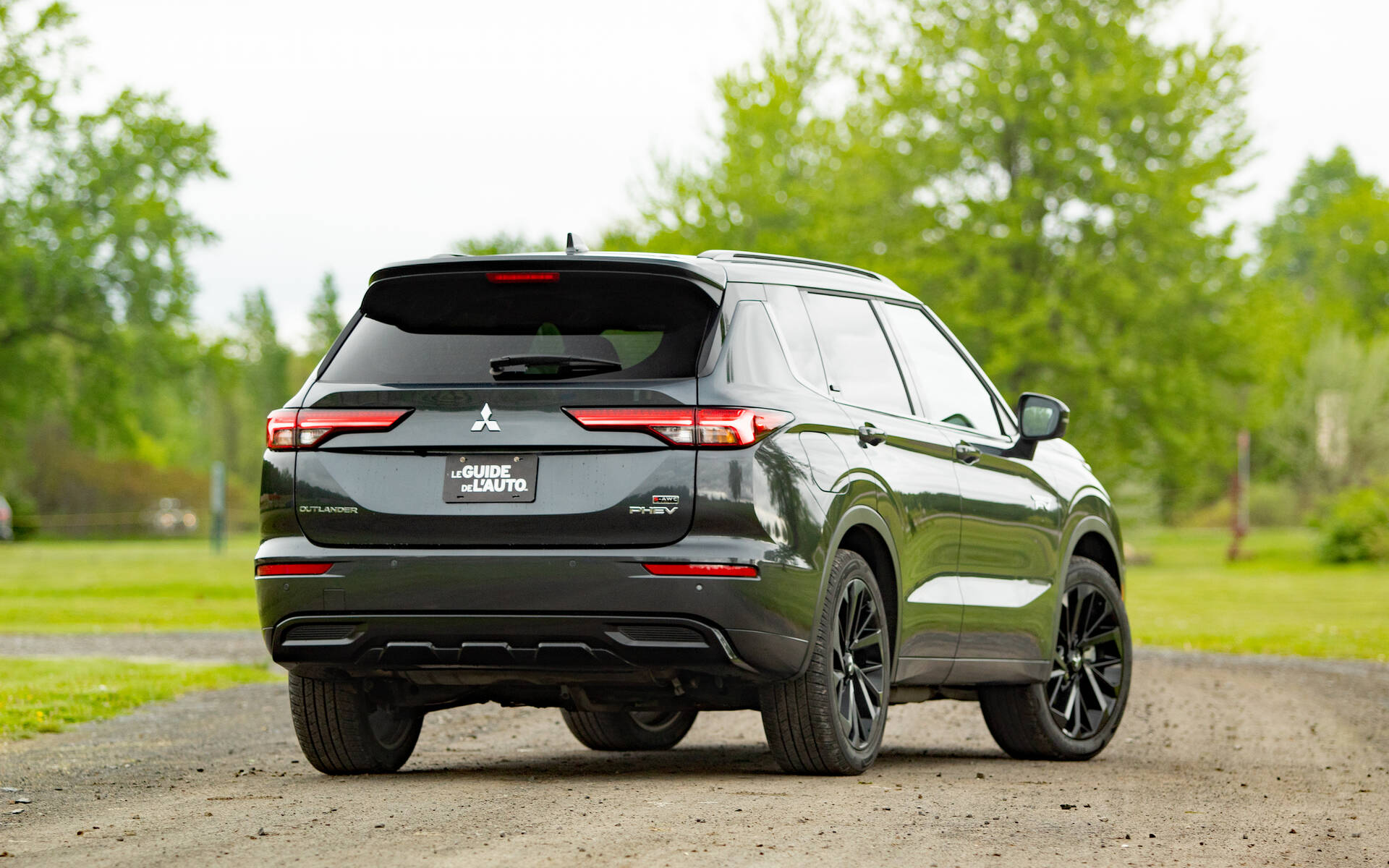
Despite its large size by compact SUV standards, the Outlander PHEV is easy to drive thanks to its generous greenhouse and capable all-wheel drive system. The latter offers seven drive modes to adapt the SUV's handling, whether it's for tackling snow, sand, gravel or more. Such versatility is really appreciated, as the vehicle can go from docile to playful in a second. Heck, even drifting enthusiasts will find something to like. Steering is a bit over-assisted yet precise.
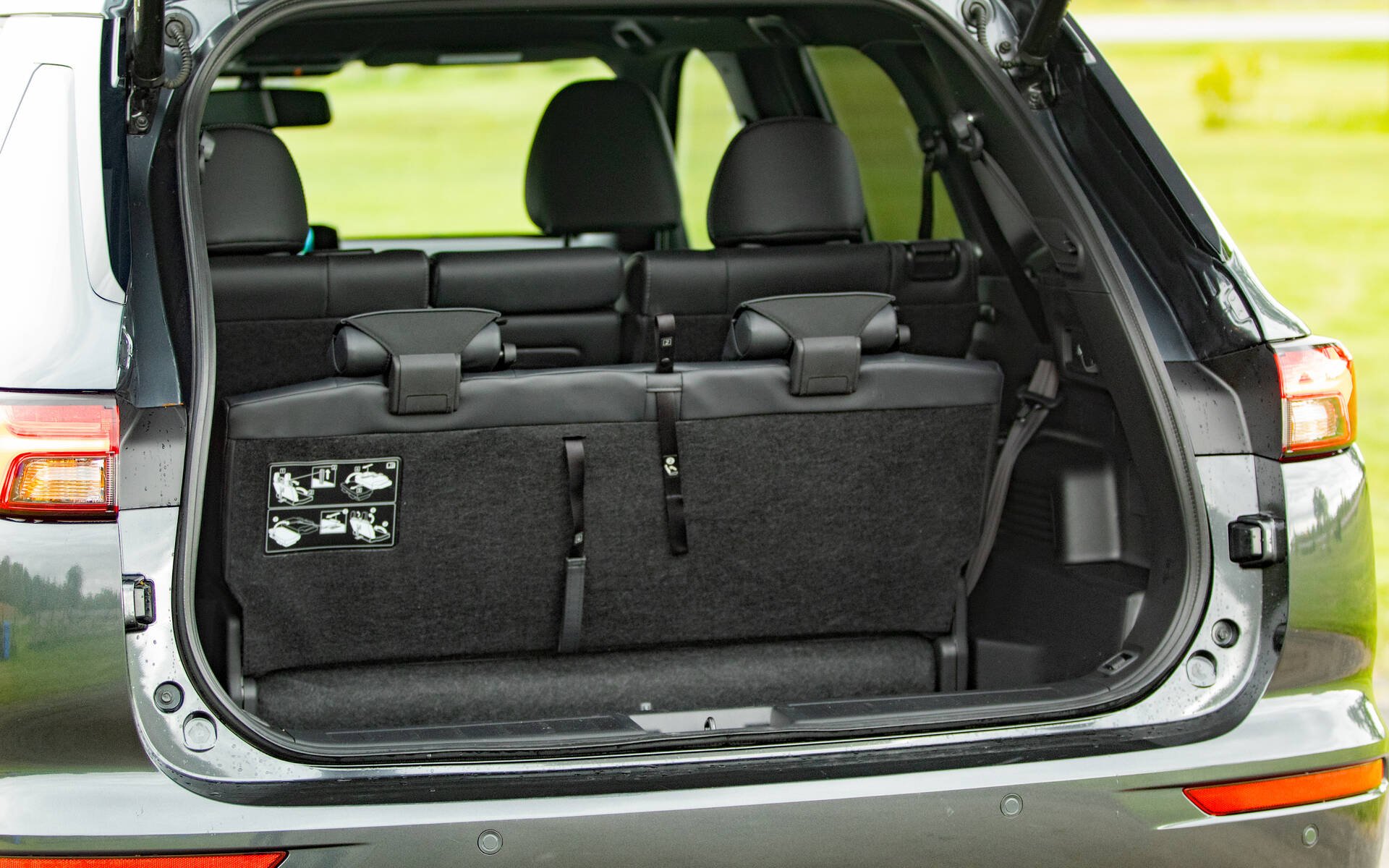
The ride is smooth thanks to the suspension’s ability to adequately absorb road imperfections. And that’s despite the available 20-inch wheels. The front-row seats provide ample comfort, contributing to a superb driving position. The second row is very spacious, but the same cannot be said about the cramped third row, which should only be used in a pinch. Incidentally, we noticed that the rear bench seat doesn’t fold perfectly into the trunk and thus tends to bounce when driving over speed bumps, for example.
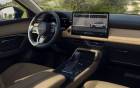
Facing the driver, the configurable digital instrument cluster looks busy and somewhat dated. We encountered a few minor issues during our test drive, such as mysterious and sudden drops in the power meter and fuel gauge, or a time zone change after refueling. Not only that, but the battery range and fuel tank indicators are reversed from their actual position under the body. A proper revision is in order.

Meanwhile, the infotainment system proves easy to use, although some functions and settings related to the Outlander PHEV’s electric hardware are more or less intuitive to use.
Overall, the interior design is far from the cleanest around, but refinement and ease of use are definitely part of the mix. Material selection, fit and finish all deserve praise even though styling isn't particularly inspiring.

Difference-Making Fuel Economy
On the centre console, next to the gear selector, are buttons for selecting the desired powertrain mode. On its own, the naturally aspirated, 2.4-litre four-cylinder engine lacks spirit, producing a modest 131 horsepower and 144 lb-ft of torque. However, when combined with the two electric motors, total output increases to 248 horsepower along with 332 lb-ft, which is much more decent. Performance is adequate, but not thrilling.
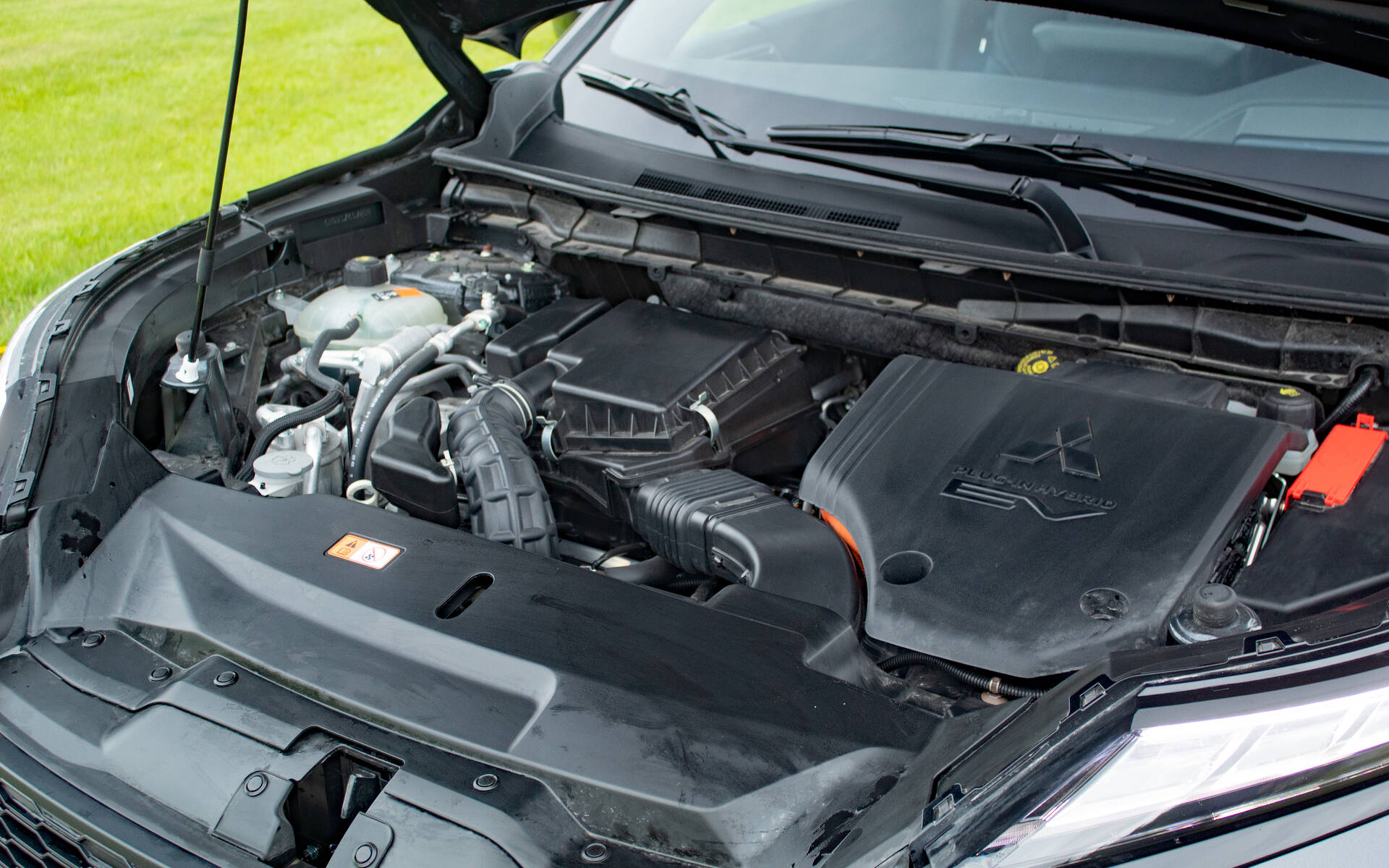
Using the EV mode, we achieved a maximum range of 52.4-64.4 km, which is quite good. In fact, upon returning our press vehicle after a final, full charging session, the onboard computer indicated a range of 69 km. How about that? Overall, we recorded an average of 2.9 L/100 km and 23.8 kWh/100 km. Fuel economy in hybrid-only operation (around 9 L/100 km) could be better, mind you.
When it comes to charging, a 240V home charging station can top up the high-voltage battery in 6.5 hours. Right next to the J1772 port for level-2 charging is a CHAdeMO port for DC fast charging. Using the latter, the Outlander PHEV can go from 0-80 percent battery charge in 38 minutes. The problem is that CHAdeMO-compatible chargers are few and far between, at least here in Canada. Remember, this Mitsubishi SUV comes from Japan like the Nissan LEAF, which famously popularized CHAdeMO technology after launching over a decade ago.

One more thing: the Outlander PHEV can charge its battery using the gasoline engine as a generator. The process takes approximately 1.5 hours (94 minutes from 0-80 percent) but naturally increases fuel consumption.
Once a Leader, Always a Leader?
The 2025 Mitsubishi Outlander PHEV offers a wide range of models including ES (MSRP starting at $48,698), SE ($50,798), LE ($52,998), SEL ($55,798), GT ($58,098), GT Premium ($58,798) and Black ($60,598). Provincial zero-emission vehicle incentives may apply, but the federal government’s own incentive, which ended on January 13, has yet to return.
As always, Mitsubishi is known for its generous coverage including a 5-year/100,000km limited vehicle warranty and 10-year/160,000km powertrain warranty.
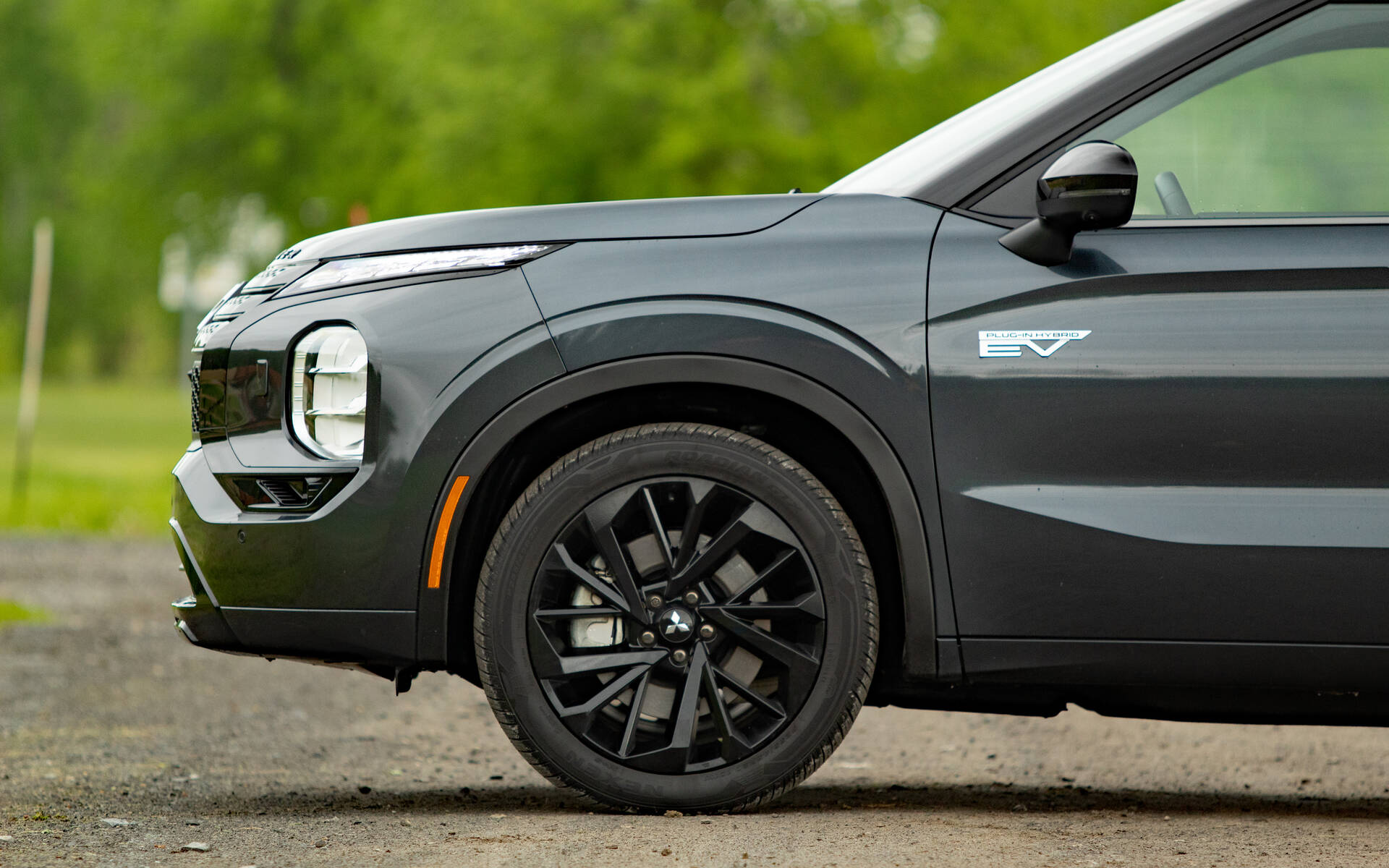
At the end of the day, the Outlander PHEV offers numerous benefits, from superior versatility to excellent dependability, plus class-leading warranties. It remains a competitive product in the plug-in hybrid compact SUV segment. And don’t forget that the 2026 update due early next year will bring fresh exterior and interior styling, an available Yamaha audio system and other amenities.
By that time, however, the Toyota RAV4 will be all-new, and its plug-in hybrid models promise to increase pure electric range from 68 to 80 km and maximum towing capacity up to 3,500 lbs (1,500 lbs for the Outlander PHEV). This is likely going to hurt the big Mitsubishi, but as long as the company has units readily accessible at dealerships, the proud PHEV pioneer is bound to maintain its success versus the competition.