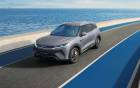
We Took a Closer Look at the 2026 Nissan Leaf


The Nissan Leaf set a standard when it was introduced in 2011, paving the way towards electrification for thousands of motorists and inspiring other manufacturers to embark on the electric adventure. However, this once-innovative standard has lost its lustre in recent years, caught up in the turmoil of Nissan's political and financial setbacks, while inheriting timid updates and being surpassed by rivals. Despite its conservative nature throughout the years, the Leaf has remained reliable.
It was sold in more than 700,000 units, and now Nissan has given it a completely new form, that of an SUV mandated to adapt to the needs and realities of today's market. "The Ariya remains the flagship, with all-wheel drive and the bigger battery. But the Leaf also brings new technologies to Nissan, such as motorized door handles and the NACS charging port, which should be found on the Ariya in the future," Andrew Harkness, Director of Dealer Network Development, Product Planning, Electrification and Corporate Strategy at Nissan Canada, told us when we got a close-up look at the new Leaf during a quick presentation at Nissan headquarters.
Read also
Smaller, Against All Odds!
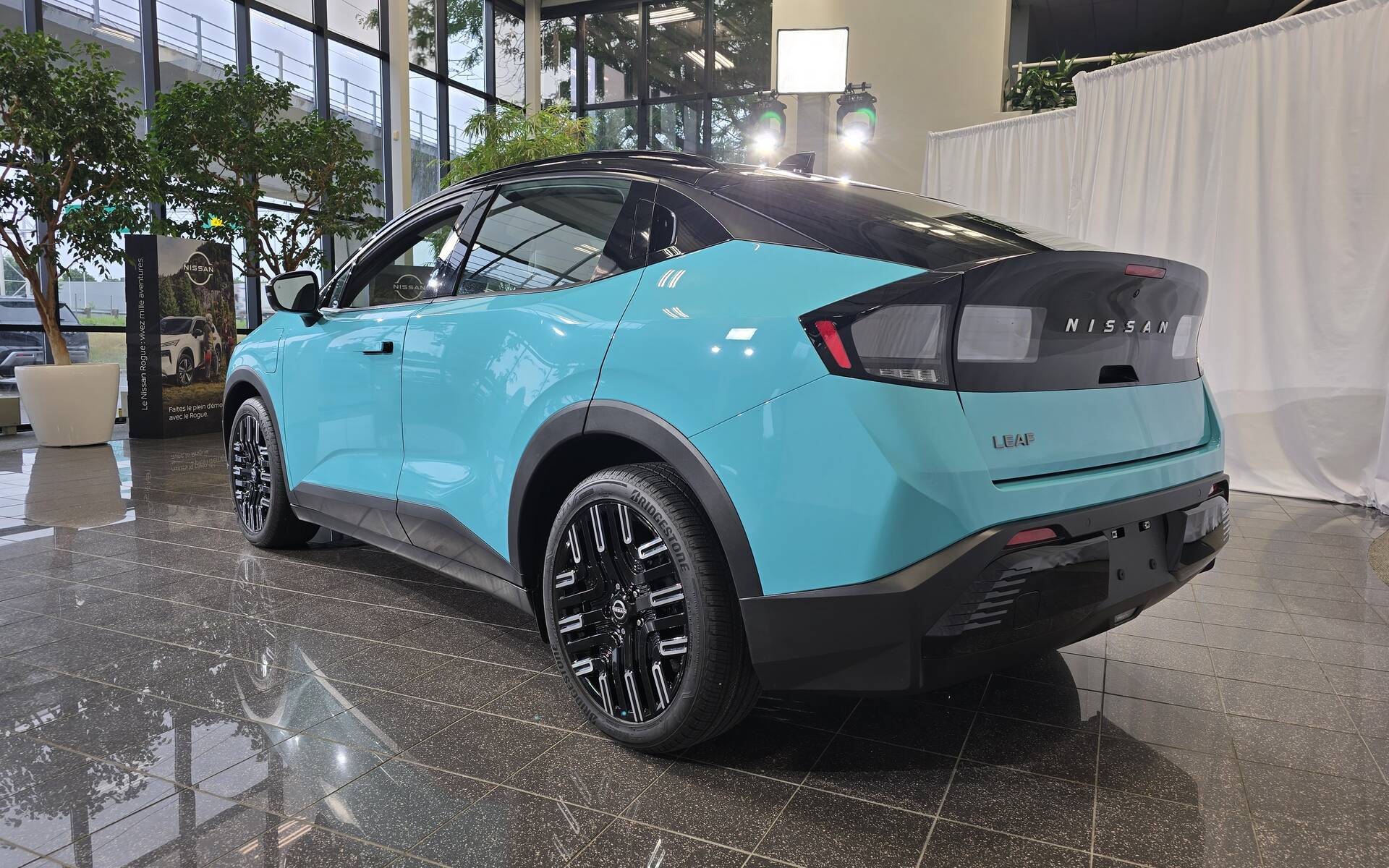
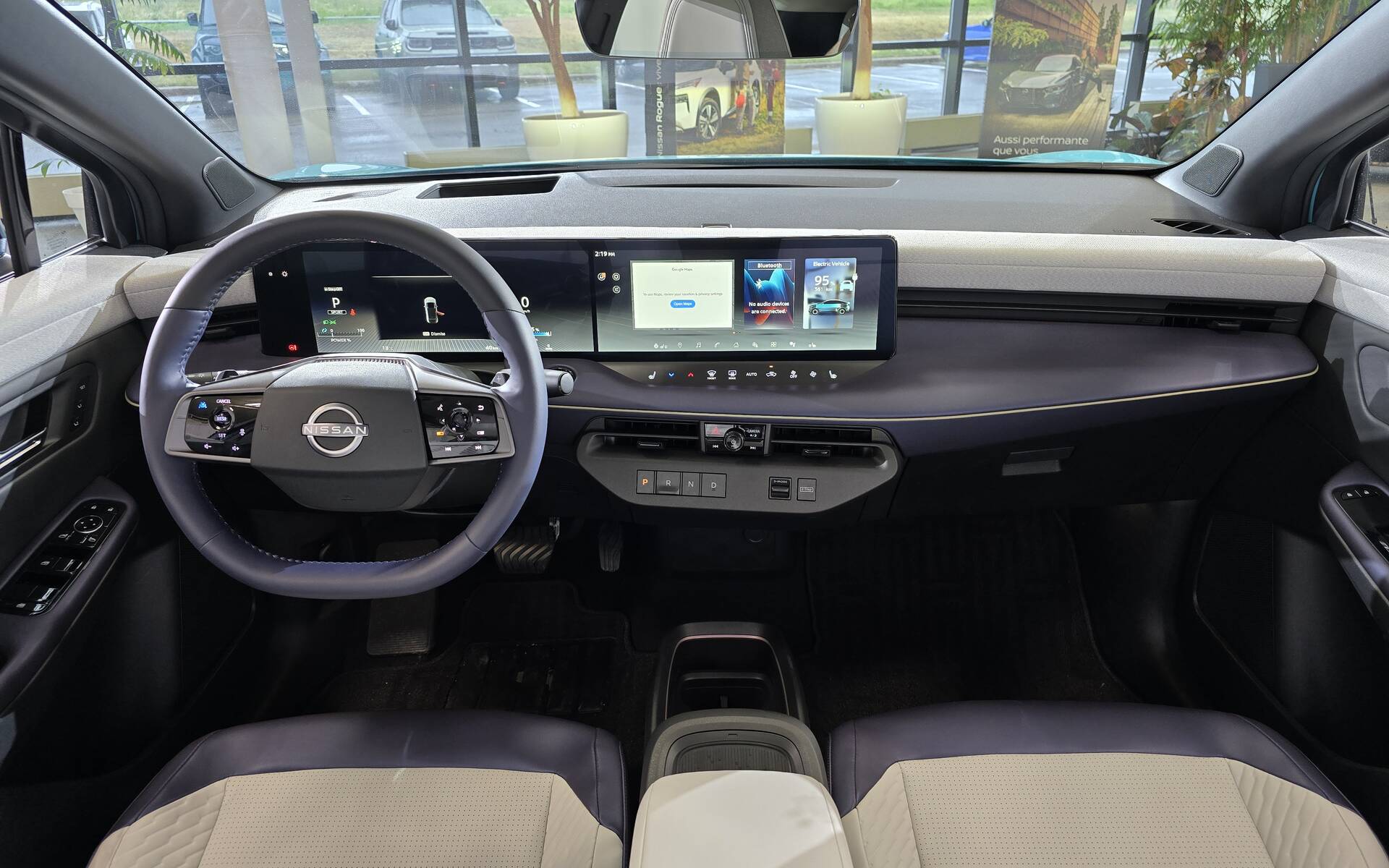
If, at first glance, the Nissan Leaf 2026 looks bigger in its new SUV form, it's important to point out that it's now smaller in size. It is 77 mm shorter and 10 mm lower. On the other hand, the Leaf has gained 21 mm in width... and weight! It now tips the scales at 1,802 to 1,991 kg depending on version, an average gain of 200 kg compared to the outgoing model. Inside, the new Leaf offers 100 mm more headroom for rear passengers, with similar legroom from the outgoing model. However, cargo volume has been considerably reduced, from 668 to 566 litres. With its Ariya-inspired dashboard, the Leaf offers a considerable technological evolution when compared to the outgoing model, combining a pair of 12.3-inch screens in S and S+ variants, or 14.3-inch screens in SV+ and Platinum+ models.
Up to 488 Km of Range
The 2026 Nissan Leaf uses a single motor on the front axle, developing 174 horsepower in the base S variant armed with a 53 kWh battery, and 214 horsepower in the S+, SV+ and Platinum+ variants armed with a 75 kWh battery. Nissan promises a maximum range of 488 kilometres for models equipped with the largest battery. These electron packs boast a charging power of up to 150 kW (compared with just 100 kW for the outgoing model), enabling the vehicle to go from 10% to 80% in just 35 minutes.
According to Nissan, the battery's thermoregulation system is now better adapted to cold temperatures, as is the energy-efficient heat pump. Fun fact: cold weather testing for the new Leaf was done right here, in Canada!
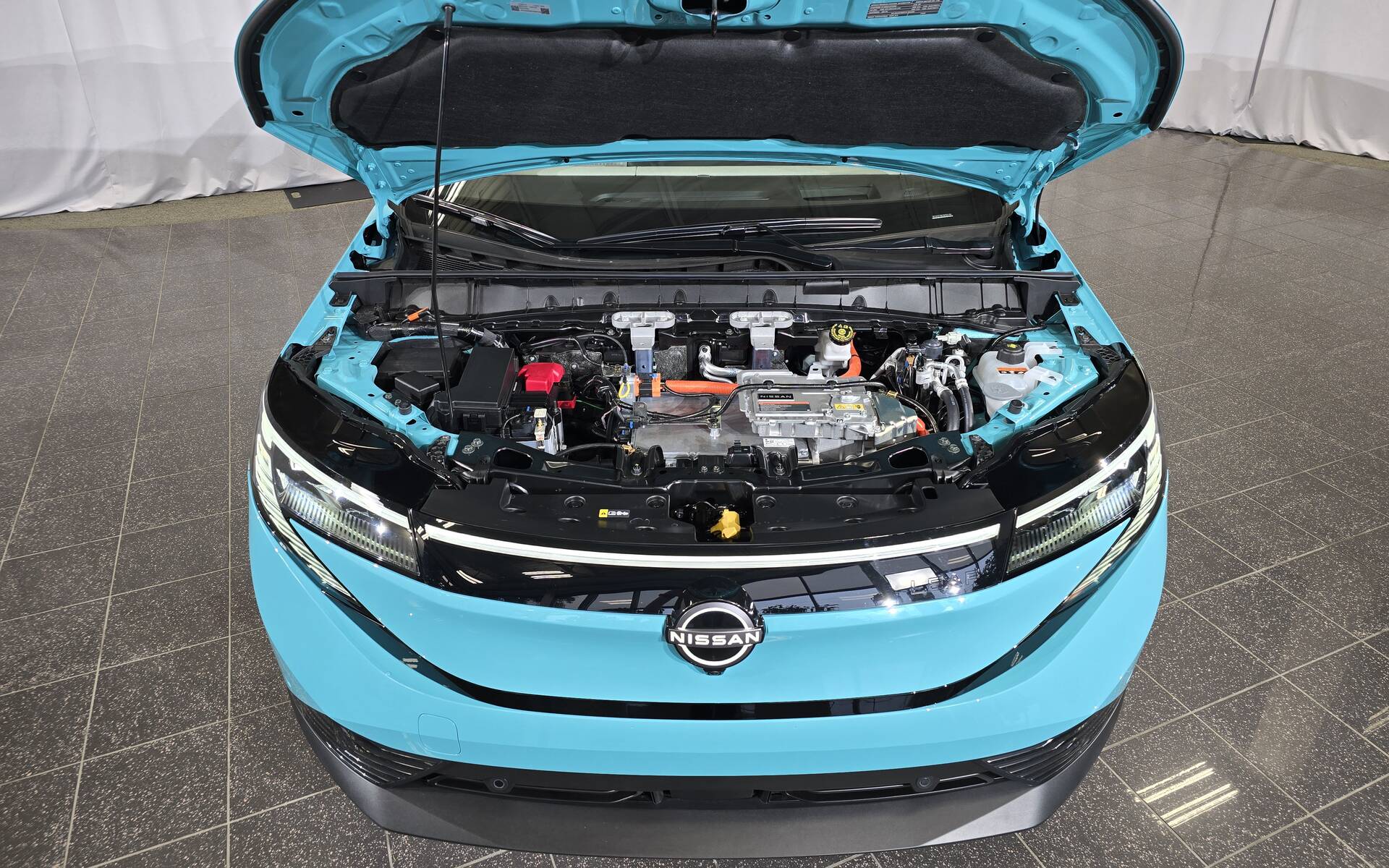
Two charging ports are installed on the vehicle: an NACS port for access to Tesla's superchargers, and a J1772 port for Level 2 charging at home or in the office. The outdated CHAdeMO charging port is no more! Alas, the new Leaf no longer offers a standard portable charging cable for home charging on a 120V plug.
The 2026 Nissan Leaf should arrive in dealerships this fall. Click here for pricing details, then take a look at the photo gallery from this article for up-close details of the car, and keep following The Car Guide for more information!