

Top 10 Most Fuel-Efficient SUVs in 2024
Bigger, taller and heavier, today’s SUVs are typically less fuel-efficient than similarly powerful cars, yet many people embrace them for their extra space and versatility, not to mention their higher driving position.
Consequently, demand for SUVs will continue to be strong for the foreseeable future, but gas prices won’t get any cheaper. Without further ado, here are the 10 most fuel-efficient SUVs on sale in Canada in 2024 based on Natural Resources Canada ratings. Naturally, they’re all hybrids. How many can you think of?
Read also
- 2025 Hyundai Tucson Prices Go Up, Especially for the Hybrids
- 2025 Toyota Crown Signia: We’ve Found the Perfect Road Trip Car
Note: We’ve excluded the Toyota Venza since it’s not returning for the 2025 model year.

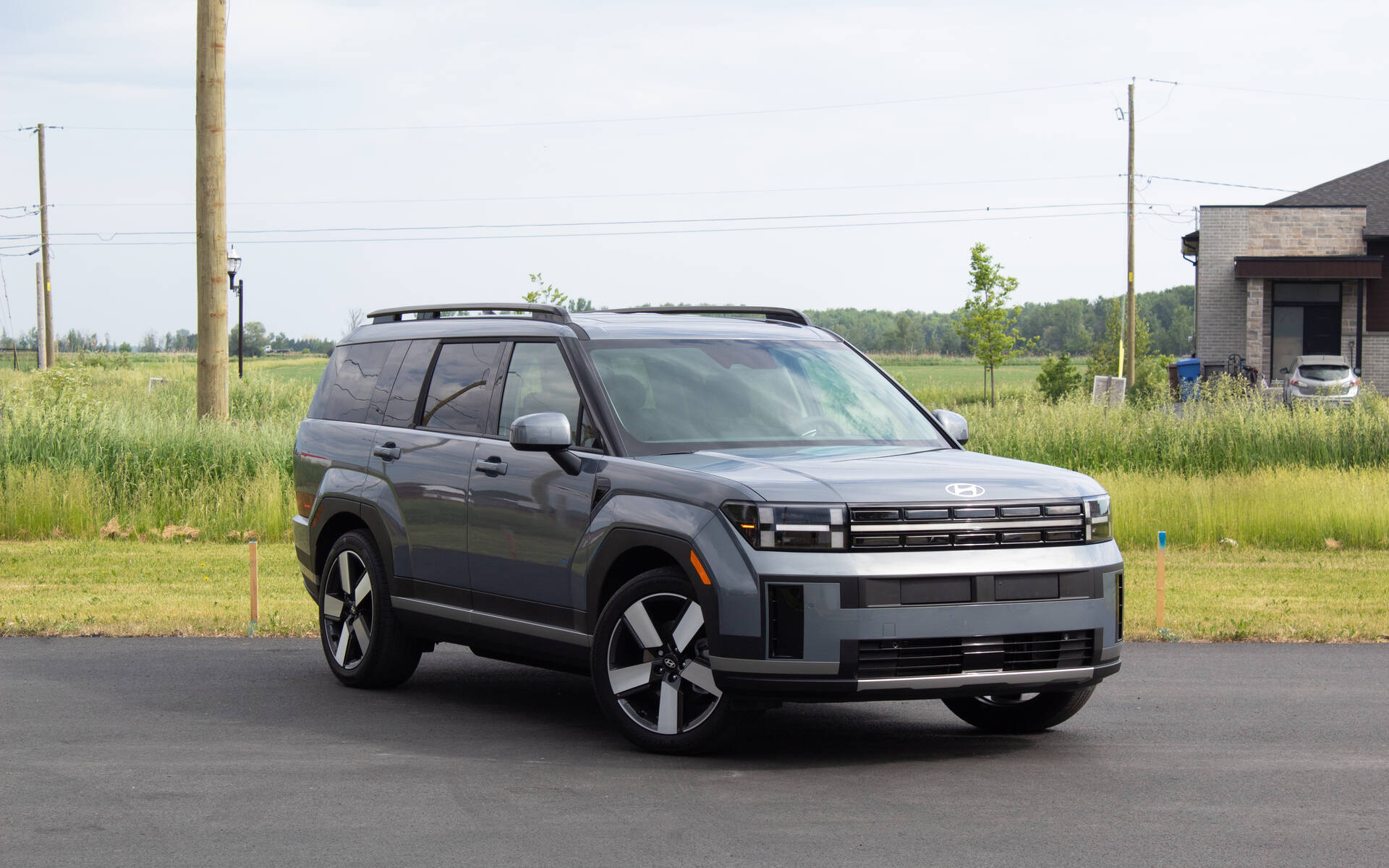
10. Hyundai Santa Fe Hybrid (6.9 L/100 km)
Hyundai’s completely redesigned Santa Fe makes a bold visual statement and now comes with standard three-row seating. A hybrid powertrain (231 horsepower) drives the two entry-level models, plus the Canadian-exclusive NHL Edition.

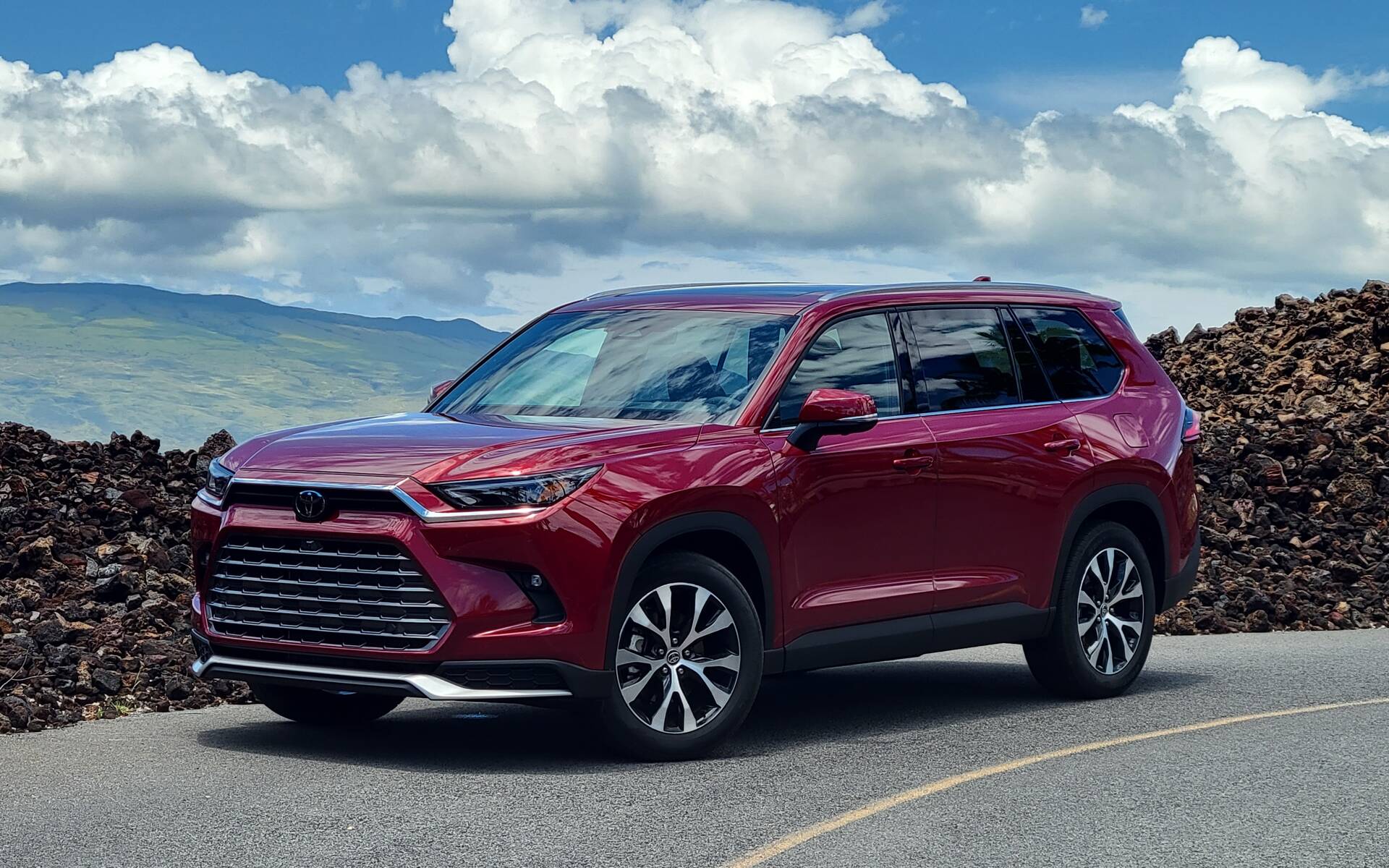
9. Toyota Highlander Hybrid and Grand Highlander Hybrid (6.7 and 7 L/100 km, respectively)
You get a lot of space for the price with the Hyundai Santa Fe, but the Toyota Highlander is a bit more fuel-efficient and more capacious. It also offers excellent dependability and residual value. The larger and boxier Grand Highlander, which is a brand-new addition for 2024, is even better suited for large families with more generous room in the second and third rows.

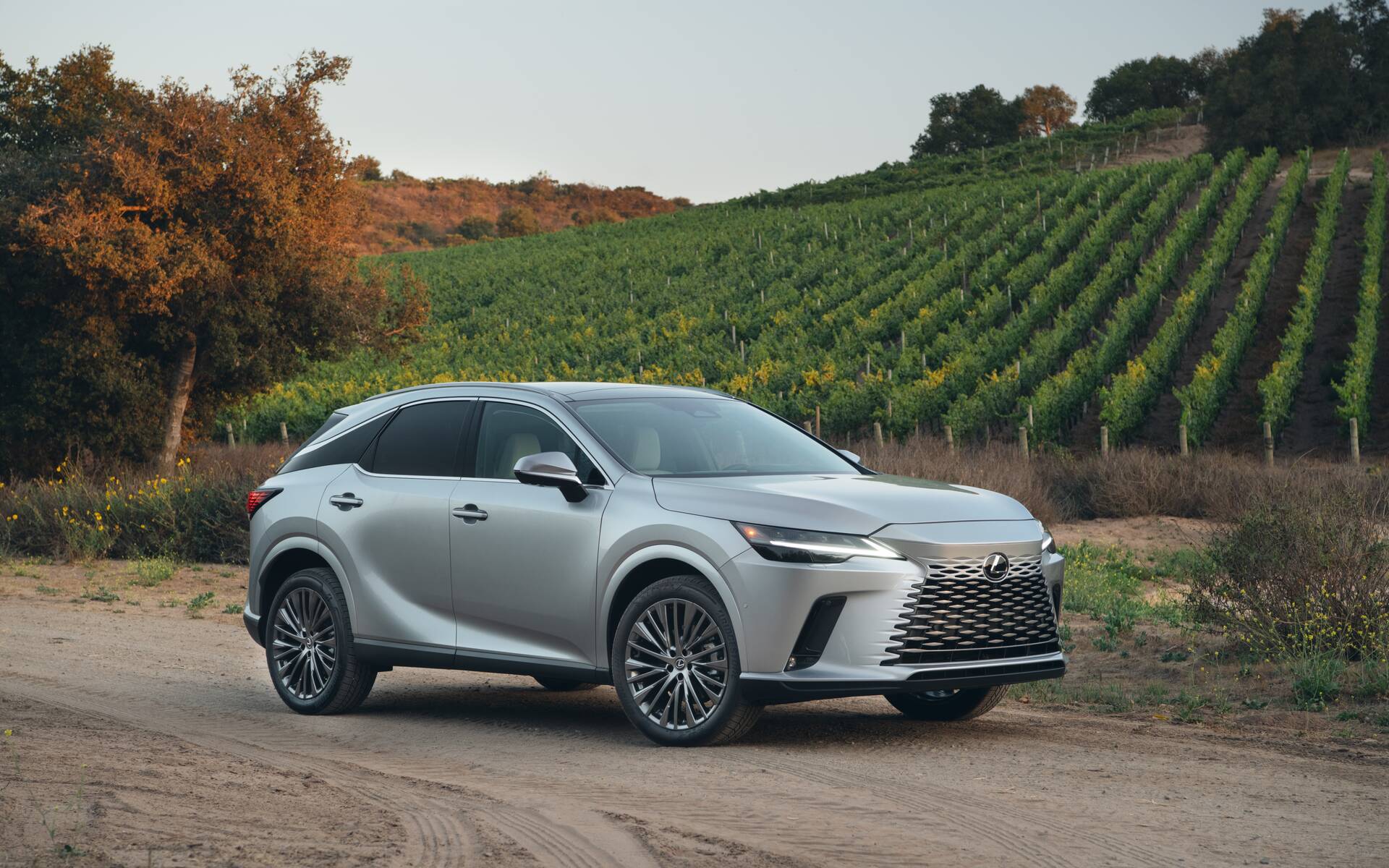
8. Lexus RX 350h (6.5 L/100 km)
Proudly built in Canada, the Lexus RX sold 11,169 units in the country last year thanks to a sweet combination of reliability, comfort and refinement, as well as a wide selection of powertrains. The RX 350h (246 horsepower) achieves a remarkable 6.5 L/100 km in combined city-highway driving, while the more potent RX 500h (366 horsepower) is rated at 8.6 L/100 km. Simply put, the RX is the most frugal midsize luxury SUV on the market. But wait, more Lexus hybrids are coming in this top 10…

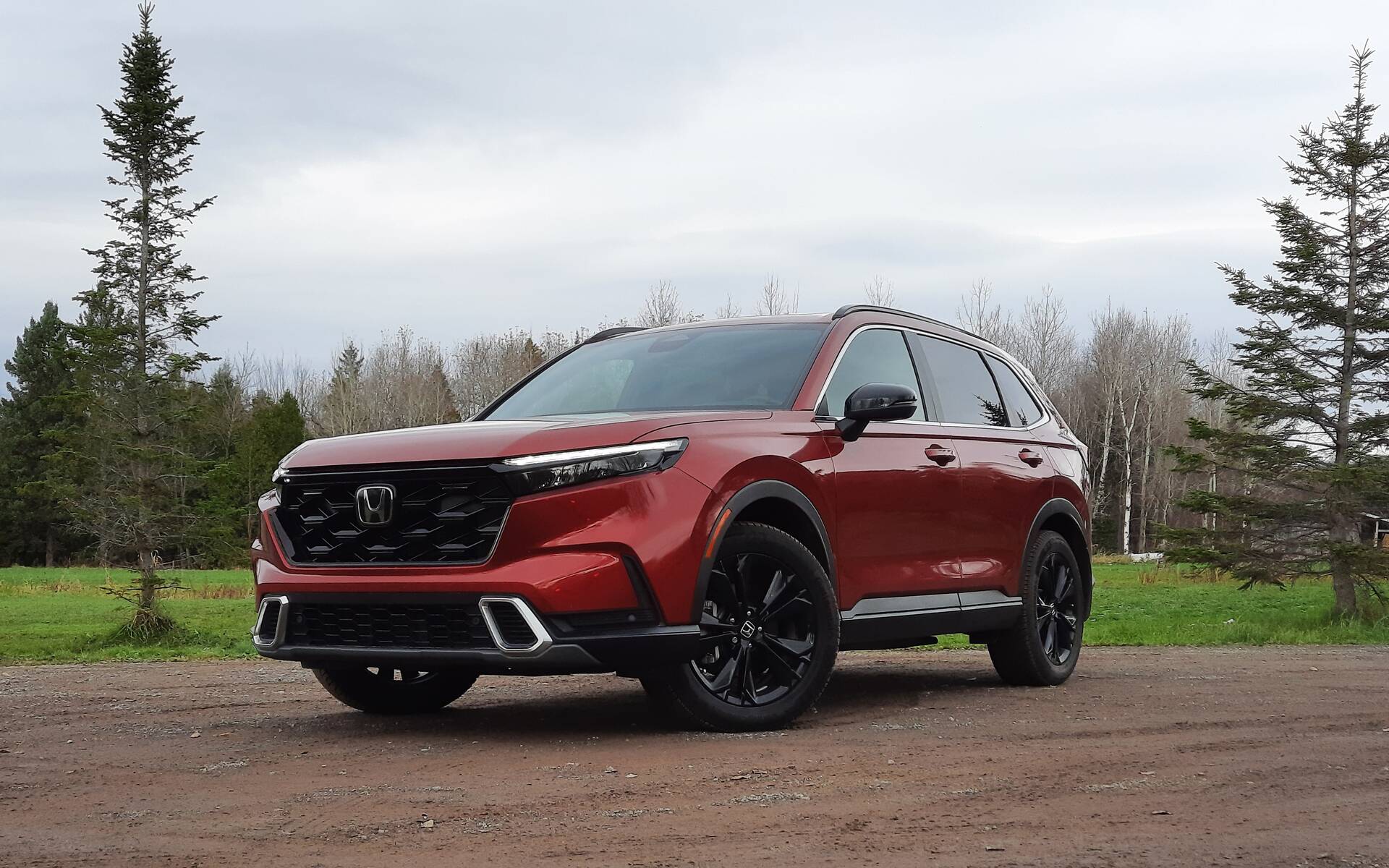
7. Honda CR-V Hybrid (6.4 L/100 km)
The new CR-V Hybrid has been widely criticized for its high price, but inflation across the industry has since closed the gap with a number of rivals. In addition to being pretty expensive, this Honda SUV is a favourite of car thieves in Canada. However, when it comes to efficiency, it’s hard to ignore the outstanding fuel rating above.

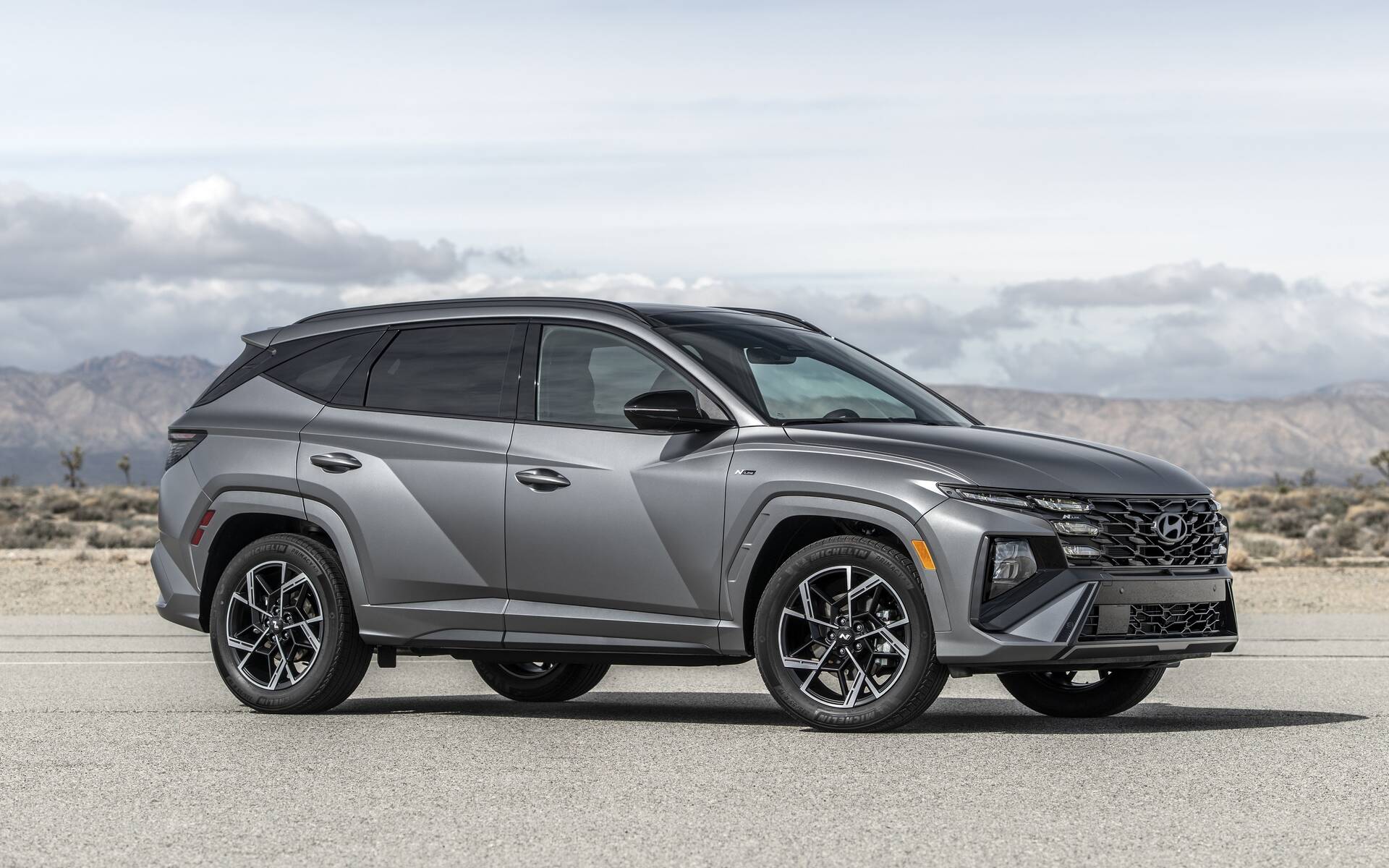
6. Kia Sportage Hybrid and Hyundai Tucson Hybrid (6.2 and 6.4 L/100 km, respectively)
Instead of using a naturally aspirated four-cylinder engine and a CVT like most hybrids, the two Korean SUVs (and mechanical twins) rely on a turbocharged mill and six-speed autobox. This makes them more powerful and smoother than a Toyota RAV4 Hybrid, for example, but also a bit less efficient. For 2025, the Tucson benefits from a mid-cycle update that significantly increases its price.

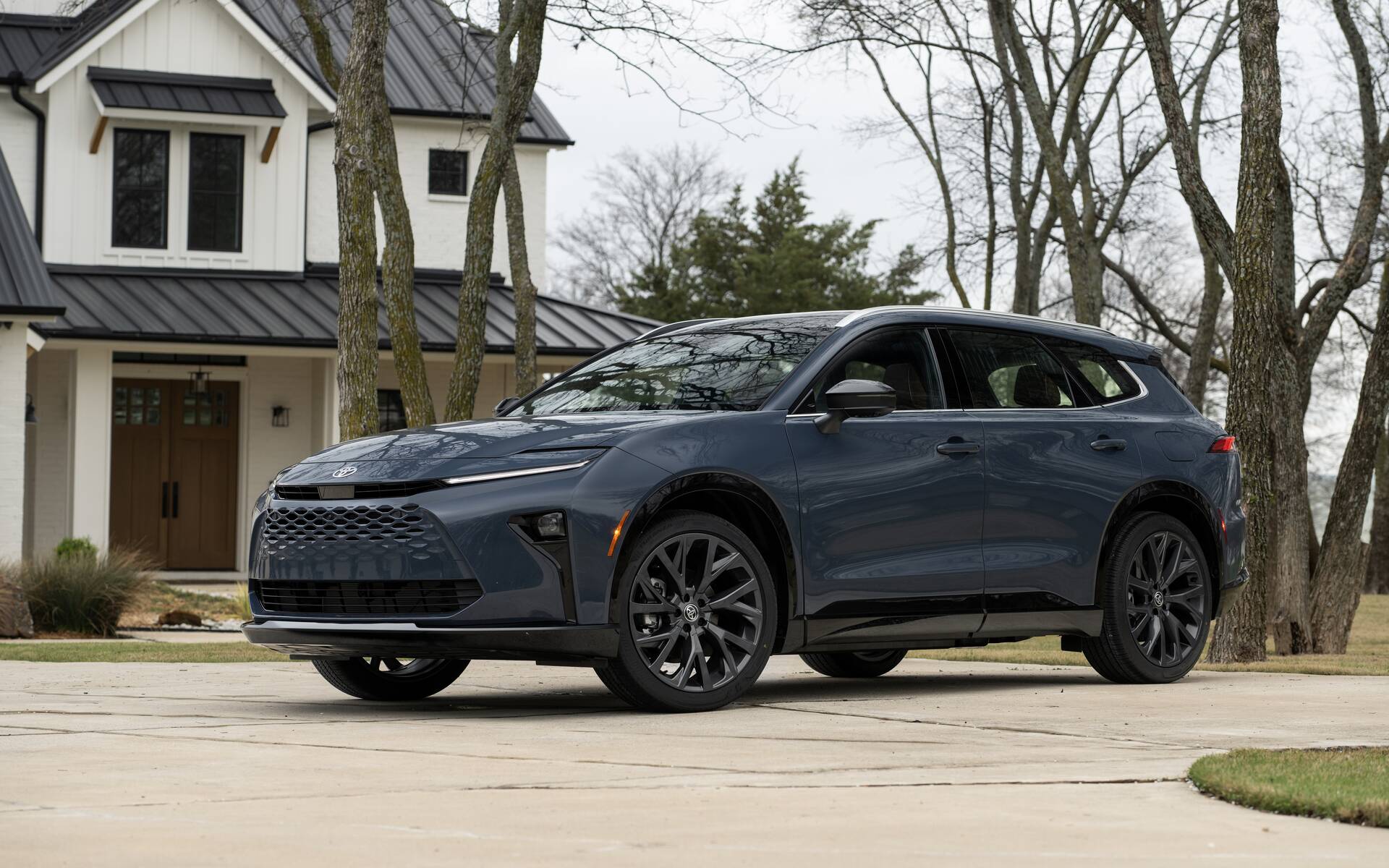
5. Toyota Crown Signia (estimated 6.2 L/100 km)
Last year, the Toyota Venza ranked as the fifth most fuel-efficient SUV in Canada with a combined rating of 6.1 L/100 km. For 2025, it’s getting replaced by the all-new Crown Signia… which is also good for fifth place. Sharing many components with the Crown sedan, this wagon-like Toyota can tow up to 2,700 lbs and offers much more space than the Venza. Only one model is available (Limited) and it starts at $57,450.

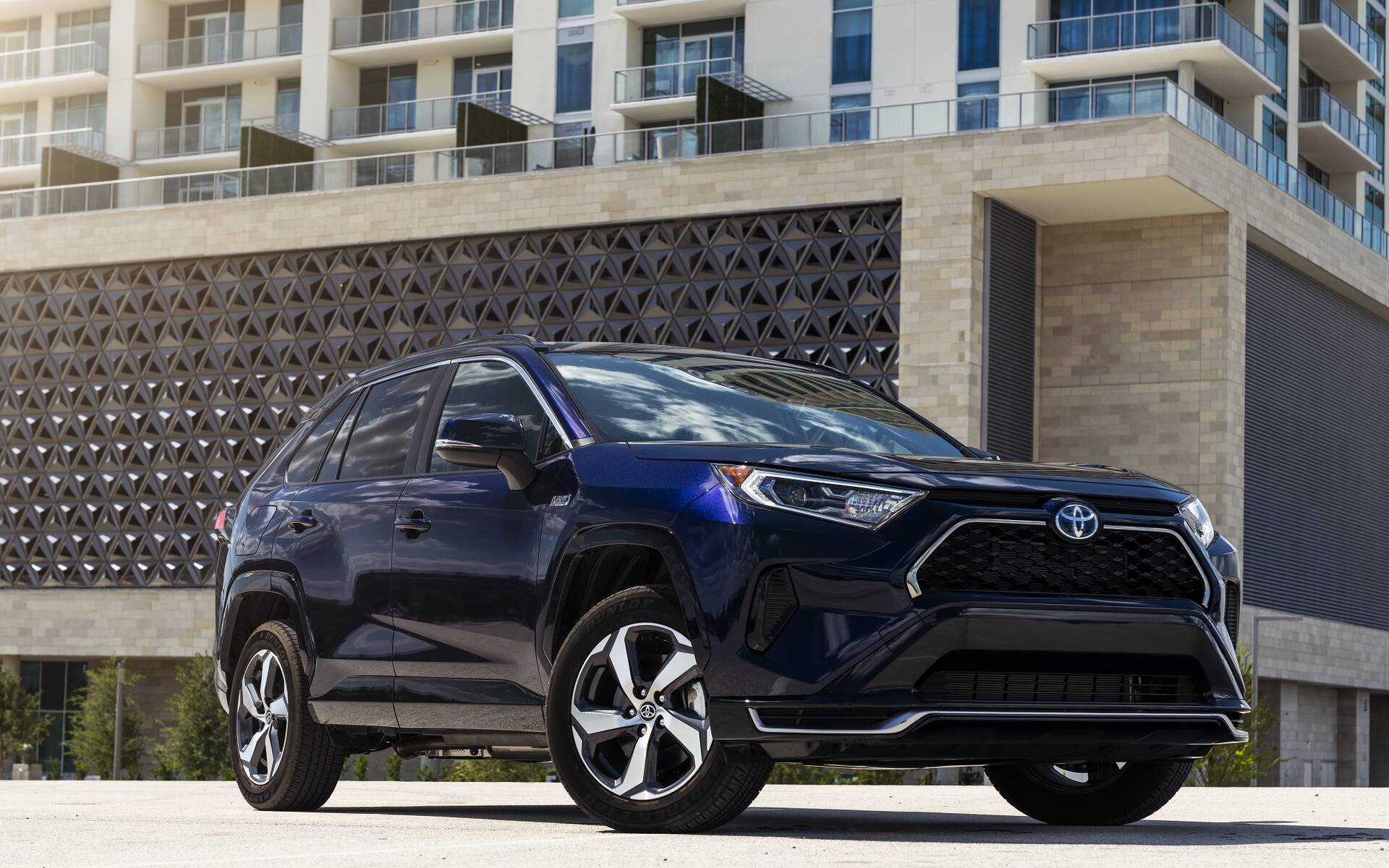
4. Toyota RAV4 Hybrid and Lexus NX 350h (6 L/100 km)
While they look different, the Toyota RAV4 Hybrid and Lexus NX 350h are based on the same platform and use the same powertrain. The former is more versatile, but the latter justifies its higher price tag with increased levels of luxury and comfort. If you don’t mind the long delivery times, the RAV4 Prime and NX 450h+ plug-in hybrids provide pure electric range of 68 km and 60 km, respectively, while being eligible to EV incentives.
By the way, the Mazda CX-50 will offer a similar hybrid system to the RAV4 Hybrid when the 2025 models arrive, achieving an estimated 6.2 L/100 km.

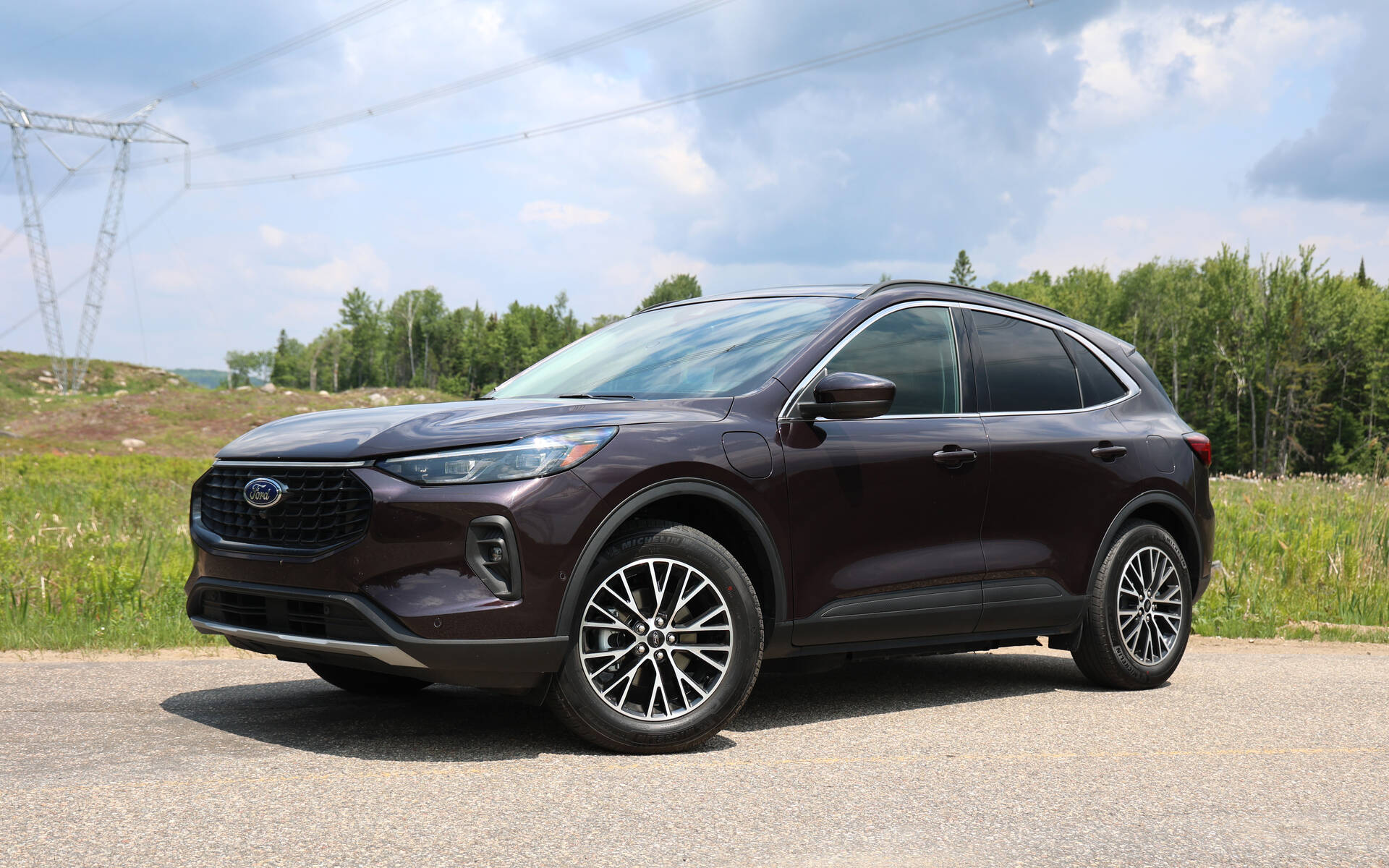
3. Ford Escape Plug-In Hybrid (5.9 L/100 km, 60 km of range)
Whether with FWD or AWD, the Ford Escape Hybrid is rated at a combined 6 L/100 km and delivers above-average handling performance. Though heavier, the Escape Plug-In Hybrid is a tad more efficient with a score of 5.9 L/100 km—that is, after it has driven for about 60 km without burning any gas. Alas, it can’t be had with AWD. Regardless of which Escape you select, beware of expensive options that affect the vehicle’s value.

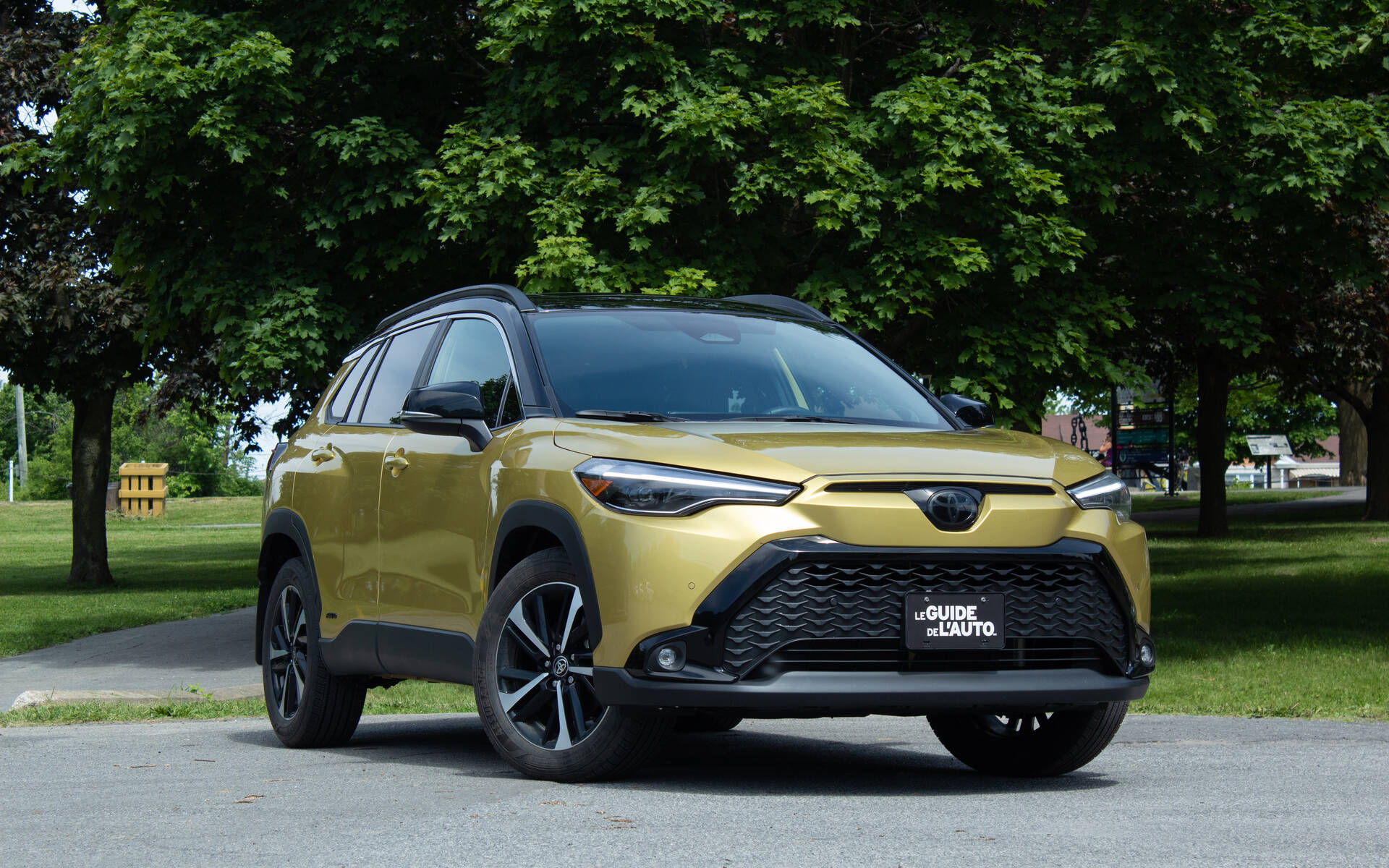
2. Toyota Corolla Cross Hybrid and Lexus UX 300h (5.6 L/100 km)
The gas-powered Toyota Corolla Cross is a fine little crossover with generous cargo capacity and a dependable engine, but the hybrid variant is definitely worth the premium. It generates an extra 27 horsepower, sprints from 0-100 km/h a full two seconds quicker, operates more smoothly and will save you about 2 L/100 km. The Lexus UX 300h, which is revised for 2025, features the same powertrain.

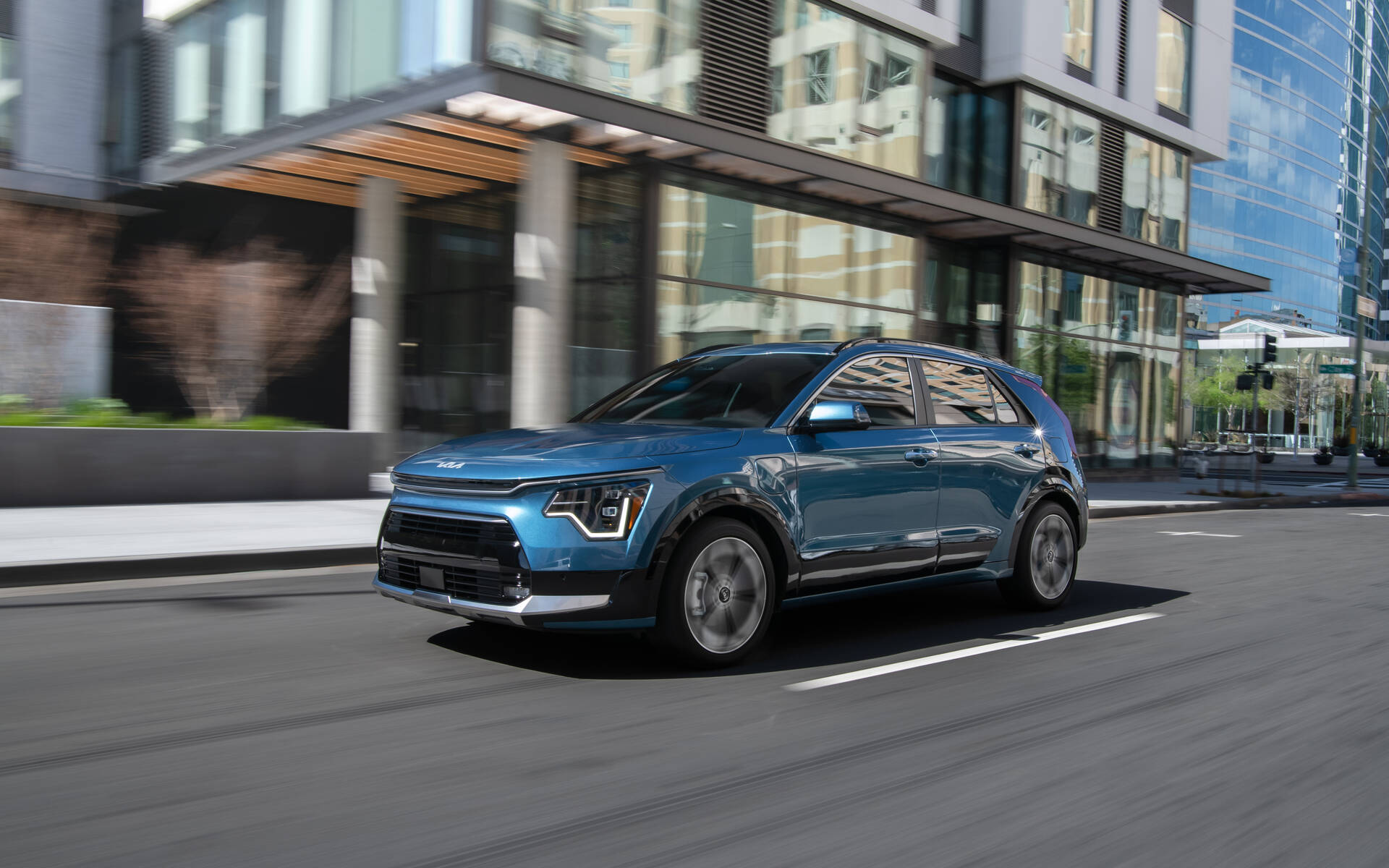
1. Kia Niro (4.4 L/100 km)
All segments considered, the Kia Niro is the most fuel-efficient non-plug-in SUV or crossover in Canada in 2024. Heck, it’s even more frugal than the fuel economy icon that is the Toyota Prius. While devoid of AWD, Kia’s glorified hatchback delivers a solid 195 lb-ft of torque, resulting in pleasant acceleration. Maximum cargo capacity amounts to 1,805 litres with the rear seats down, and monthly payments remain at a reasonable level.
Don’t want a hybrid? Consider the Buick Encore GX/Envista, Chevrolet Trailblazer, Honda CR-V, Hyundai Kona/Venue, Kia Seltos/Soul, Nissan Kicks/Rogue or Volkswagen Taos, which all achieve a combined 8 L/100 km or better. Now that’s the kind of fuel economy that will get you far.