
New Polestar Precept Concept Loves Recycling
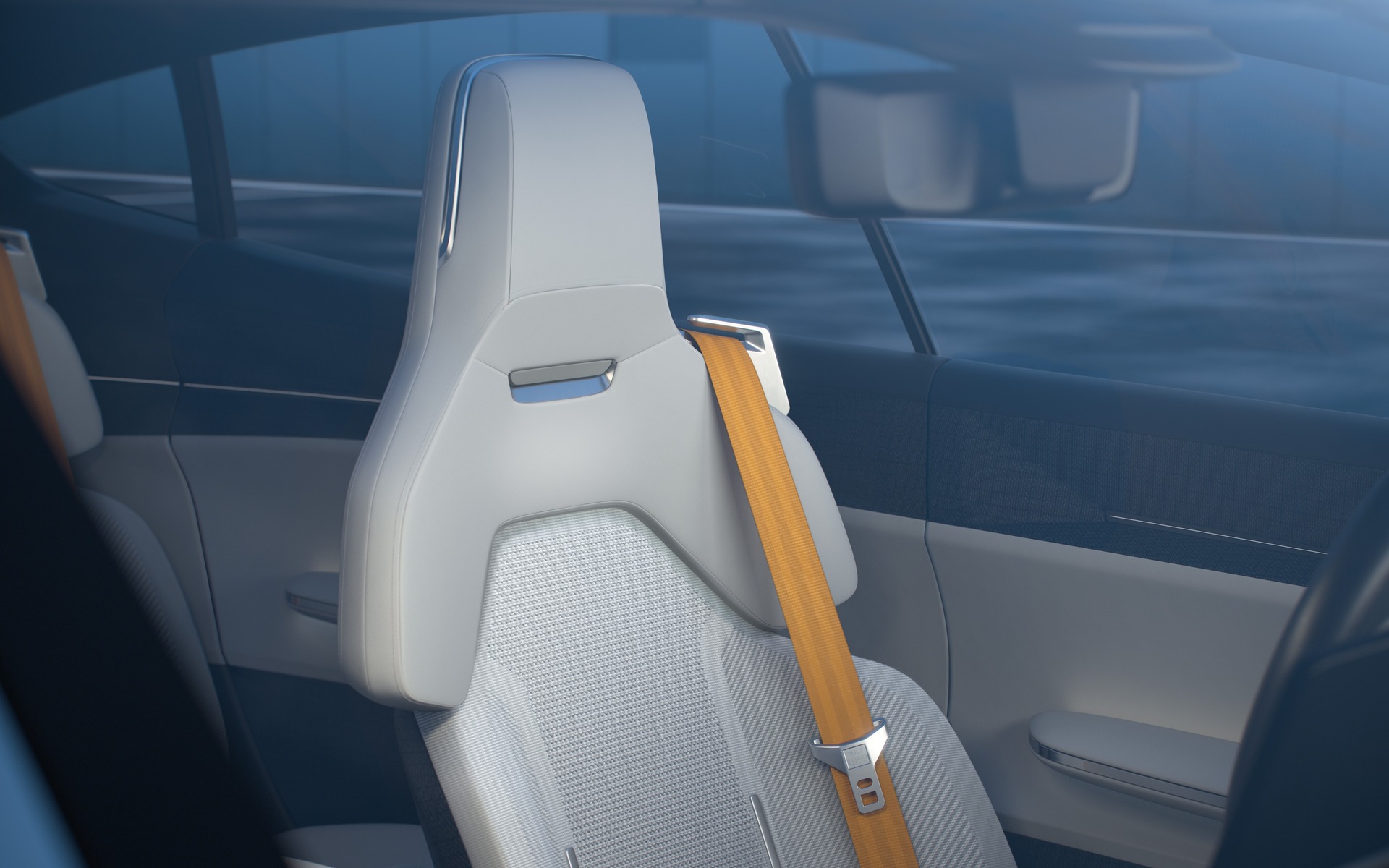

Seat surfaces are 3D-knitted from recycled PET bottles, bolsters and headrests are made from recycled cork vinyl, while carpets are made from reclaimed fishing nets.
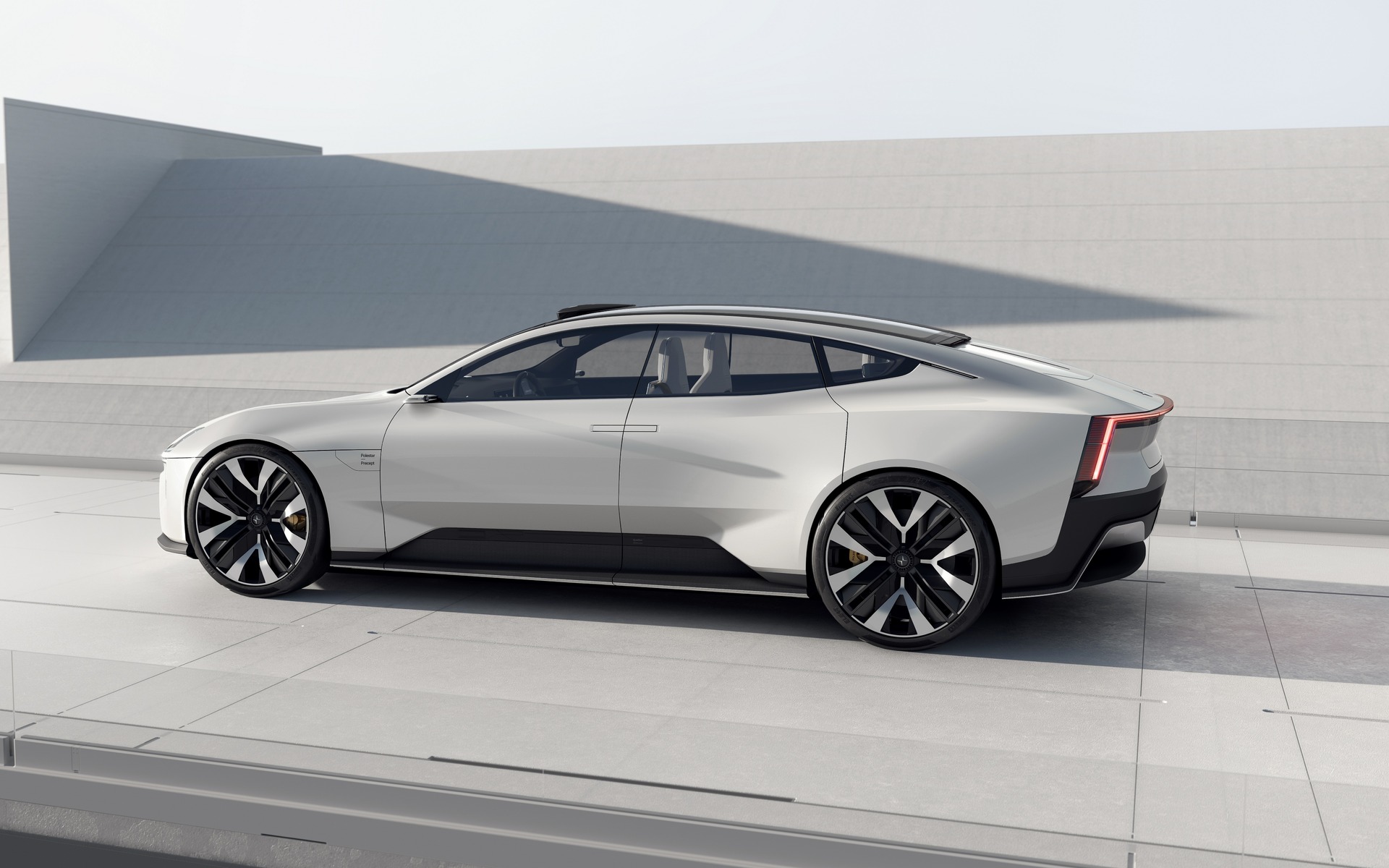
This electric sedan’s proportions define its presence with restrained surfacing and a focus on aerodynamic efficiency.
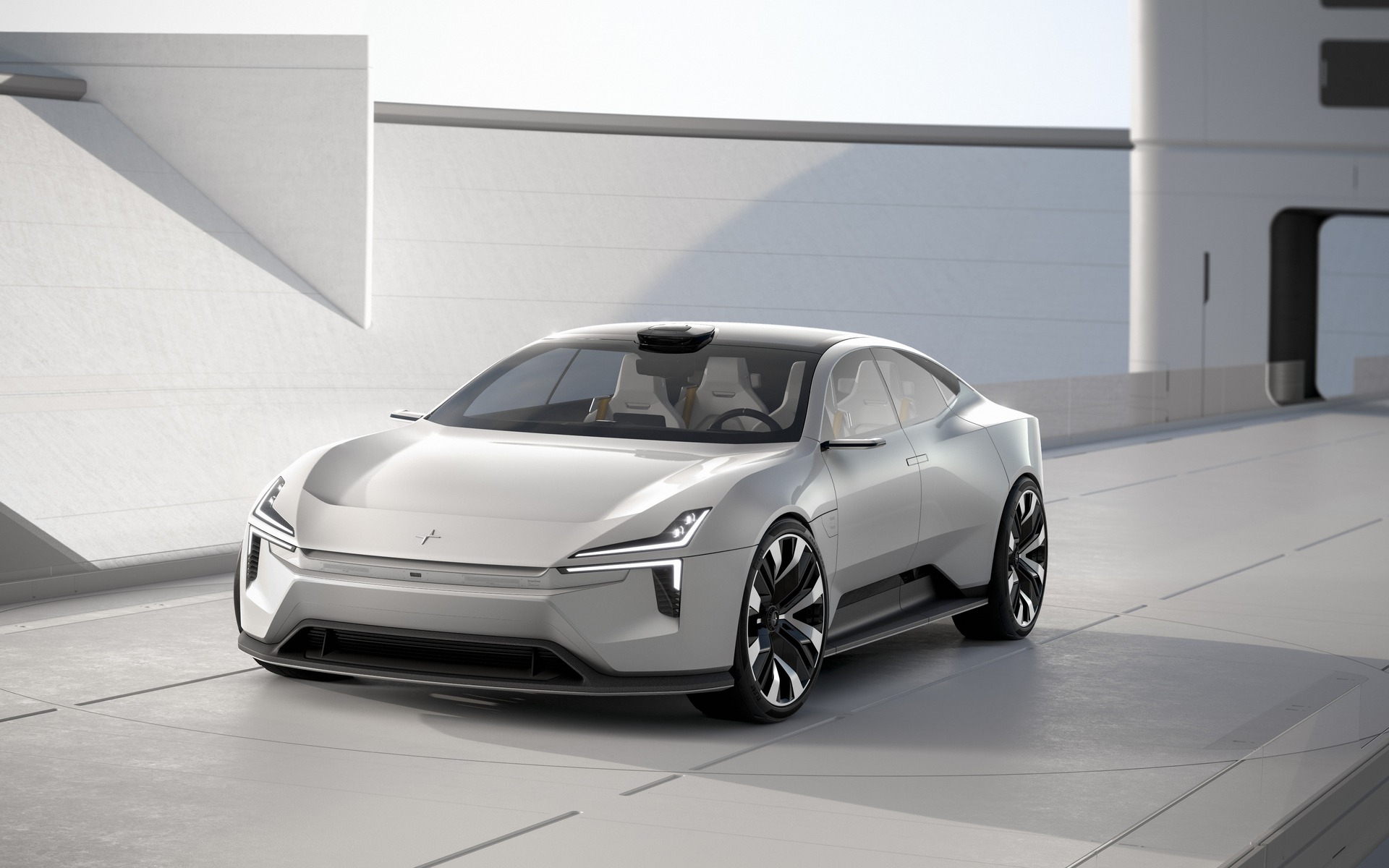
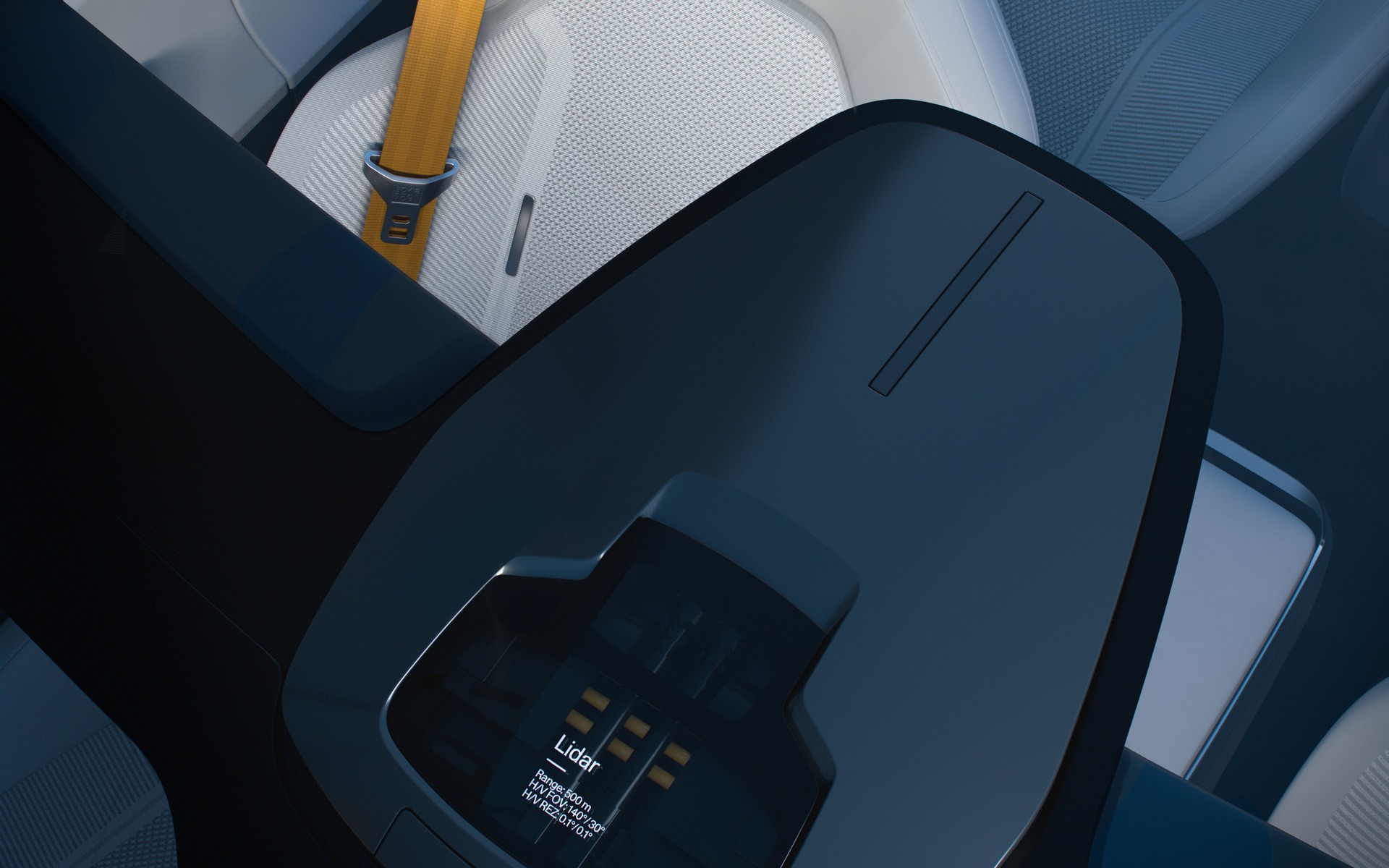
The front grille is replaced by the Polestar SmartZone, a transparent panel hiding technology for safety sensors and driver assistance functions including two radar sensors and a high-definition camera.
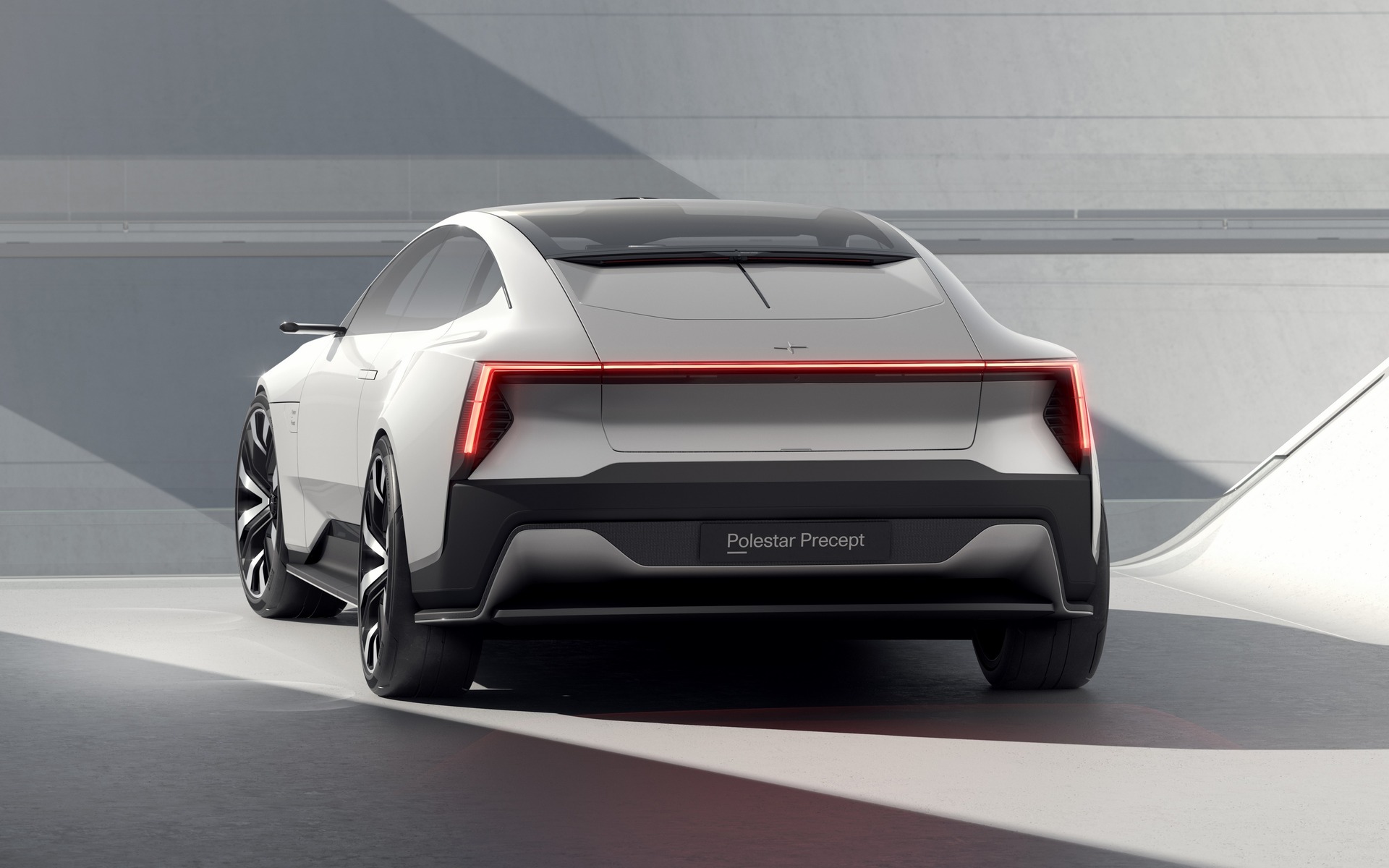
Side mirrors are replaced by camera-based units. More importantly, there is no conventional rear window: the Precept’s single-volume glass roof extends behind the rear seats and the tailgate itself is designed with a larger opening and higher-mounted hinges improving access.
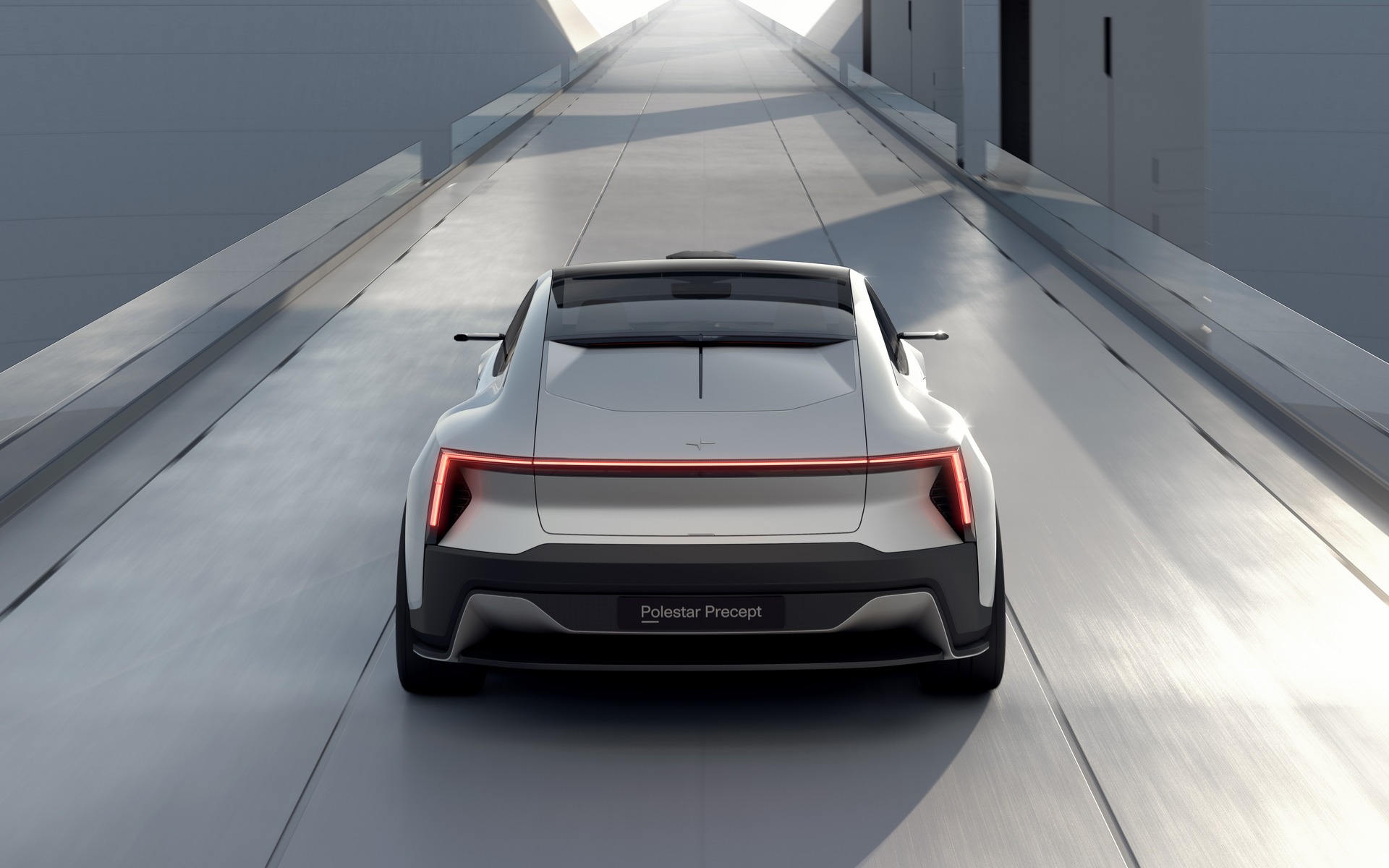
The traditional rear-view mirror is replaced with a digital screen, the image collected by a wide-angle camera mounted at the rear of the car.
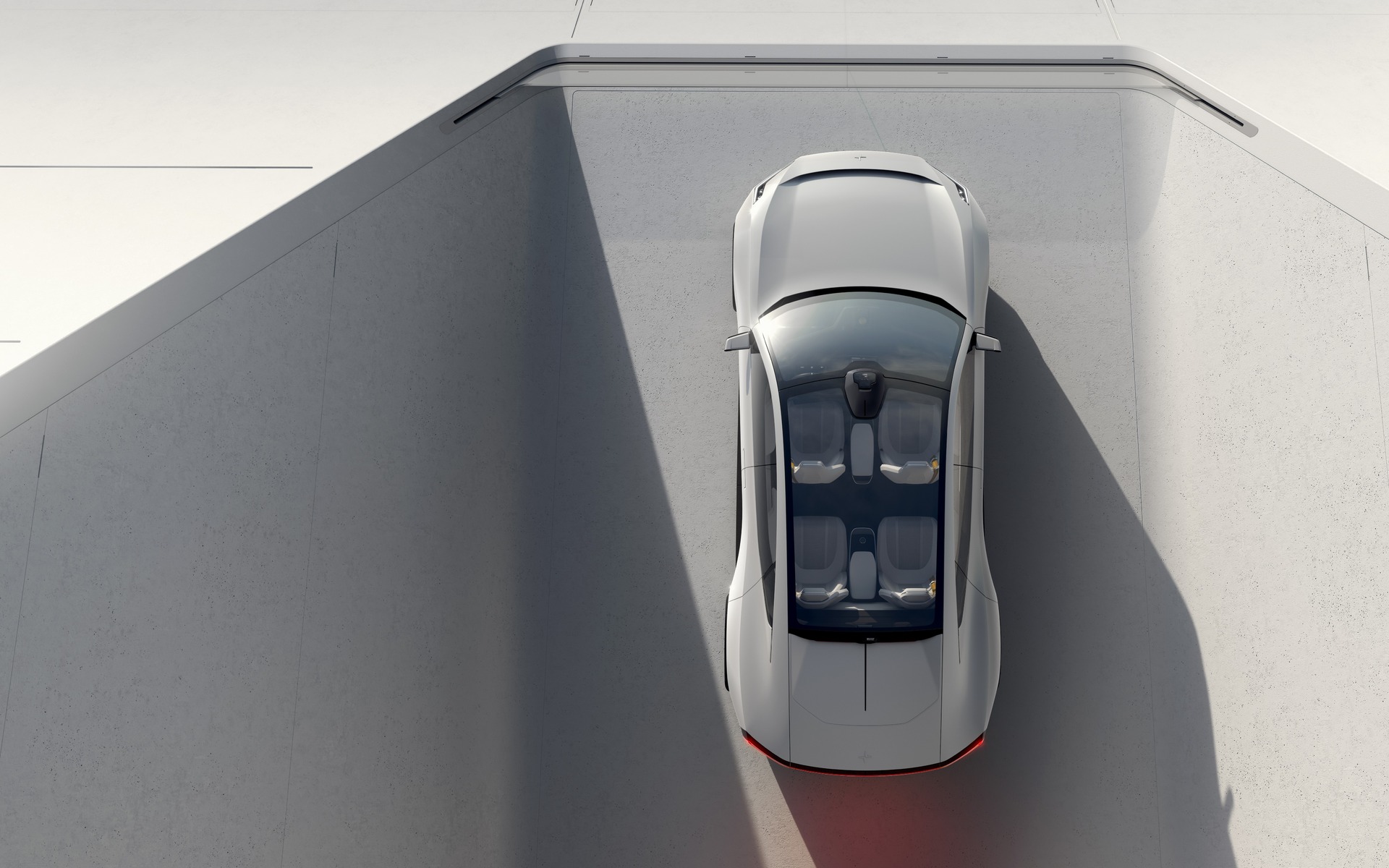
The spacious cabin is all about new, sustainable materials such as flax-based composites for interior panels and seatbacks that reduce weight by up to 50% and plastic waste by up to 80%.
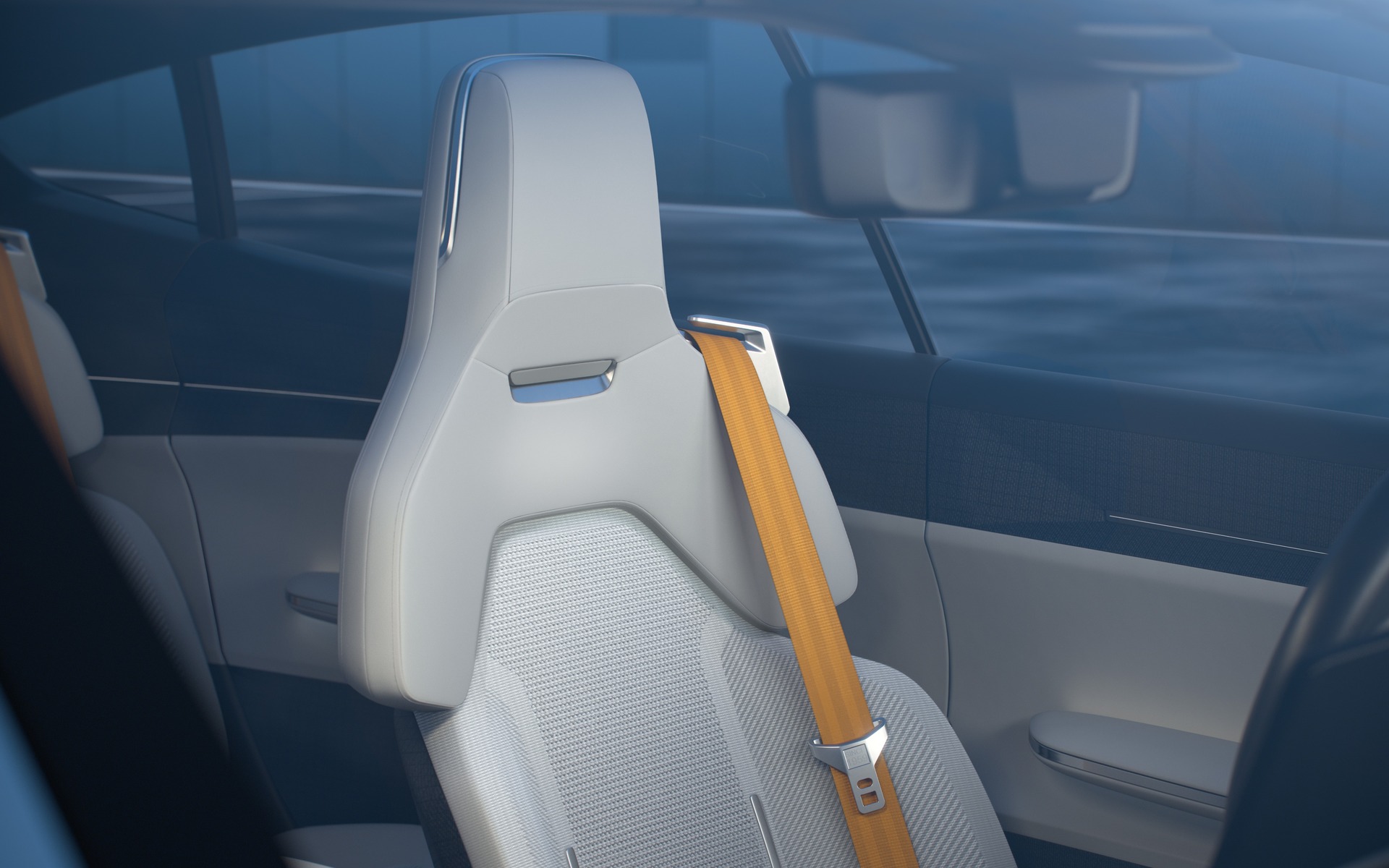
Seat surfaces are 3D-knitted from recycled PET bottles, bolsters and headrests are made from recycled cork vinyl, while carpets are made from reclaimed fishing nets.
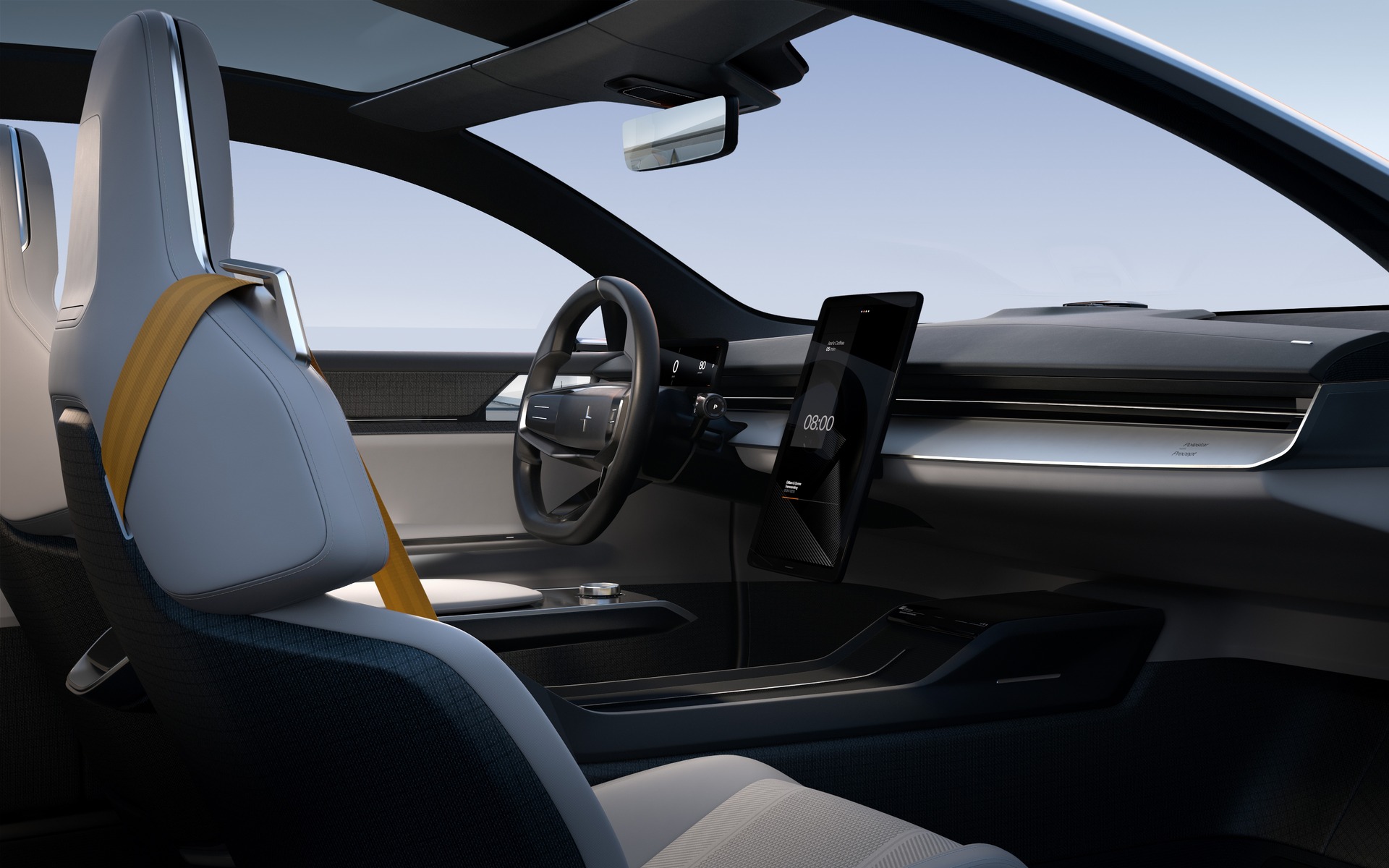
The clean dashboard is crowned by a 15-inch centre touchscreen with a next-generation infotainment system powered by Android.
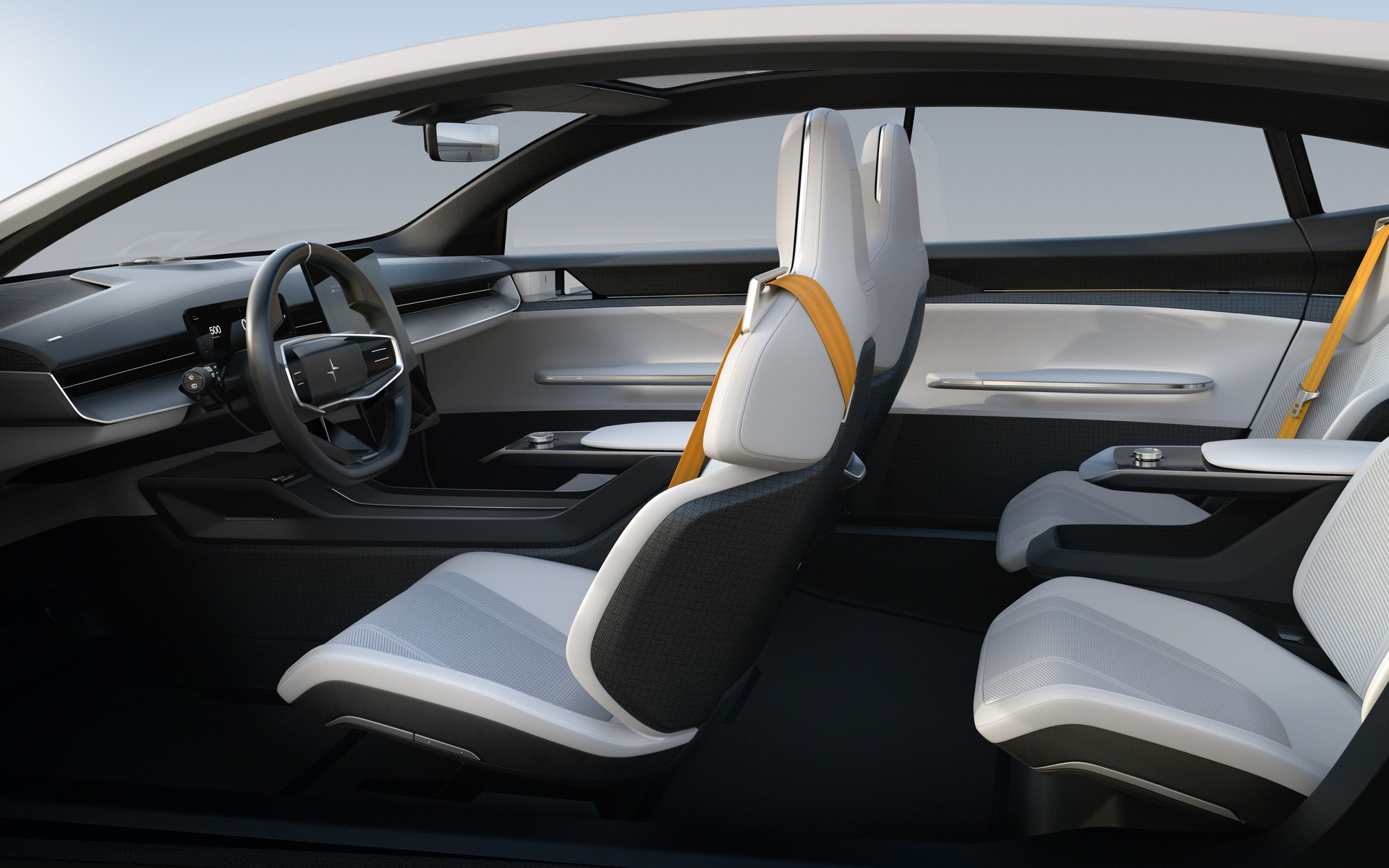
The touchscreen and the 12.5-inch driver display are linked by an illuminated blade that encompasses the entire interior.
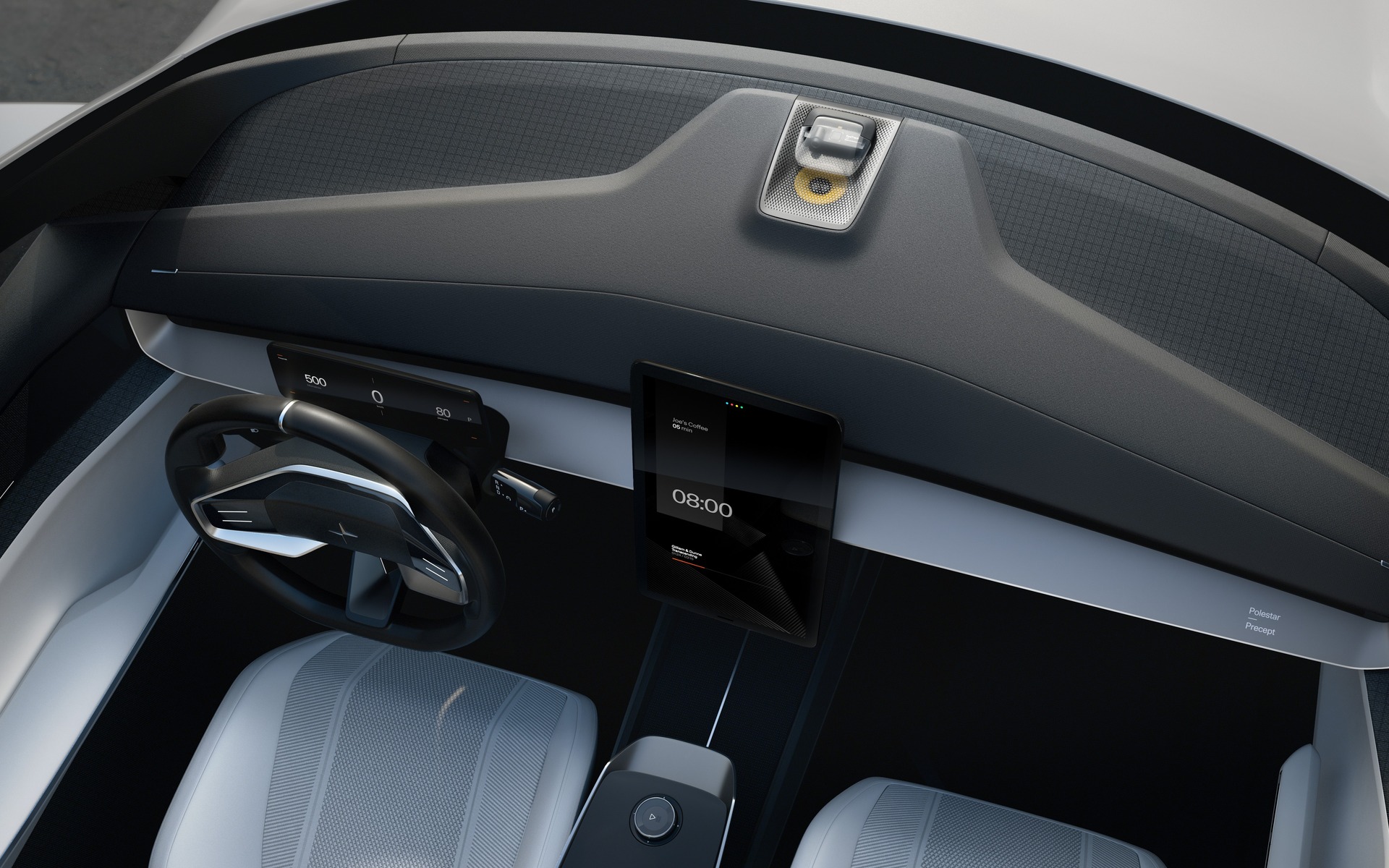
Eye tracking will allow the car to monitor the driver’s gaze and adjust the content of the various screens accordingly. Proximity sensors also enhance the usability of the centre display when driving.
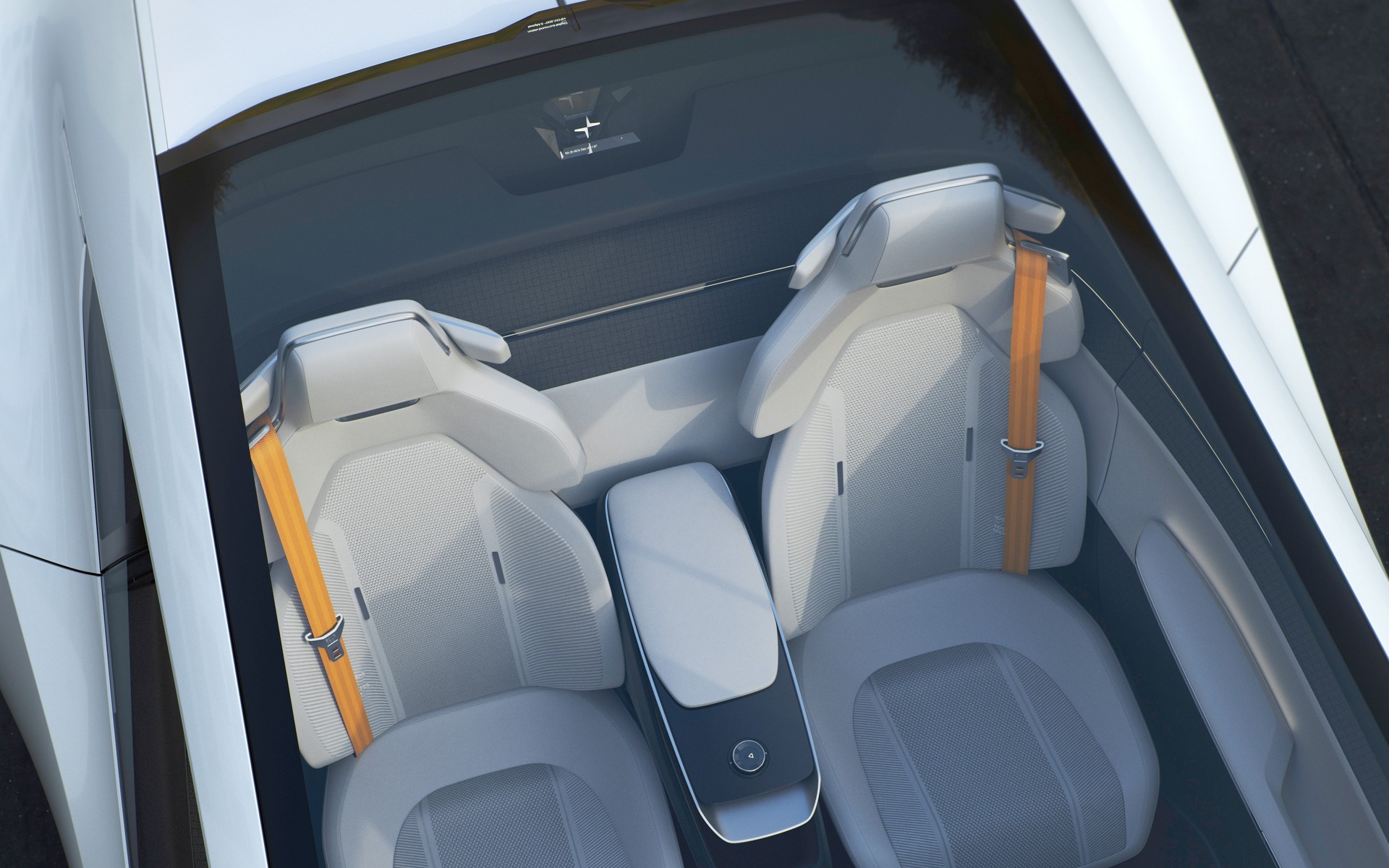
The unique Polestar emblem floats holographically inside a solid piece of Swedish crystal between the rear seat headrests.

