Steve Flamand, President and CEO of Hyundai Canada, Answers Our Questions
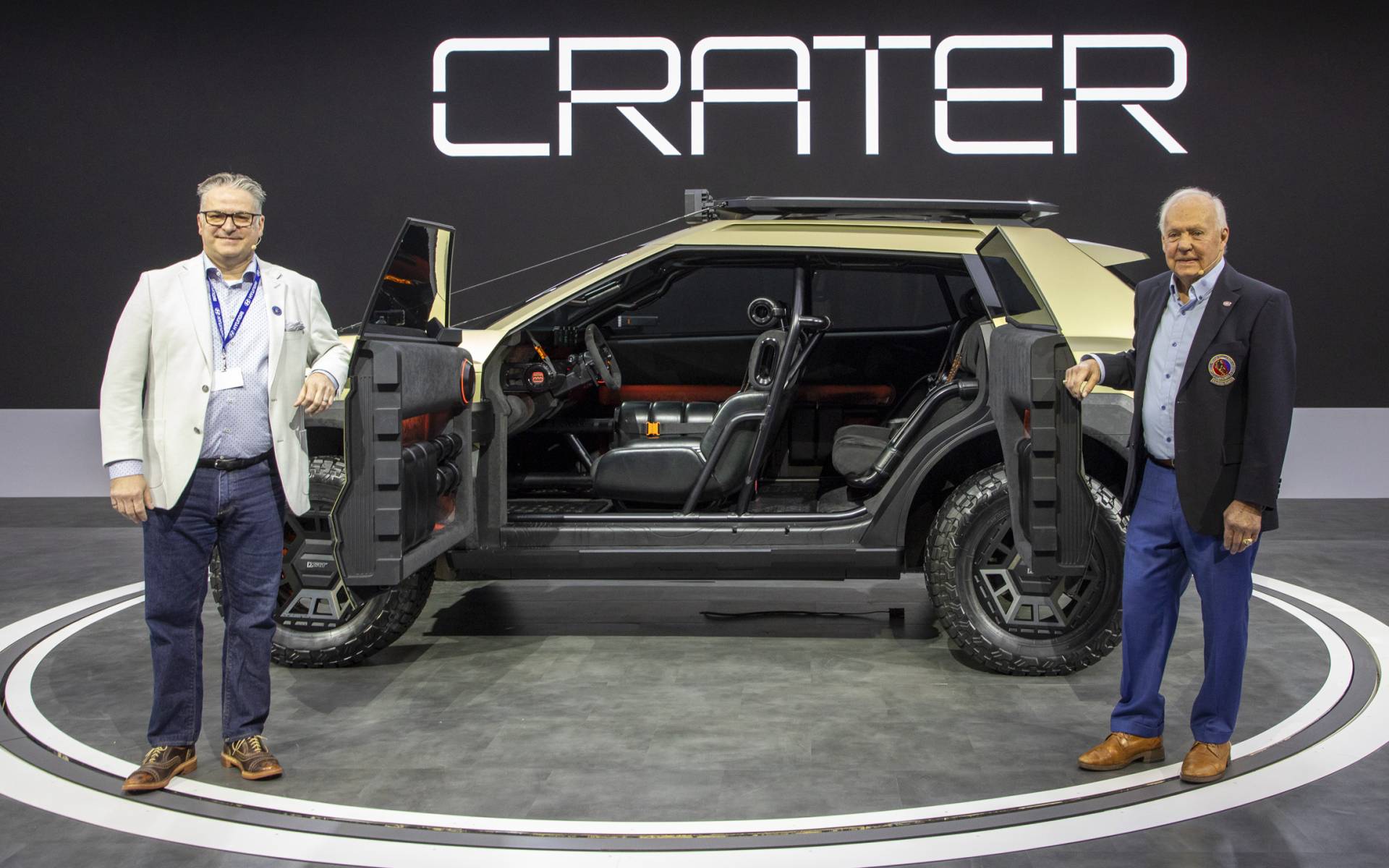

While attending Media Day at the 2026 Montreal International Auto Show, Hyundai Canada President and CEO Steve Flamand took a few moments to reflect on his first year at the helm of an automaker that is performing exceptionally well north of the 49th parallel. In fact, Hyundai Canada recorded its best sales year ever in 2025 despite a challenging economic and political environment.
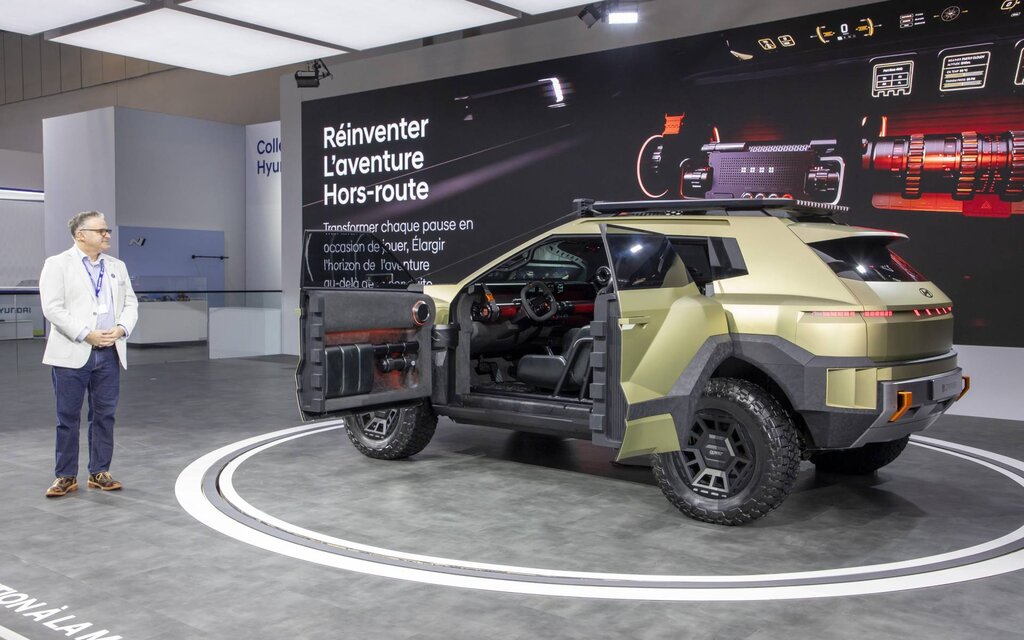
With more than 30 years of experience in the Canadian automotive industry, Flamand is a seasoned observer of our market. His tenure at Hyundai is more recent, but after eight years with the Korean giant, he has had ample time to become deeply familiar with the Hyundai Group’s products and philosophy. We asked him a few questions during our brief conversation next to the wild new Crater concept.
Read also
Vincent Aubé (VA): You have many years of experience in the automotive industry and nearly a decade with Hyundai, including this past year, which was the best in the brand’s history in Canada. Was there anything that surprised you, despite your extensive knowledge of the local market?
Steve Flamand (SF): Let’s just say that 2025 was a year full of surprises for everyone. What happened with the tariff situation involving the United States, as well as the removal of electric vehicle incentives—it was a year that required constant adaptation. Because of the tariffs, we had to readjust our vehicle production strategy. We leveraged our global manufacturing footprint and were able to pivot and bring in vehicles without negatively impacting our volume potential.
It was a similar story with EV incentives. We had to recalibrate, knowing that demand for electric vehicles would slow down. That said, we never lost sight of our goal to grow our share in what remains of the EV market, because we all know it will come back—it’s just a matter of time.
So, we continue to work closely with our dealer network to maintain a strong presence. Our goal is to be number one in electric vehicles, and that won’t change in 2026. Yes, 2025 was far from easy, but our ability to adapt translated into success. Even in Quebec, if we look at the segments we compete in—excluding pickups—we’re number one for the first time. We’re very proud of that, and things are shaping up well for 2026.
VA: We’ve noticed a slowdown in EV growth over the past several months. Does Hyundai, and Hyundai Canada in particular, still intend to pursue its fully electric vehicle targets? In other words, does Hyundai still believe in a 100% electric transition one day?
SF: I believe it’s only a matter of time. I think governments’ appetite for electrification may not have been fully aligned with market realities. That said, we continue to invest aggressively. The ecosystem that allows EVs to succeed isn’t just about the vehicles themselves—it’s about infrastructure and education. It’s essential that everyone continues working together.
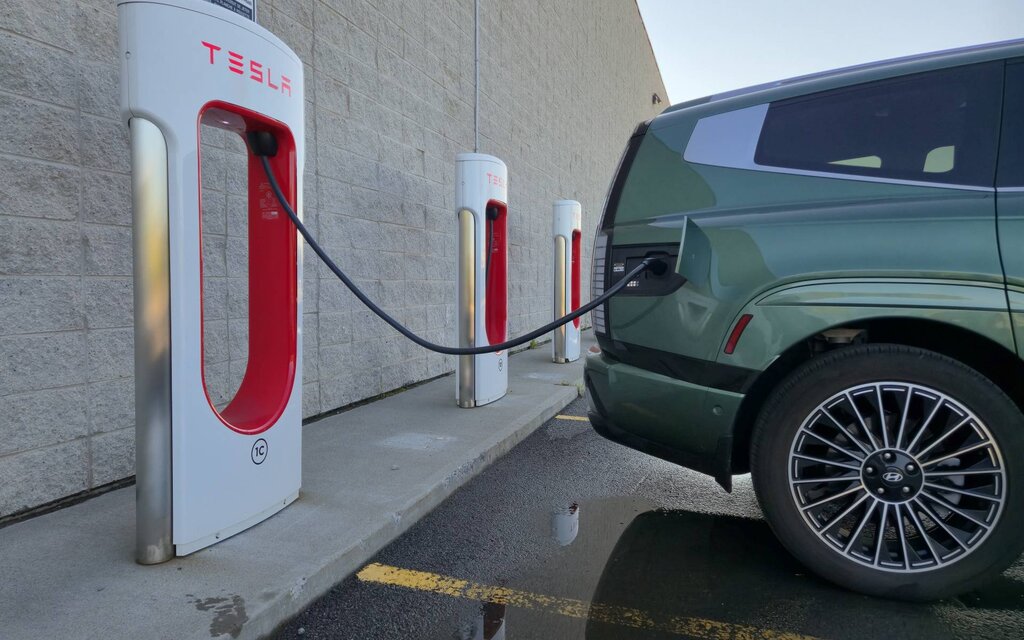
Governments have a role to play, especially when it comes to infrastructure. We talk about fast chargers like Superchargers—it’s great to have them, but we need more of them, and they need to be reliable.
VA: New vehicle affordability has been a hot topic in recent months, and Hyundai continues to be known as a low-cost, mainstream brand. However, with so much focus on in-car technology, plus all the external factors of recent years—pandemic, supply chain disruptions, geopolitics and so on—is there a future for basic transportation?
SF: As a brand, we remain true to who we are. We want to be accessible to everyone in the market, from the entry-level Venue all the way up to Genesis at the premium end. We continue to invest in our vehicle portfolio. At Hyundai, we refresh our models frequently, and over the next three years, there are many new products coming.
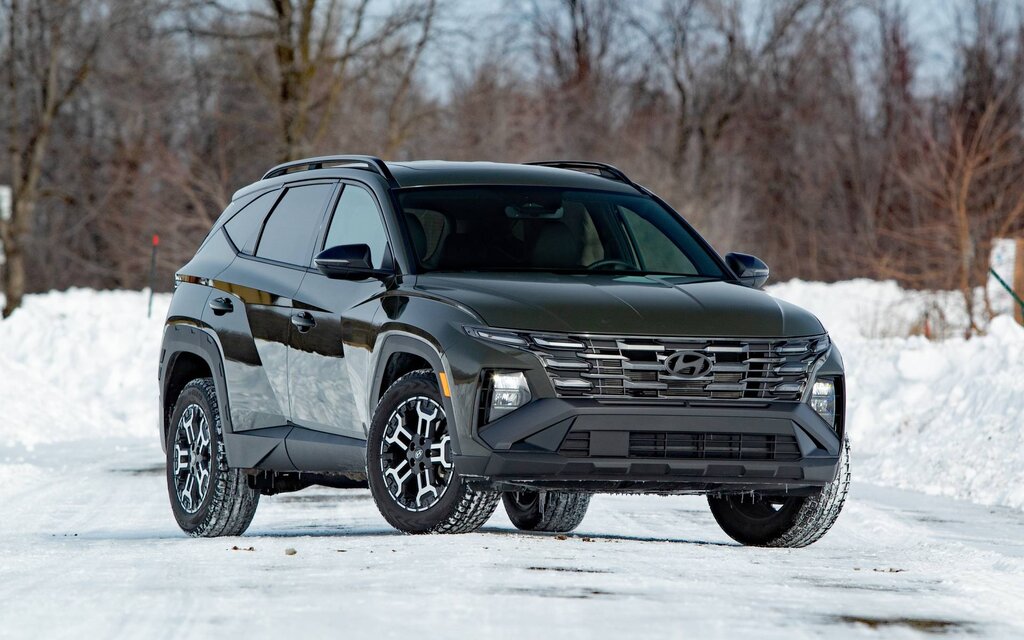
We’re very proud of the past year. The Tucson had a record year, and it competes in the largest segment in Canada. We’ll continue to build on that. Even in the way we bring vehicles to market, we want models like the Elantra to meet the needs of multiple target groups. Our strategy hasn’t changed—we want to be there for everyone. Inflation isn’t limited to the automotive industry. The companies that succeed will be the ones able to address all the opportunities in the market.
VA: But could a strategy like Dacia’s in Europe or even Datsun’s in Asia work here?
SF: We also must consider vehicle regulations, particularly when it comes to mandatory in-car technology, which has added costs. Many of those brands are part of larger automotive groups that can build vehicles across multiple plants simultaneously. As for scenarios involving China, we hope that if things move in that direction, competition will remain environmentally responsible.
VA: We’re also hearing about lobbying efforts to adopt European standards in order to allow more vehicles to be sold in Canada. Is that something you’re watching?
SF: We’ve heard about it, but it doesn’t directly affect us, because our supply strategy differs from that of brands operating primarily in Europe. We’re keeping an eye on it, though I’m somewhat skeptical: having two vehicles that meet two different regulatory standards isn’t easy.
That said, given all the noise around negotiations with the Trump administration and tariffs, we’re paying attention. We want to be ready. If things move in one direction or another, we’ll be there.