AI Could Trigger New Chip Shortage Across Auto Industry, Analysts Warn


Remember the massive shortage of semiconductors (electronic chips) that significantly slowed down automotive production during the COVID-19 pandemic? Of course you do. For a while, some feared that history would repeat itself, especially with restrictions imposed by China on the export of critical materials and more recently the crisis at chip supplier Nexperia, but these issues now seem to be resolved—or at least the worst has been avoided.
However, a new threat looms over the automotive industry and its supply chains, one that could have serious consequences for vehicle production and prices once again. According to analysts recently interviewed by Bloomberg, artificial intelligence and the huge data centres with all the servers that support it could very well cause a new shortage of semiconductors.
Read also
- E.U. Says China Confirms Nexperia Chip Export Resumptions
- New Chip Supply Issue Has Ripple Effect on Canada
The thing you have to understand is that AI companies and other tech giants typically use DRAM (dynamic random-access memory) chips that are more advanced than those found in the electronic modules of modern vehicles, even those that require a huge amount of memory and operations due to the many driver assistance systems and digital screens.
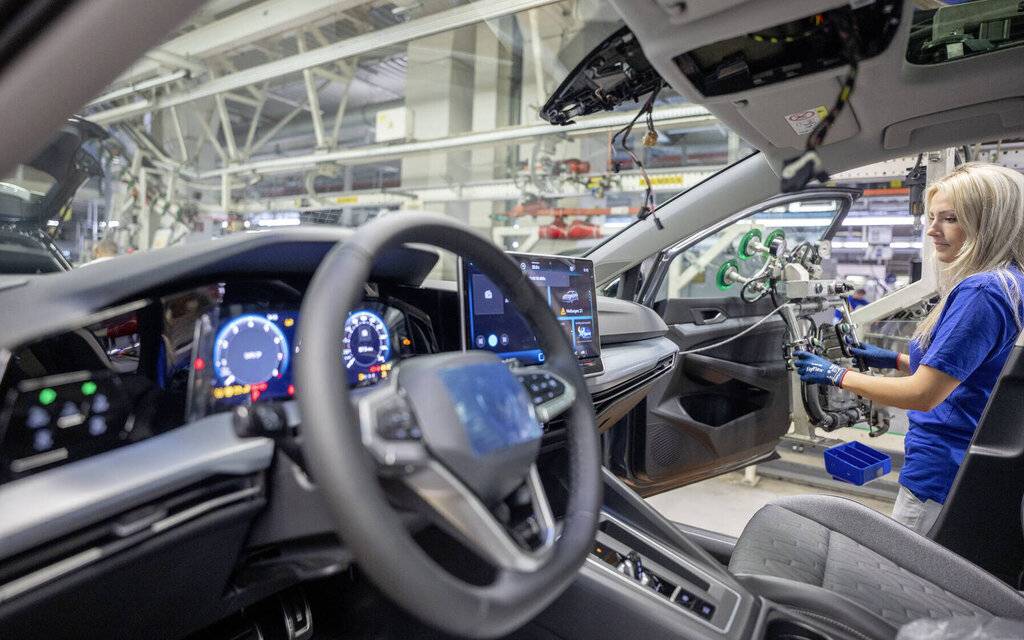
The problem? Many of the materials are the same in both cases, particularly silicon wafers. Analysts said that major chip manufacturers like Samsung, SK Hynix and Micron have started prioritizing their most profitable customers, to the detriment of automakers and parts companies.
David Lesne at UBS told Bloomberg that some automakers already acknowledge price hikes exceeding 100 percent for these essential components. He’s not ruling out disruptions in global automotive production, especially among those with the greatest exposure to advanced electronics, such as Tesla and Rivian, less so among others like Ford and General Motors.

Matthew Beecham at S&P Global Mobility made a similar observation and warned automakers that they face “a narrowing window to redesign systems and lock in supply.” Production halts are possible in 2026 and 2027, and then chaos could ensue in 2028 when many will have to stop using older chips and switch to new ones.
Bottom line: we haven't heard the last of silicon and semiconductors in the years to come.