35 Years of Lexus: Looking to the Future

Vancouver Island, B.C.—Lexus celebrated its 35th anniversary in Canada with three separate events at different times and different places in 2025. Back in February, The Car Guide had the opportunity to get behind the wheel of a 2005 RX as well as the coolest Lexus SUV of all, the new GX, in Quebec. Then, in the summer, nostalgia took over with a test drive of the first Lexus car to launch in North America, namely the 1991 LS 400. That was in Ontario.
More recently, the company invited us to look to the future. By the way, Lexus is doing quite well lately, having sold more vehicles in the country than ever before (just over 30,000 units in 2025), while some luxury rivals are going through difficult times. We were given the keys to a pair of electrified models including the new, battery-powered RZ crossover and the gas-electric LX 700h full-size SUV.
Read also
- 35 Years of Lexus: SUVs Are the Stars, and We Found the Coolest of All
- 2 Millionth Lexus RX Rolls Off the Line in Cambridge
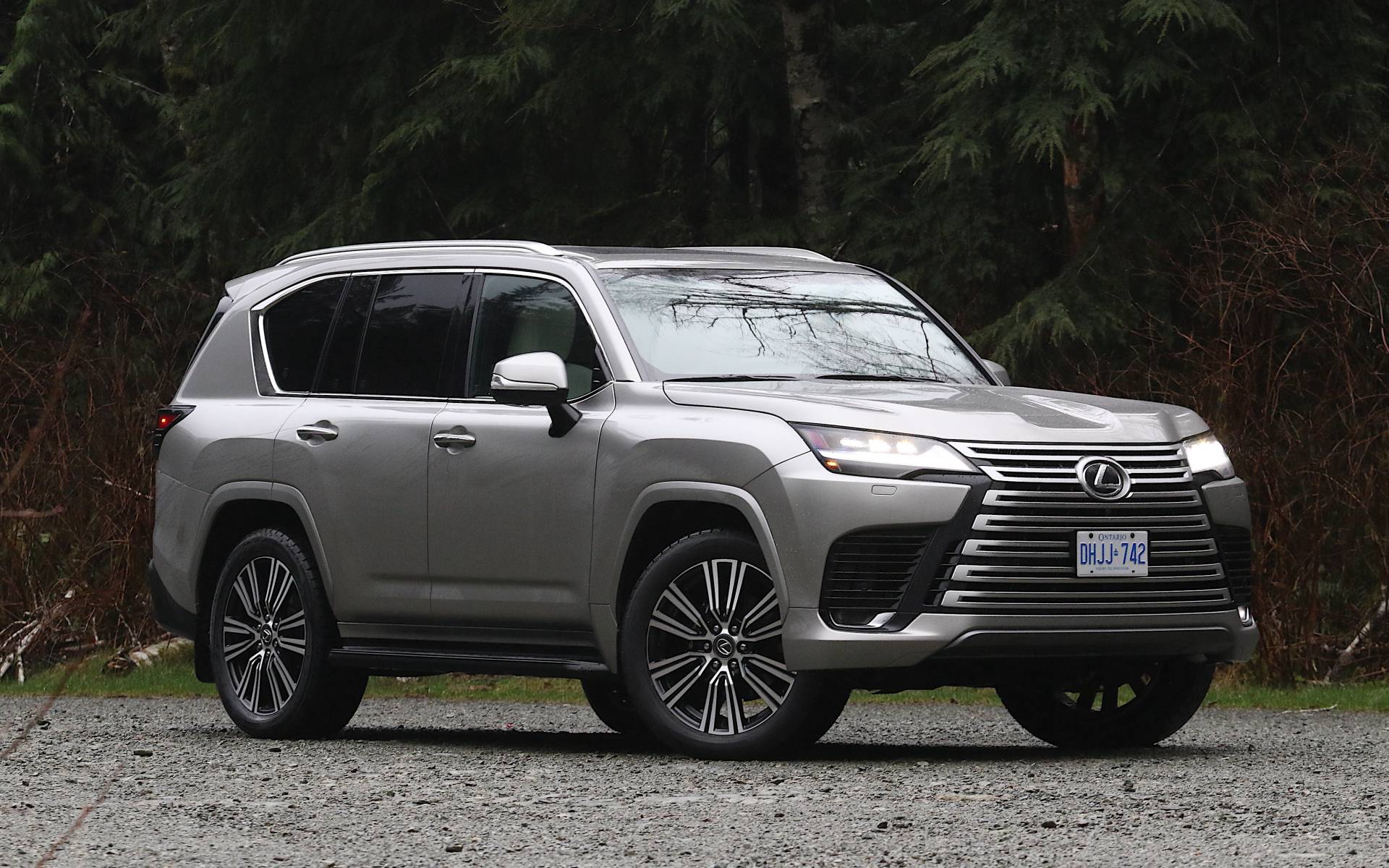
LX: Large But Not Too Thirsty
Let's start with the larger of the two, namely the LX. There two configurations to choose from, both of which use a twin-turbo 3.4-litre V6. The main difference is that the LX 600 is exclusively gasoline-powered, while the LX 700h (as tested) adds an electric motor. The former generates 409 horsepower and 479 lb-ft of torque, while the latter is even stronger with 457 horsepower and more importantly 583 lb-ft of torque.
On the road, the LX 700h pleases with brisk acceleration and immediate throttle response from the lowest revs. While we expected somewhat vague steering and unremarkable handling, the full-size Japanese SUV actually performed well.
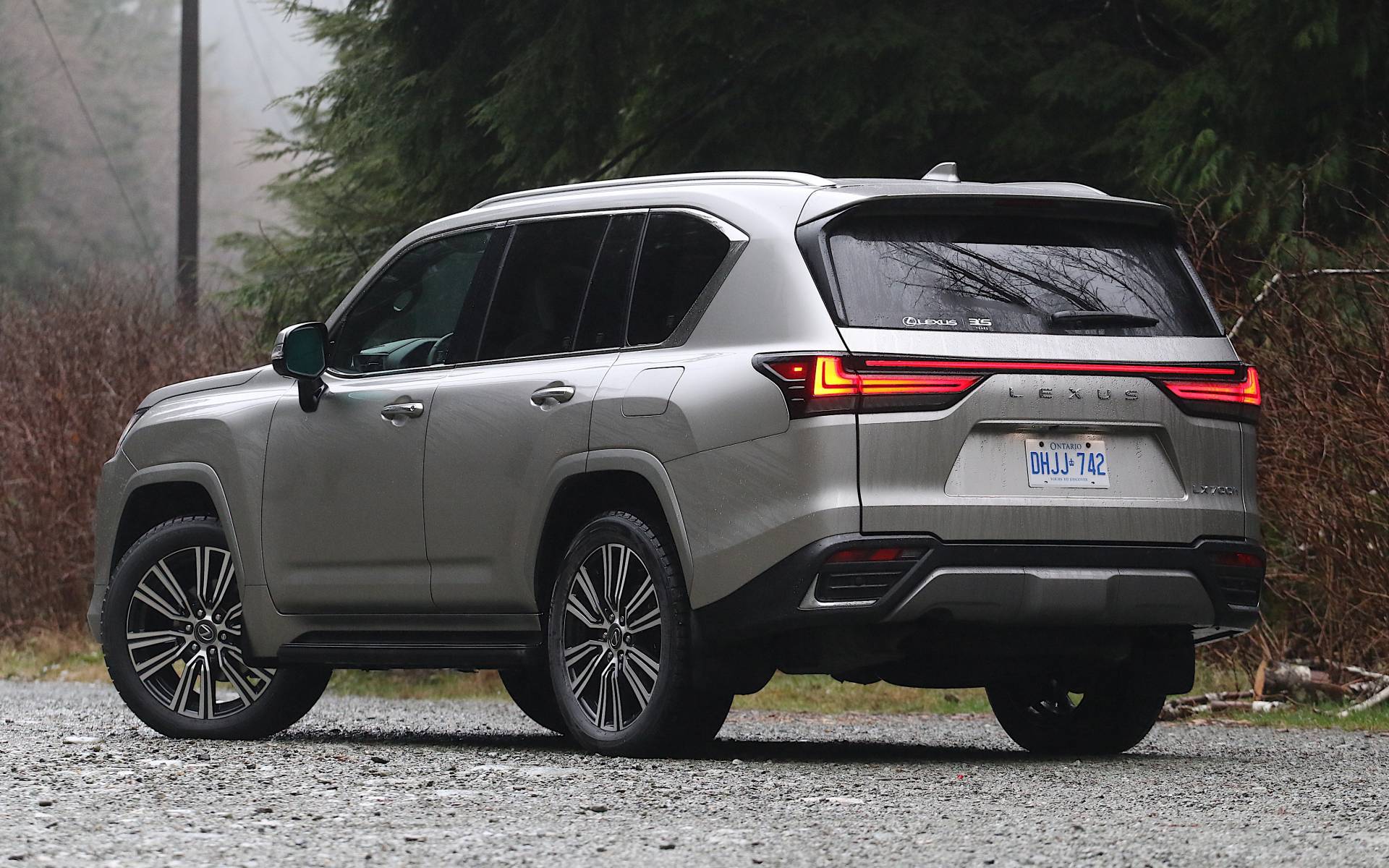
On the winding roads of Vancouver Island between Nanaimo and Tofino, the LX 700h handled admirably. Its considerable mass (2,840 kg) is obviously something to keep in mind when tackling tight corners, but overall the vehicle does a good job of masking its weight. Steering is surprisingly adequate, and body roll is acceptable despite the body-on-frame construction that is less suited to paved roads.
Another surprise was fuel consumption. With an average of 12.2 L/100 km in the kind of driving conditions that weren’t ideal for saving gas, the LX 700h managed to impress.
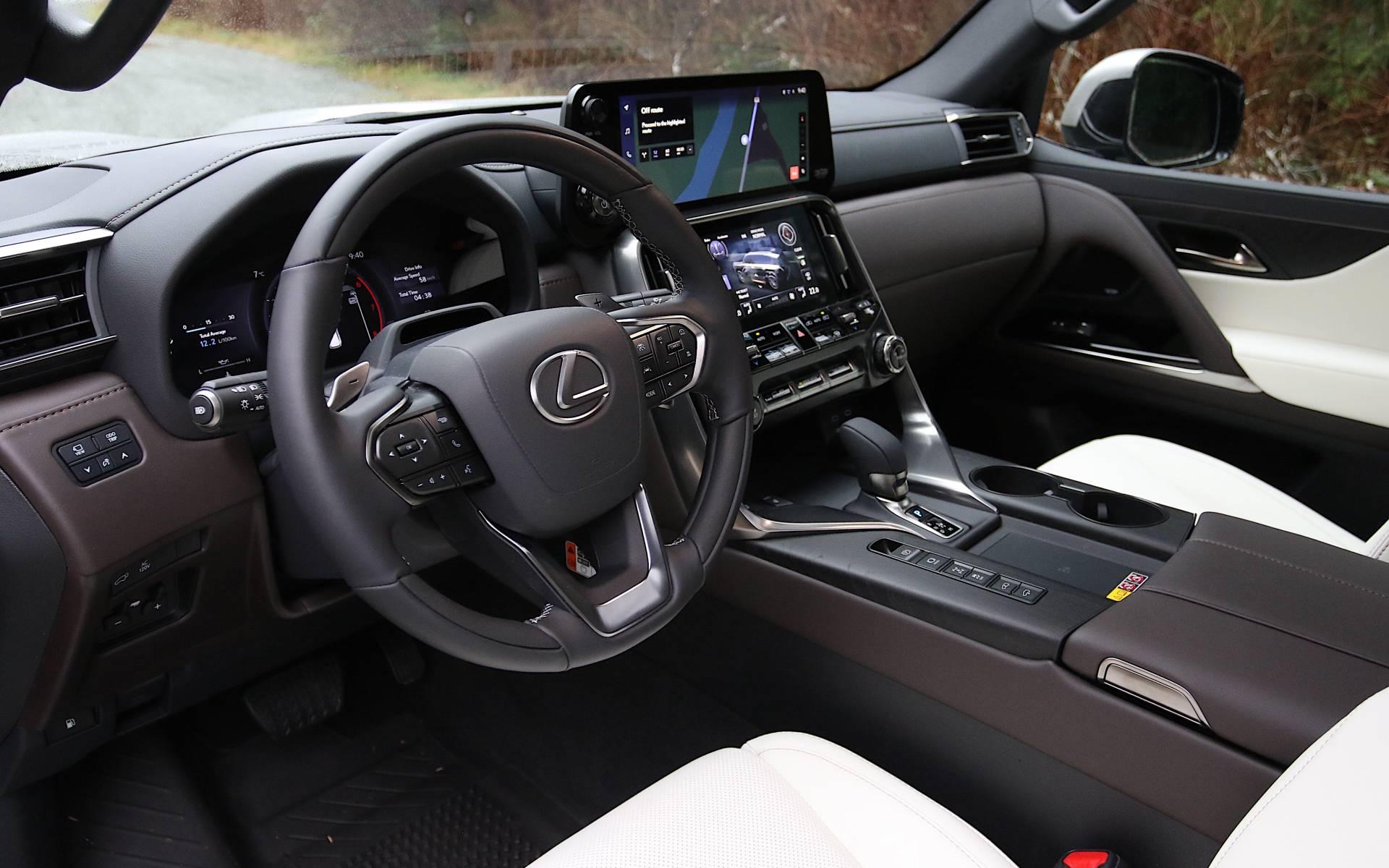
One last thing: we found the big Lexus quite comfortable, with ample space for passengers in the first two rows. However, the third row of seats is somewhat less accommodating and enjoyable, plus it reduces cargo space.
RZ: With FWD or AWD
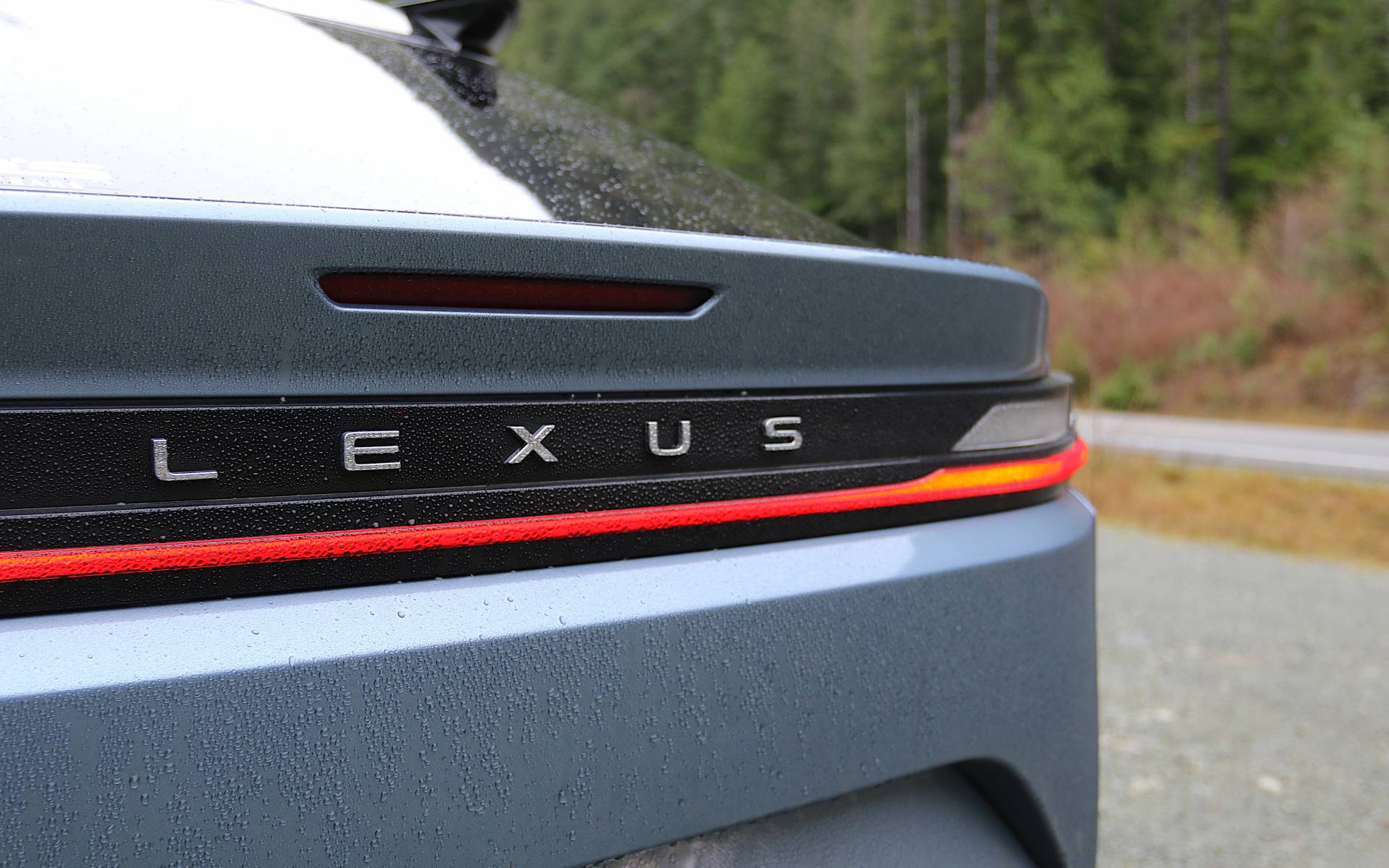
The RZ electric crossover is getting a major mid-cycle update for the 2026 model year including a larger-capacity battery (76.96 kWh), increased power, improved charging, and the introduction of a sportier RZ 550e model.
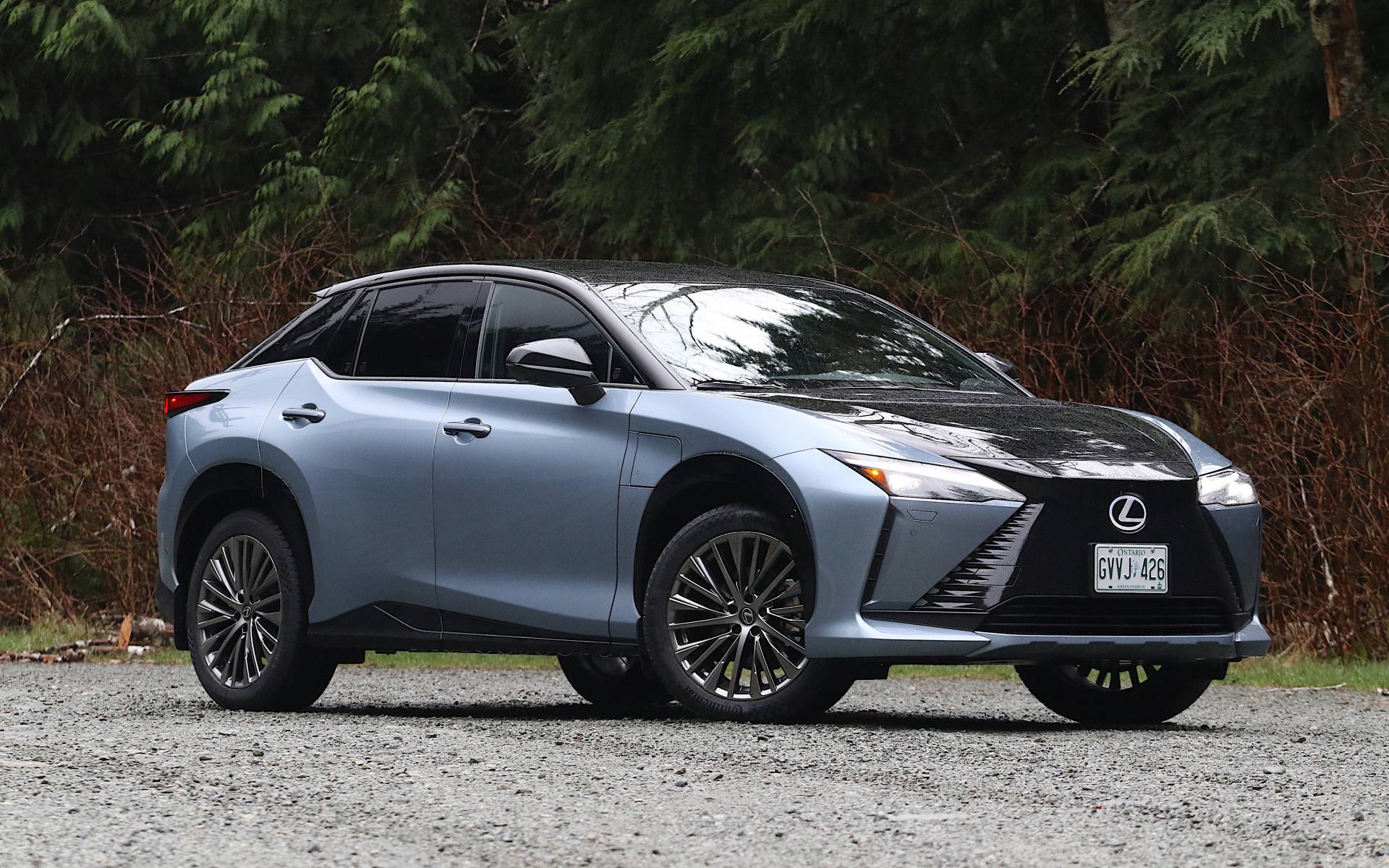
We started the day with the entry-level RZ 350e. This front-wheel-drive model has a maximum range of 478 km according to Natural Resources Canada. It's the least powerful RZ in the lineup with just 224 horsepower. That said, we found performance to be more than adequate for everyday use, and the immediate acceleration made it easy to hit the fast lane.
With precise steering and stable handling, we also found the RZ 350e comfortable on the winding roads around Tofino. Energy consumption was reasonable, with an average of 19.8 kWh/100 km at the end of our 120km-long test drive.
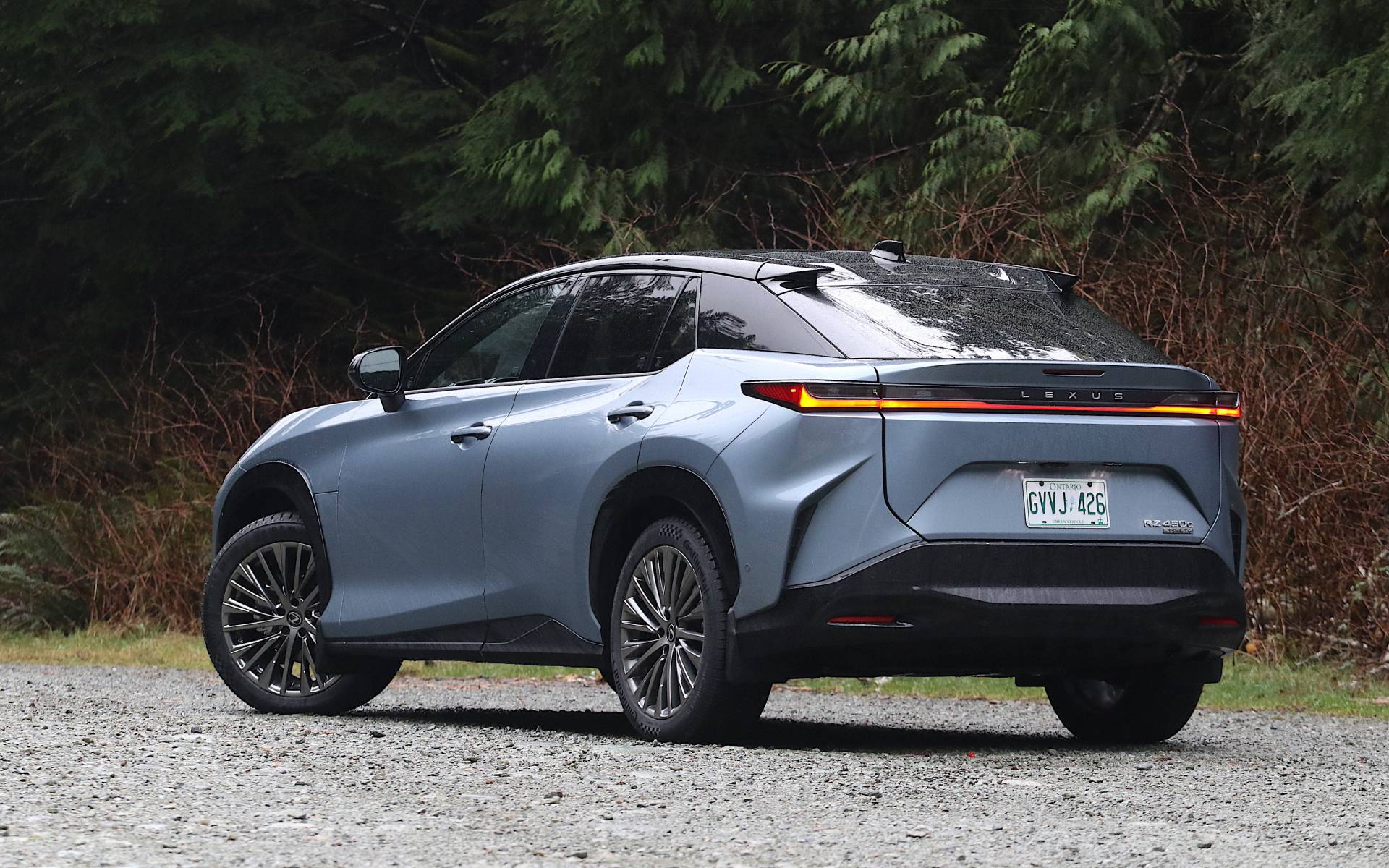
Behind the wheel of the mid-grade RZ 450e, performance is cranked up a notch, obviously. Equipped with all-wheel drive and dual motors producing 308 horsepower, this model’s acceleration is considerably more energetic than that of the RZ 350e (0-100 km/h in 5.3 seconds instead of 7.5 seconds). The vehicle also features Lexus’ Direct4 system, which automatically distributes torque between all four wheels to enhance dynamic handling.
Let’s face it: the RZ 450e is much more pleasant to drive than the base model, displaying superior agility, better responsiveness and improved cornering performance. Steering also feels sharper, especially when entering corners. As a result, the vehicle seemed to be perfectly at home on twisty and slippery roads.
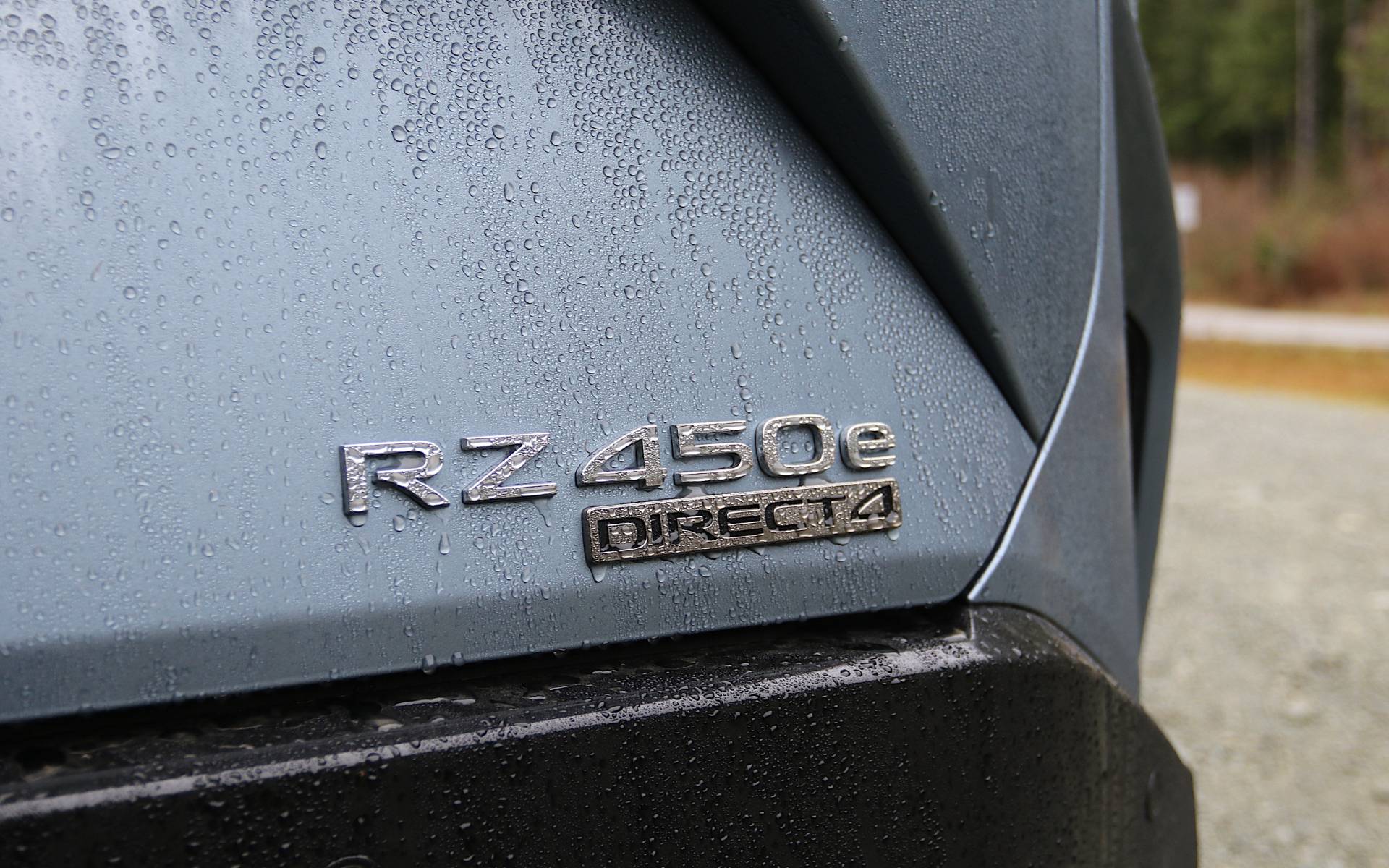
Because of the dual motors and increased output, the RZ 450e naturally uses more energy and loses a bit of range in the process (415 km with 20-inch wheels). Instead of 19.8 kWh/100 km with the front-wheel-drive model, we recorded 24 kWh/100 km with the all-wheel-drive variant—worse than we anticipated given the relatively mild temperature (9°C) and our fairly relaxed driving style during the test.
Regarding the interior, both RZ models proved comfortable and quiet. Space is adequate no matter where you sit. What’s more, it’s nice to have physical controls for setting the temperature, activating the defroster and adjusting the radio volume.
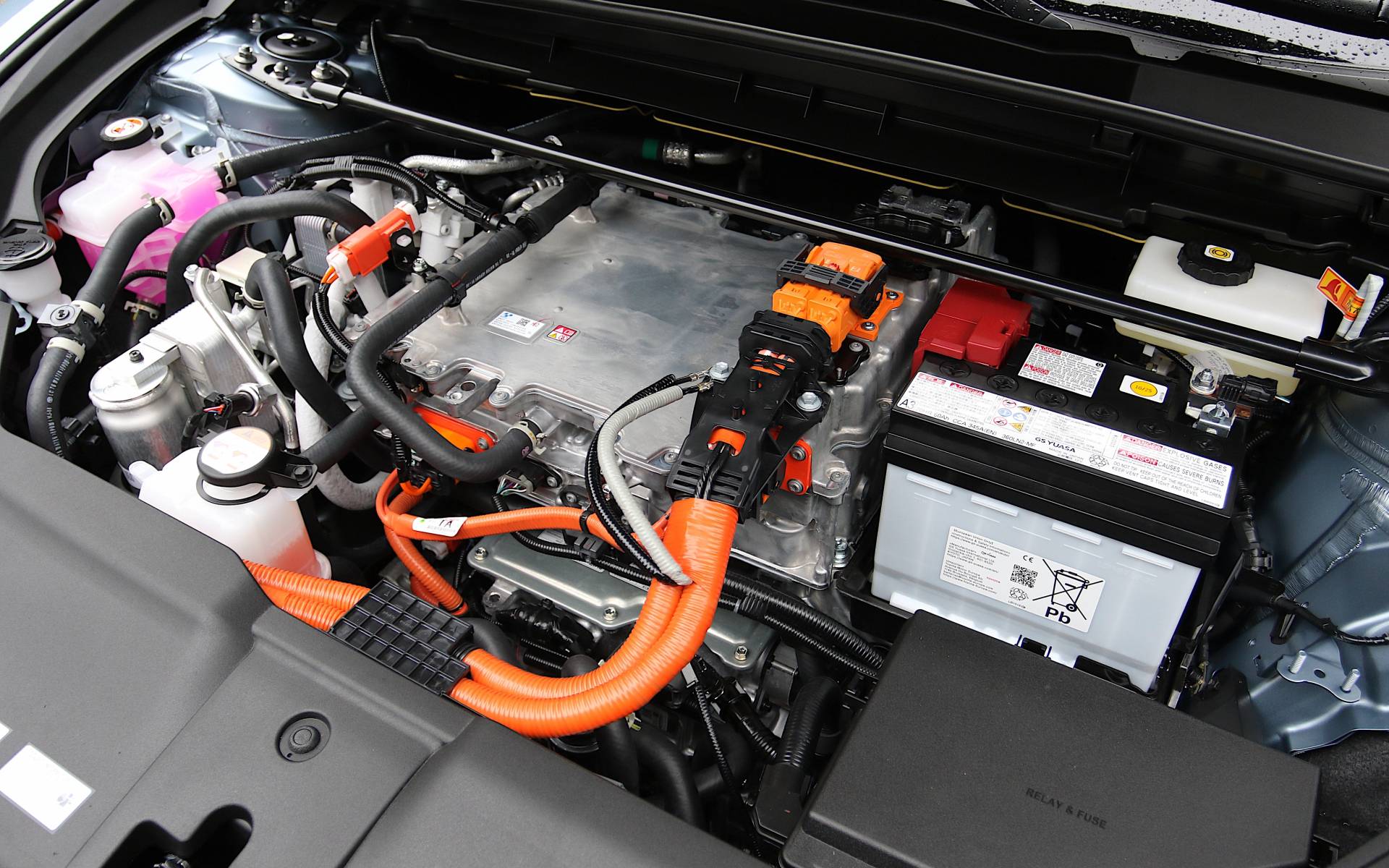
On the other hand, the lack of a storage compartment under the front hood (a.k.a. frunk) is a disappointment. Even more frustrating—and puzzling—is the wiper-less rear window in a climate like Canada’s.
As for pricing, well, there’s a $7,000 difference between the base RZ 350e (MSRP starting at $59,990) and the mid-grade RZ 450e ($66,990). Is the added benefit of all-wheel drive and extra power worth it? We believe so, but it’s up to you to decide. Oh, one more thing: while the federal iZEV program is dead, you should check with local Lexus dealers for possible discounts.