Hybrids Overtake ZEVs in Canadian Market Share For the First Time
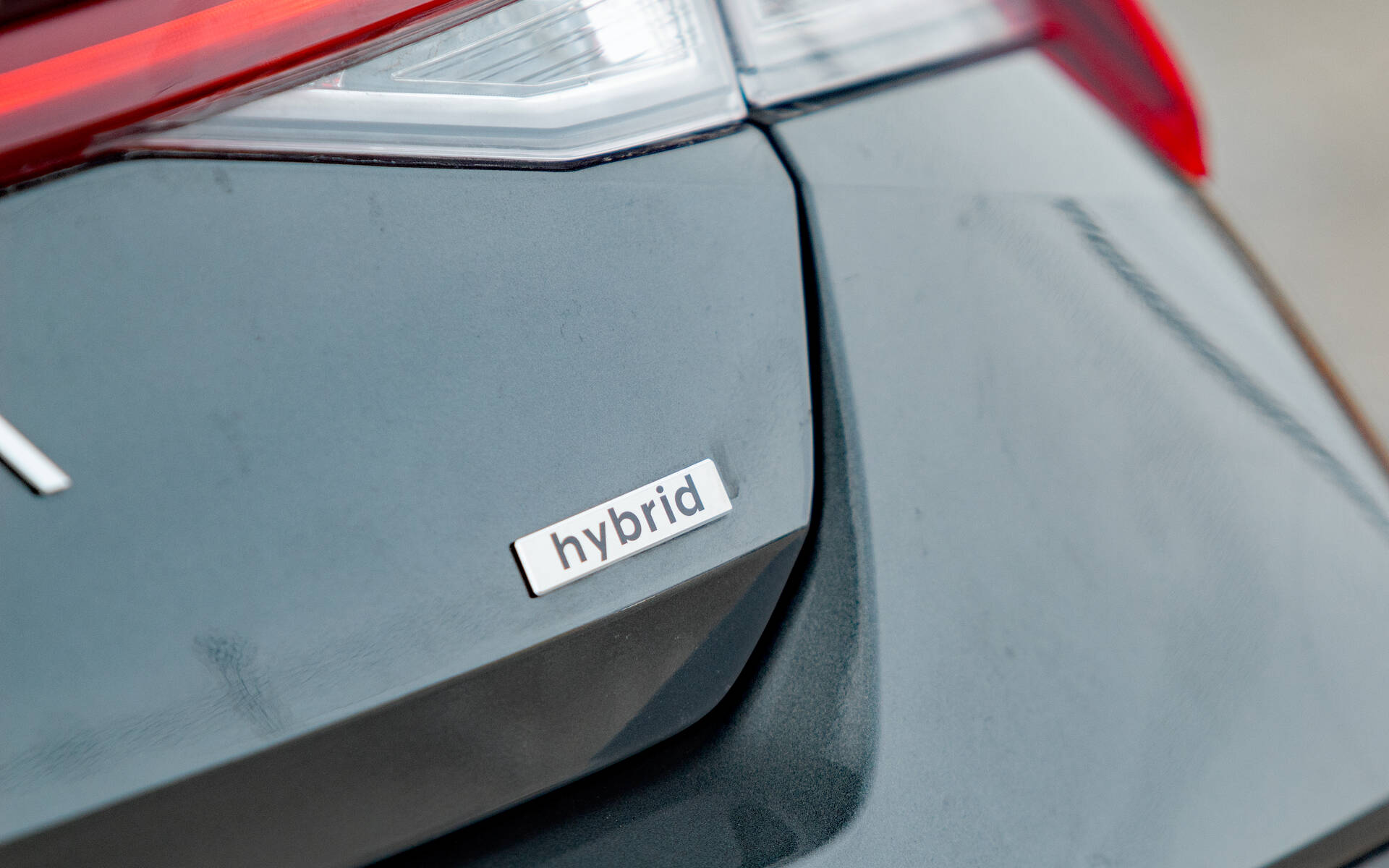

How things have changed in one year. With the reduction and/or suspension of government subsidies, sales of new zero-emission vehicles (ZEVs) in Canada, including fully electric and plug-in hybrid models, dropped to a 9.2% market share in the second quarter of 2025, according to data recently published by S&P Global Mobility.
Meanwhile, the popularity of hybrid vehicles has continued to grow, surpassing the market share of ZEVs for the first time at 12.9%. If we included mild hybrids, too, their share would increase to 17.1%.
Read also
- Canadian ZEV Mandates to Be Delayed, Auto Industry is Relieved
- Quebec Backs Off Full Ban on New Gas-Powered Cars in 2035
“The surge in hybrids is driven by mainstream consumer concerns regarding BEV affordability in a high interest-rate environment, charging infrastructure gaps, and range anxiety,” the report explains. “With federal and provincial ZEV incentives ended or reduced, along with the 100% tariff on Chinese BEVs, hybrids are emerging as the preferred transitional technology for the risk-averse majority.”
A Fractured Electrification Landscape Across Canada
Even amidst a market correction, Quebec is the only province where battery-electric vehicles remain the top alternative powertrain choice (11.8%), S&P Global Mobility data shows. Same thing for ZEVs as a whole (17.3%). Full hybrids are growing fast but are still in second place (9.4%).
Long viewed as a benchmark for the electric transition, British Columbia has now become the hybrid capital of Canada, with hybrids holding a 16.9% market share compared to 9.9% for battery-only models.
Outside of these two provinces, the electrification story is almost exclusively about the overwhelming dominance of hybrids, the report points out. In Ontario and Alberta, the market share of hybrids now stands at 14.6% and 12.3%, respectively.
Top Hybrid Makes in Canada
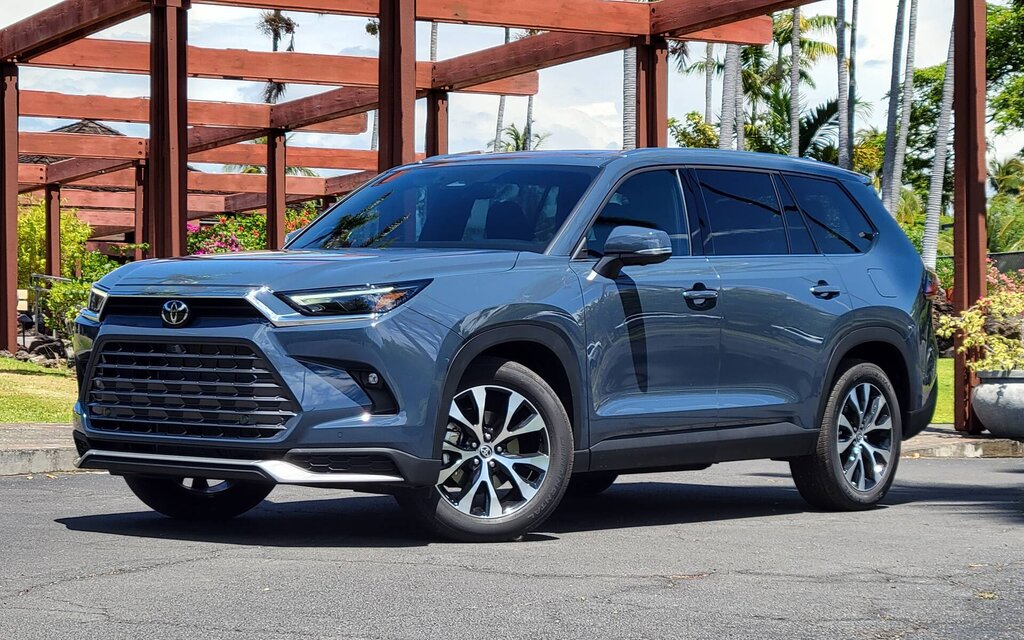
Since the beginning of 2022, Toyota has never relinquished its hybrid sales crown in Canada. With more than 25,000 new registrations in the second quarter of 2025, the Japanese automaker holds a 38.1% market share. Models like the RAV4 Hybrid and Highlander/Grand Highlander Hybrid have become go-to choices for families. Hybrids from luxury brand Lexus also play a key role in the company's success.
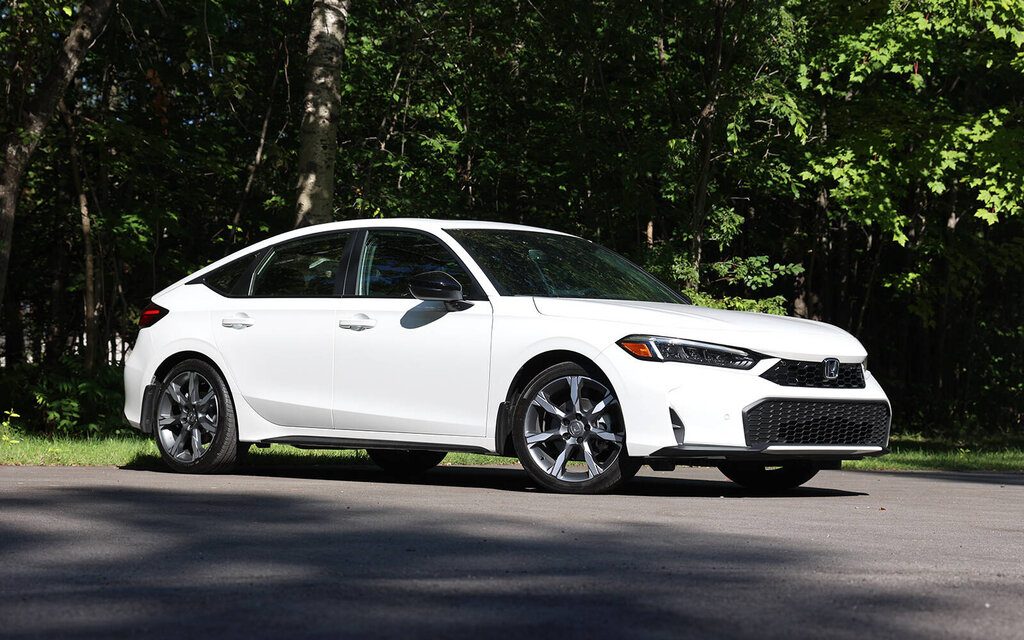
Honda is on an unprecedented rise, dethroning Ford (11.8%) as Toyota's main competitor in hybrid vehicles. Its market share in Canada currently stands at 25.8%. Korean brands are not to be ignored, mind you. Hyundai’s hybrids, for example, represent nearly 12% of the market.
Admittedly, many have benefited from Tesla’s historic decline. Three years ago, Elon Musk's company held no less than 46.7% of the ZEV market in the country. Today, it's only 7.8%, even being surpassed by Ford (12.9%), Chevrolet (9.7%), Toyota (9.3%), Kia (9.5%), and Hyundai (8.7%).
As S&P Global Mobility notes, the current market trajectory, with consumers favoring non-ZEV hybrids, creates a substantial gap between market reality and the federal government’s ambitious ZEV sales targets. That’s why Ottawa has decided to backtrack. On Sept. 5, Prime Minister Mark Carney launched a 60-day review of the regulation that calls for 20% of automakers’ sales in Canada to be ZEVs starting in 2026.