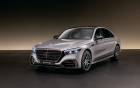
2025 Volkswagen Tiguan: Improved But Not Game-Changing
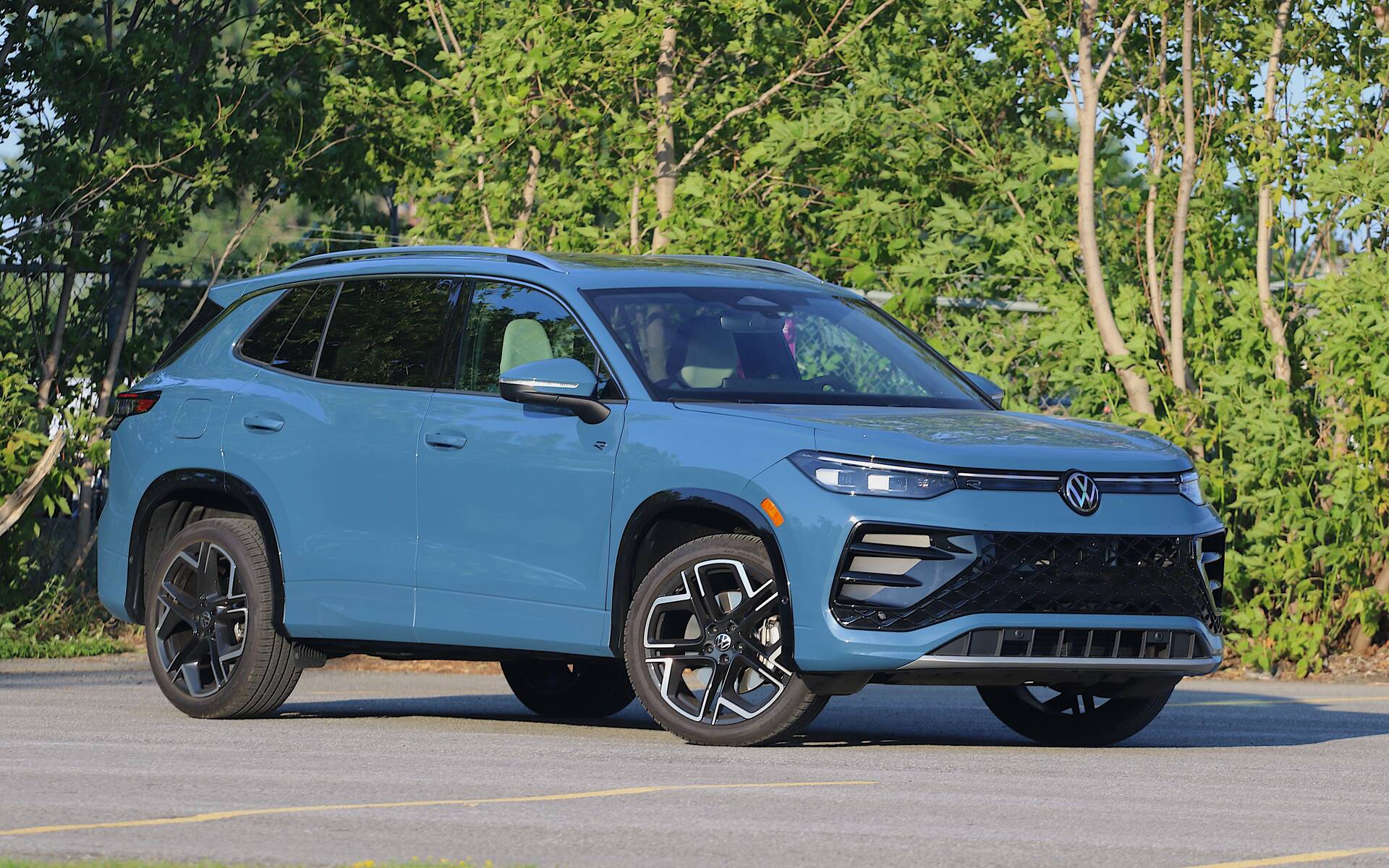

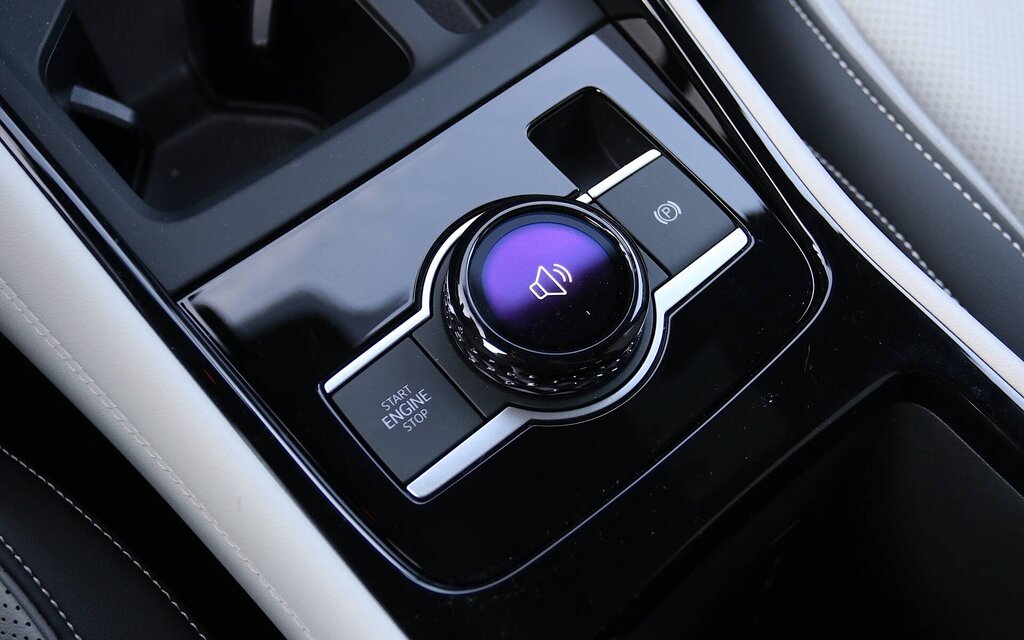
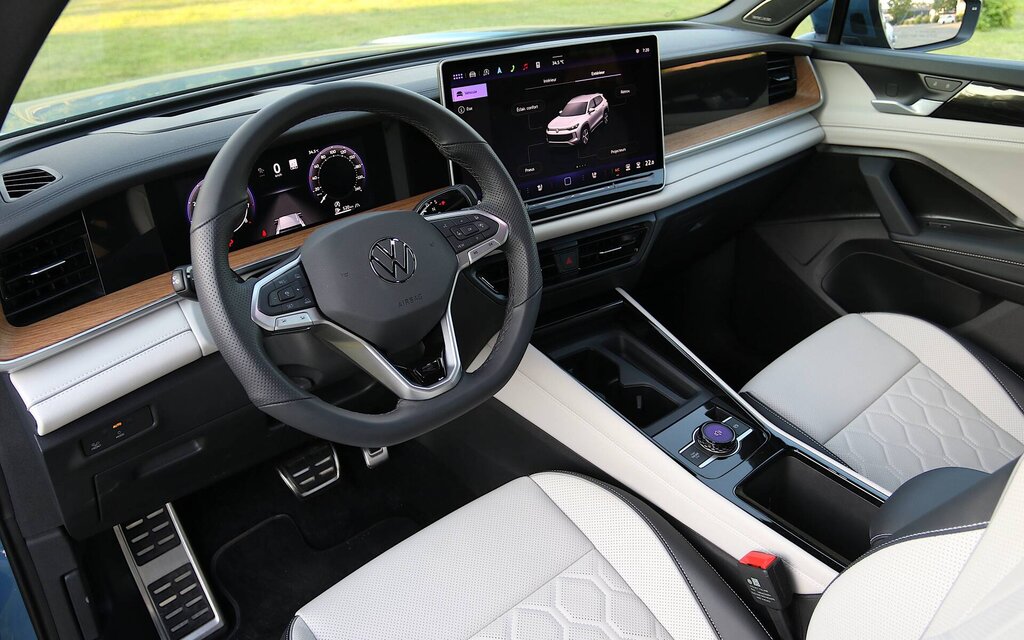
You’re looking at version 3.0 of the Volkswagen Tiguan compact SUV, first introduced in North America as a 2009 model. This new generation features a revised exterior that’s more in line with the German brand's other products, as well as changes to the interior including a larger screen that’s now positioned atop a modified dashboard. There’s also a new centre console where the shifter is replaced by a round selector and a few buttons.
In terms of fit and finish, the latest Tiguan has made notable progress with a more luxurious ambiance and higher-quality materials. On the other hand, ergonomics draw mixed reviews. While the large touchscreen looks pretty sharp and the infotainment system is pleasantly responsive, you’ll find even fewer physical controls than before.
Read also
- 2025 Volkswagen Tiguan: Successful Inner Work
- Volkswagen to Launch Two Hybrids in North America in Coming Years
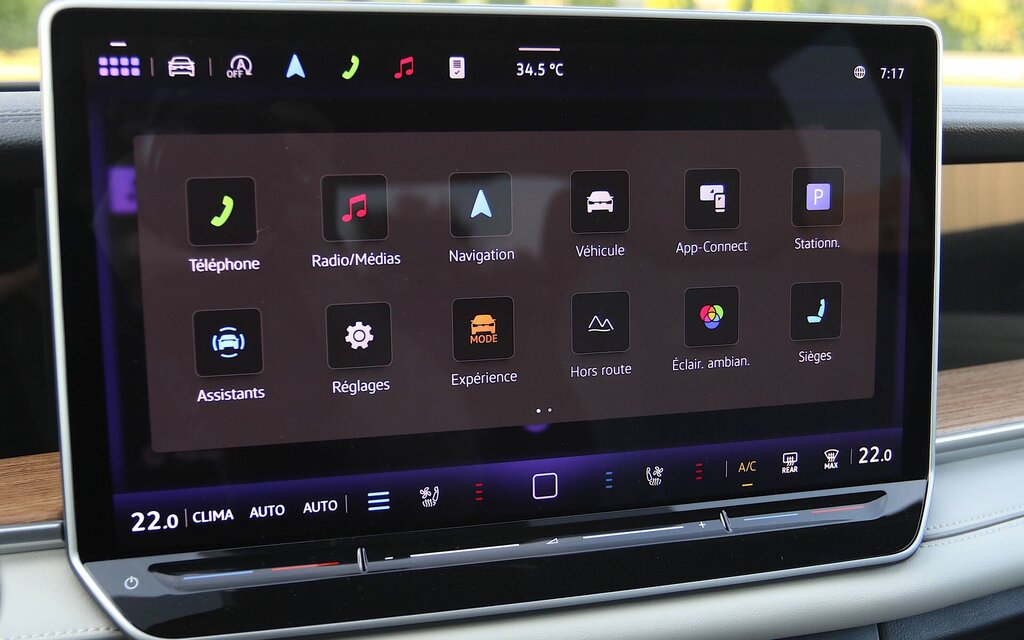
The touch-based controls for adjusting temperature or ventilation are a nightmare, causing plenty of distraction while driving. Ironically, it’s best to go through the touchscreen because you won’t be taking your eyes off the road as much.
The aforementioned round selector on the centre console can be used to engage any of the drive modes or, alternatively, adjust radio volume when pressed. We would have preferred two separate controls, which would make for easier operation—aesthetics be damned.
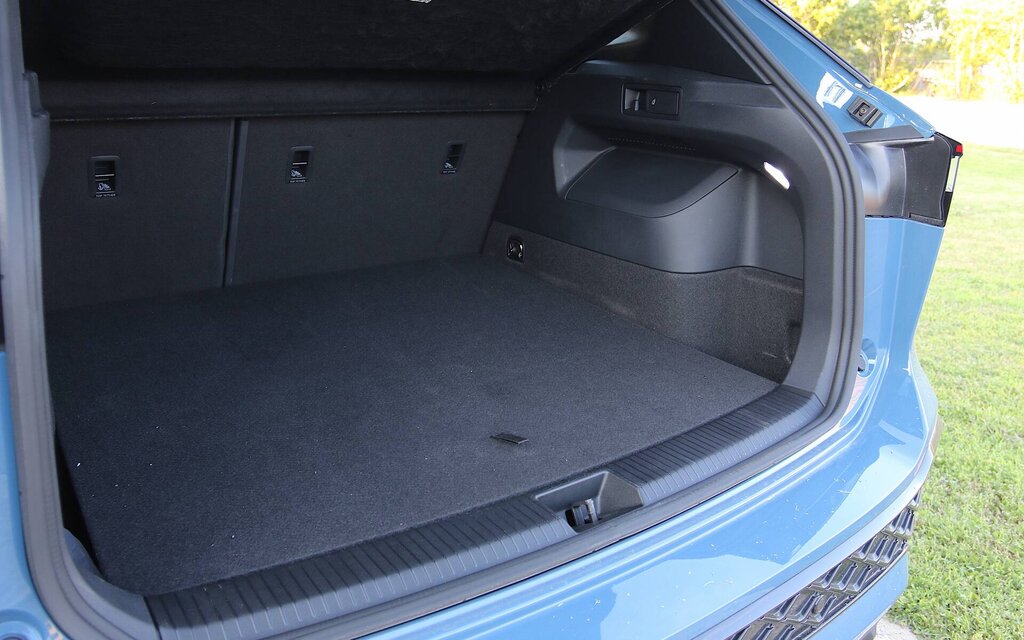
Let’s give credit to the 2025 Tiguan for offering plenty of space in the front row. In fact, the same goes for the second row, where headroom and legroom is generous enough. The trunk has a high floor but still packs a decent amount of gear, although not nearly as much as it used to.
You see, the old Tiguan had a cargo capacity of 1,065 to 2,078 litres, while its successor only manages 750 to 1,668 litres. In other words, one of the most capacious SUVs in its class has suddenly become one of the worst for cargo space.
Now a Bit More Dynamic
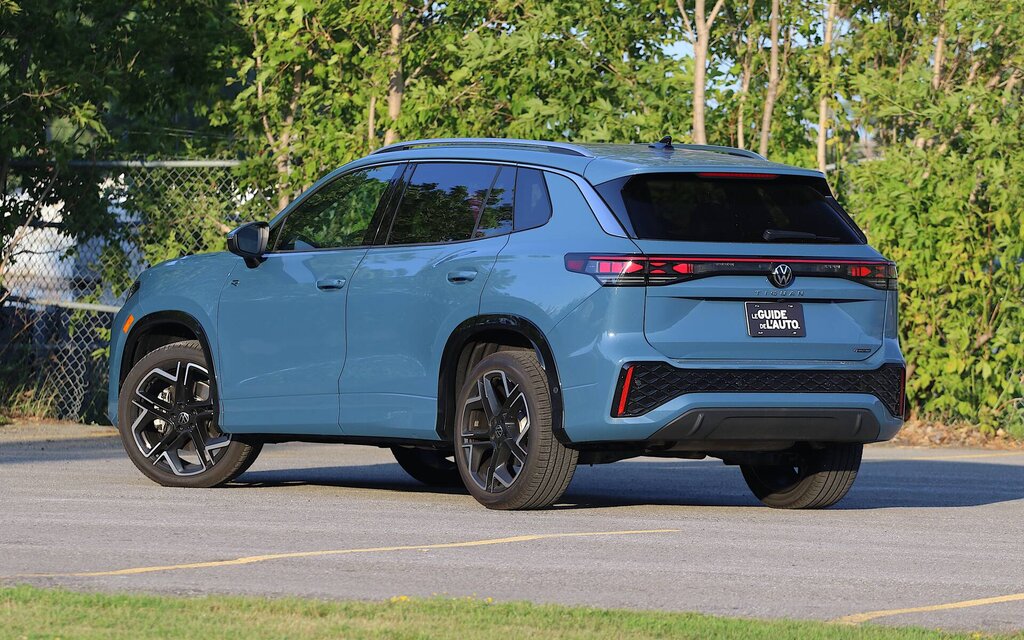
German vehicles have largely built their reputation on driving dynamics. In the transition from the first to the second generation of the Tiguan, Volkswagen clearly made sacrifices for the sake of utility and convenience. For 2025, steering is slightly more precise and improves handling, resulting in a driving experience that is a bit more dynamic than before. However, it’s not like you’re driving a lifted Golf R, that’s for sure. The Tiguan remains docile but not as engaging as a Mazda CX-5 or Honda CR-V, for example.
Ride quality is once again a strong attribute of the Volkswagen SUV, so many families will be pleased with that. The suspension does a remarkable job of filtering out road imperfections, which makes a huge difference on rough and bumpy roads. The cabin proves very quiet, as well, keeping occupants well isolated from the outside world.
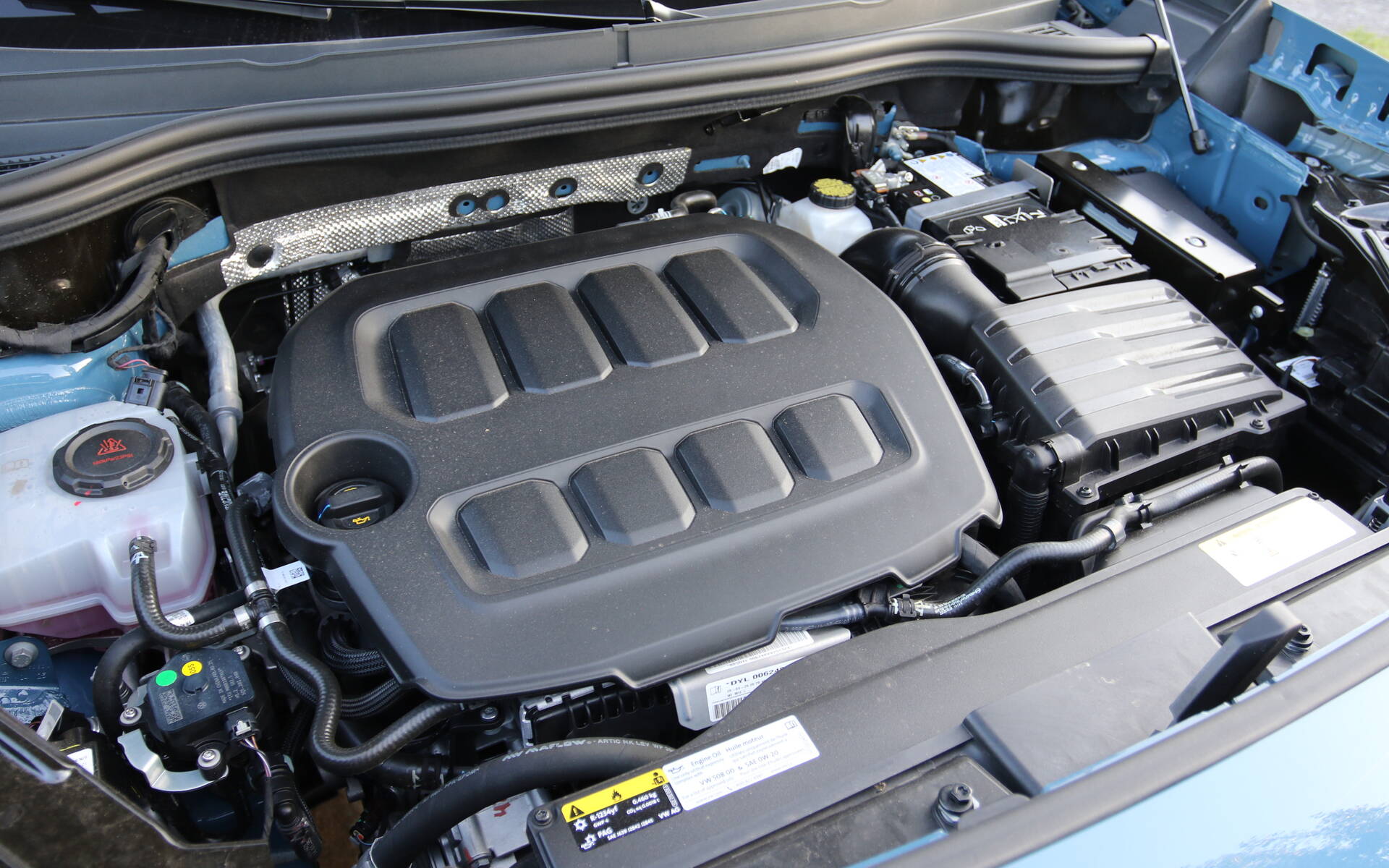
Under the hood, the turbocharged 2.0-litre four-cylinder engine is back, except with 201 hp instead of 184 hp. Peak power is now delivered at 5,000 rpm, or 600 rpm higher than before. Torque is unchanged at 221 lb-ft.
From the driver’s perspective, the increase in output isn't really noticeable. Performance is decent but not exciting. The engine continues to partner with an eight-speed automatic transmission that still feels jerky at times. We found it annoying in everyday use, especially at low speeds when starting from a stop. That said, if you live out of town in a more rural area, this should be less of an issue. In any case, we recommend taking the Tiguan for a test drive to see if you're comfortable with the way it shifts.
Another disappointment is fuel consumption. Far from being the most efficient SUV in its class, the new model is officially rated at a combined 9.3 L/100 km by Natural Resources Canada. That’s hardly competitive. On our watch, the Tiguan achieved 11.1 L/100 km over more than 300 km of driving, two-thirds of which took place in the city and the remaining third on secondary roads. We expected a much better result, even considering the time we spent around town.
The lack of a hybrid variant will seriously hurt the Tiguan as most competitors, such as the Toyota RAV4, Ford Escape, Hyundai Tucson and Honda CR-V, offer at least one electrified option and average anywhere between 6.0-6.9 L/100 km. By the way, Volkswagen has announced that a new, more powerful turbo engine (268 hp, 258 lb-ft) will be available for the 2026 model year, albeit in top trim only. Obviously, that’s not what fuel-saving drivers wanted to hear. The wait will continue.
Four Trim Levels
All 2025 Volkswagen Tiguan models come standard with 4Motion all-wheel drive. The entry-level model, which starts at an all-inclusive price of $39,319, is well equipped with a large 12.9-inch screen, wireless Apple CarPlay and Android Auto, dual-zone climate control, 17-inch alloy wheels and a full suite of driver assistance systems.
Content expands as you move up the ladder. Our fully loaded Highline R-Line tester—the most expensive at $50,310—was impressively appointed, but some of the features were definitely not must-haves. Unless you insist on having 20-inch wheels and a more advanced audio system, we think you'll find better value in a base Trendline or mid-grade Comfortline model.