World’s Fastest EV is Now This 3,000-Hp Electric Hypercar From China

Despite failing to achieve the commercial success their manufacturers hope for, electric supercars and hypercars are making waves and generating a lot of buzz with their mind-blowing, sometimes record-breaking performance. The most recent example comes from China.
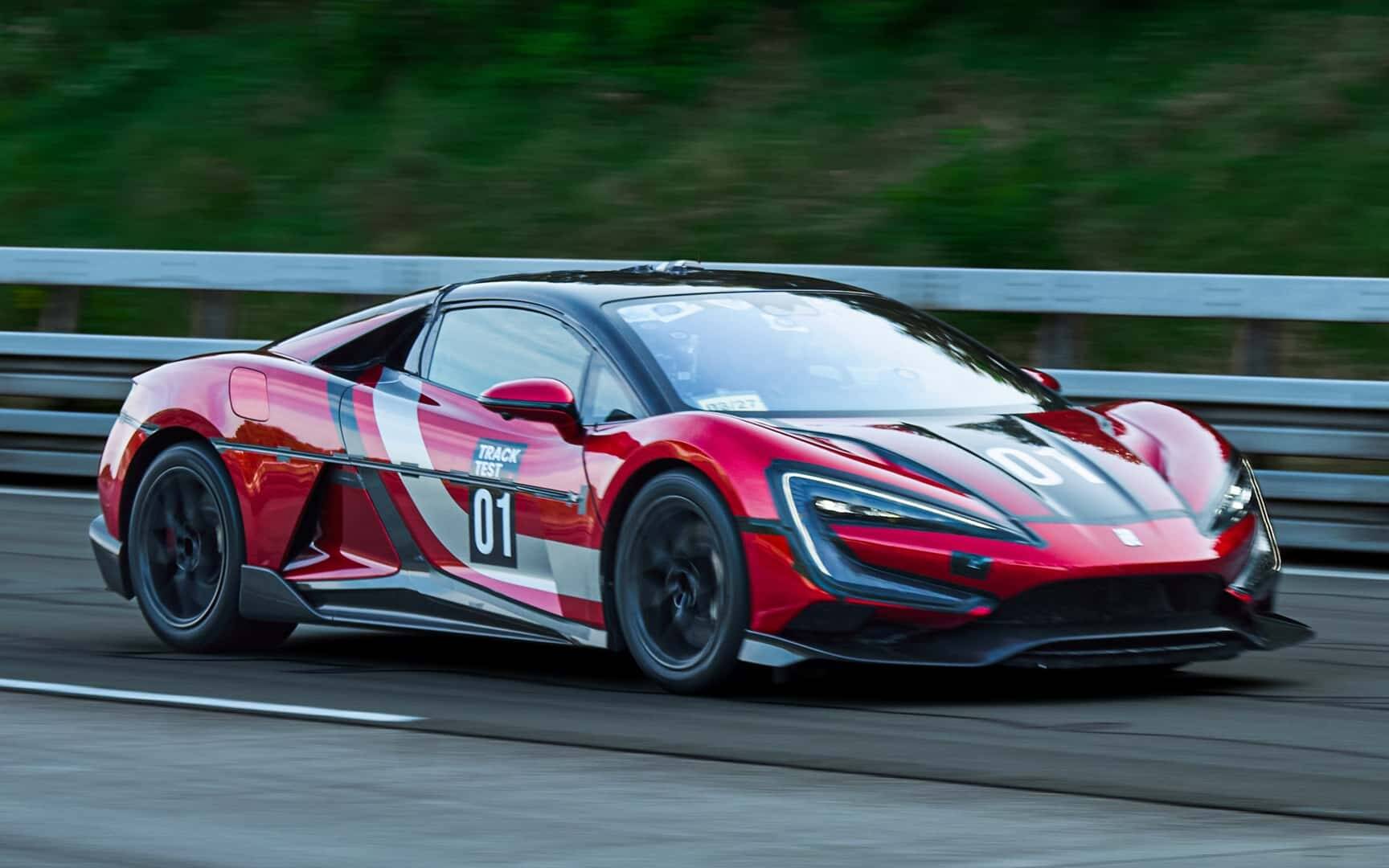
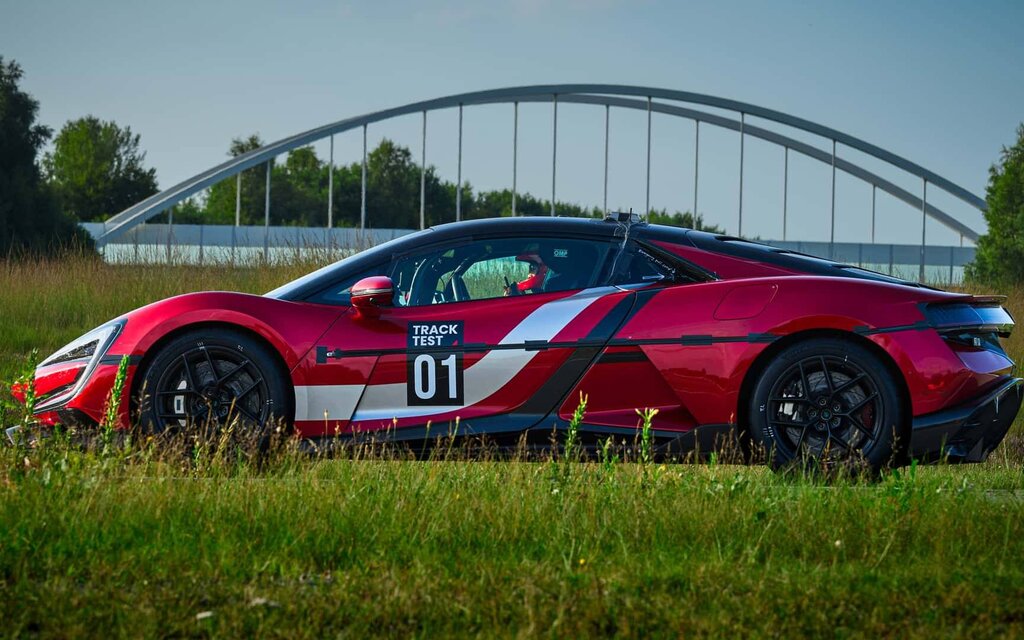
On August 8 at the ATP Automotive Testing Papenburg track in Germany, BYD achieved a remarkable feat thanks to the exclusive U9 Track Edition model of its high-performance luxury brand YangWang. In the hands of professional driver and 24 Hours of Nürburgring champion Marc Basseng, a regular in this type of test, the car achieved an EV-best top speed of 472.4 km/h.
Read also
- Watch: Rimac Nevera R Breaks 24 World Speed Records
- Watch: Top 10 Fastest Cars at 2025 Goodwood Festival of Speed
The following POV video was posted on YouTube to show how it all went down from the driver’s perspective:
As demonstrated by this unofficial world record—achieved in one direction only instead of two as the FIA rules dictate—the YangWang U9 Track Edition easily outperforms the Aspark SP600 (438.7 km/h) as well as the Rimac Nevera R (431.5 km/h). Of course, with its four motors capable of revving up to 30,000 rpm and generating a little over 2,950 horsepower in total, BYD’s rocket proves way more powerful than its Japanese and Croatian rivals, which produce 1,984 and 2,107 horsepower, respectively.
For the test run, the car was equipped with a more extreme carbon fibre front spoiler and deleted the massive rear wing of the regular U9 (1,287 horsepower). Its ultra-sophisticated torque-vectoring system can adjust torque distribution to each wheel over 100 times per second, while its intelligent body control system—the same one that allows it to jump off the ground when needed—constantly makes subtle adjustments to the suspension in order to minimize pitch and roll.
As for the fastest road car on the planet, the Bugatti Chiron Super Sport 300+ has claimed a top speed of 490.5 km/h, but the mark is not homologated by the FIA because it didn’t involve two runs in opposite directions. Alternatively, the Koenigsegg Jesko Absolut boasts an estimated top speed of 531 km/h, however the Swedish manufacturer has yet to conduct an official attempt.