Tariffs’ Impact Yet to Be Felt as New Vehicle Sales Rise 4.3 Percent in First Half

Although vehicle imports into Canada have fallen to their lowest level in over two years, and demand for EVs has slowed dramatically, new vehicle sales in the country rose by 4.3 percent in the first half of 2025 compared with the same period in 2024, according to figures compiled by Automotive News Research & Data Center.

Excluding Volkswagen, Maserati and JLR (which have yet to report their numbers), and including an estimation of Ford’s sales (which reports annual sales only), 958,214 new vehicles were sold across Canada from January through June.

In the second quarter alone, the increase amounted to 6.4 percent.

With 157,671 units sold in the first six months, General Motors has the largest share of the Canadian market at 15.8 percent. Toyota, meanwhile, has sold 124,181 vehicles so far this year.
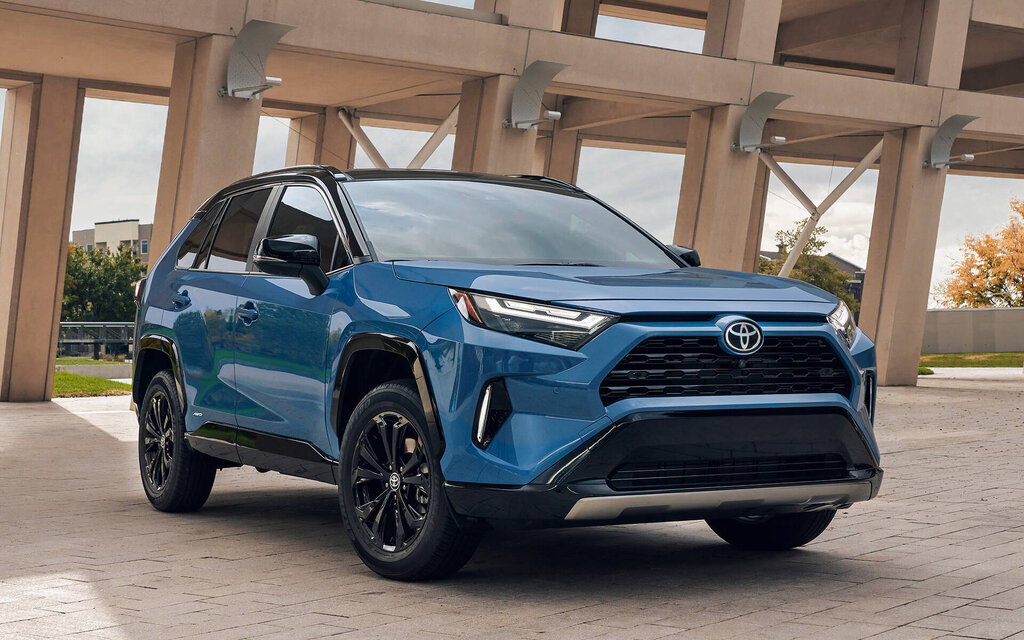
Photo: Toyota

Stellantis' decline continues: its multiple brands (Dodge, Jeep, Chrysler, Ram, Fiat, Alfa Romeo) collectively found 58,908 takers in the top half of 2025, representing a 14-percent drop versus the previous year.

$48,900 on Average

J.D. Power Canada reports that the average transaction price of a new vehicle has been rising steadily month after month—and by 25 percent since 2022. It now stands at $48,900. However, as the company notes, automakers have spent more on discounts and incentives to attract consumers.
Photo: Ford

The lowered interest rates in many cases have been beneficial, too. In fact, rates starting with a zero are no longer rare these days. The average monthly payment for customers choosing to finance their new vehicle has dropped from $880 to $870 in a year (but the average monthly payment for lease customers has climbed from $788 to $790).

What’s more, it’s pretty clear that many Canadians brought their purchases forward knowing that the new tariffs and countertariffs will inevitably have an impact on vehicle prices as manufacturers will not be able to absorb all of the cost. With this in mind, these tariffs should be felt more sharply in the second half of 2025.


Share on Facebook

More on the subject

ElectricZero-Emission Vehicle Sales in Canada Fell 28 Percent in April
The end of the federal government’s Incentives for Zero-Emission Vehicles (iZEV) program on January 13 continues to hurt sales of electric and plug-in hybrid vehicles, as new data from Statistics Canada shows. In April 2025, 14,725 new ZEVs were sold across the country, representing a decline of 28.5 percent from …
NewsNew Vehicle Sales on the Rise in Canada as Trade War Begins
The fear of higher prices resulting from the trade war unleashed by the U.S. administration has prompted many Canadians to rush their vehicle purchases in recent weeks. This partly explains the 3.7-percent increase in sales nationwide in the first quarter of 2025 compared with the same period in 2024, according …
NewsTrump vs. Canada: Some Fact-Checking About Car Sales and Production
The bulk of the U.S. trade deficit with Canada is owing to energy. Otherwise, the scales tip into America’s favour. Still, new U.S. president Donald Trump is maintaining his desire to slap 25-percent tariffs on products imported from Canada, possibly starting February 1. And it’s not looking good for the …
ElectricAuto Industry Urges Ottawa to End ZEV Sales Mandates
A day after Transport Canada officially halted its Incentives for Zero-Emission Vehicles (iZEV) Program, representatives from automakers and dealers gathered on Parliament Hill in Ottawa on Tuesday to formally call for the end of the federal ZEV sales mandates brought in by the government in 2023. "Yesterday's announcement to halt …
Top 10Top 10 Best-Selling Vehicles in Canada, First Half of 2025
As we reported last week, new vehicle sales in Canada increased by 6.4 percent in the second quarter and by 4.3 percent during the first half of 2025 compared to the previous year, according to figures compiled by Automotive News Research & Data Center. A total of 958,442 vehicles were …
NewsDetroit Automakers Balk at U.S.-Japan Trade Deal
Detroit's Big Three automakers criticized the US-Japan trade deal on Wednesday for setting a lower tariff for Japanese auto exports compared with those from Mexico and Canada, where Detroit automakers operate. President Donald Trump's accord with Japan appeared to be a "bad deal" for the US industry, said Matt Blunt, …
NewsNew Vehicle Sales Reach Highest Point Since Start of Pandemic
Despite concerns over the impact of tariffs on Canadian vehicle sales, the second quarter of 2025 marked the highest number of new quarterly registrations since the start of the COVID-19 pandemic, Statistics Canada announced this week. The numbers show that Canadians registered 541,566 new motor vehicles in the second quarter, …
News7 Surprising Facts About Third-Quarter New Vehicle Sales in Canada
7 Surprising Stats About Third-Quarter New Vehicle Sales in Canada New vehicle sales in Canada after the first three quarters of 2025 are up 4.5% compared to the same period in 2024, according to estimates from DesRosiers Automotive Consultants. Surprised? Well, many people could be, what with the trade war …