Honda to Cut EV Spending and Sales Targets, Focus on Next-Gen Hybrids
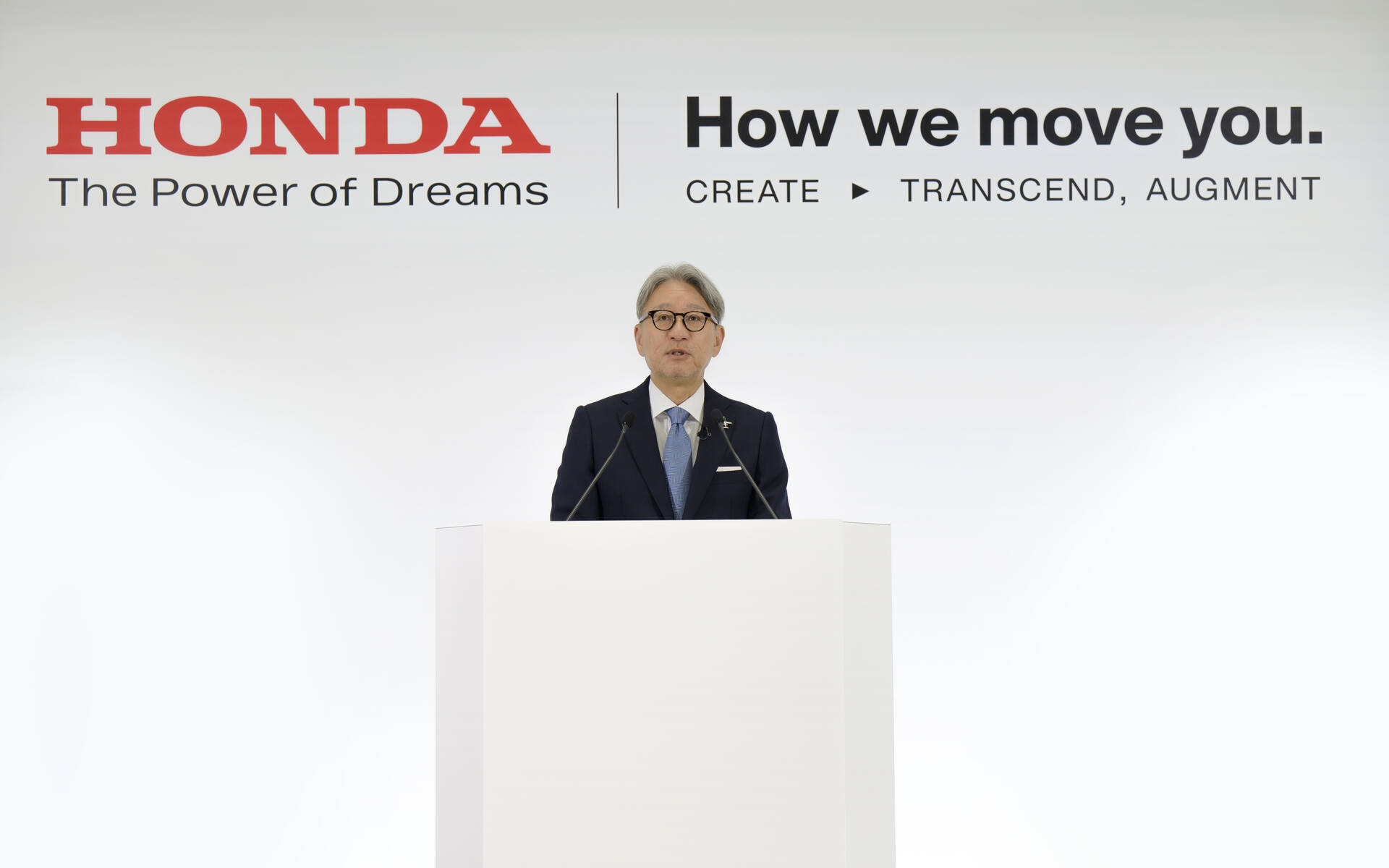

One week after announcing it would postpone by at least two years its large-scale investments to establish an electric vehicle supply chain in Ontario, Honda now says it plans to cut R&D investment in electrification and software by 30 percent through the end of the decade.
During an annual business briefing in Tokyo on Tuesday, president and CEO Toshihiro Mibe admitted the move is driven by “recent changes in the EV market environment,” both in terms of demand and regulations, as well as the need to realign the direction of the product strategy.
Read also
- Honda to Postpone EV Investments in Ontario by Two Years, Move Some CR-Vs
- 2026 Honda CR-V Gets More Tech, Adds TrailSport Model
He specifically referred to the expected rollback of fuel economy standards and elimination of tax credit incentives in the U.S.
“The Trump administration will remain in power for four years, but that doesn’t mean that EV demand will bounce back immediately,” Mibe said. “I think it will be pushed back by about five to six years.“
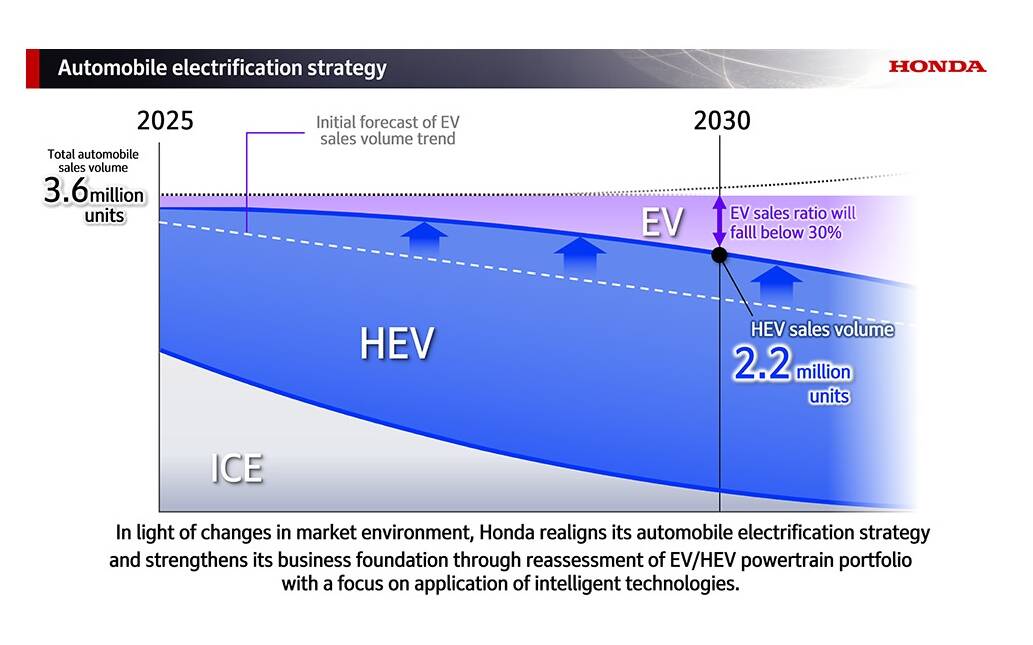
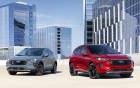
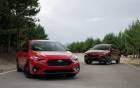
While Honda still plans to launch a next generation of EVs based on the Honda 0 concepts starting next year, the automaker will shift its focus to the development of hybrid vehicles—a market segment with growing demand, as Mibe pointed out—and advanced driver assistance technologies.
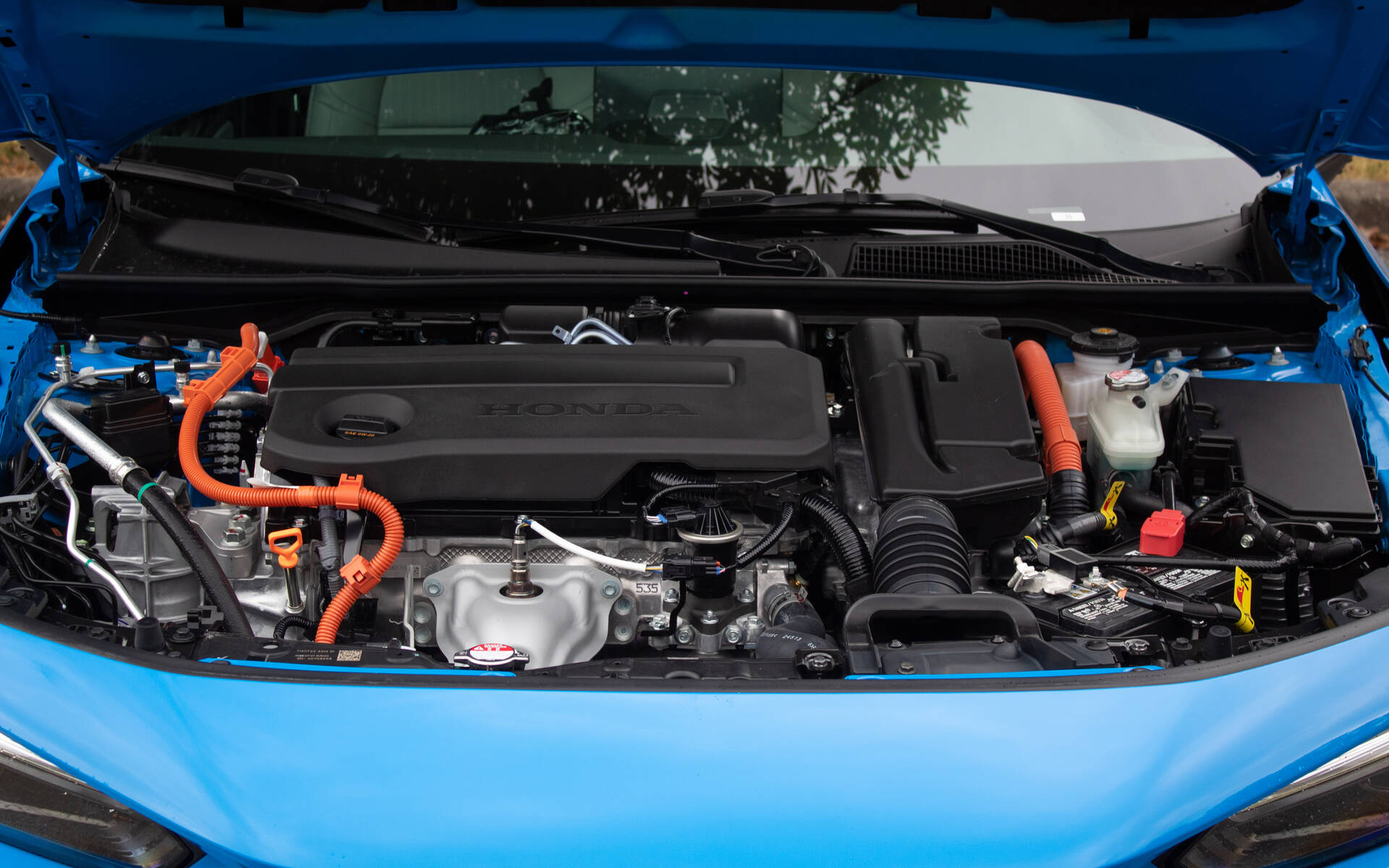
A next-generation hybrid system is slated to arrive in 2027 and will reduce costs by more than 30 percent compared to 2023 to current models, Honda anticipates. Globally, 13 models will receive this system over a four-year span.
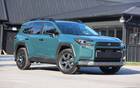
In North America, where demand for large-size vehicles with spacious interiors and high cargo capacity remains strong, Honda will apply the system to its larger vehicles. That means the Pilot and Passport SUVs, the Ridgeline pickup and the Odyssey minivan could offer a gas-electric variant within a few years. The idea is to combine “powerful driving performance with high towing capability and high environmental performance.”
Honda sold 3.81 million vehicles around the world in 2024 and approximately 868,000 of those—close to 23 percent—were hybrids.