Zero-Emission Vehicle Sales in Canada Dropped 45 Percent in March
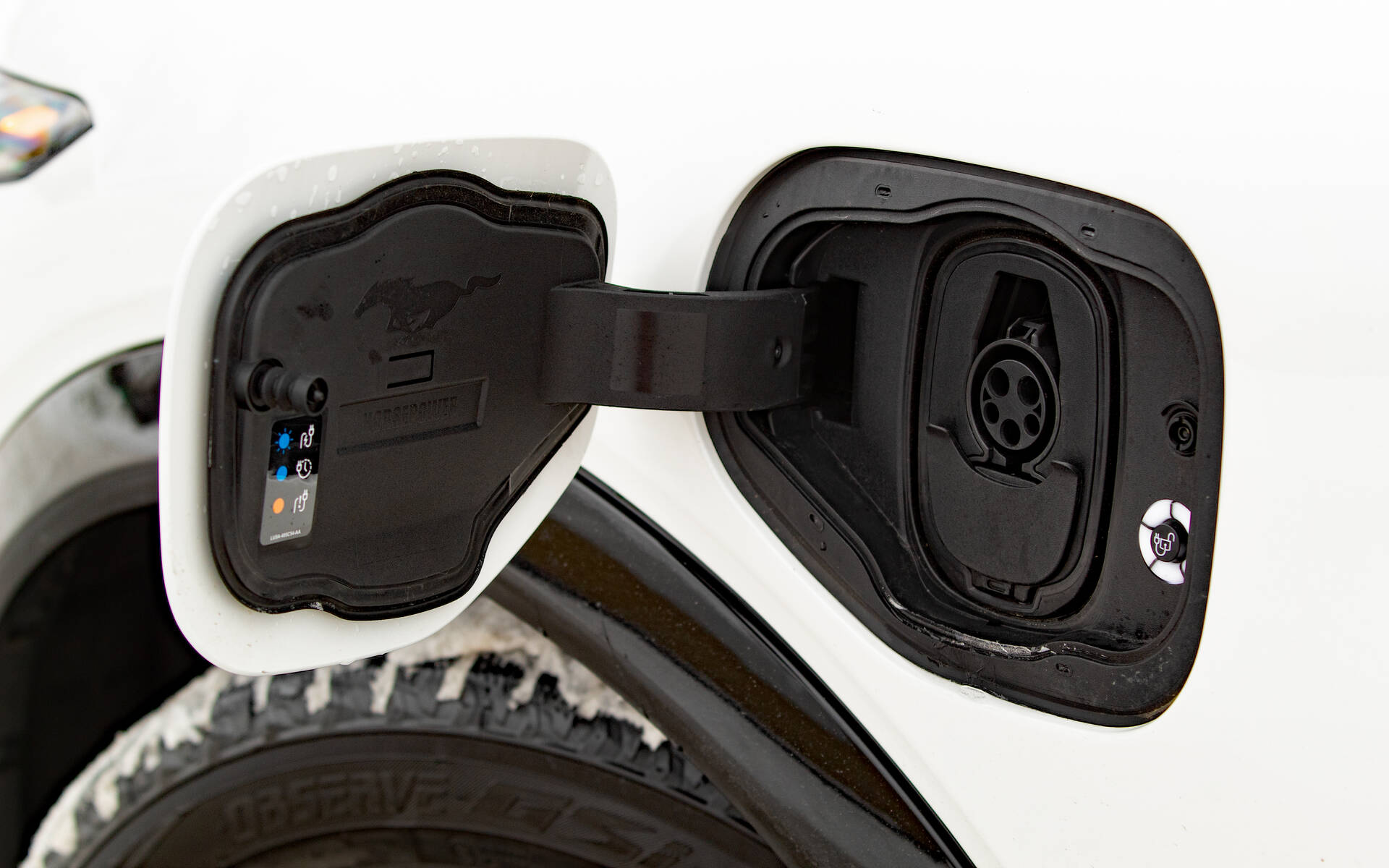
On the same day a report by the International Energy Agency (IEA) highlighted a 35-percent increase in global sales of zero-emission cars during the first three months of 2025, Statistics Canada paints a completely different picture.
The main reason, of course, is the end of the federal government’s Incentives for Zero-Emission Vehicles (iZEV) program on January 13 combined with the suspension of Quebec’s own rebate program in February and March.
Read also
- EV Sales to Continue Growing Despite Trade Uncertainty, IEA Predicts
- New Vehicle Sales on the Rise in Canada as Trade War Begins
In March 2025, 12,347 new ZEVs—electric and plug-in hybrid models—were sold, representing a decline of 44.9 percent from the 22,390 sold in March 2024. These ZEVs comprised 6.5 percent of total new motor vehicles sales, which were up 9.4 percent year over year (189,259 units).
This comes after February’s 41.3-percent drop in Canadian ZEV sales (8,531 units) compared with the same month in 2024.

In ZEV-friendly Quebec, the suspension of the Roulez vert program from February 1 to March 31—due to funds running out—was announced back in mid-December of last year, which prompted many customers to make their purchase sooner or else wait until later in 2025.
What’s more, the province’s rebates were slashed at the beginning of the year, from $7,000 down to $4,000 for full EVs. Plug-in hybrids are now eligible to only $2,000 or $1,000 depending on battery capacity.
British Columbia, another leading Canadian province for ZEV adoption, will put an end to its Go Electric Passenger Vehicle Rebate Program after tomorrow (May 15), as previously reported.
As for the federal incentives, we’ll have to wait and see if and when they return under new Prime Minister Mark Carney’s government.