Tesla 'Recalls' 360,000 Vehicles With FSD Beta to Fix Software
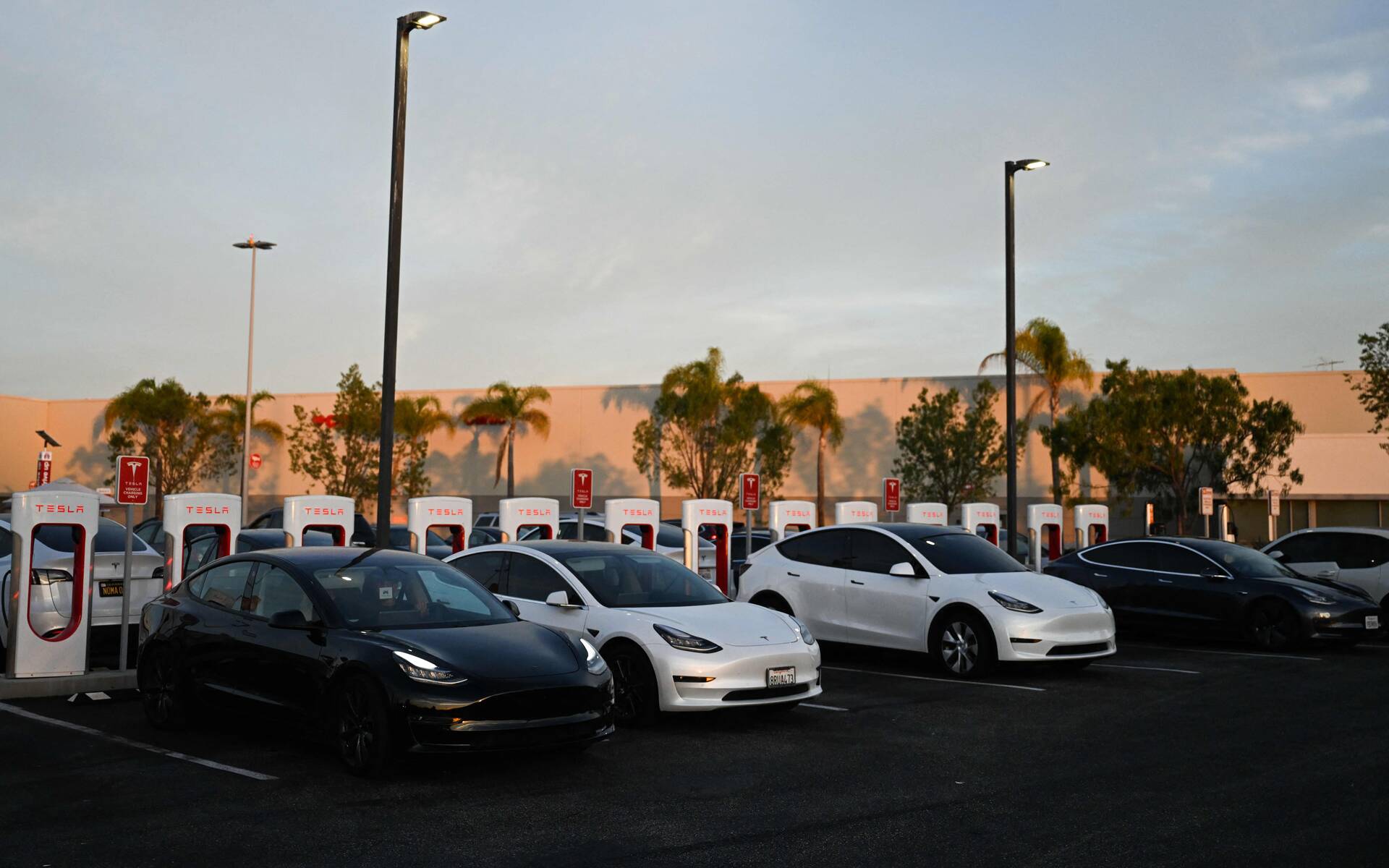
Tesla is recalling nearly 363,000 electric vehicles (including 20,667 in Canada) because of problems with their driver-assistance technology that heighten crash risk, according to a U.S. regulatory announcement seen by AFP Thursday.
The recall affects a range of Model S, Model X, Model 3 and Model Y vehicles from between 2016 and 2023, equipped with "Full Self-Driving Beta" technology, said a National Highway Traffic Safety Administration notice.
Read also
- Tesla Dramatically Cuts Prices in Canada, Model 3 Regains EV Rebate
- Consumer Reports Says Most Reliable EVs Come From Tesla, Nissan
To remedy the problem, Tesla will release a software update that can be implemented remotely.
Problems with Tesla's FSD Beta system mean cars could undertake maneuvers that "could potentially infringe upon local traffic laws or customs, which could increase the risk of a collision if the driver does not intervene," said an NHTSA notice.
The driver-assistance system "may allow the vehicle to act unsafe around intersections" by not coming to a complete stop at a stop sign, traveling straight in a turn-only lane or running an orange light, NHTSA said in a letter to Tesla.
The system also "may respond insufficiently to changes in posted speed limits," the NHTSA letter said.
Tesla shares fell around five percent following the announcement.
The company's CEO Elon Musk downplayed the setback on Twitter, agreeing with a user who said the term "recall" should not be used for problems that can be addressed without significant repair.
"The word 'recall' for an over-the-air software update is anachronistic and just flat wrong!" Musk wrote.
The action comes as US regulators investigate Tesla's driver assistance programs on a number of fronts.
Last month, Tesla disclosed that the Department of Justice opened an investigation into its driver-assistance program. That is on top of an ongoing NHTSA review of Tesla's "Autopilot" following several safety incidents.
Musk has aggressively touted Tesla's driver-assistance programs, which have not progressed as quickly as he said they would.
In 2019, Musk said the company would be able to produce a fully autonomous vehicle within a year -- an outcome that has still not come to pass.