The mini Micra goes to the Garage for its Entrance Exam
Photo: Guy Desjardins
Guy Desjardins
Share
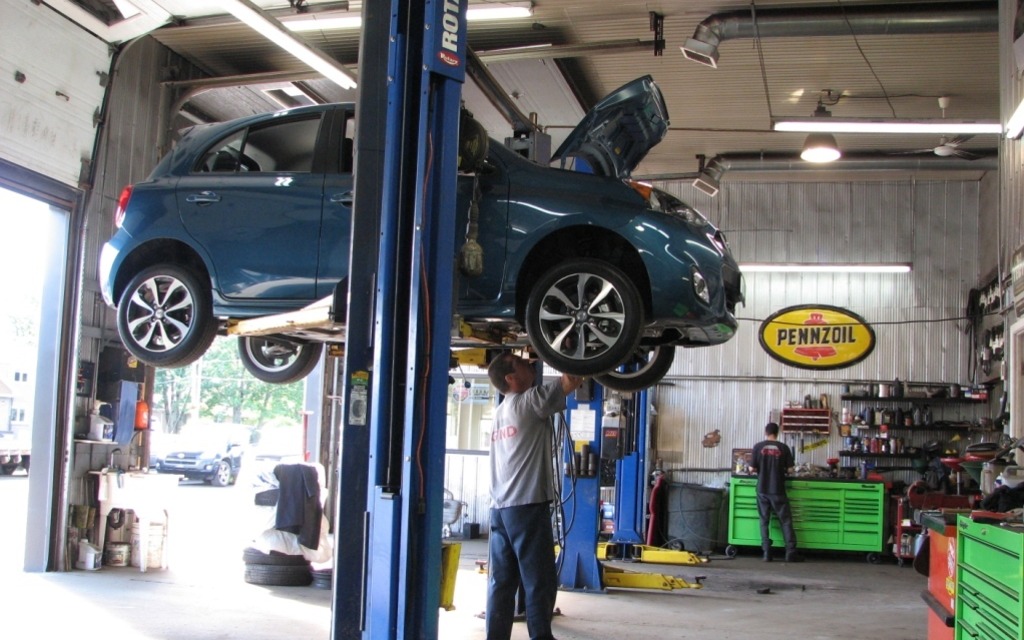
Here is the Micra’s underbelly. This car is a featherweight on the hoist!
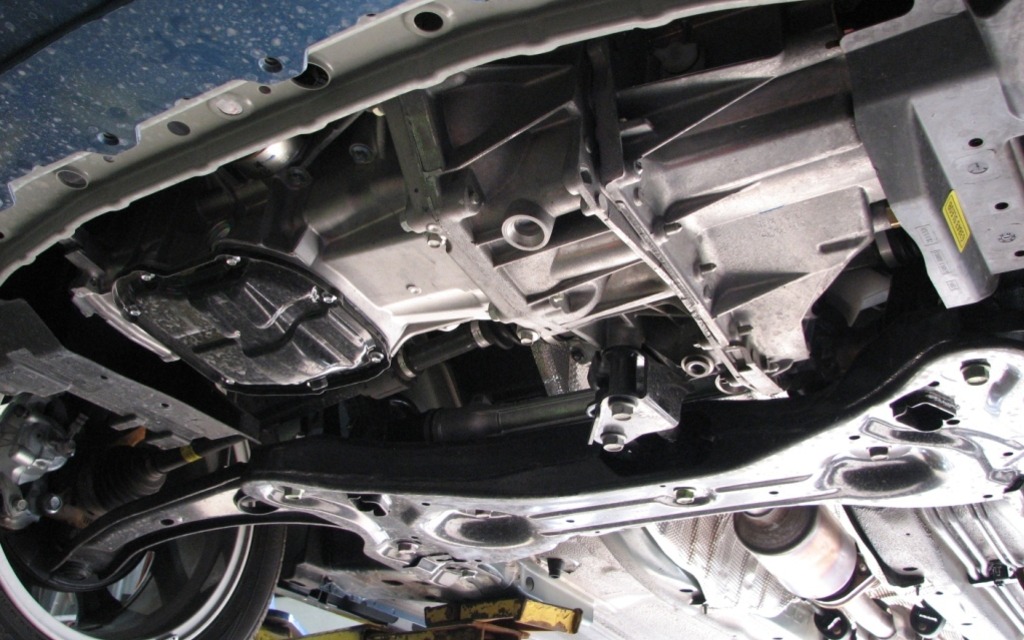
Photo: Guy DesjardinsAccess to the mechanical elements, like the engine, is very easy since there’s no plastic plate protecting the undercarriage.
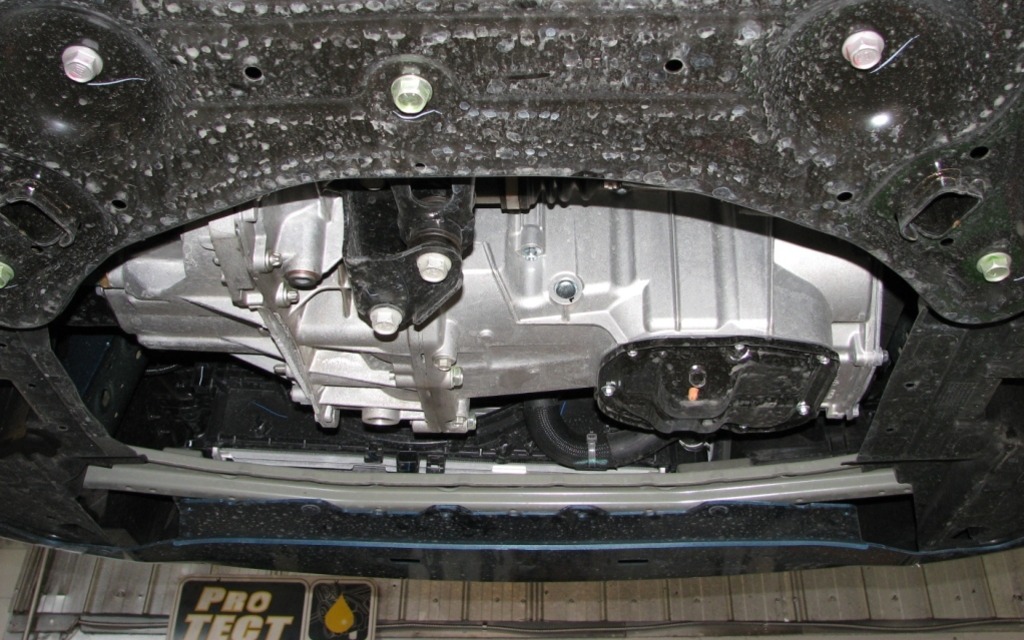
Photo: Guy DesjardinsThe four-cylinder engine takes up a large part of the engine bay. Note, on the right and in black, the oil compartment is easily accessible for oil changes.
Advertisement
Advertisement
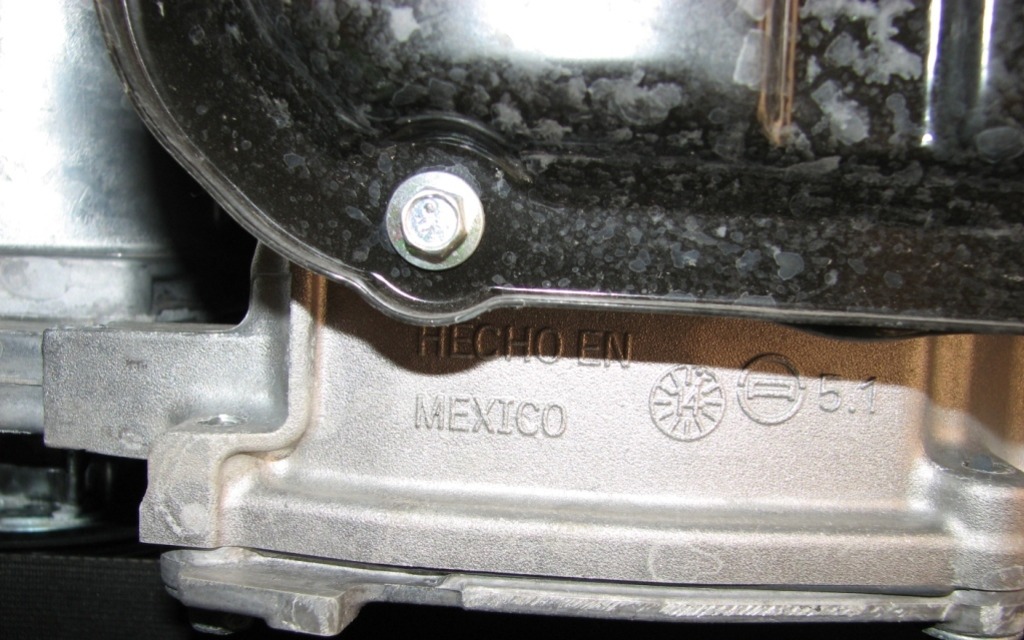
Photo: Guy DesjardinsIt’s no surprise that most, if not all, of the parts are made in Mexico. The writing is in Spanish instead of English.
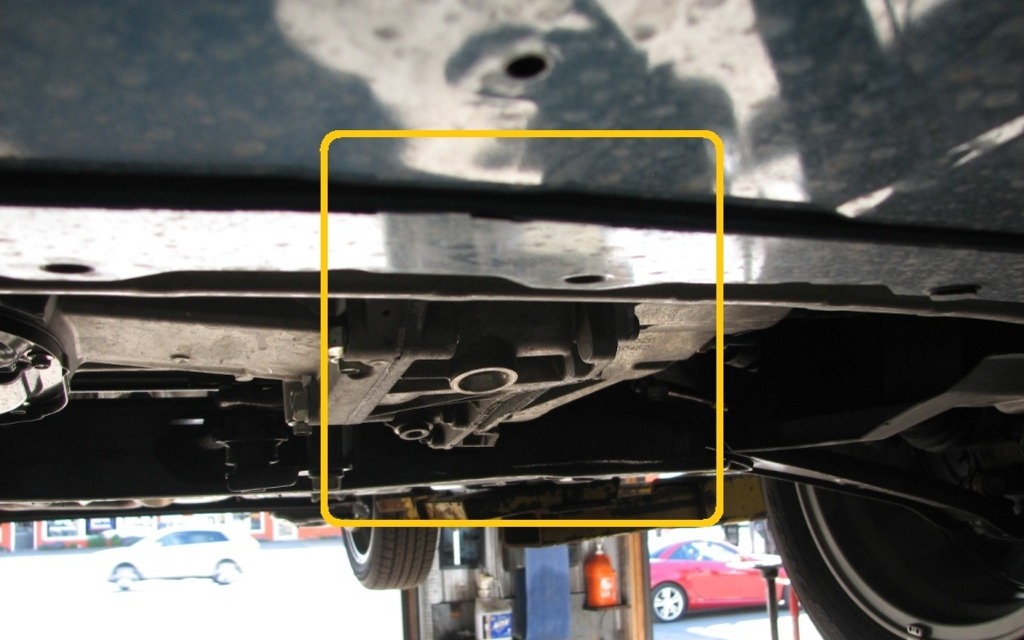
Photo: Guy DesjardinsNothing sticks out under the vehicle except this outgrowth under the engine. This leaves the drivetrain vulnerable, but fortunately, the Micra won’t be asked to go off-roading.
Advertisement
Advertisement
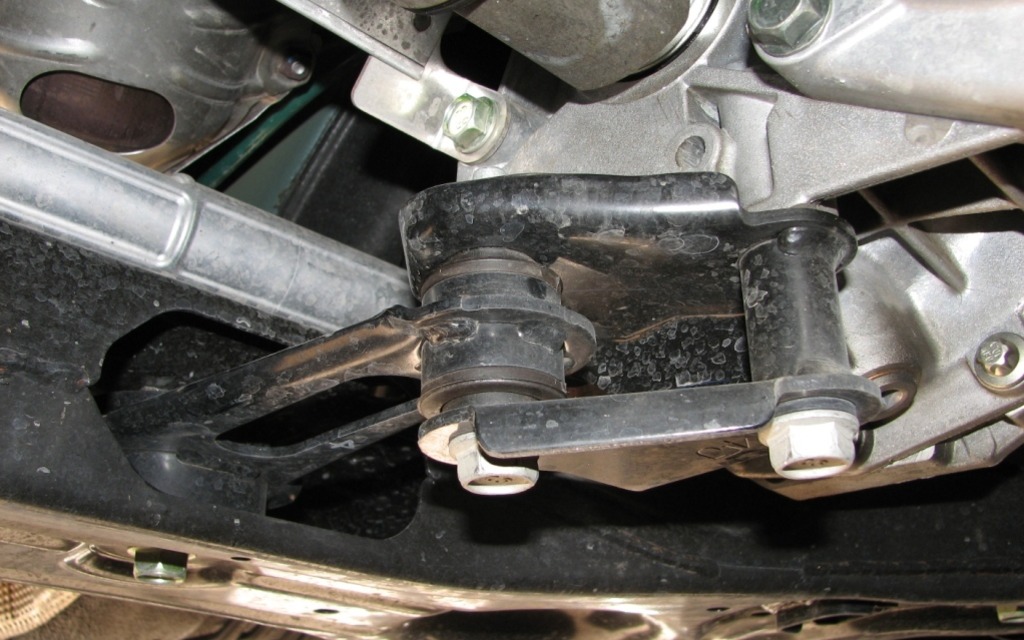
Photo: Guy DesjardinsOne of the engine mounts. While it’s well conceived it seems like it was thrown together at the last minute.
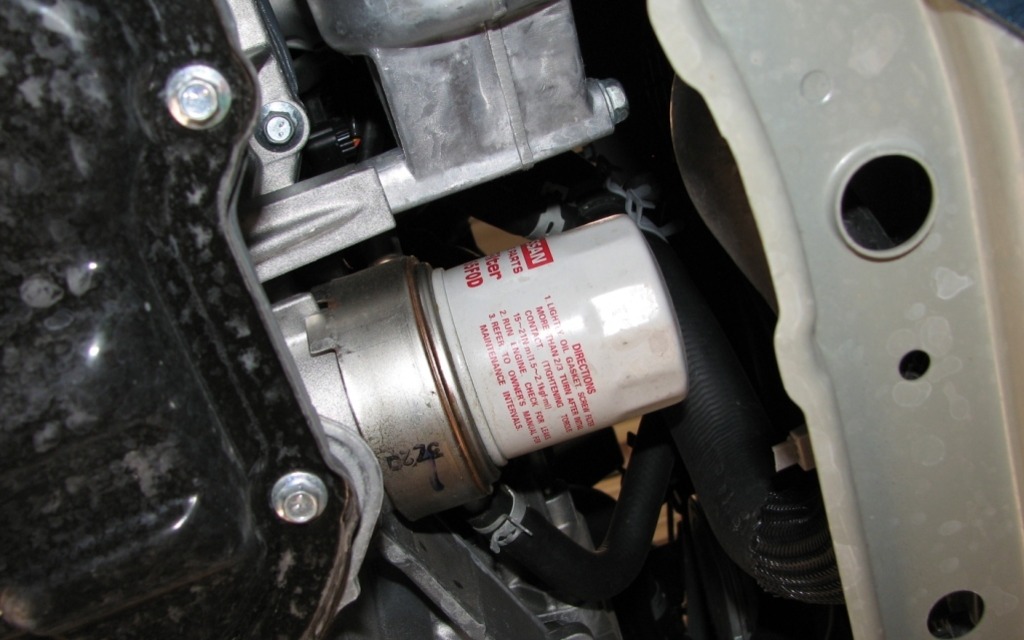
Photo: Guy DesjardinsThe oil filter can be accessed quickly and easily under the vehicle. You don’t even have to remove a protective plate.
Advertisement
Advertisement
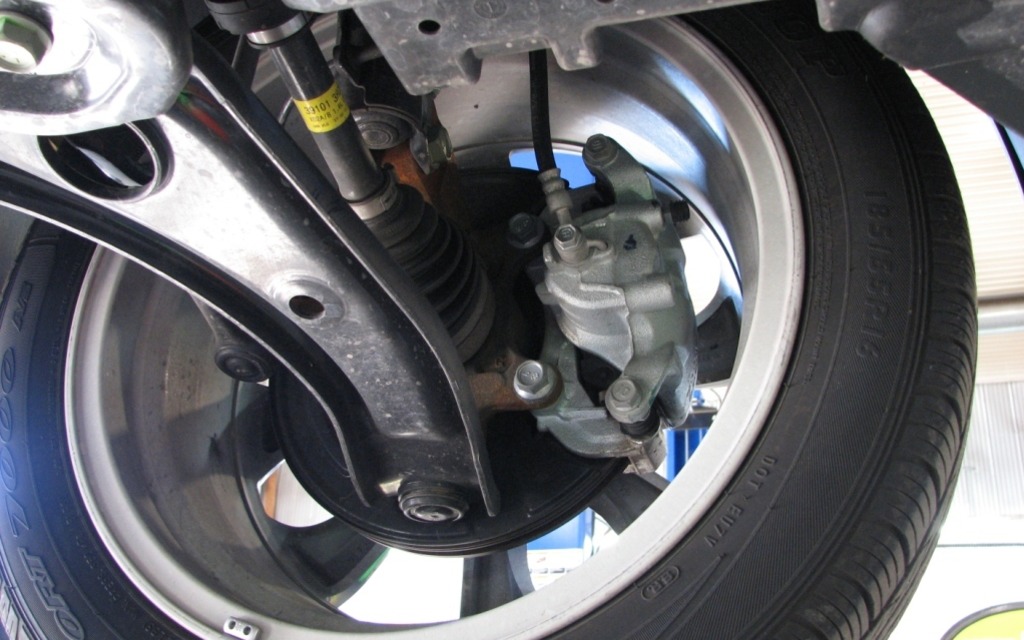
Photo: Guy DesjardinsDespite the vehicle’s small size, the front disc brakes offer good calipers that ensure excellent braking.
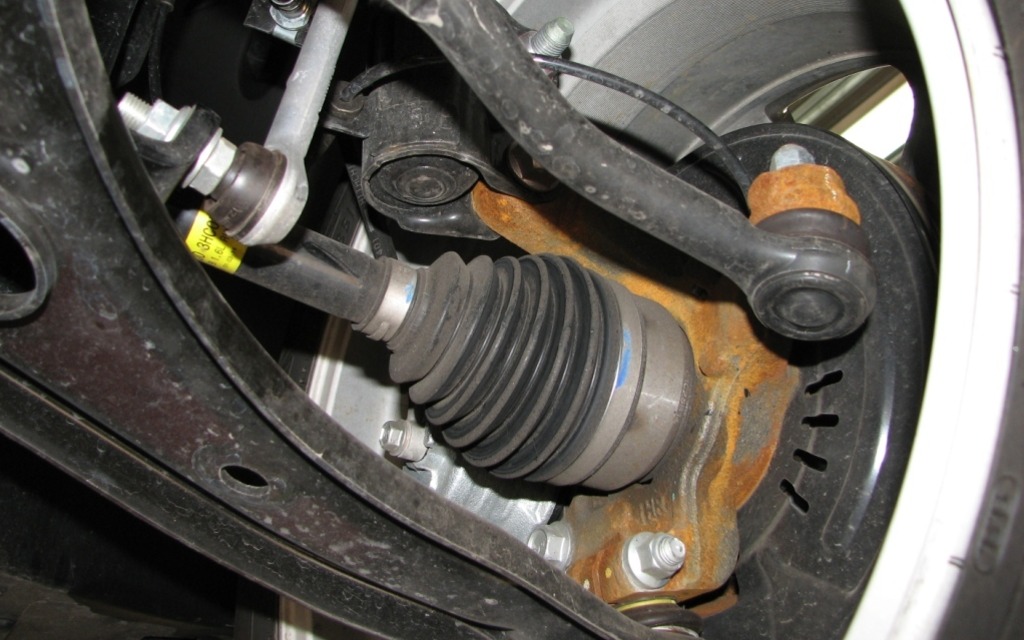
Photo: Guy DesjardinsAt the front wheels, we notice the driveshaft and an already corroded part. Is that normal for a vehicle with only 2,500 km on the odometer?
Advertisement
Advertisement
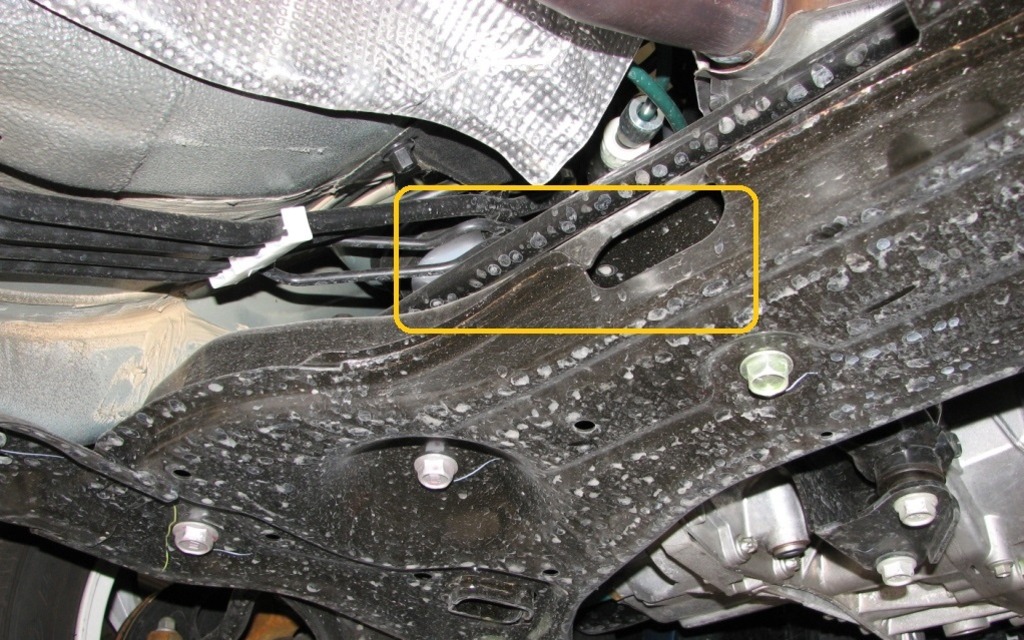
Photo: Guy DesjardinsThe metal piece that crosses the vehicle from one side to the other near the engine is made of light metal with openings where debris can accumulate and causes it to rust quickly.
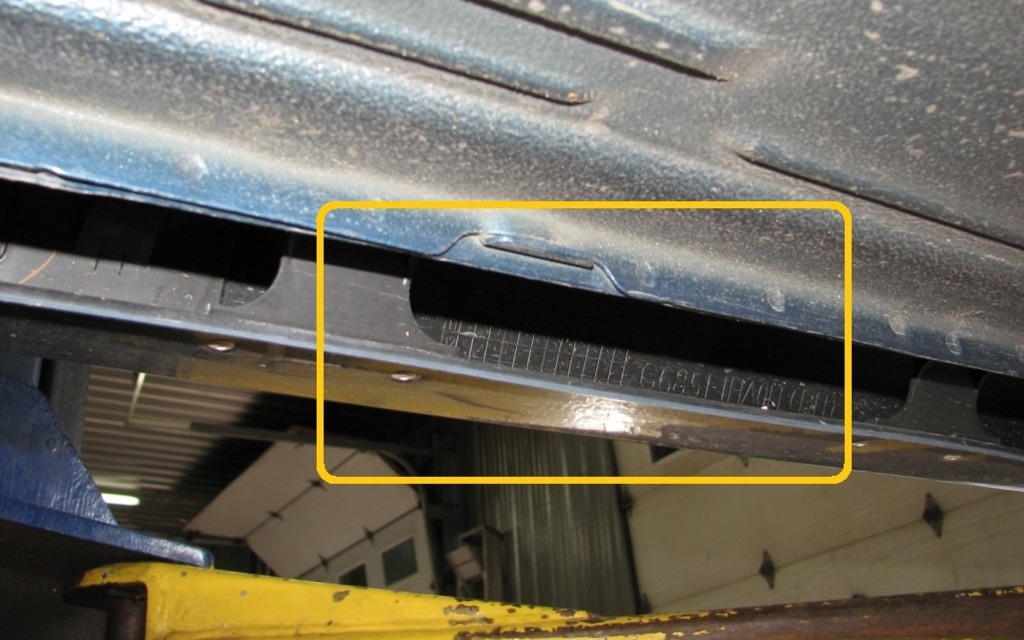
Photo: Guy DesjardinsThe side rails are made of plastic. The openings allow snow and ice to accumulate and when these heaps of ice give way, the plastic will break.
Advertisement
Advertisement
Photo: Guy DesjardinsJust in front of the gas tank, a very small piece of metal acts as a protector. It looks the part, but how effective will it be if it comes into contact with a rock?
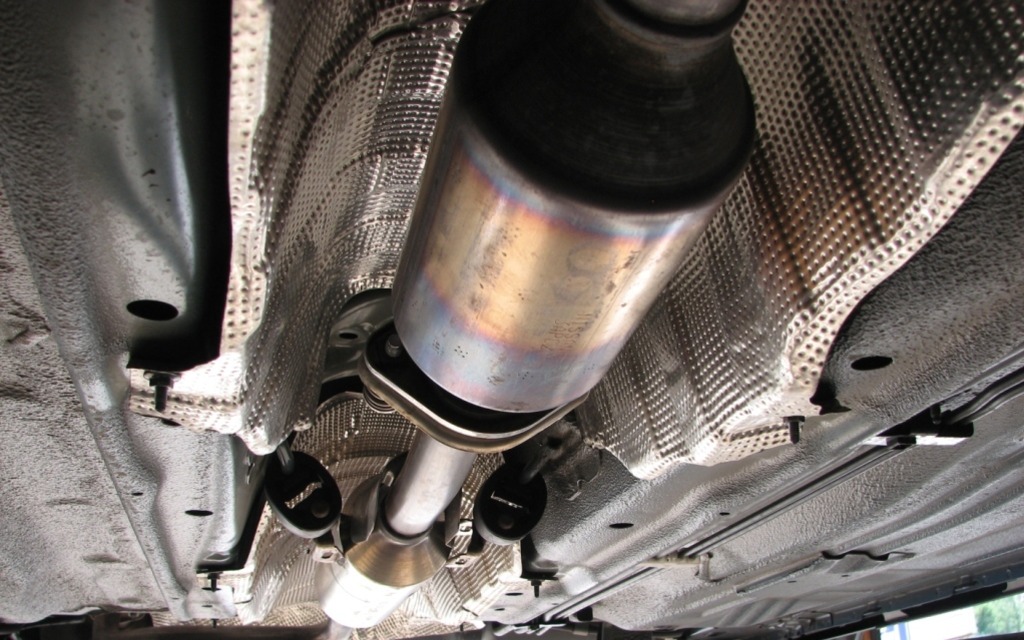
Photo: Guy DesjardinsThe stainless steel exhaust system is well attached to the vehicle. The small size will surely help save money when it has to be replaced.
Advertisement
Advertisement
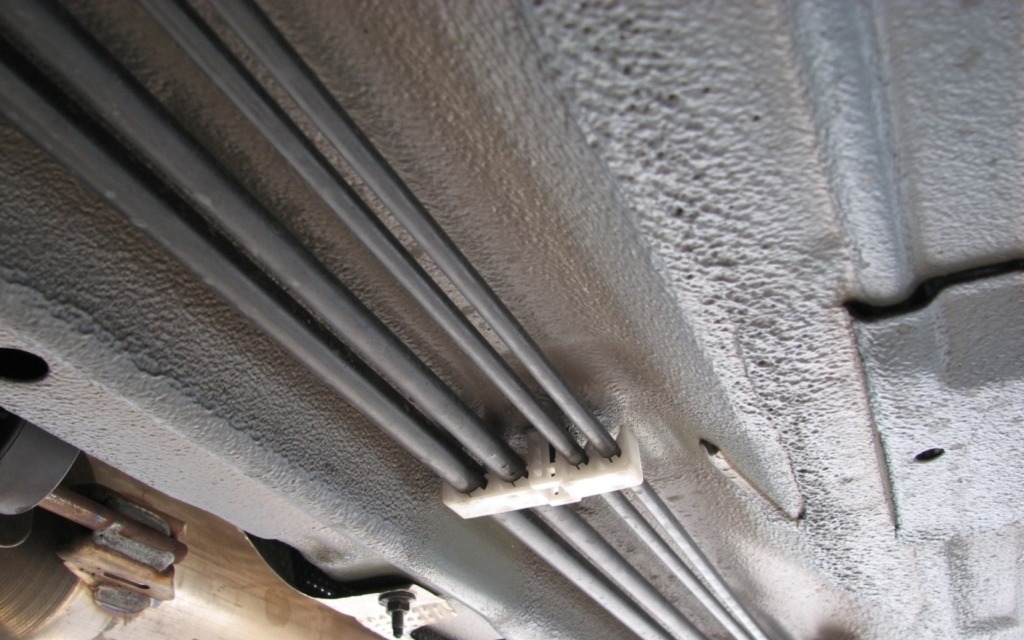
Photo: Guy DesjardinsThe wires are neither hidden nor in tubes but at least they are aligned and well attached to the vehicle.
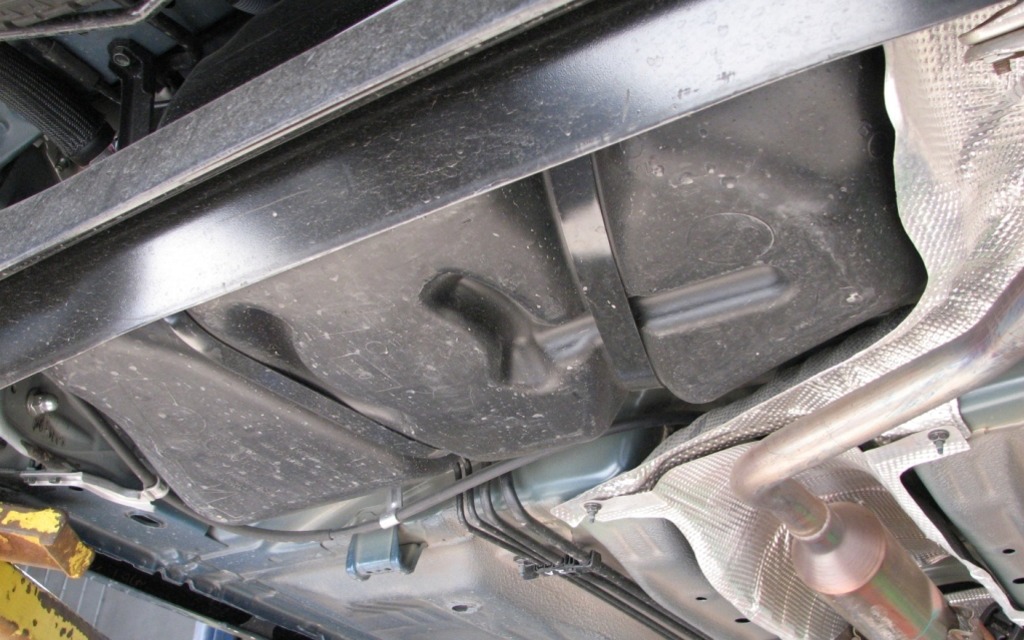
Photo: Guy DesjardinsThe gas tank has a standard shape. It and its mounts are made of plastic.
Advertisement
Advertisement
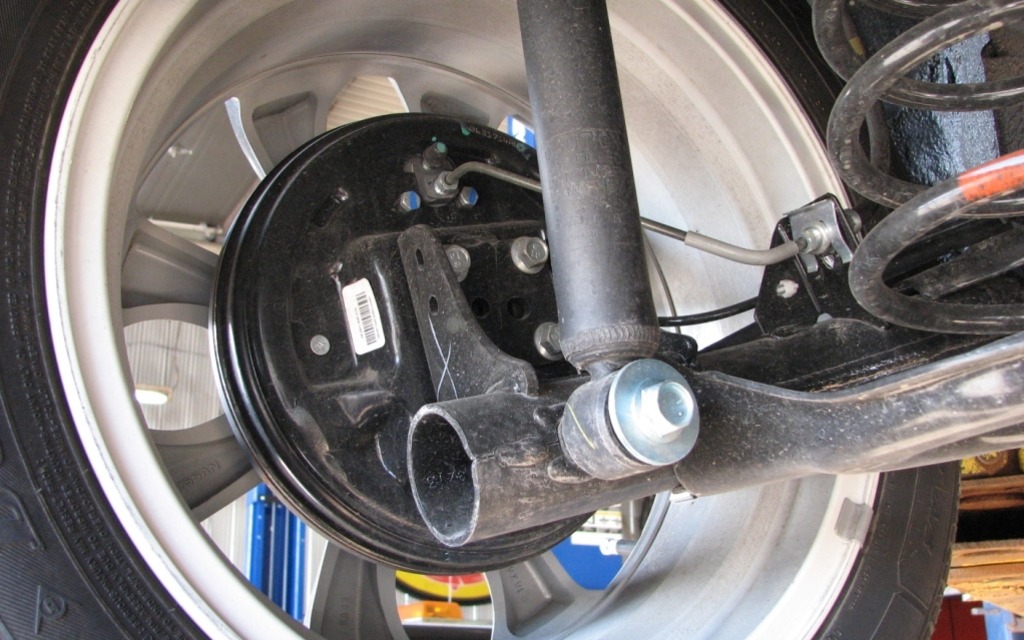
Photo: Guy DesjardinsNothing surprising about the rear wheels: it has drum brakes that are sufficient to stop the Micra efficiently.
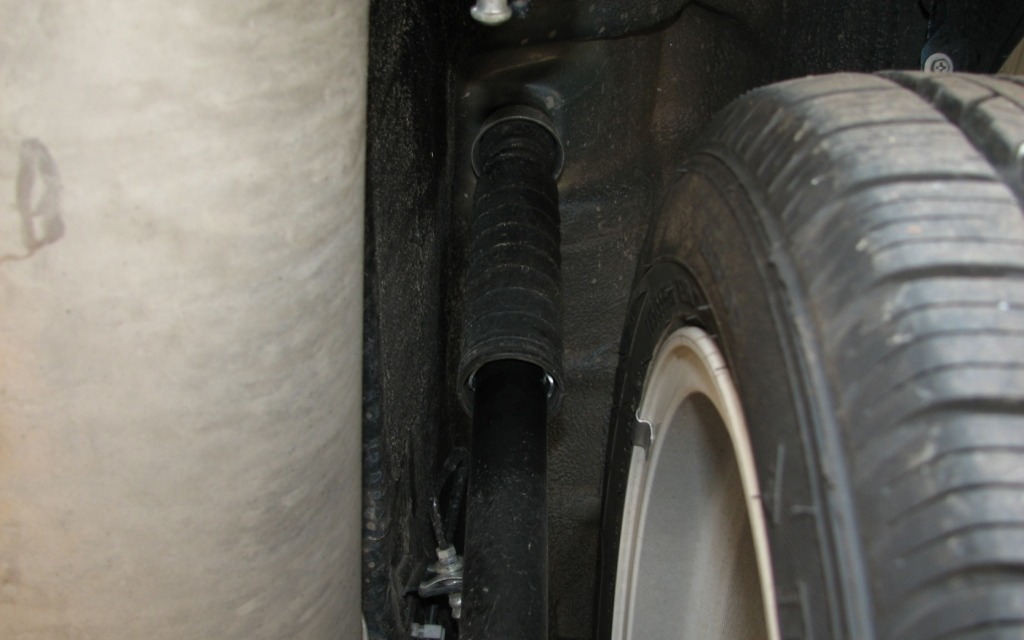
Photo: Guy DesjardinsThe rear torsion bar suspension has small shocks concealed high up in the fender.
Advertisement
Advertisement
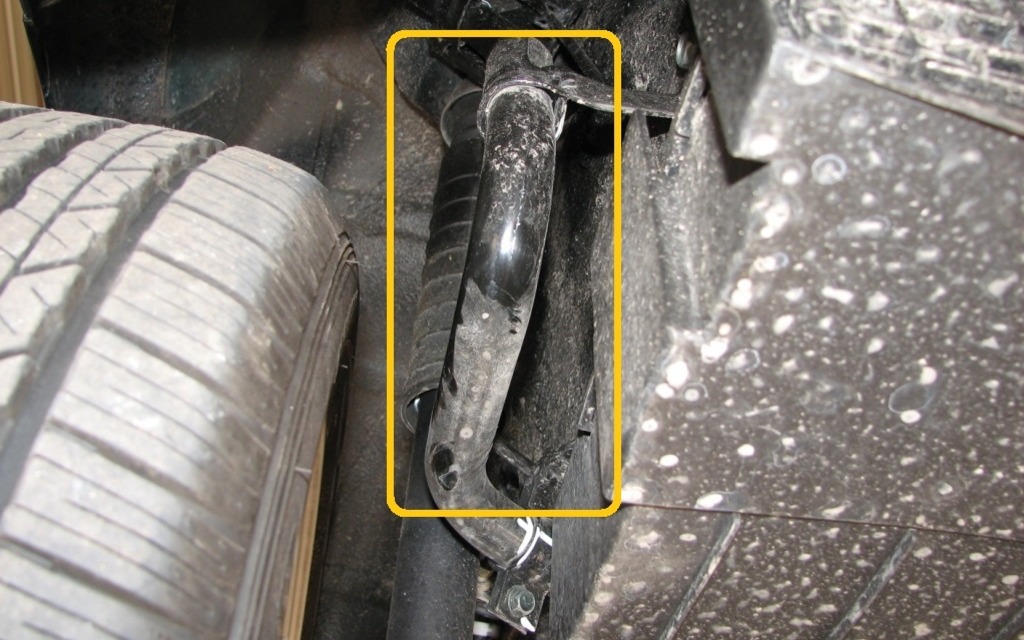
Photo: Guy DesjardinsIn the rear fender next to the shock absorber, there’s the pipe that brings the gas to the tank. It is poorly protected and vulnerable to road debris, particularly calcium and ice.
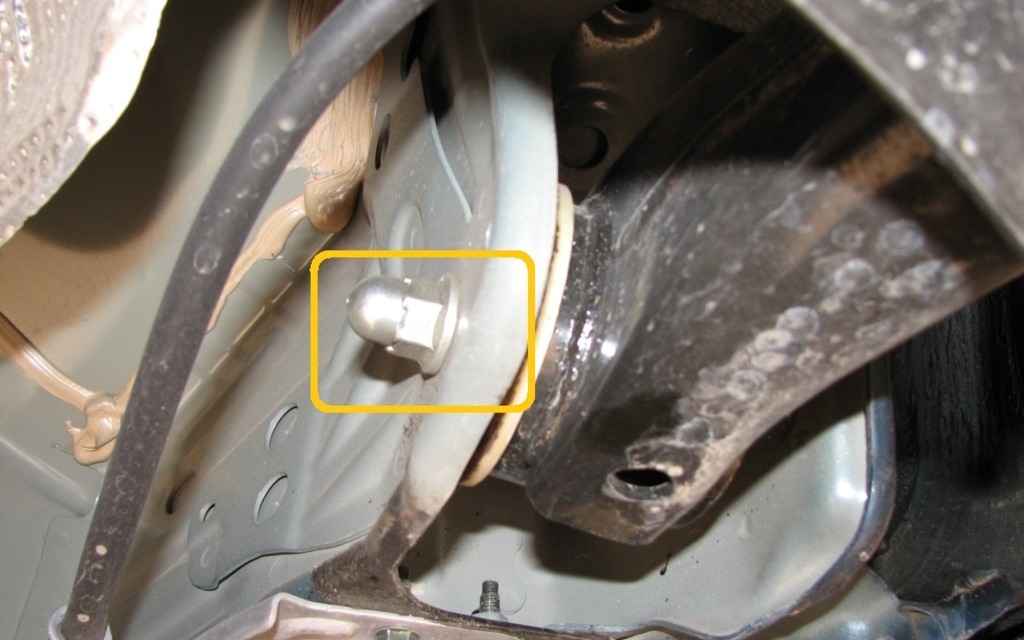
Photo: Guy DesjardinsOn the engine mounts, there are bolts that seem to be made of white metal, which can crack easily.
Advertisement
Advertisement
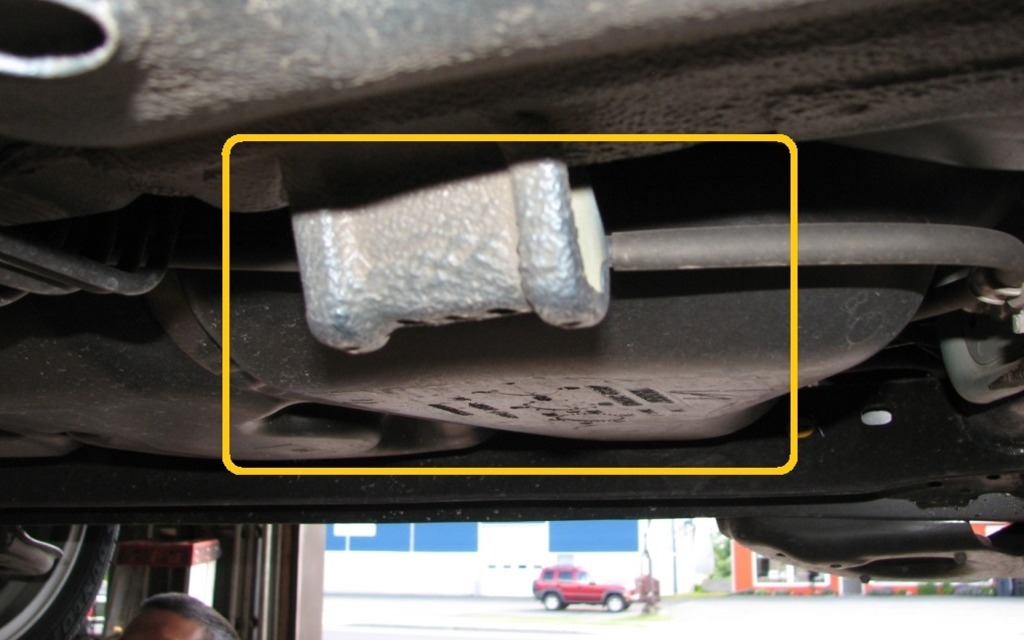
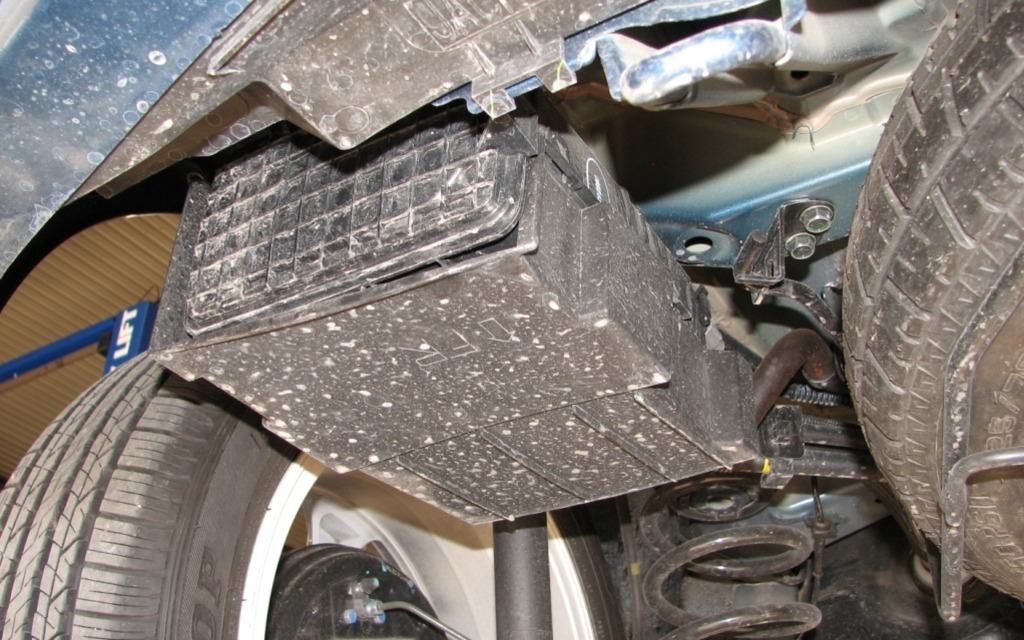
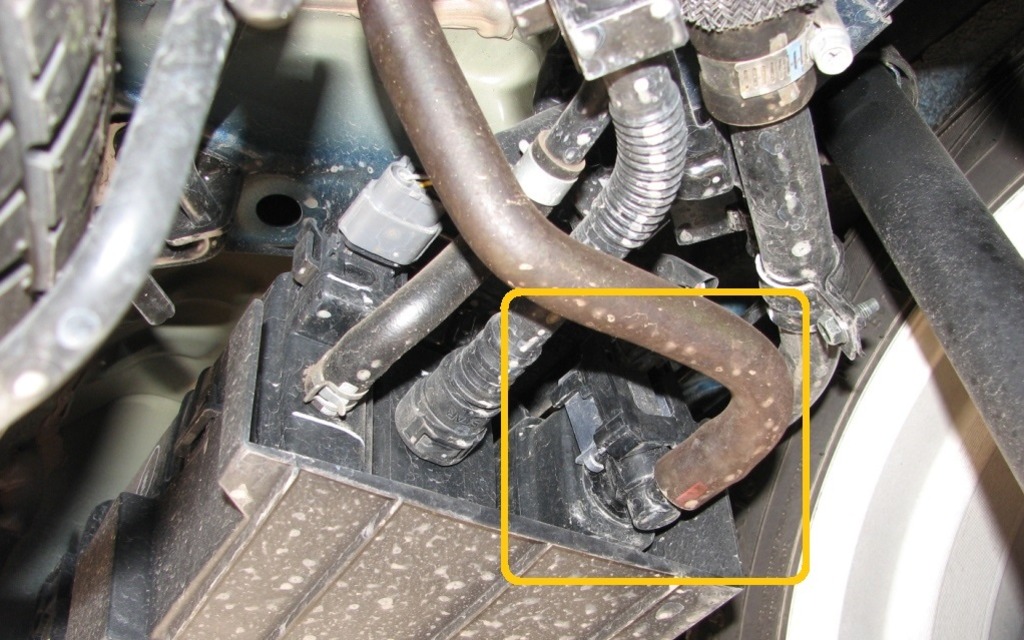
Photo: Guy DesjardinsThe gas vapour vent module takes up an enormous amount of space under the vehicle. It is also very vulnerable and poorly protected.
Photo: Guy DesjardinsIn front of the vent module, the connectors are not protected and the proximity to the rear wheel will surely attract calcium in winter.
Advertisement
Advertisement
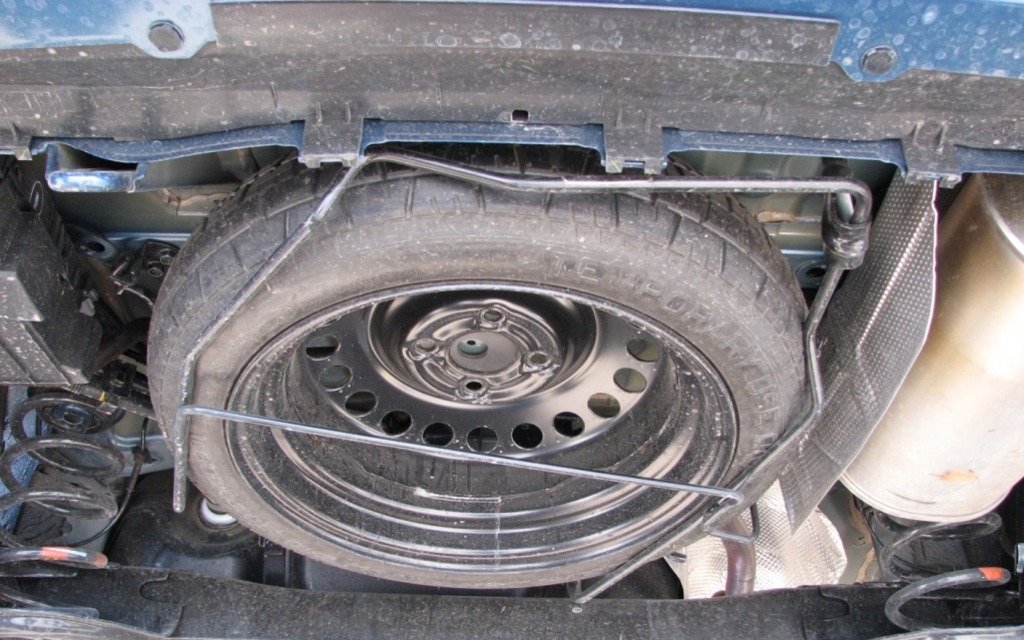
Photo: Guy DesjardinsThis is a strange system to hold the spare tire. Normally, a nut in the center is sufficient. Will these fine metal rods rust easily?
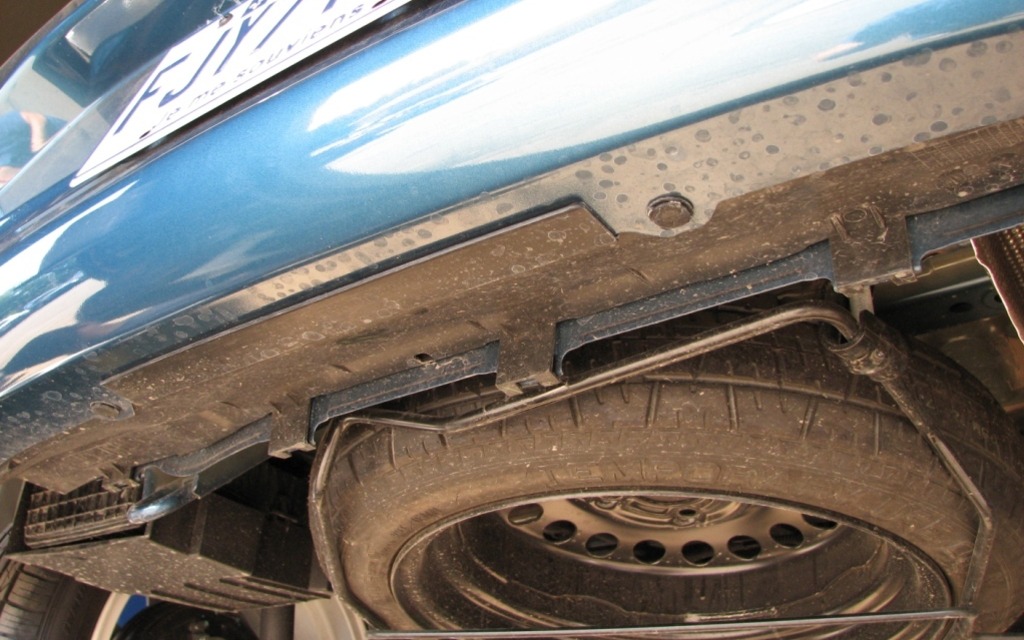
Photo: Guy DesjardinsIt’s difficult, even nearly impossible, to attach a one-inch trailer hitch to transport bicycles, for example.
Advertisement
Advertisement
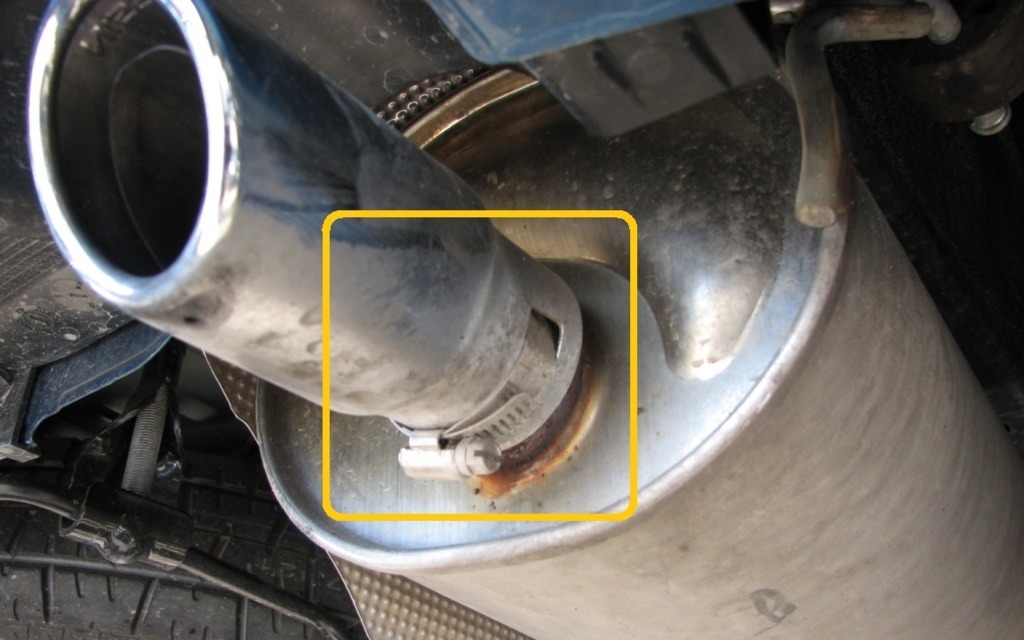
Photo: Guy DesjardinsWhether this is a simple repair on our test car or common practice on all Micras, the exhaust tip is attached to the muffler by a hose clamp!
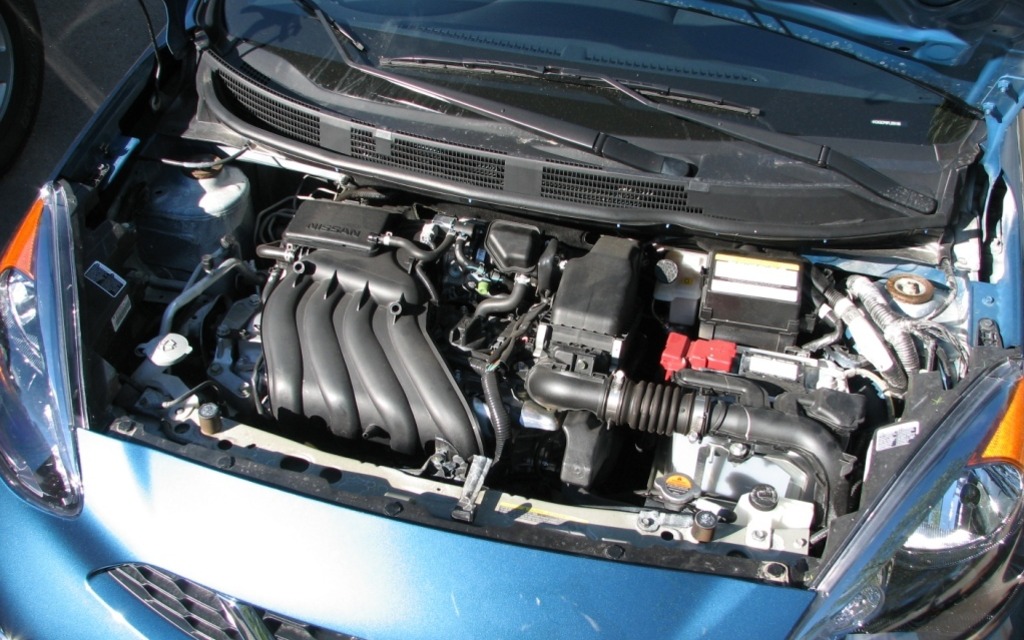
Photo: Guy DesjardinsNice presentation under the hood for the four-cylinder, but there’s no plastic cover to make it nicer overall.
Advertisement
Advertisement
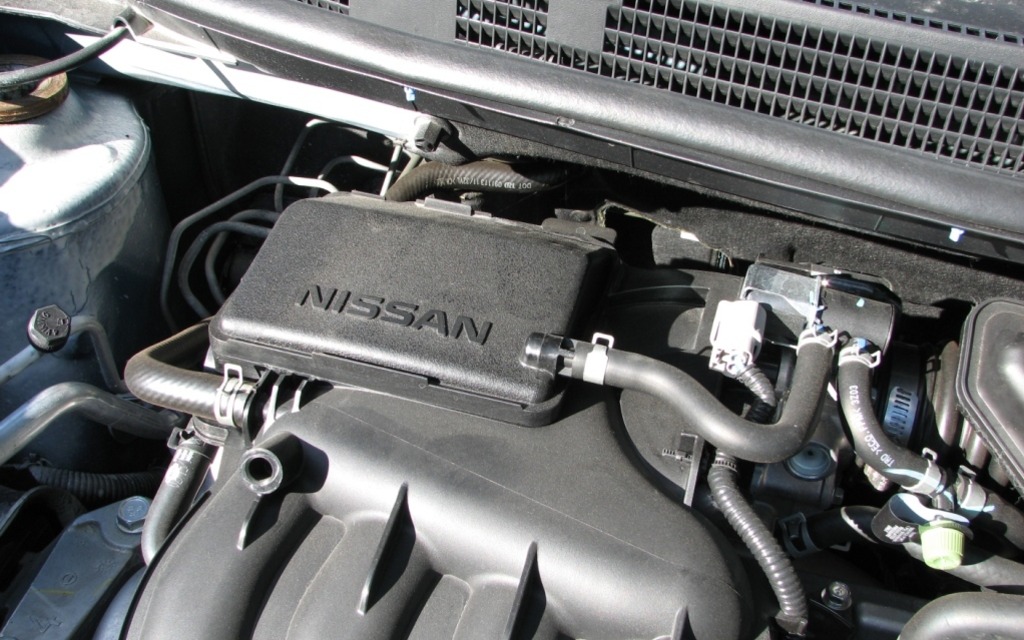
Photo: Guy DesjardinsThis engine component bears the Nissan name, but it could easily be changed for another featuring the Datsun name, for example.
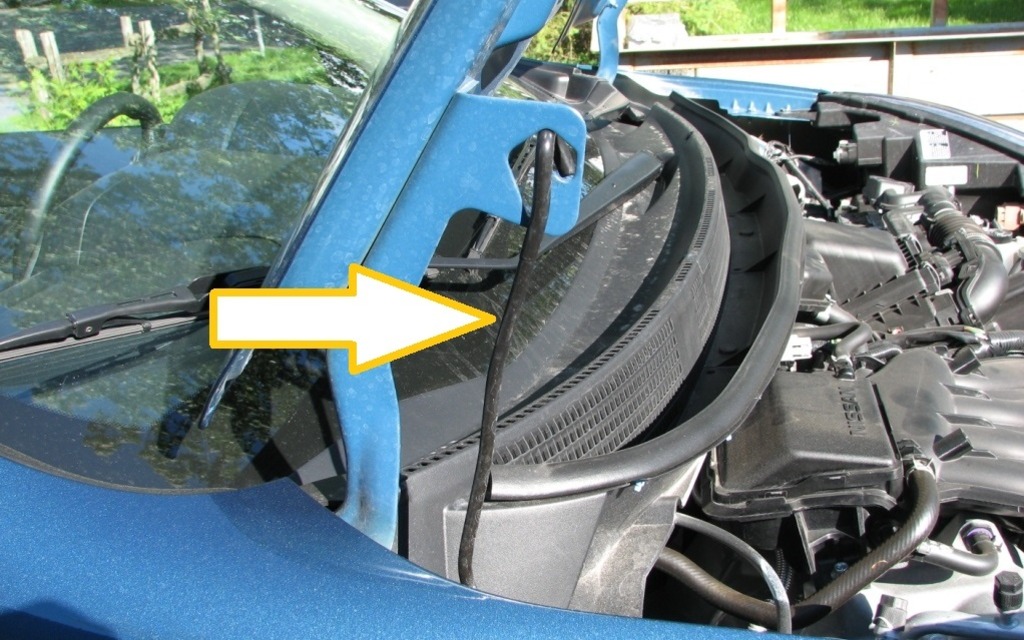
Photo: Guy DesjardinsThere’s a small frail rod holding the hood. Fortunately, the hood itself is small and frail.
Advertisement
Advertisement
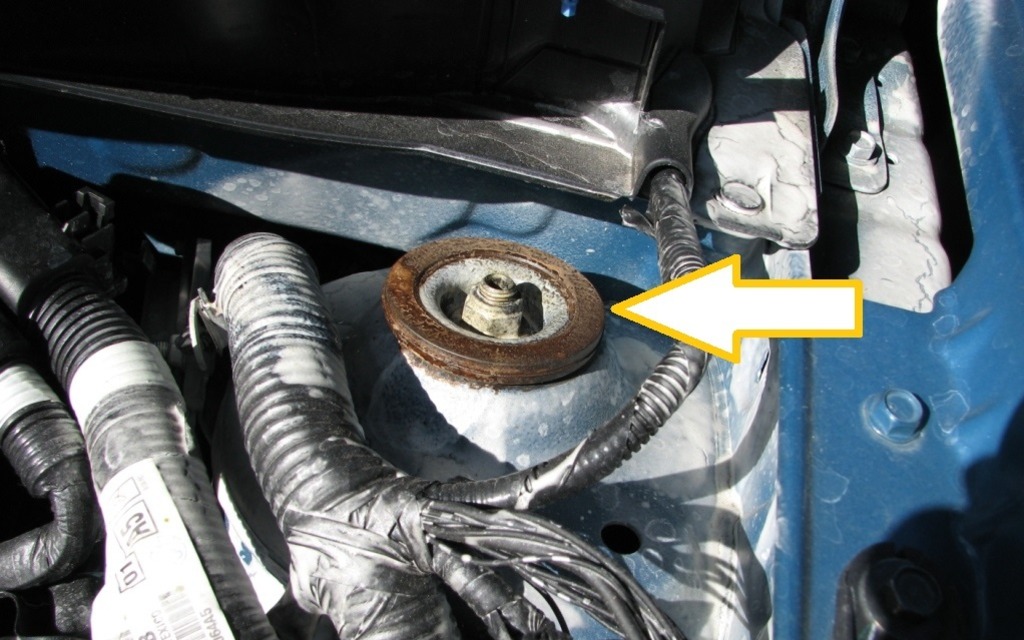
Photo: Guy DesjardinsHere’s the already rusted front suspension fastener. This won’t yet affect the structure but it’s not a good sign on such a new vehicle.
Photo: Guy DesjardinsUnder the hood, there’s a great deal of rustproofing, which suggests that Nissan already knows that the parts are very vulnerable to rust.
Advertisement
Advertisement
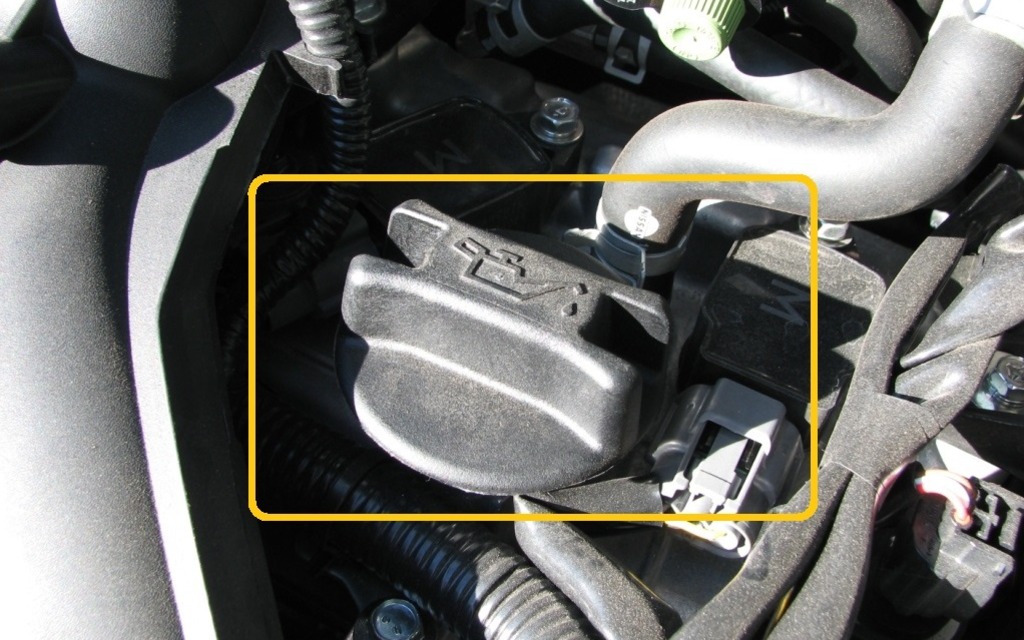
Photo: Guy DesjardinsThe oil cap is well located but black. They are often yellow to help make it easier to find.
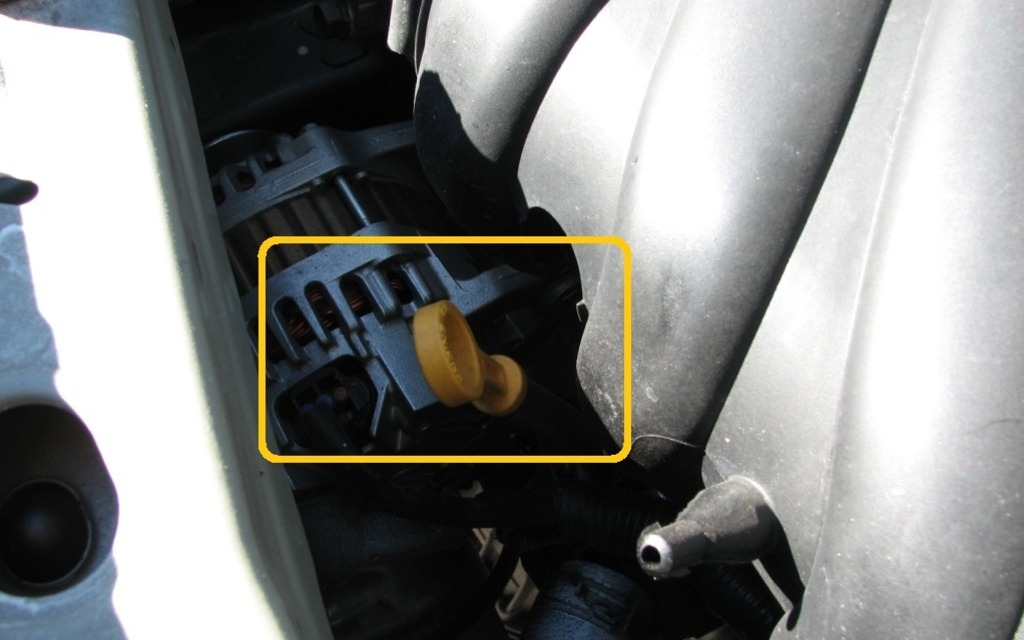
Photo: Guy DesjardinsThe yellow dip stick for the oil is easily accessible.
Advertisement
Advertisement
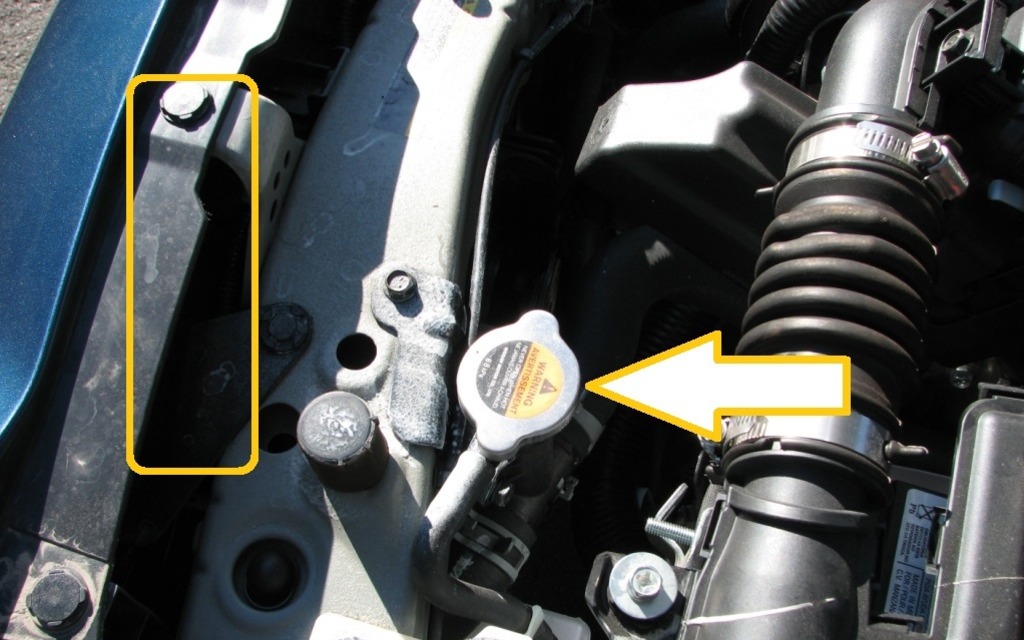
Photo: Guy DesjardinsThe radiator is located very far forward (in the yellow box), which requires the cap to be placed on the pipe that leads to the overflow tank.
Photo: Guy DesjardinsThe antifreeze overflow tank is very small. However, it’s enough to have an efficient reserve.
Advertisement
Advertisement
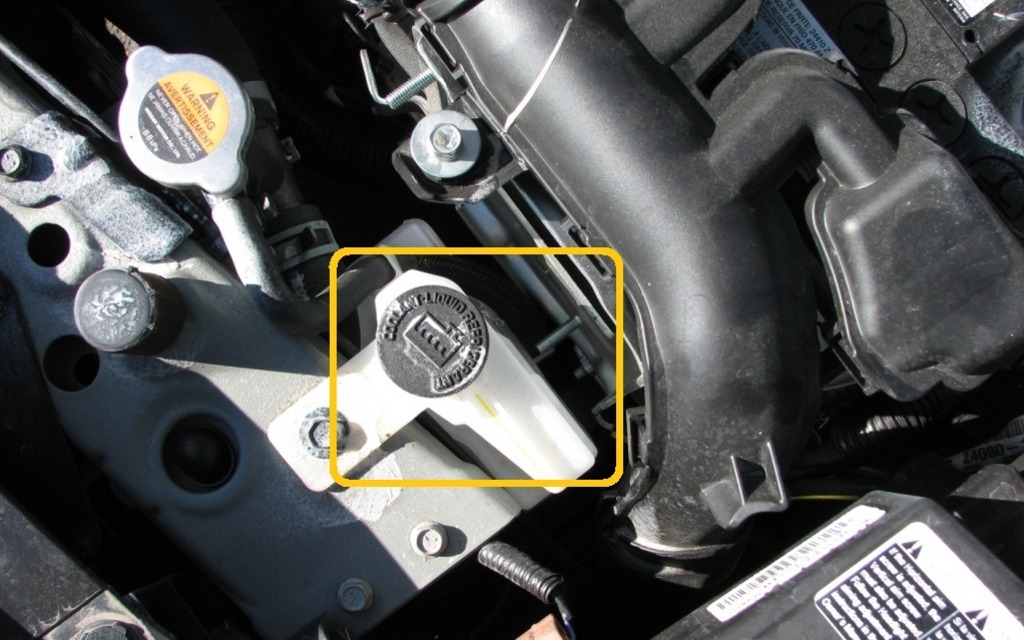
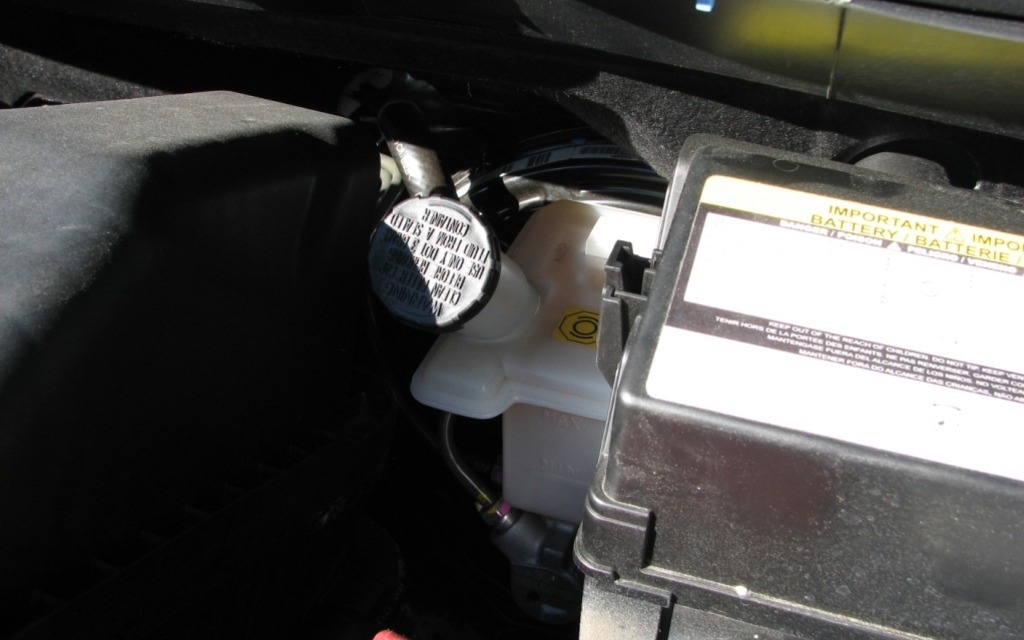
Photo: Guy DesjardinsThe brake fluid reservoir sits far back in the engine bay, but is still possible to access.
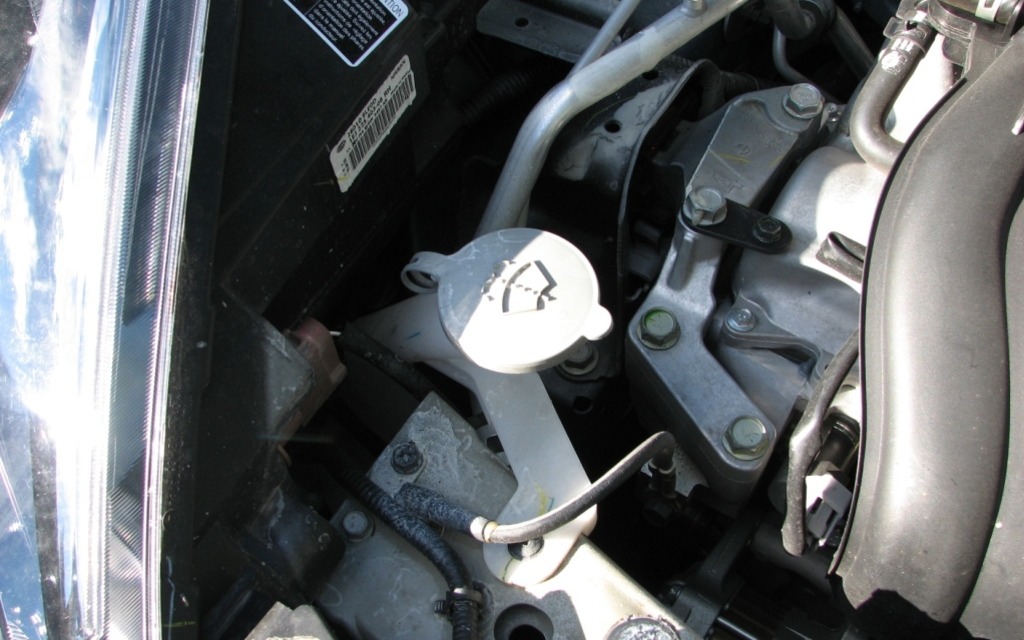
Photo: Guy DesjardinsThe windshield washer fluid reservoir on the right of the engine bay. The reservoir is very small and, in the middle of winter, you’ll have to fill it frequently.
Advertisement
Advertisement
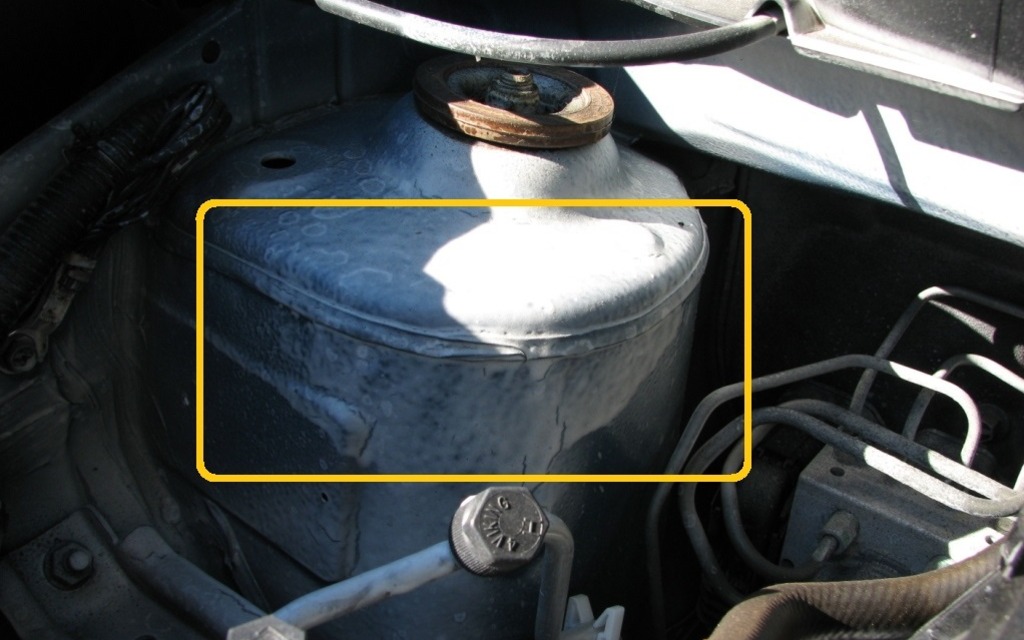
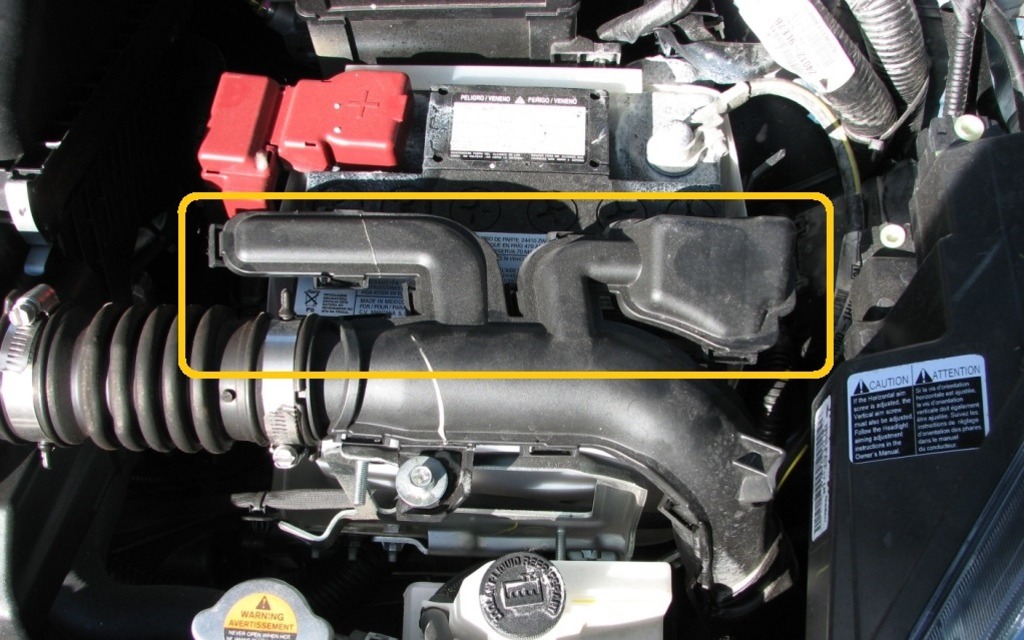
Photo: Guy DesjardinsNear the air intake, two strange plastic chambers help avoid turbulence and the entry of too much air at once.
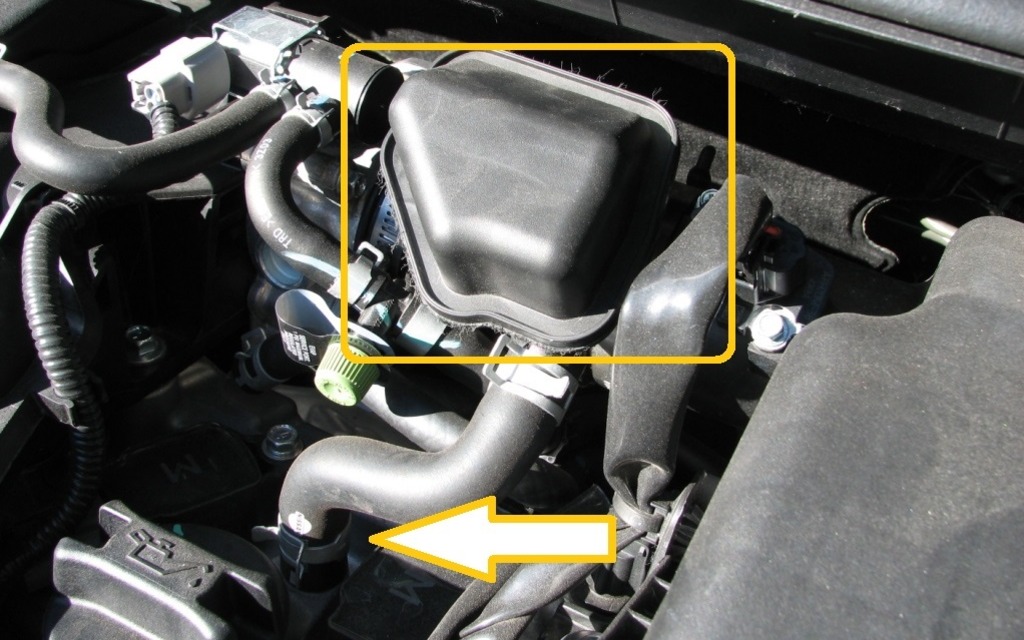
Photo: Guy DesjardinsIn the box, a filter that helps, well, filter, gas vapours from the engine.
Advertisement
Advertisement
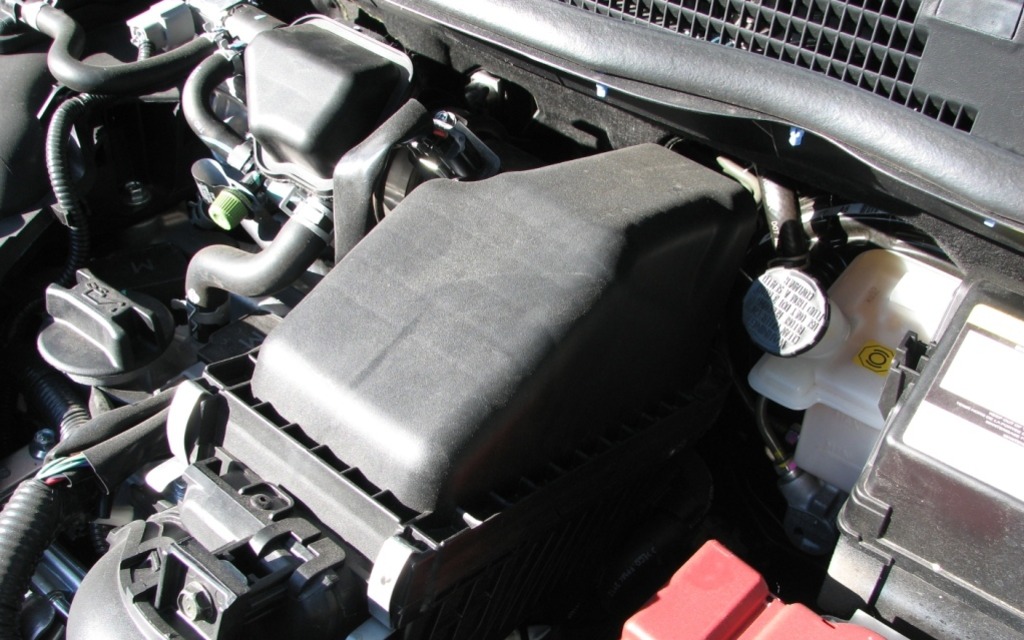
Photo: Guy DesjardinsThe air filter is under this plastic cover and is easily accessible despite its location at the centre and rear of the engine compartment.
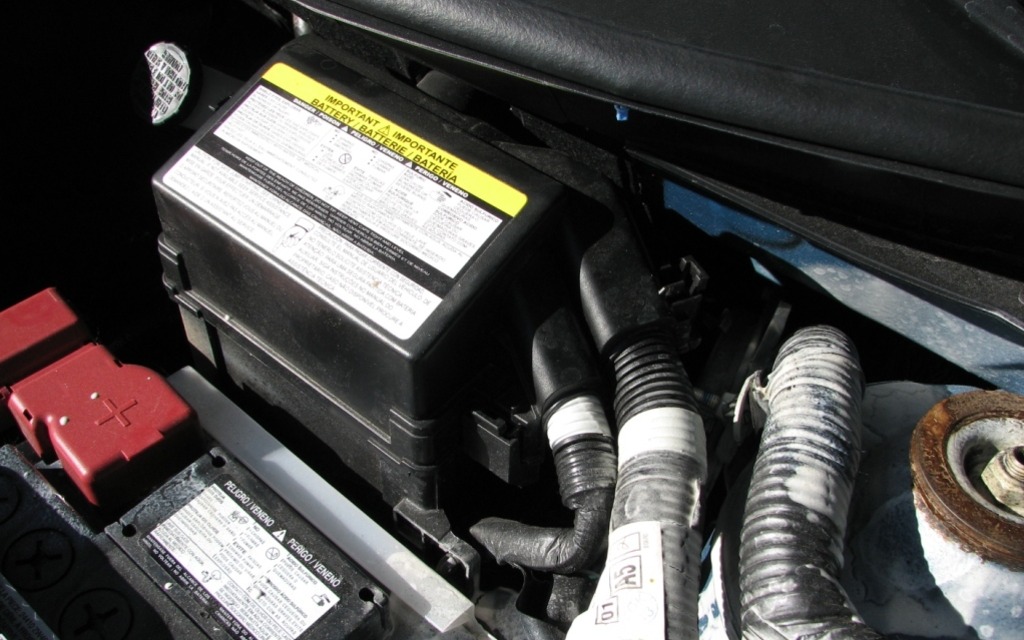
Photo: Guy DesjardinsThe fuse box, located behind the battery remains easy to access just the same.
Advertisement
Advertisement
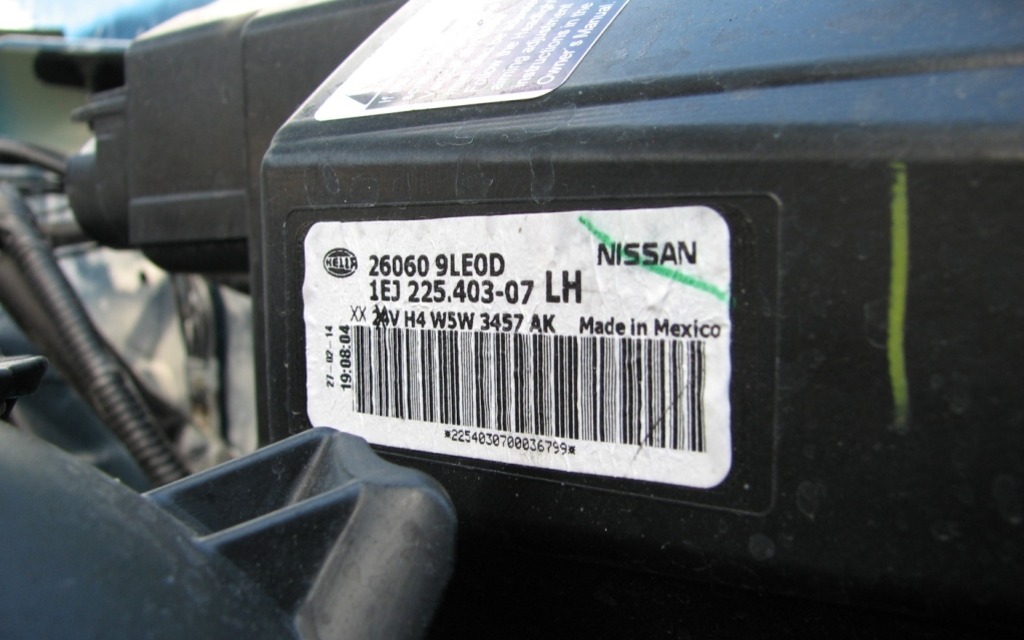
Photo: Guy DesjardinsSeveral bar code labels are applied to the parts. Who needs this? The mechanic to find the right replacement part or factory workers to install the right part in the right place?