Ottawa Ends ZEV Sales Targets, Brings Back Incentives
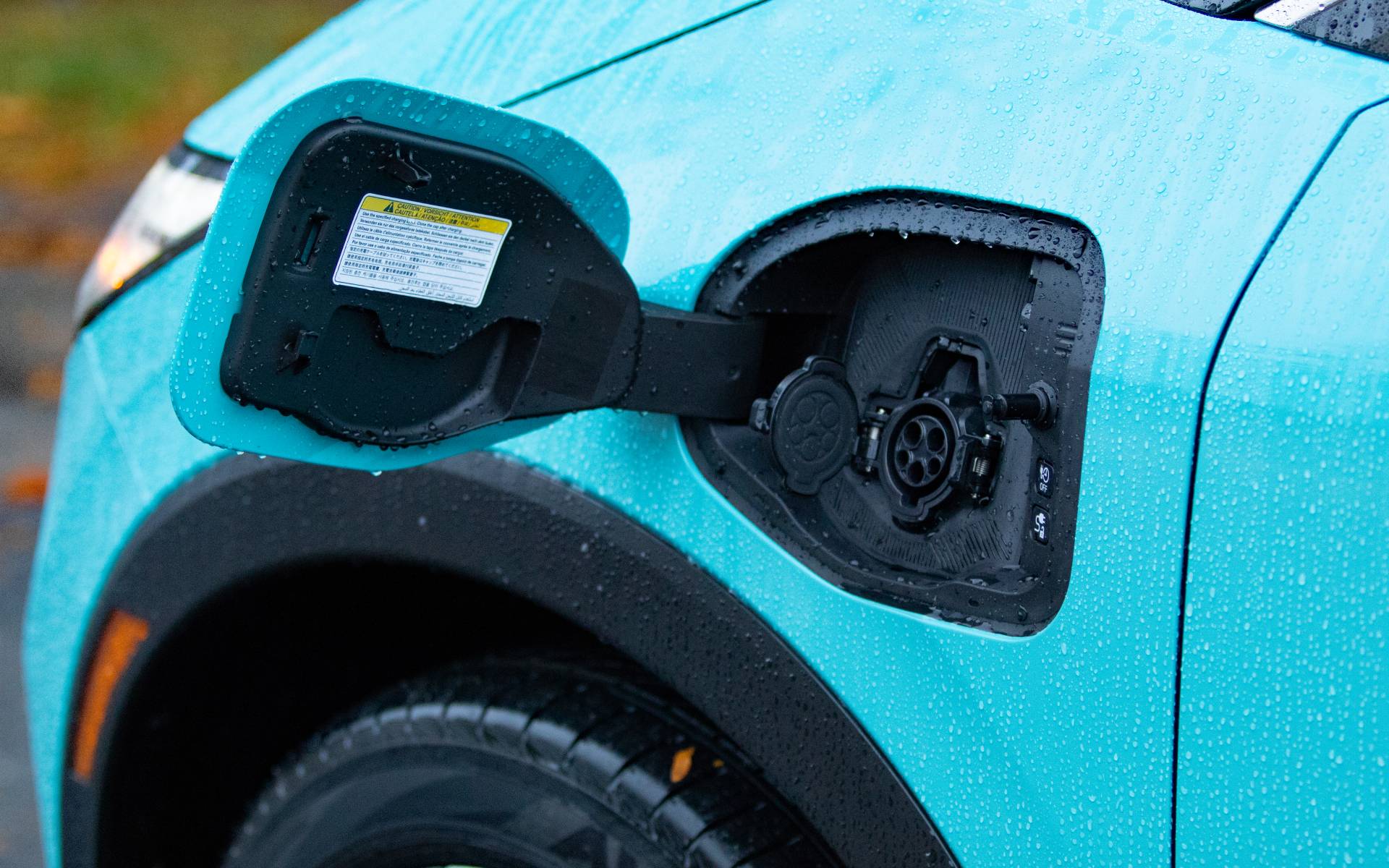
The Canadian government of Mark Carney today confirmed the end of zero-emission vehicle (ZEV) sales targets set under the previous administration along with the return of incentives for customers. It will also implement more stringent regulations to help reduce greenhouse gas emissions.
These moves are part of Canada's new automotive strategy to protect jobs in the midst of a trade war with the U.S.
Read also
- Federal Budget Fails to Include Return of ZEV Incentives
- Ottawa to Investigate Tesla’s EV Incentive Claims, Ban It From Any Future Rebates
Ottawa will spend $2.3 billion to encourage the adoption of 840,000 ZEVs, with incentives of $5,000 on fully electric vehicles and up to $2,500 on plug-in hybrids. The price limit is set at $50,000.
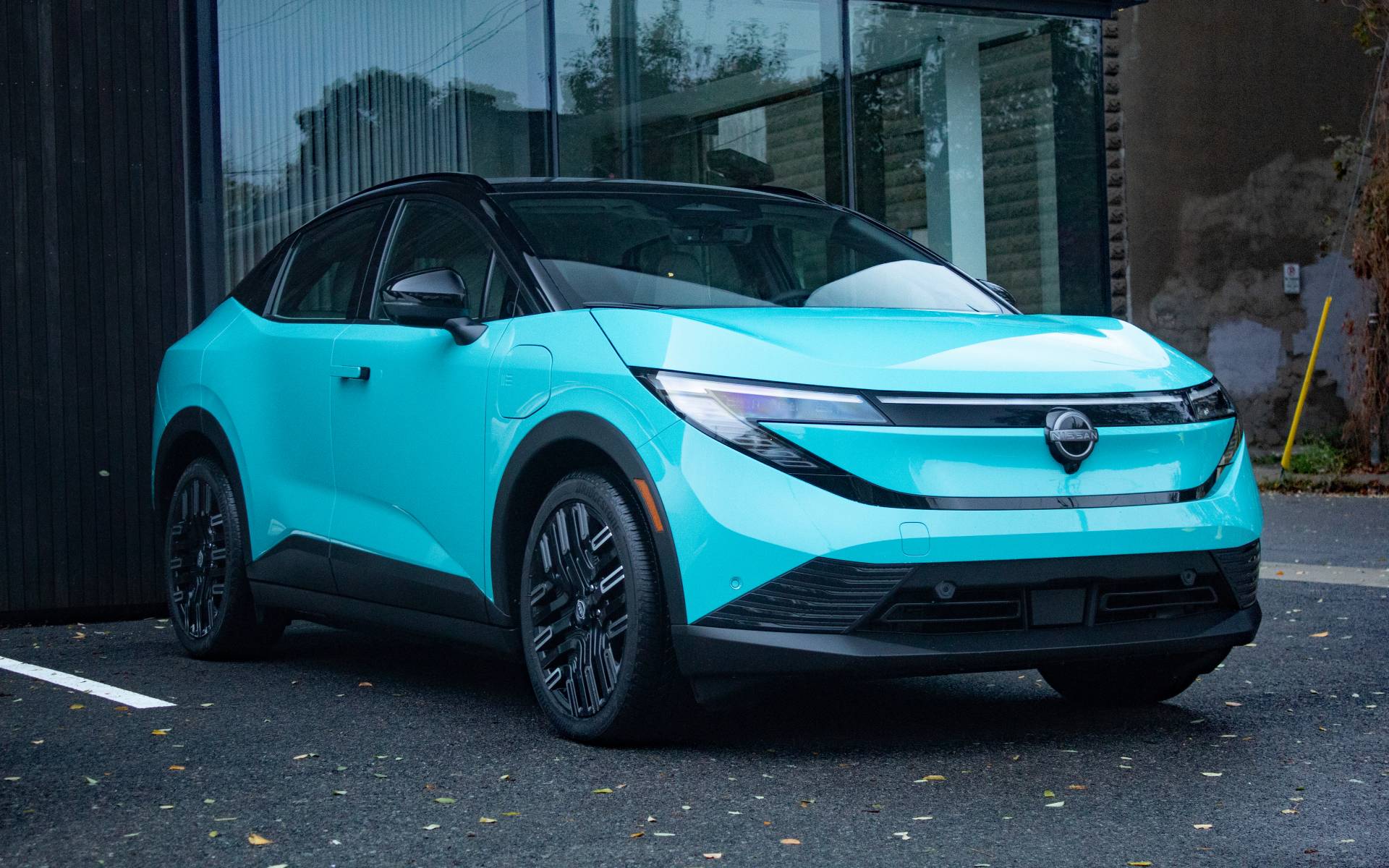
The incentives will be available starting February 16 and will be lowered every year until the end of the decade. For EVs, the rebates will amount to $5,000 in 2026, $4,000 in 2027, $3,000 in 2028-2029, and $2,000 in 2030. As for PHEVs, they will amount to $2,500 in 2026, $2,000 in 2027, $1,500 in 2028-2029, and $1,000 in 2030.
The program will work on a first-come, first-served basis, meaning the incentives will end when all funds are exhausted.
Crucially, eligible models include those built in Canada or in any country that has a free-trade agreement with Canada. In other words, Chinese vehicles do not qualify.
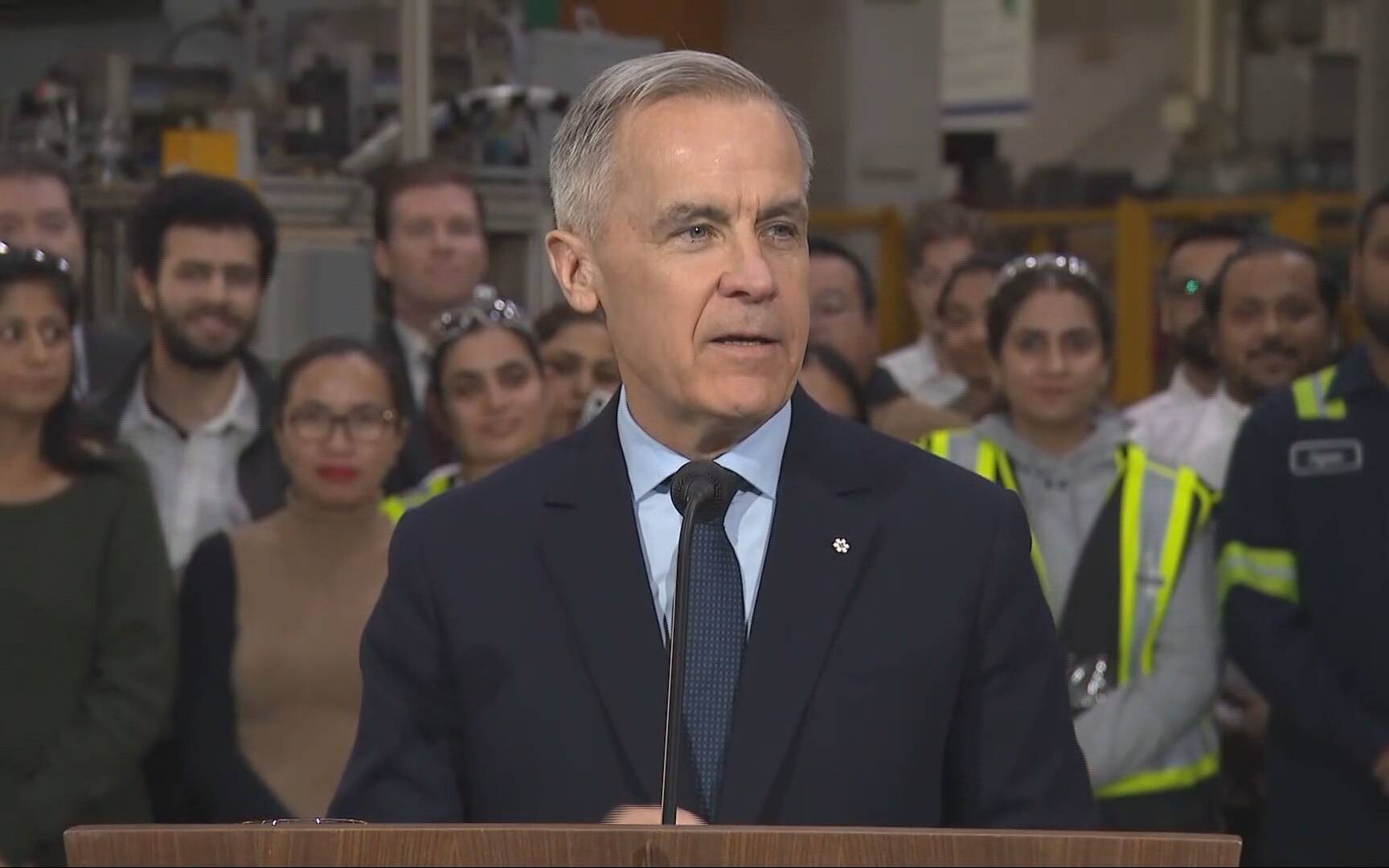
Breaking from his predecessor Justin Trudeau, Carney is eliminating all ZEV sales targets, including 100% by 2035, a measure that is sure to please the Canadian auto industry.
The government will reduce emissions from light-duty vehicles with the intention of more than doubling the stringency of Canada's greenhouse gas emissions standards by 2035. This is expected to drive a 75% EV adoption rate at that point and a 90% EV adoption rate by 2040.
However, Carney admitted that these figures are not based on any definitive model, so there’s no way to know if the new plan will make up for the end of ZEV sales mandates.
“We are pleased that the government has provided greater clarity on issues such as the Electric Vehicle Availability Standard, the re-instatement of EV incentives, and a commitment to aggressively build out the charging infrastructure,” said David Adams, President and CEO of Global Automakers of Canada. “These are issues for which we have long sought direction from government and should give Canadians more choice, improve affordability, and make electrified vehicles more accessible."