2026 Kia Sportage PHEV: Choosing Wisely is Paramount

Finding the electrified vehicle that best suits one’s needs in 2026 is no simple task. Add recent inflation to the equation, and shoppers must work even harder to fully grasp the specific characteristics and benefits of each model in any given segment.
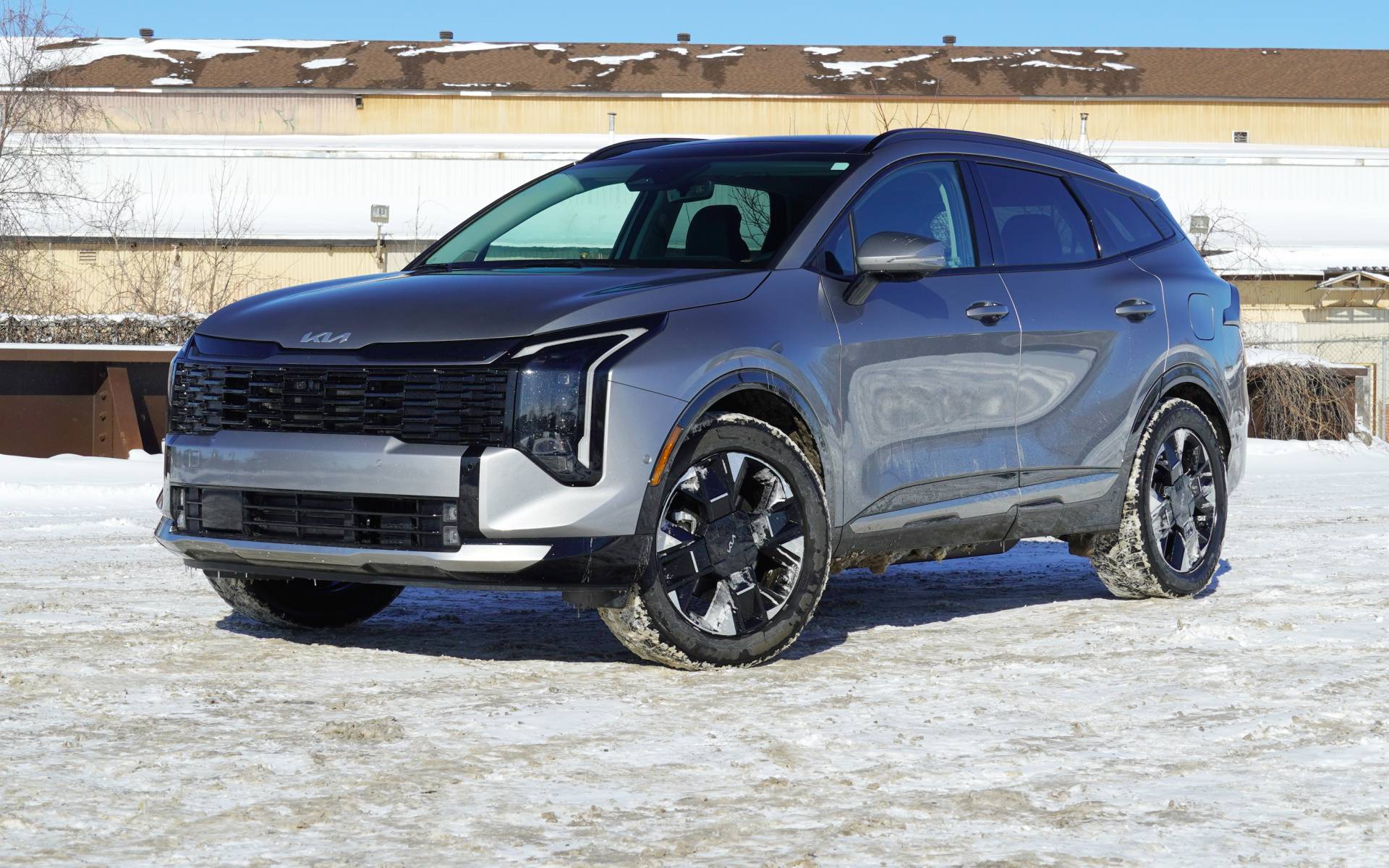
That said, an extended road test often reveals far more than a spec sheet. Take the slightly redesigned 2026 Kia Sportage PHEV, for example, which we tested in SX trim. According to Natural Resources Canada (NRC), the plug-in hybrid variant of Kia’s compact SUV can travel up to 53 km in all-electric mode before the internal combustion engine kicks in.
Read also
- 2027 Kia Seltos Debuts as Sportage-EV5 Mashup, New Hybrid Variant to Follow
- 16 Compact SUVs Were Tested Off-Road, Winner Will Surprise You
When the high-voltage battery is not enough, average fuel consumption is rated at 6.4-6.7 L/100 km in hybrid mode, but when you include zero-emission driving, the Sportage PHEV is said to achieve a combined 2.8 Le/100 km. All of these figures, incidentally, are obtained under ideal conditions.
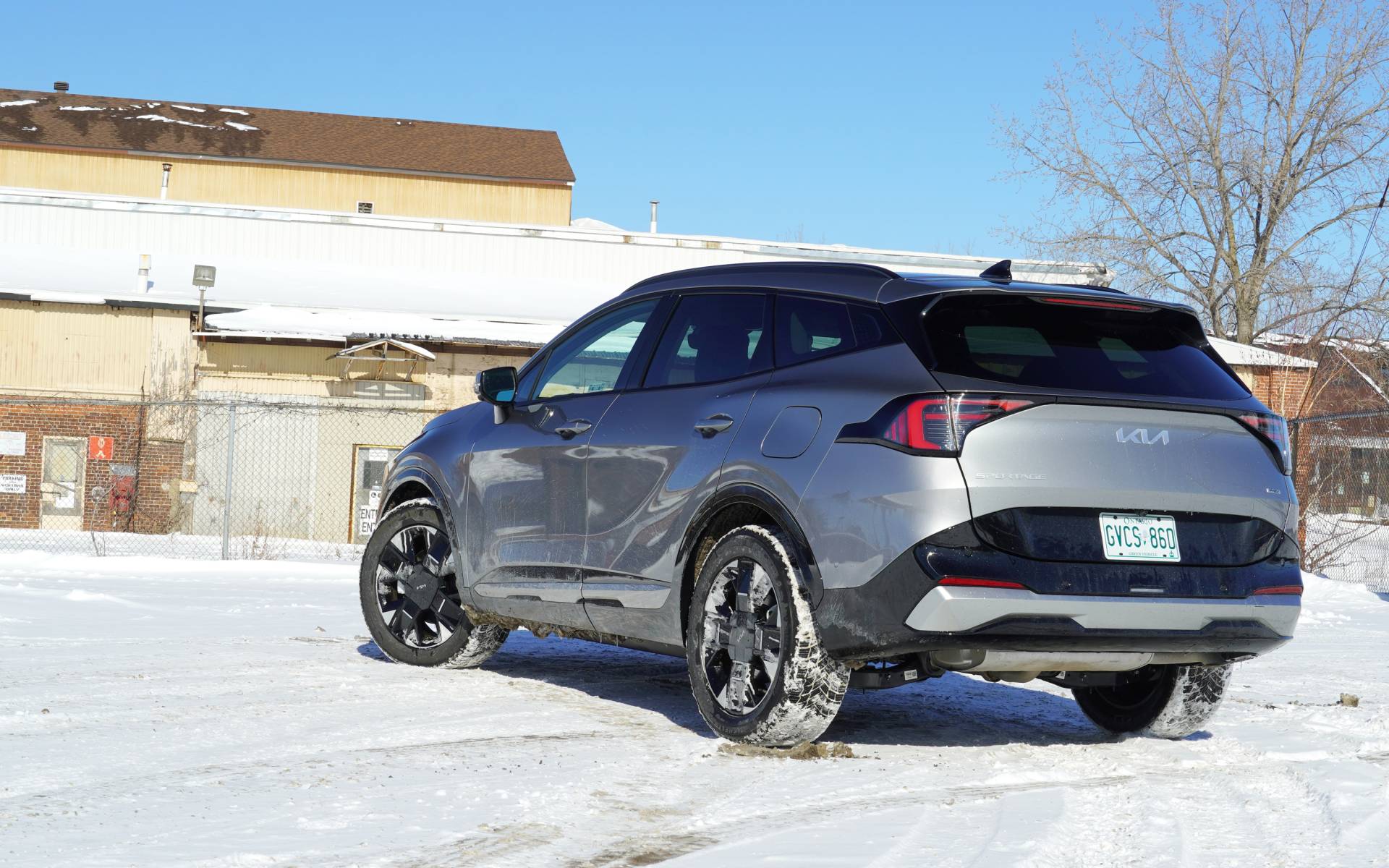
And that’s where the problem lies, because real-world driving is anything but ideal. Between the terrifying number of potholes, frequent traffic congestion and Mother Nature’s whims—which played a starring role during our test week—matching the official NRC ratings can be a real challenge, whether in the thick of winter or during a summer heatwave.
Unpredictable Hybrid System Operation
At 20 degrees Celsius below zero, the battery of a plug-in hybrid vehicle simply doesn’t perform the same way. It needs time to warm up before the system can shift to EV mode. However, since passengers expect a warm cabin, the vehicle relies on the gasoline engine to get the job done.
Now, while it’s perfectly normal for the turbocharged four-cylinder to take over at start-up, we have a hard time understanding why this same mill keeps turning off and on again later during the drive.
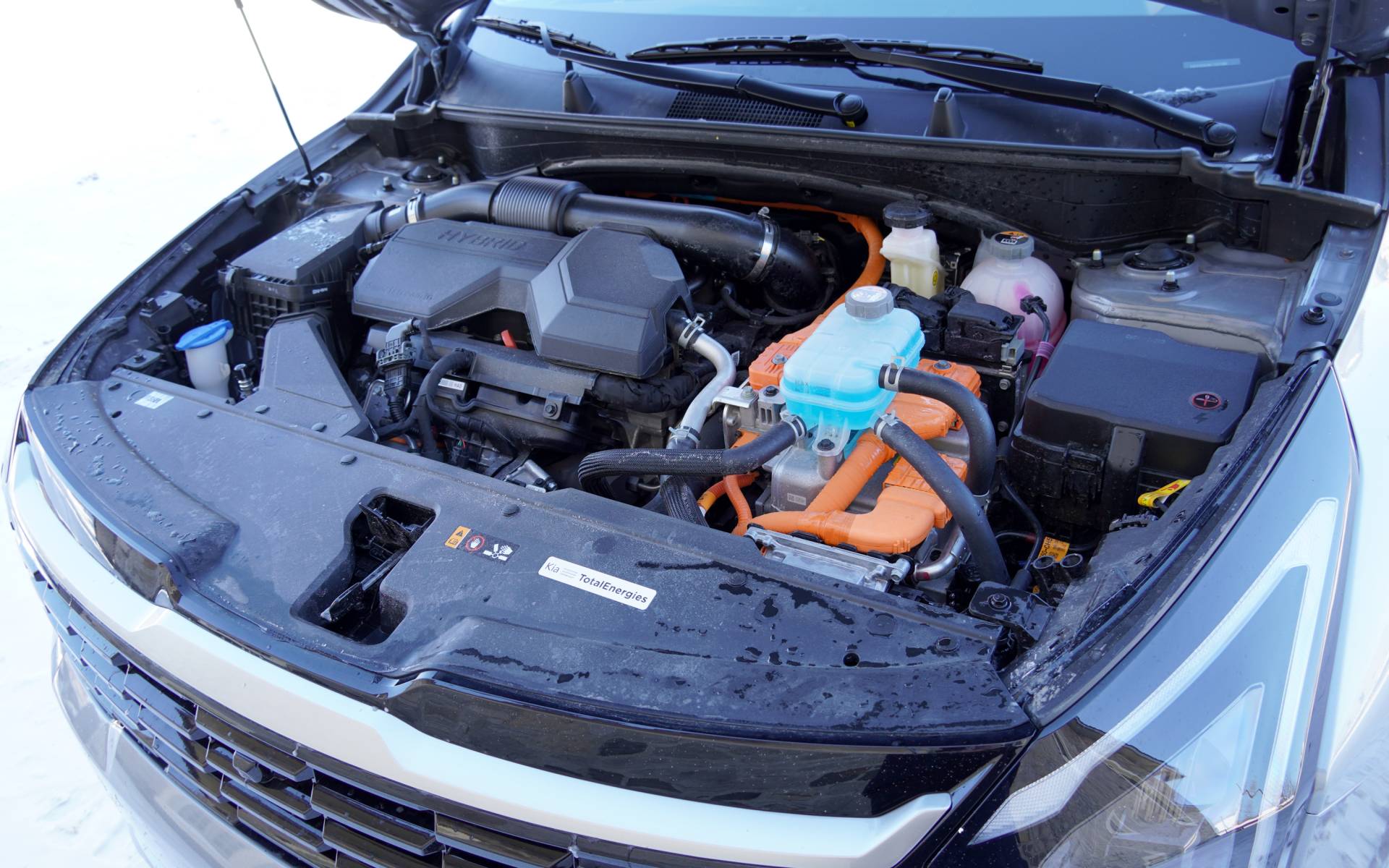
On an identical route featuring frequent stop-and-go driving and speeds below 50 km/h, the Sportage PHEV delivered inconsistent results depending on the temperature. At around -20 degrees Celsius (on the first day), the gasoline engine kicked in repeatedly, including a continuous stretch of roughly 15 minutes right from start-up. At -10 degrees Celsius, we noticed the same behaviour, although the warm-up period was shortened by a few minutes. As a result, the EV mode engaged much sooner, positively impacting the average consumption displayed on the screen.
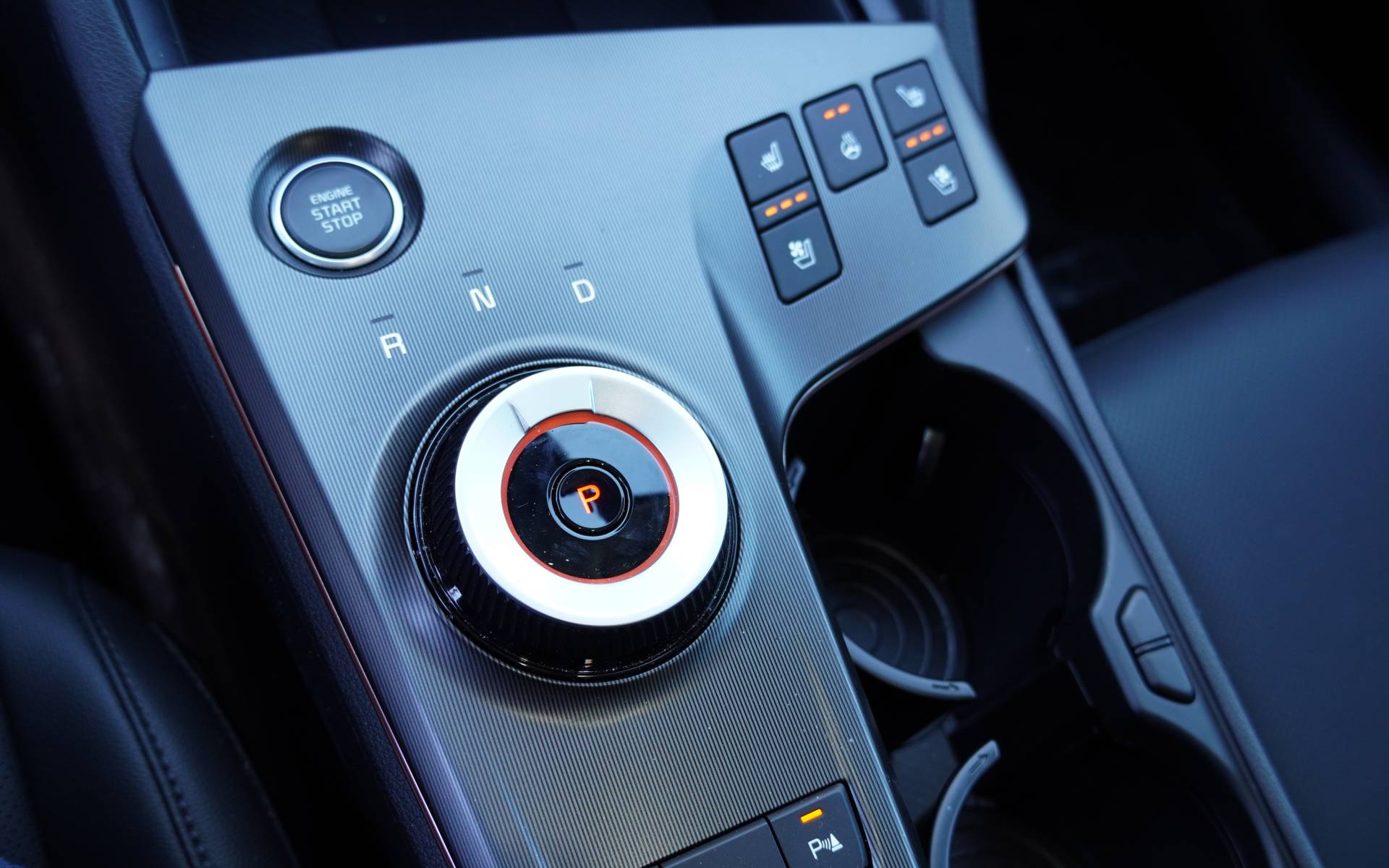
Once the vehicle reaches optimal operating temperature, drivers can choose to continue in all-electric mode using the “EV/HEV” button located near the large rotary controller that serves as the gear selector. Alternatively, the Sportage PHEV offers Hybrid and Auto operation modes.
As for drive modes, which can be selected using a button to the left of the steering wheel, Sport mode requires both power sources to work simultaneously, effectively eliminating the ability to run purely on electricity while enjoying a more dynamic driving experience.
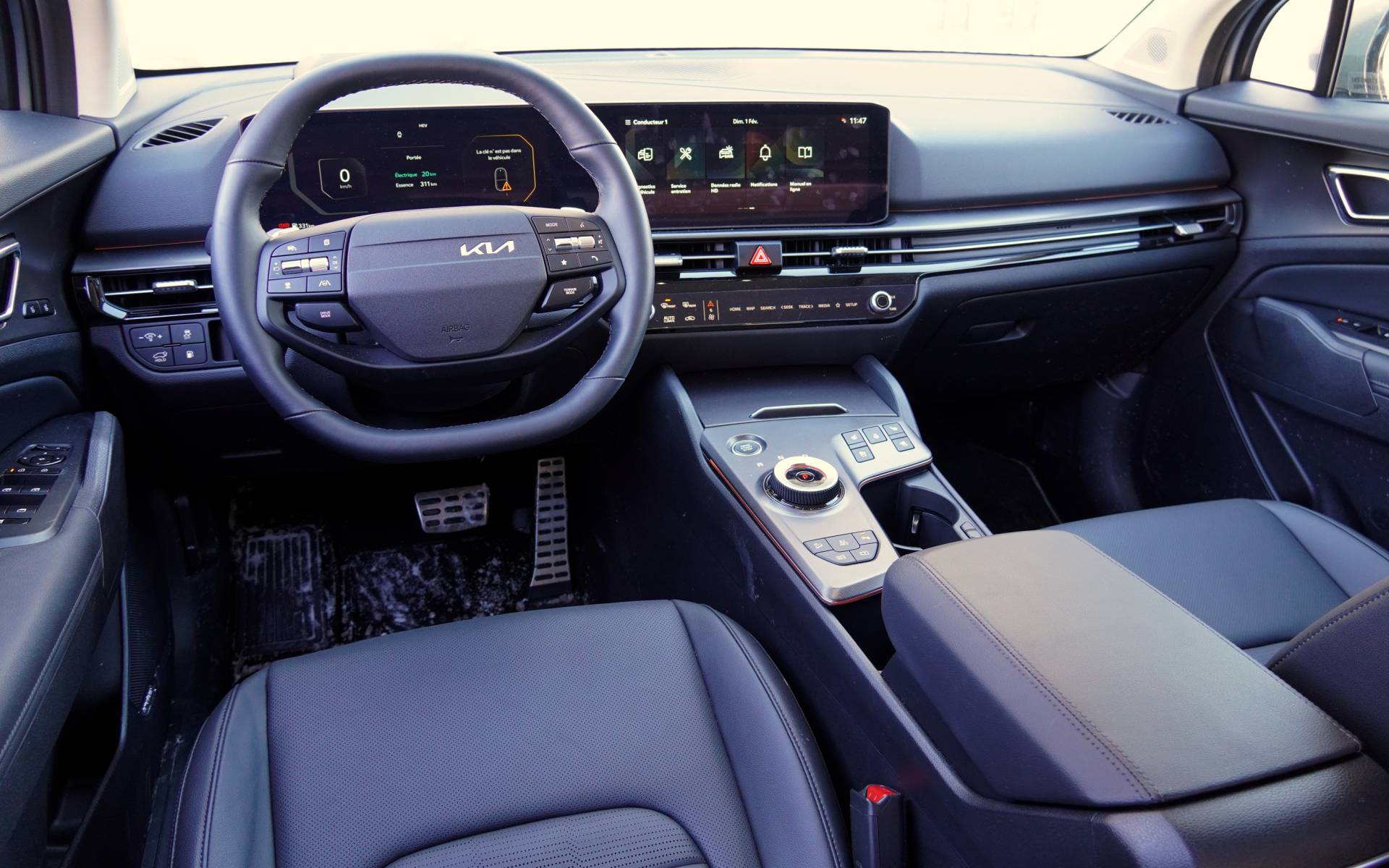
We can draw a pretty clear conclusion from all this: the warmer the Sportage PHEV at start-up, the easier and quicker it is to drive exclusively on battery power and the longer the zero-emission range. By the way, the 13.8kWh battery needs just two hours to fully charge using a Level 2 AC charger, provided once again that temperatures aren’t brutally cold.
In other words, a Sportage PHEV parked—and charged—in a heated garage will switch to EV mode much sooner than the same vehicle left outdoors overnight. And we probably don’t have to remind you that the more you avoid using the engine, the fewer trips you’ll make to the gas station.
Based on these observations, the Kia Sportage PHEV certainly falls into the “think it through carefully” category, unlike the more conventional Sportage HEV, which offers far less choice to the driver. At the other end of the spectrum, a fully electric vehicle also leaves no room for compromise.
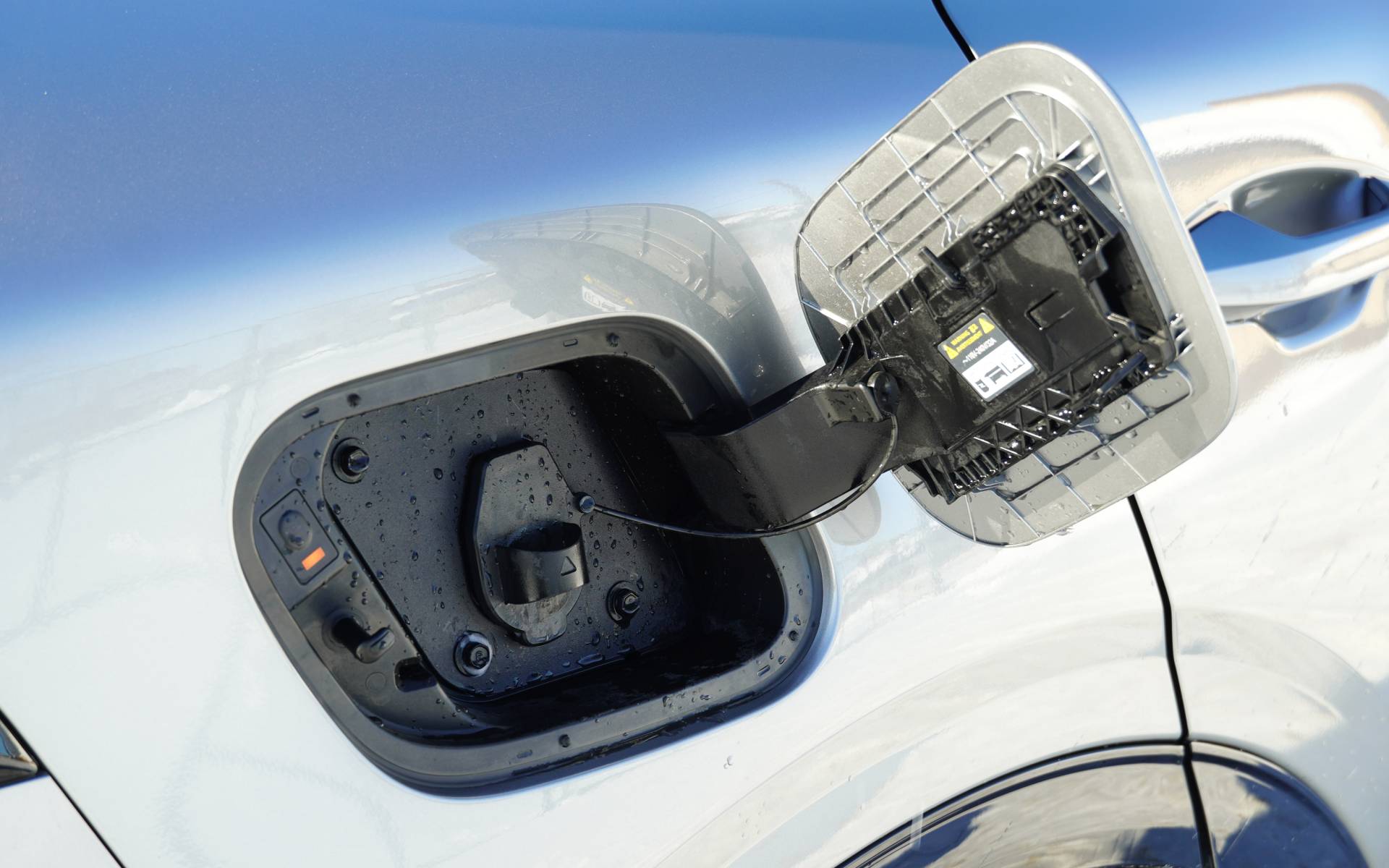
Average fuel consumption varied dramatically depending on weather conditions. During the first trip in extreme cold, EV mode was rarely engaged and the computer ended up reading 9.4 L/100 km—a poor and highly unusual result for a plug-in hybrid. By contrast, the second run over the same route in similar but warmer conditions put a lighter burden on the engine and yielded an average of 4.7 L/100 km.
More Powerful, But…
With the assistance of the electric motor and a larger battery than that of the Sportage HEV, the Kia Sportage PHEV is more powerful at 268 hp while peak torque is unchanged at 258 lb-ft. And like other hybrids in the Kia lineup, this one features a six-speed automatic transmission instead of a CVT.
The system doesn’t make for jolt-free acceleration or exciting handling, mind you. The previous-generation Sportage arguably put more emphasis on sporty driving, albeit at the expense of practicality. The current iteration of the Korean compact SUV was made longer in an effort to compete with the most spacious offerings in the segment, which turned out to be a sound decision in the grand scheme of things.
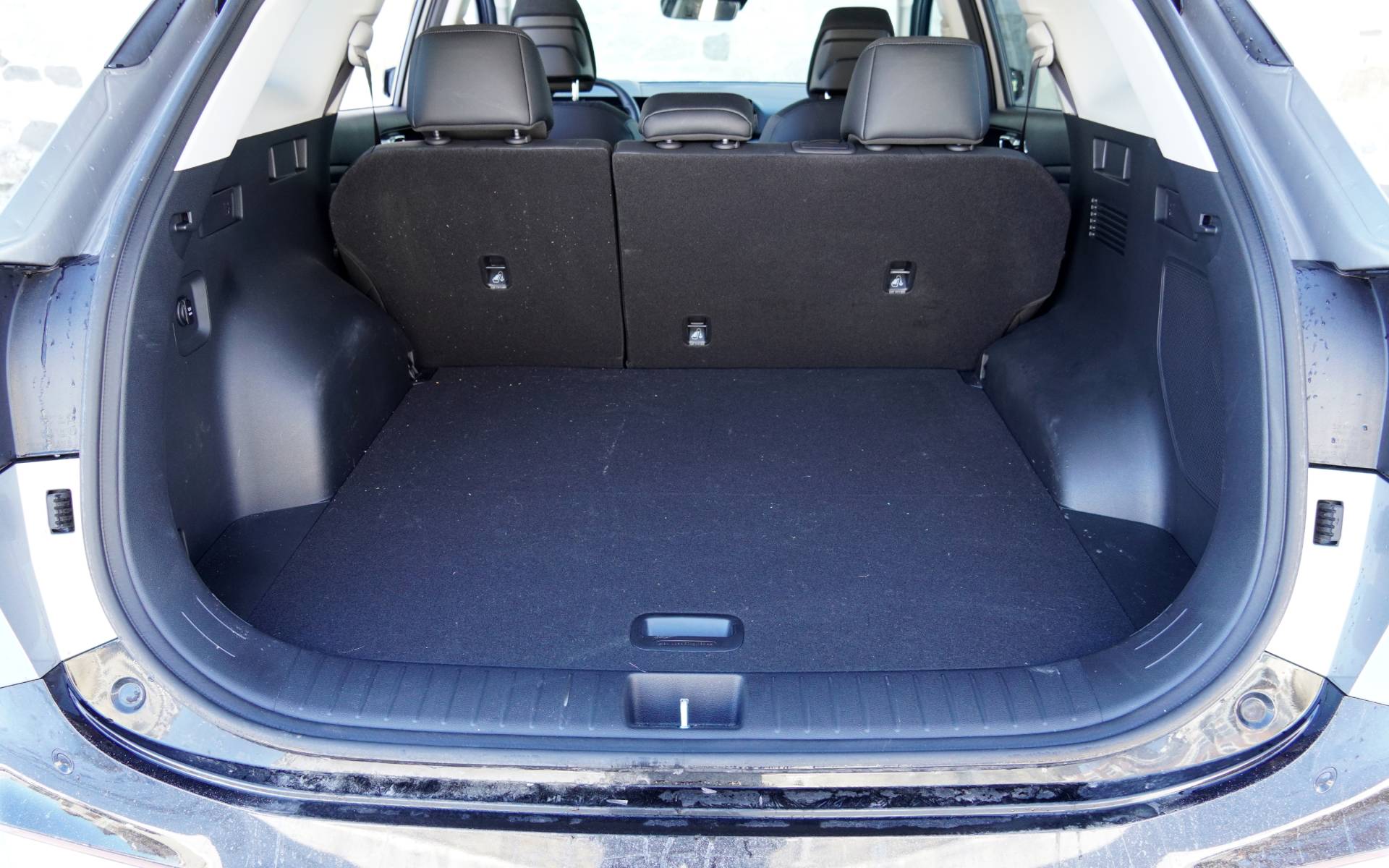
The downside is that driving pleasure now clearly takes a back seat, even with Sport mode engaged. Steering may feel slightly heavier and the transmission may hold gears longer, but it doesn’t turn the Sportage into a canyon carver.
In all fairness to Kia’s engineers, the primary purpose of the Sportage PHEV is to reduce fuel costs. It also proves excellent where ride quality is concerned, with a suspension that’s nicely calibrated to survive yet another pothole-filled season. A touchscreen that went blank for an hour or two and a few undesirable body noises briefly marred our experience behind the wheel, but other than that the vehicle never skipped a beat.
SX: The Fully Loaded Option
Sitting at the top of the lineup, the Sportage PHEV SX is far from a bargain with an MSRP of $52,995 plus $2,150 freight and PDI. Including tax, it’ll cost you over $60,000.
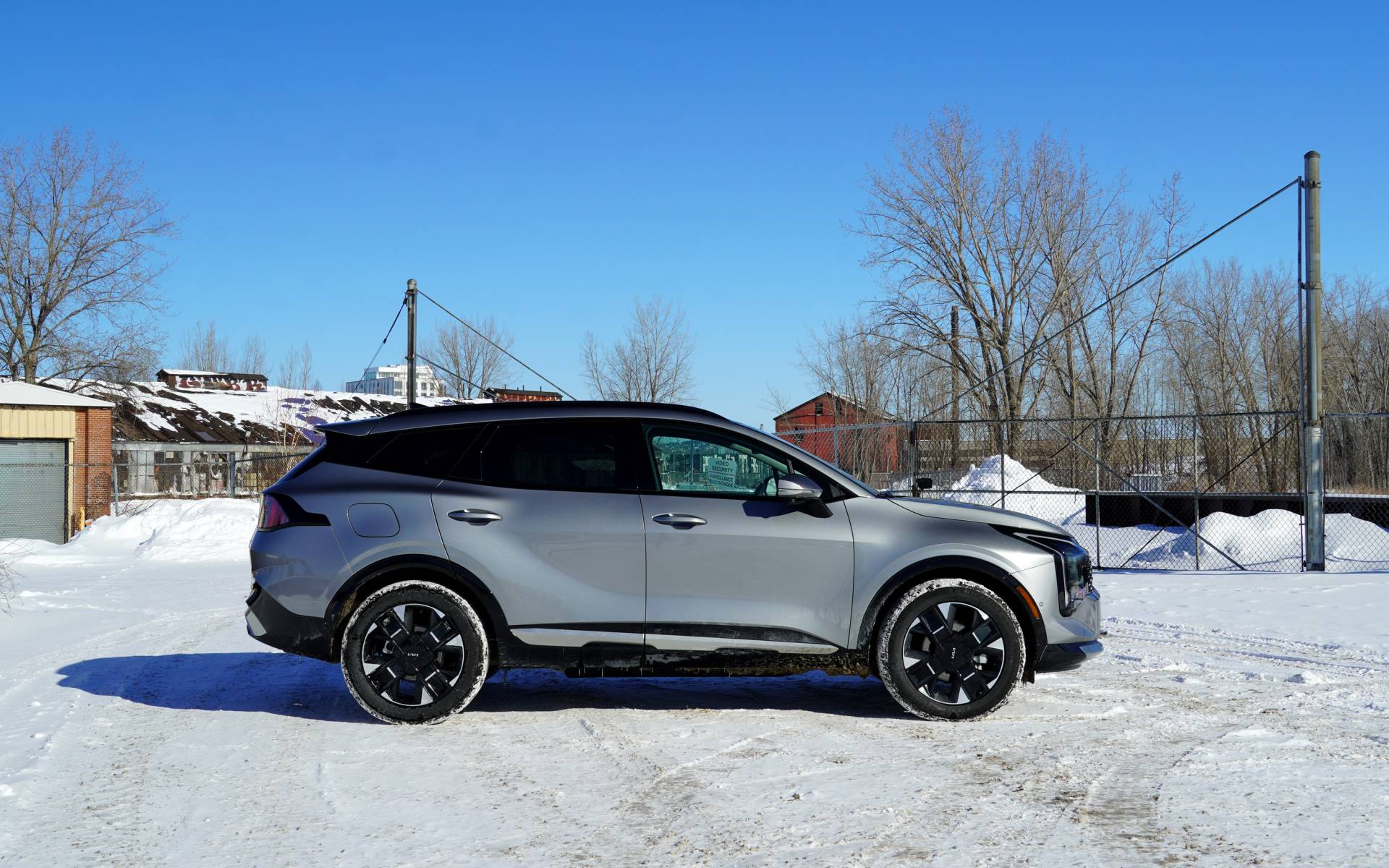
That said, the Korean recipe of stuffing a vehicle with nearly everything available in the brand’s catalogue also applies to the most luxurious Sportage. Content includes heated synthetic leather seats in both rows, ventilated front seats, flat-bottom heated steering wheel, digital instrument cluster, 12.3-inch centre touchscreen, head-up display, 19-inch wheels, LED headlights, fog lights, satin exterior trim, driver seat memory, Harman Kardon audio system, digital key and a comprehensive suite of driver assistance technologies.
The 2026 Sportage PHEV SX holds its own against SUVs costing several thousand dollars more. It’s often this extensive list of features that ultimately convinces potential buyers, in addition to the more generous warranties offered by Korean manufacturers.
Our Verdict
The moral of this story brings us back to the very first question that any individual should ask before purchasing their next vehicle. When needs are carefully assessed, a PHEV can be an excellent choice for some and a less suitable one for others. And the Kia Sportage PHEV is no exception to this rule.