Most Canadians Support Chinese EVs, Three New Surveys Find
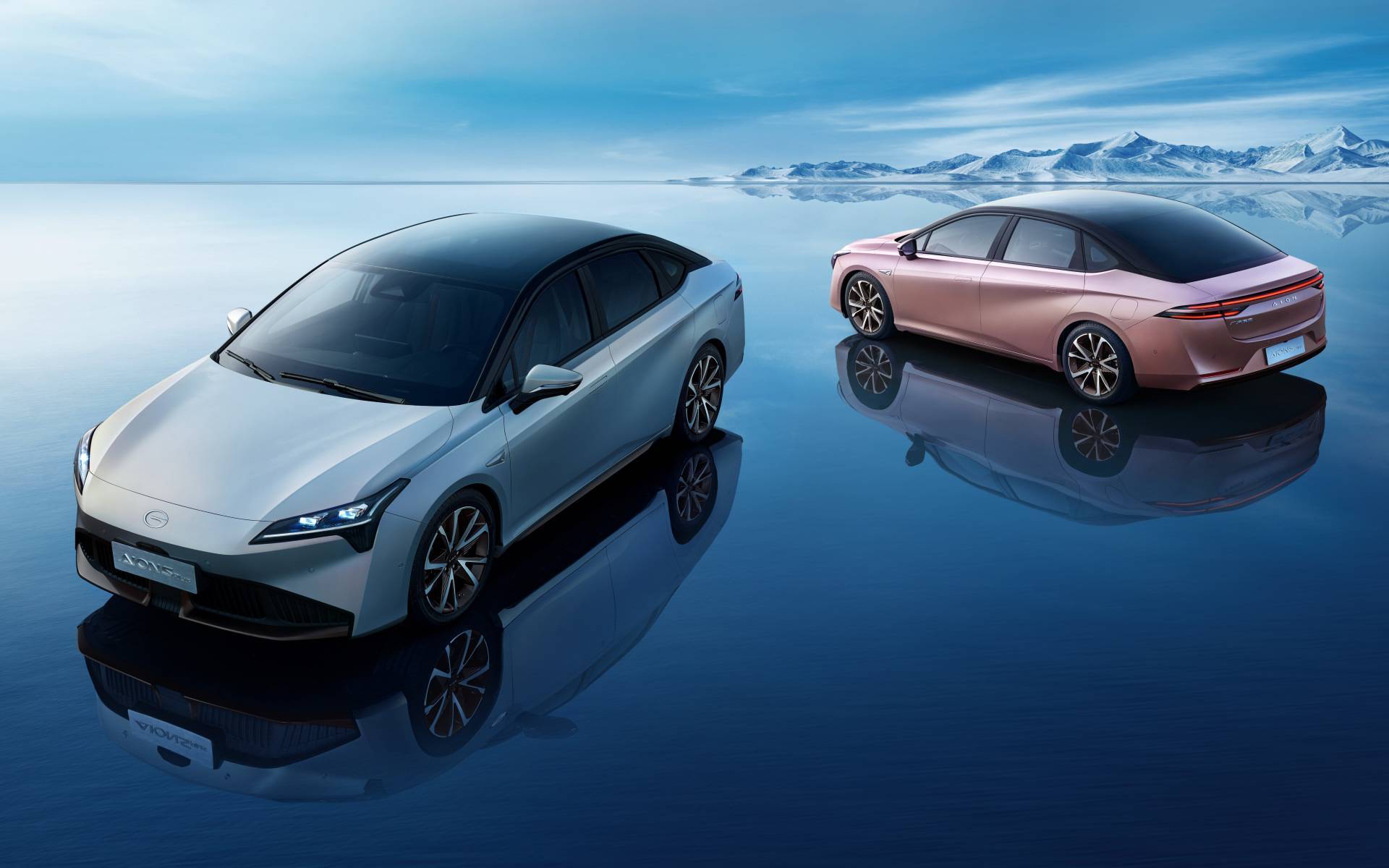

Ottawa's decision to allow imports of 49,000 Chinese electric vehicles annually at the preferential tariff of 6.1% continues to generate plenty of reactions across the auto industry, as well as among politicians and consumers. Three new surveys conducted in recent days show that most people support the deal.
First, a Leger poll found that 61% of respondents either strongly or somewhat back the Carney administration’s move to allow more Chinese EVs into the Canadian market. Support is notably higher in Quebec at 72%, as well as among men and Canadians aged 55 and older.
Read also
- U.S. Automakers Fear Chinese EVs Coming to Canada But Forget Those in Mexico
- Ontario Premier Doug Ford Calls on Chinese EV Boycott
Despite this, three-quarters of respondents said they have at least one concern, starting with vehicle quality and durability, followed by the effects on the Canadian auto industry. Next came fears about security and privacy, then geopolitical issues (including retaliation from the U.S.) and national security concerns related to China.
Ontario Premier Doug Ford has been one of the most vocal opponents of new, low-cost Chinese EVs launching in Canada, encouraging consumers to boycott them. The Leger poll actually shows greater resistance among the population in that province.
However, another survey conducted by Pallas reveals that 60% of Ontarians support the Ottawa-Beijing agreement, while 34% oppose it. Support holds across all regions of the province, but it’s worth pointing out that the deal is far less popular among Doug Ford’s Progressive Conservative (PC) supporters.
Over half of Ontarians disagree with the premier's criticism that it was a "lopsided deal" risking Ontario's auto jobs and access to the U.S. market. A majority also agrees with the federal government's intention to diversify trade away from the U.S. In fact, three out of five respondents trust Mark Carney more than Doug Ford to manage our relations with the U.S. and China.
Finally, an Abacus/Clean Energy Canada survey found that 35% of Canadians—including one in two people aged 30 and under—are open to buying Chinese EVs. Regionally, consideration ranges from 45% in Quebec to 24% in Alberta.
Among the 50% of Canadians who are open to buying an EV generally, 70% express varying levels of interest in getting a Chinese model.
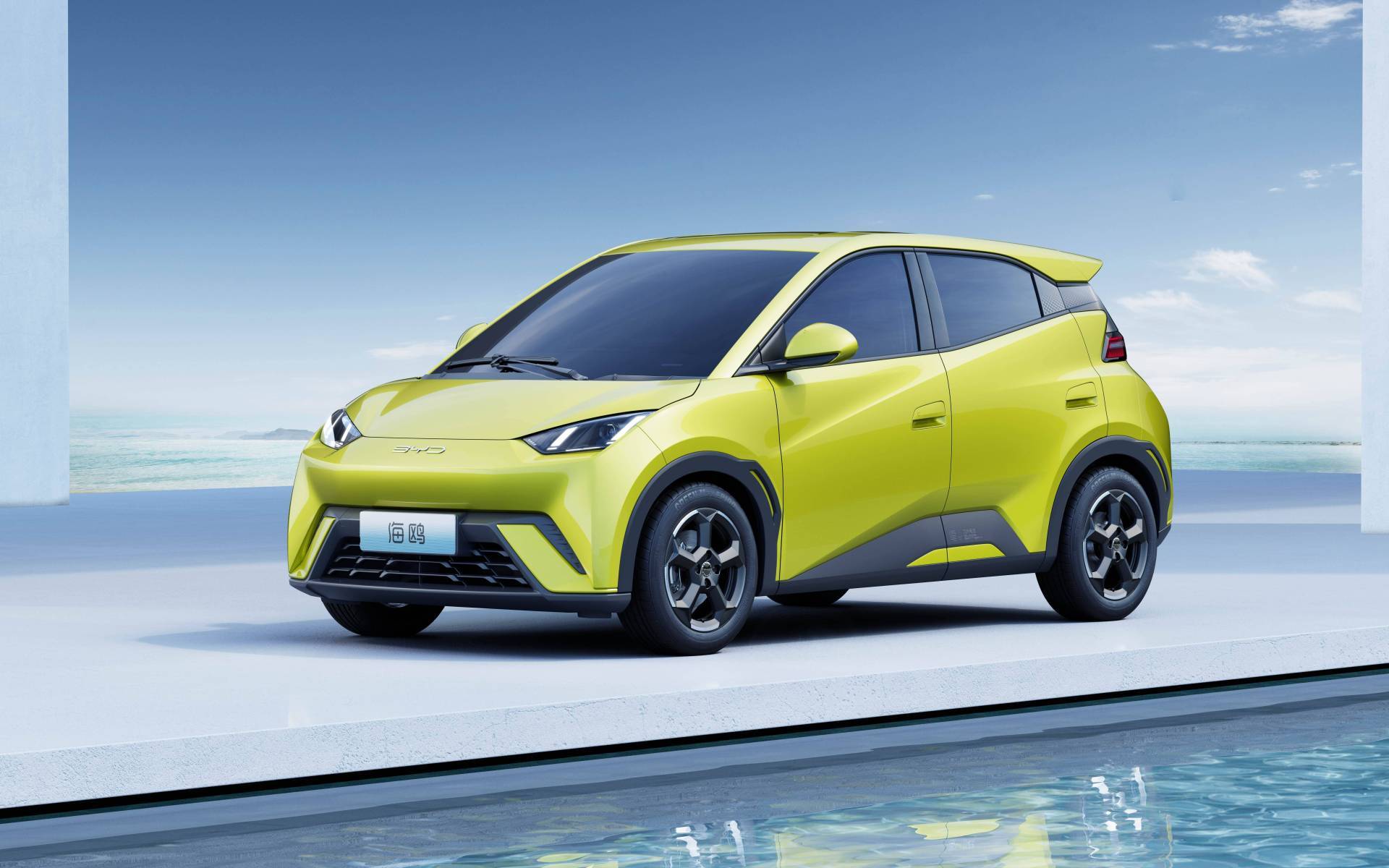
Not only that, but 51% of respondents have a positive or neutral view of Chinese EVs, with 18% believing they are likely superior to the ones sold in Canada today and another 32% suspecting they are of a similar quality. Only 21% think they are likely inferior cars, while 28% remain uncertain.
“More than anything, Canadians want an EV they can afford upfront. High levels of interest in Chinese EVs likely represents just that: a desire for vehicles that are affordable today, as many cash-strapped Canadians simply can’t wait five years to break even on a car that eventually saves them money,” said Trevor Melanson, director of insights and communications at Clean Energy Canada.
He added: “While Canada’s limited quota could mean more willing buyers than cars available, the federal government can leverage the China deal with complementary measures aimed at bringing in more affordable EVs from other carmakers, such as by aligning our car safety standards with Europe, reintroducing purchase incentives, and maintaining regulations that compel automakers to meet the market with affordable EVs.”