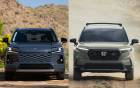
Hyundai, Kia Unveil Clever Safety Tech That Can See Beyond Obstacles
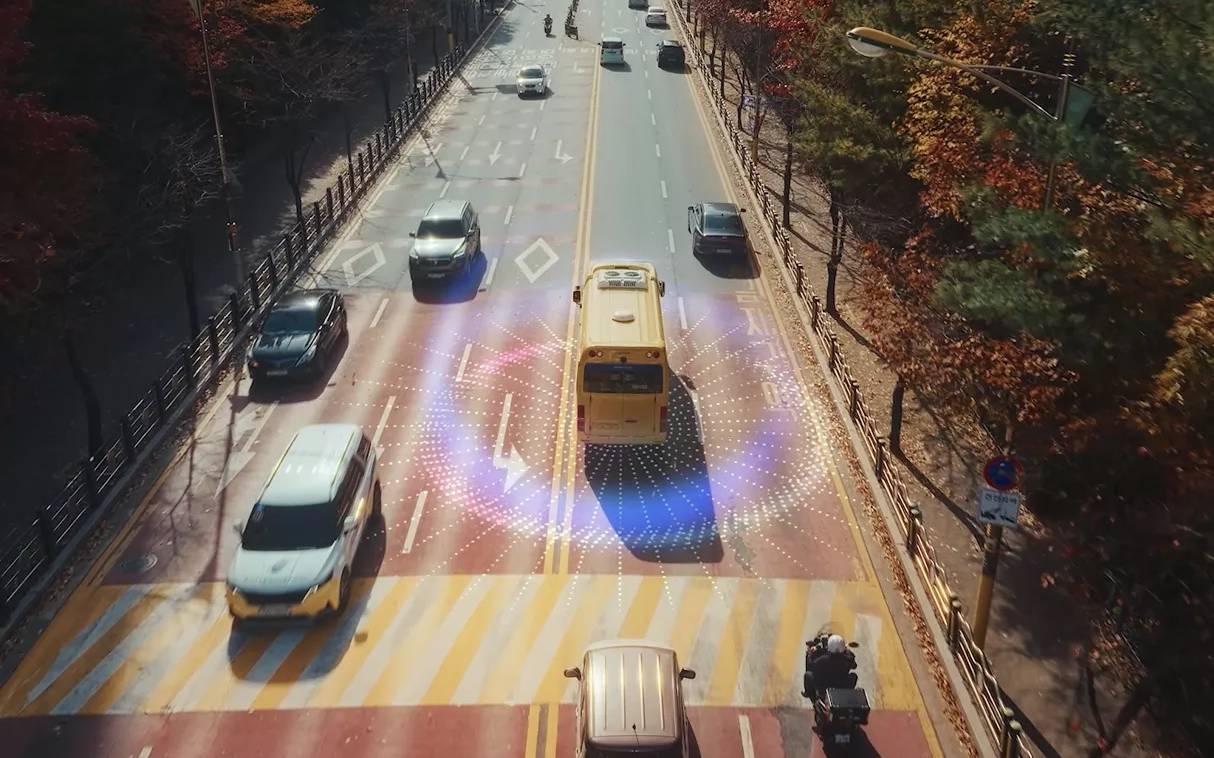

Road safety has immensely benefited from the proliferation of cameras, sensors and radars on modern vehicles, but these devices have limitations and cannot see or detect everything.
Hyundai and Kia believe they have found a way to address the situation, particularly regarding pedestrian safety. Their new Vision Pulse technology employs ultra-wide band (UWB) modules installed in vehicles to emit signals. If nearby vehicles, bicycles or pedestrians also have UWB modules—such as certain smartphones, wearables and trackers—the system measures the time it takes for signals to travel between the modules, calculating their exact positions.
Read also
- IIHS Hands Out Final Top Safety Pick Awards for 2025
- Only 2 Out of 5 Drivers Trust Their Car to Keep Them Safe in a Crash
When a potential collision is detected, the system issues alerts, reducing the likelihood of an accident and greatly enhancing safety.
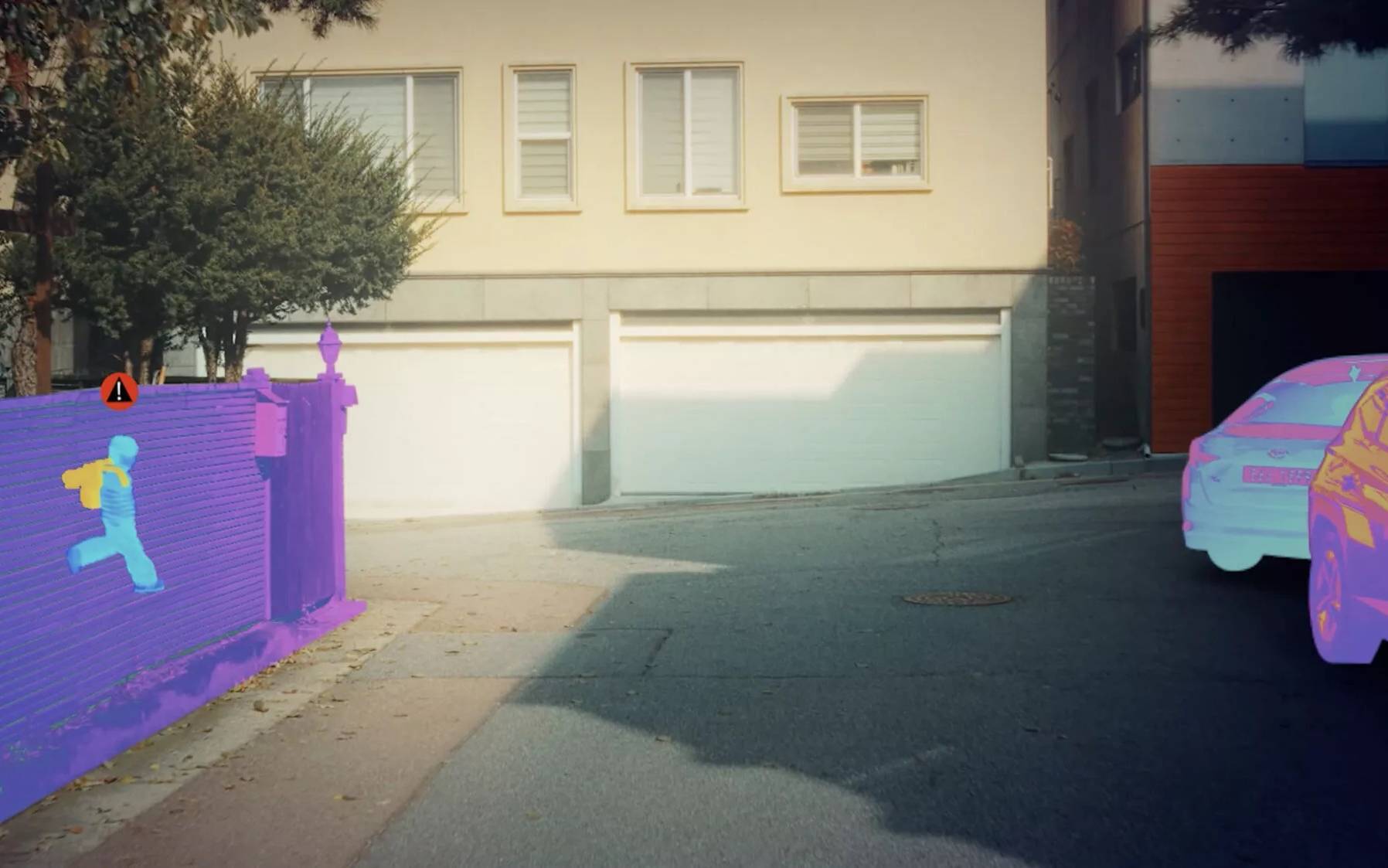
As the two automakers explain, UWB operates on GHz bandwidth, ensuring minimal interference from other signals and exceptional diffraction and penetration capabilities. They claim that Vision Pulse can detect objects even in complex urban intersections with an impressive 10-centimetre margin of error, across a 100-metre radius.
What’s more, the technology maintains over 99 percent detection accuracy under adverse weather or nighttime conditions, offers rapid communication speeds of 1-5 milliseconds and can track over four times the number of moving objects compared to older systems.
Another major advantage is that UWB reduces reliance on expensive sensors such as LiDAR and radar. Vehicles equipped with Hyundai and Kia’s ‘Digital Key 2’ already include these modules, requiring no additional hardware for use.
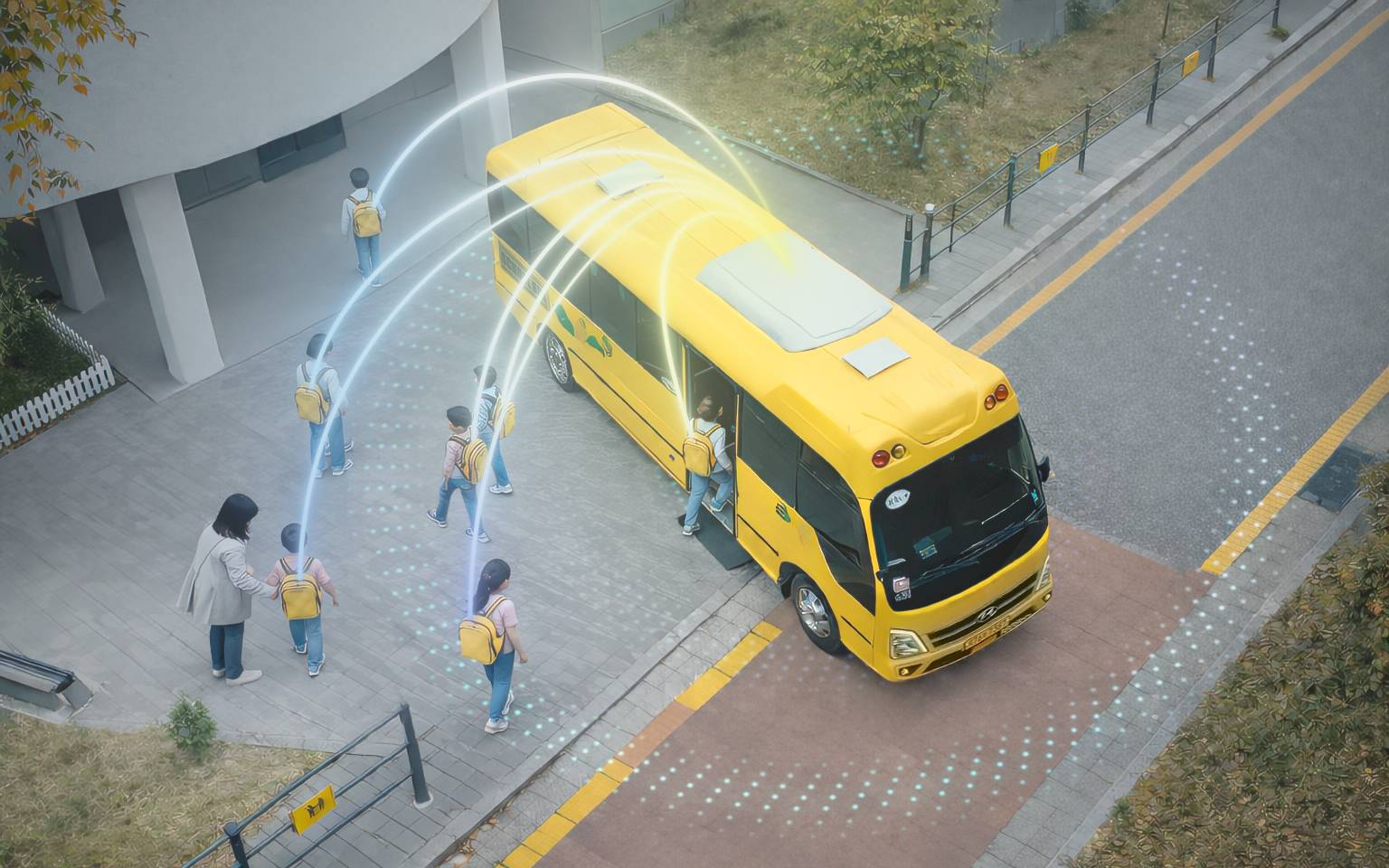
Vision Pulse could also help increase the safety of children around school buses. In one pilot program, protective keyrings featuring a guardian angel design were attached to backpacks, allowing the bus driver to see kids even when they were momentarily out of view.
Beyond automobiles, Hyundai and Kia see other applications, such as preventing collisions between workers and machinery on construction sites and in warehouses, or locating individuals buried under debris during natural disasters.