BYD Has Inside Track to Sell EVs in Canada, Here’s Why


Who will be the first to benefit from Ottawa's green light to import 49,000 Chinese electric vehicles annually at the preferential tariff of 6.1%? Brands already established in Canada, such as Tesla, Volvo and Polestar, have a head start, no doubt about it. As for companies based in China, BYD finds itself in the best possible position right now.
The Chinese powerhouse, which has overtaken Tesla as the world's number one EV seller, has had a presence in Mexico for a few years, but let's not forget another thing: it already has a license to sell vehicles in Canada.
Read also
- U.S. Automakers Fear Chinese EVs Coming to Canada But Forget Those in Mexico
- Ontario Premier Doug Ford Calls on Chinese EV Boycott
Indeed, BYD is listed in Transport Canada’s Appendix G Pre-clearance Program for Canadian commercial importers that import less than 2,500 vehicles per year from foreign manufacturers.
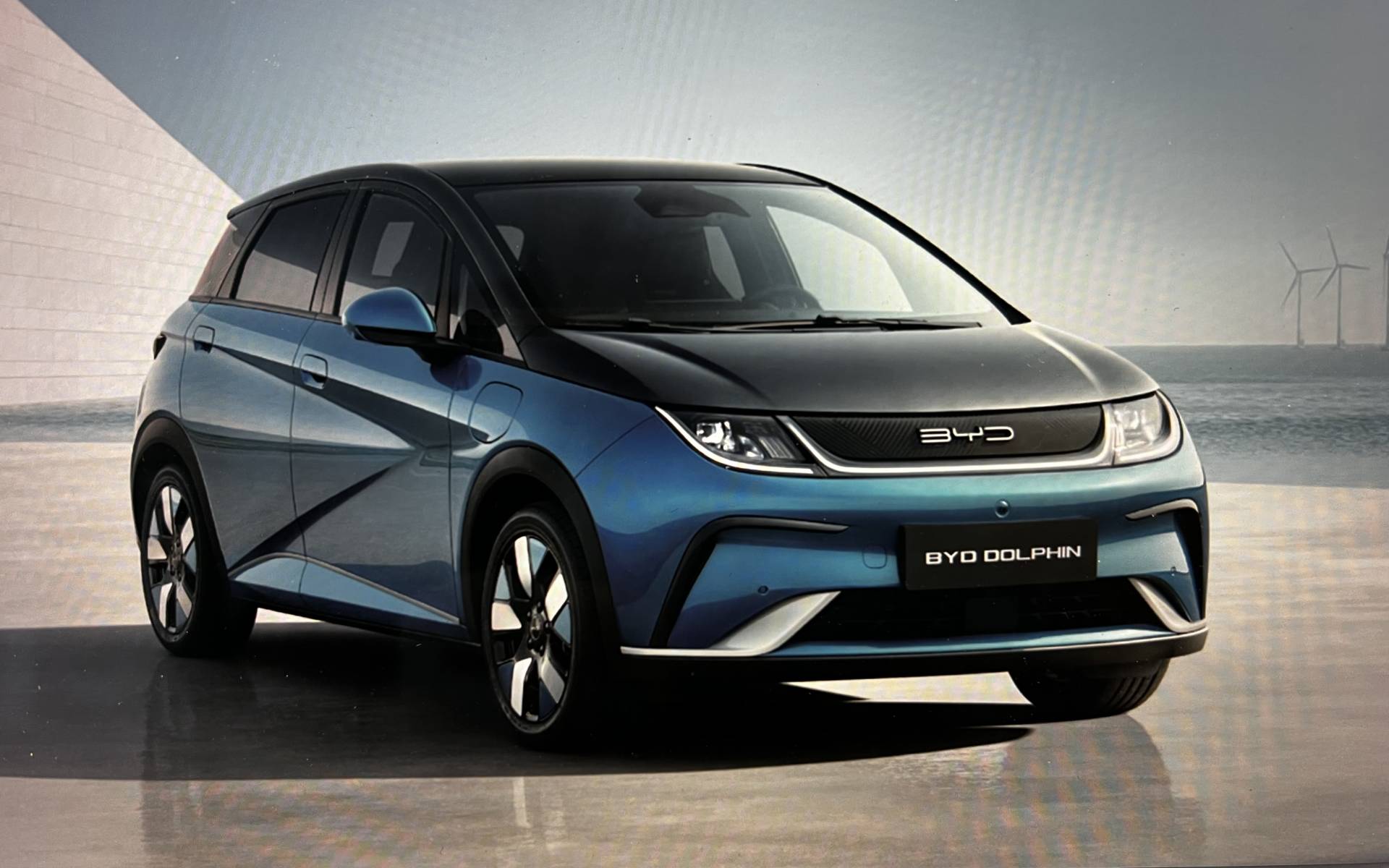
This includes BYD AUTO CO., LTD. for passenger vehicles manufactured at the Shenzhen and Xi'an plants, as well as BYD Auto Industry Company Limited and BYD Coach & Bus LLC for commercial vehicles (buses and trucks). The former produces models such as the Seagull, Dolphin, Seal and Atto, all likely to appeal to Canadian consumers with their affordable prices.
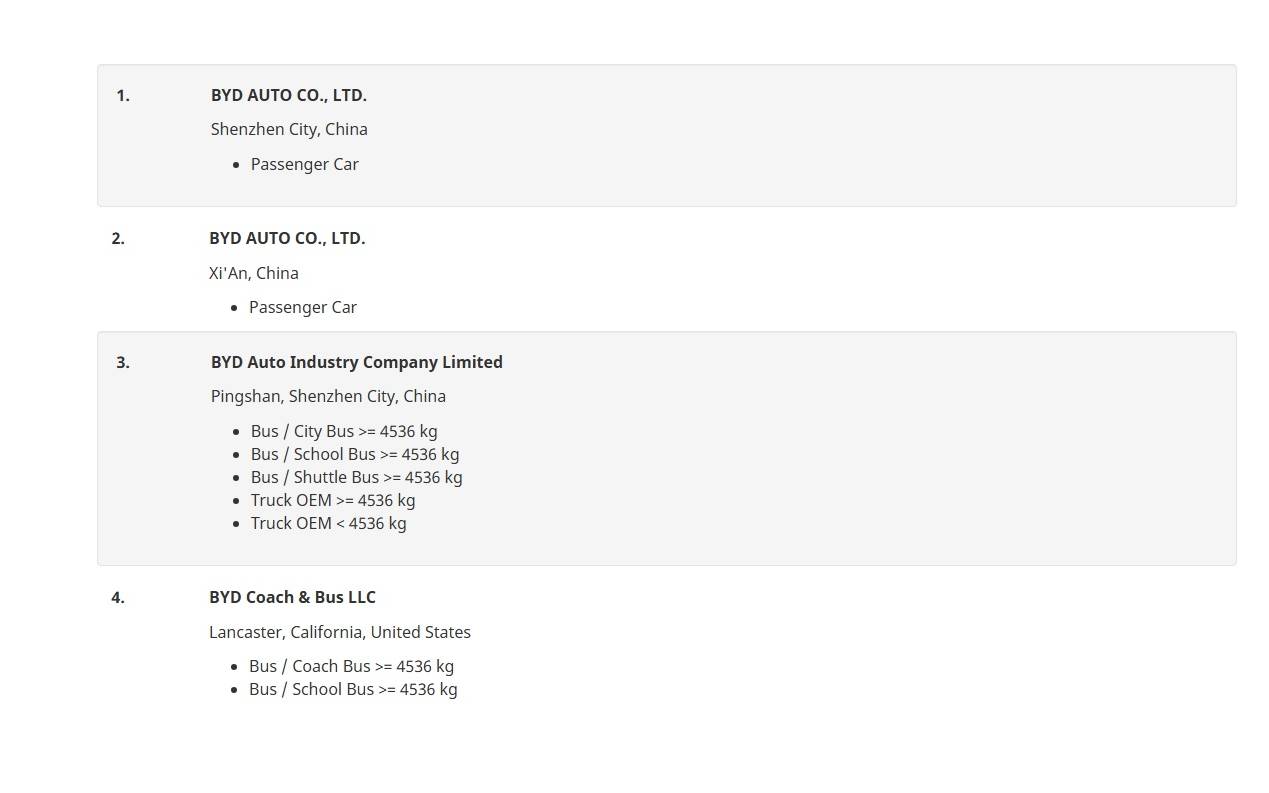
So, even though the number of vehicles in Appendix G is quite limited (the Appendix F Pre-clearance Program is for Canadian commercial importers that import more than 2,500 vehicles per year from foreign manufacturers), BYD definitely has a lead on its domestic rivals.
Incidentally, Transport Canada paused new Appendix G applications for passenger vehicles in 2025. Companies not registered must fall back on Transport Canada's case-by-case importation process, which requires much more paperwork and time because each VIN must be analyzed and approved.
Many details about the agreement between Ottawa and Beijing remain to be clarified, but the first of these 49,000 Chinese EVs should arrive here in 2026 if everything goes as planned—that is, if there is no limiting opposition from the industry or the U.S., for example.
BYD, of course, will have to develop a dealer network in Canada along with service and warranty programs. However, money is arguably not a problem.
Still, one might wonder: will the Canadian government modify or revoke existing Appendix G listings? It would be surprising, yes, but not impossible. Stay tuned.