10 Vehicles You Might Regret Buying… And What to Pick Instead
Consumers shopping for a new vehicle and looking to avoid problems as much as possible should prioritize reliable and durable models known for their quality. Attributes such as ease of use, good fuel economy and low maintenance costs should also be considered.
With that in mind, The Car Guide has a few recommendations to share. Here are 10 vehicles you might regret buying—and better alternatives for each one of them.
Read also
- Avoid These 5- to 10-Year-Old Vehicles, Consumer Reports Suggests
- Two Years Ago, Consumer Reports Suggested to Avoid These 9 Vehicles
Chrysler Pacifica Hybrid
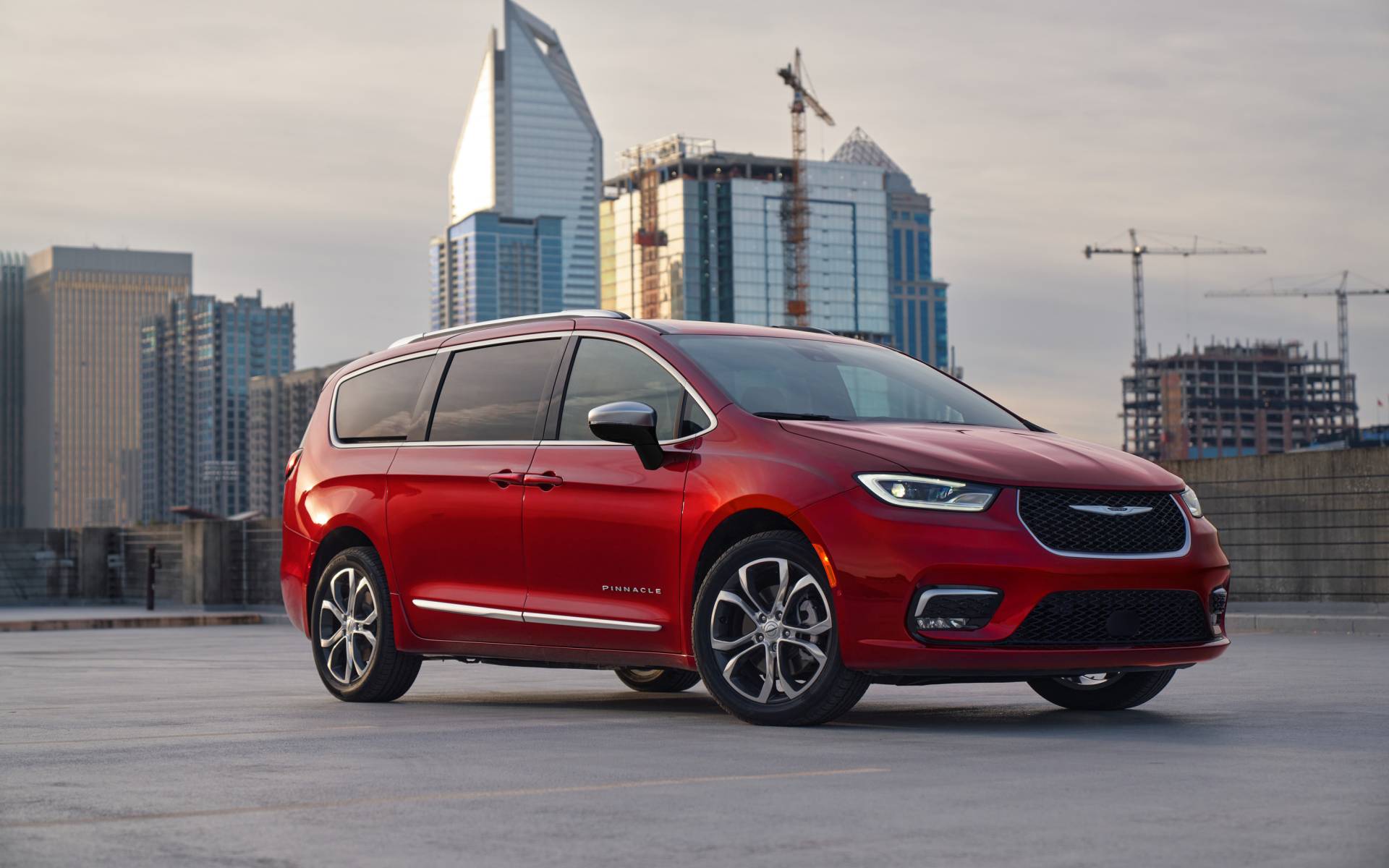
There are still some units available at dealerships and generous discounts may be offered, but there's a good reason why Stellantis recently discontinued all of its plug-in hybrids in North America. Battery and charging system problems, including fire hazards, have been widespread and resulted in multiple safety recalls. Other electrical and electronic issues have also been reported.
The Toyota Sienna is definitely a better choice. It comes standard with a proven conventional hybrid powertrain and optionally with an all-wheel drive system that makes it just slightly less fuel-efficient. For a cheaper pick, you might want to consider the Kia Carnival Hybrid.
Ford Explorer
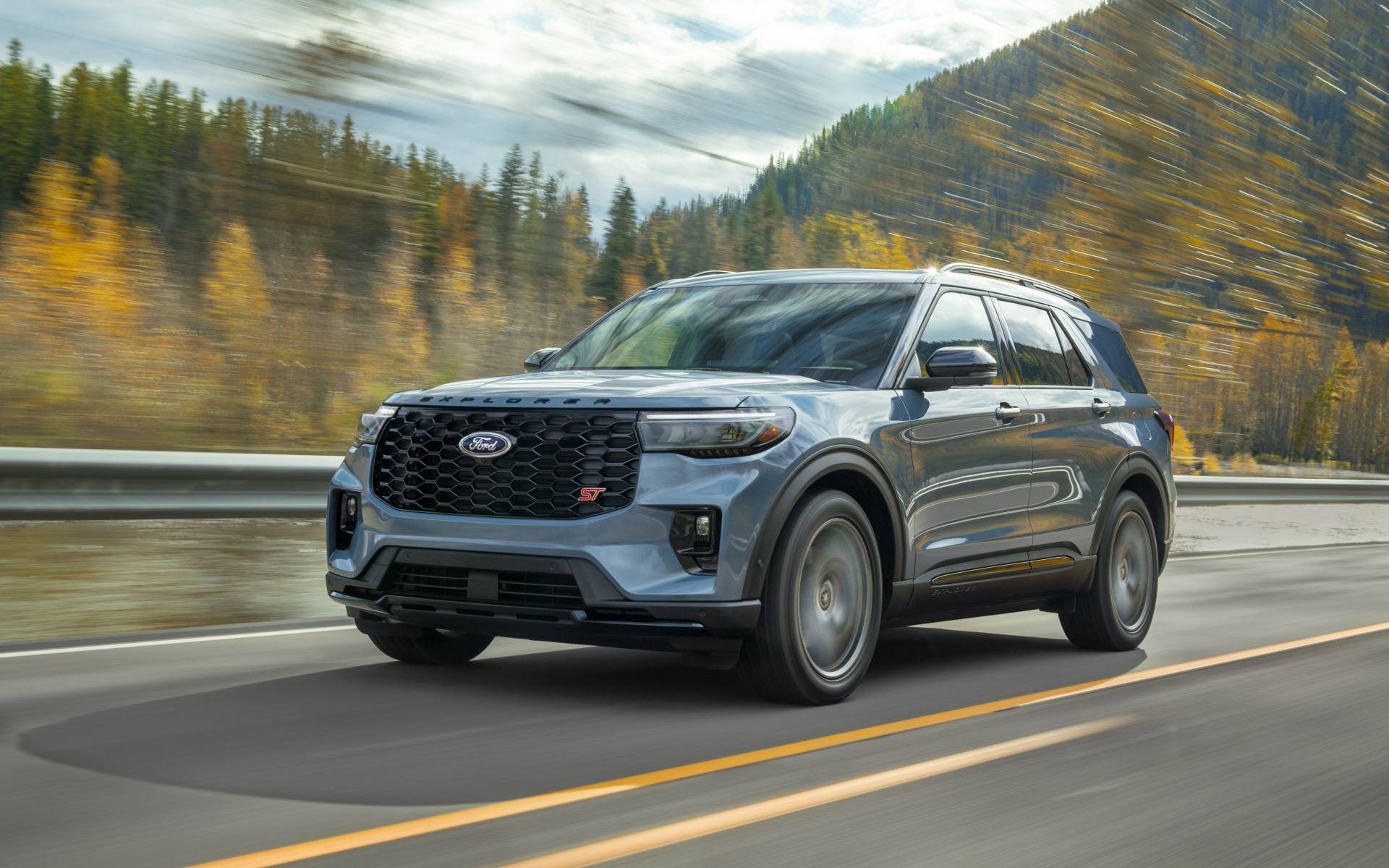
Despite offering plenty of muscle and handling the everyday challenges typical of a three-row SUV, the Explorer's below-average reputation for overall quality and reliability can deter some buyers. Furthermore, this vehicle suffers from a relatively stiff ride and a transmission that lacks smoothness.
The second-generation Hyundai Palisade is a compelling alternative, having just been named 2026 North American Vehicle of the Year. More refined and better appointed, it excels in virtually every aspect, and its optional hybrid system delivers excellent performance. While the first year of a new model is typically a bit of a gamble, Hyundai's superior warranty will provide long-term peace of mind.
Toyota Tundra
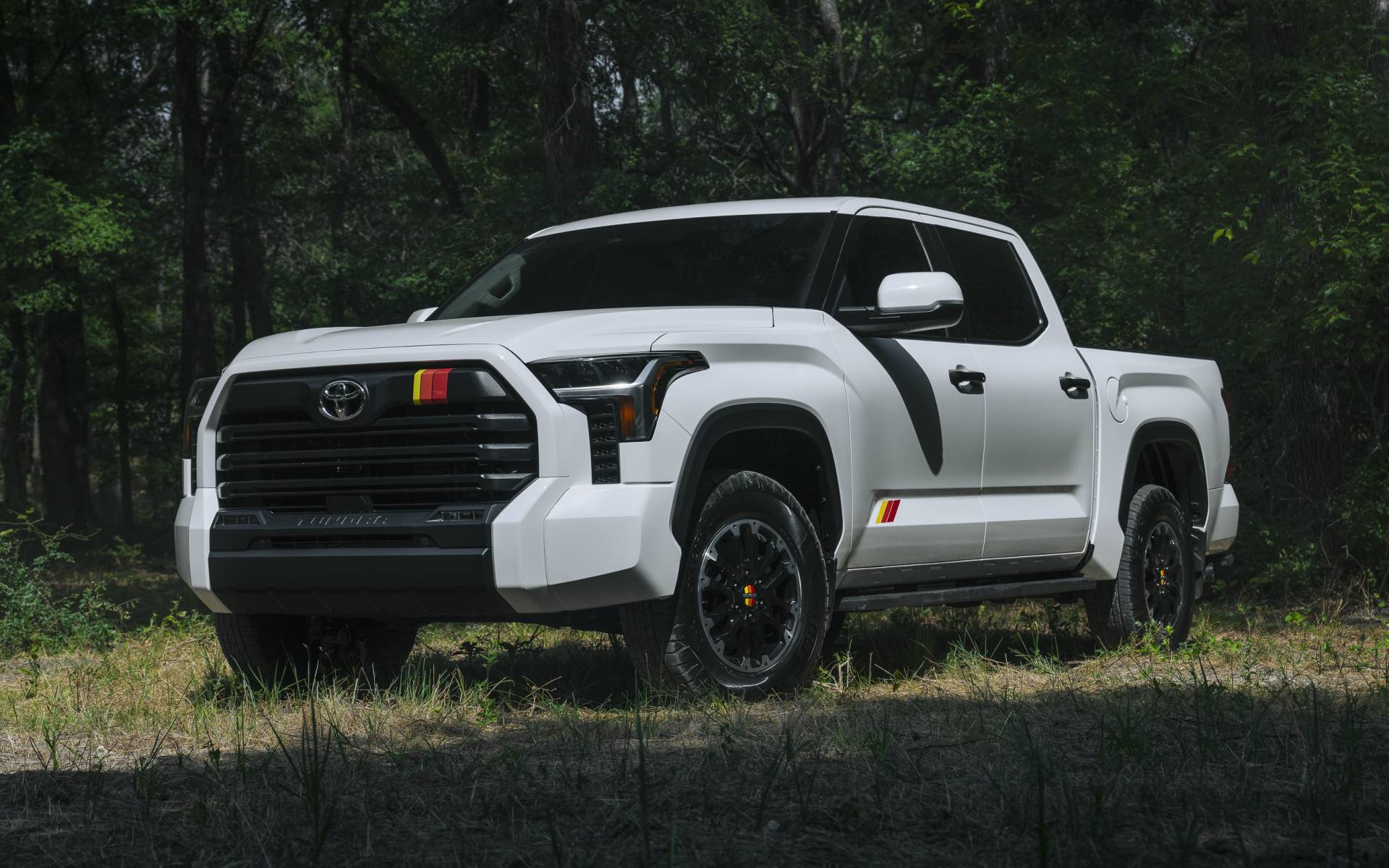
The Tundra continues to benefit from Toyota's reputation for reliability and good resale value, but the latest generation has been plagued by a number of well-documented problems related to its twin-turbo V6-based powertrain. What’s more, towing and payload capacities don’t match the competition, and the lack of practical features such as a multifunction tailgate and rear corner steps for accessing the cargo bed is a shame.
For value and versatility, it's arguably wiser to opt for GM’s full-size pickups, namely the Chevrolet Silverado and GMC Sierra. They may be older and less flashy, but owners usually turn out to be more satisfied. Furthermore, these trucks offer a huge selection of configurations, trims and powertrain options to suit every need and budget. Just beware of the 6.2-litre V8, though.
Jeep Compass
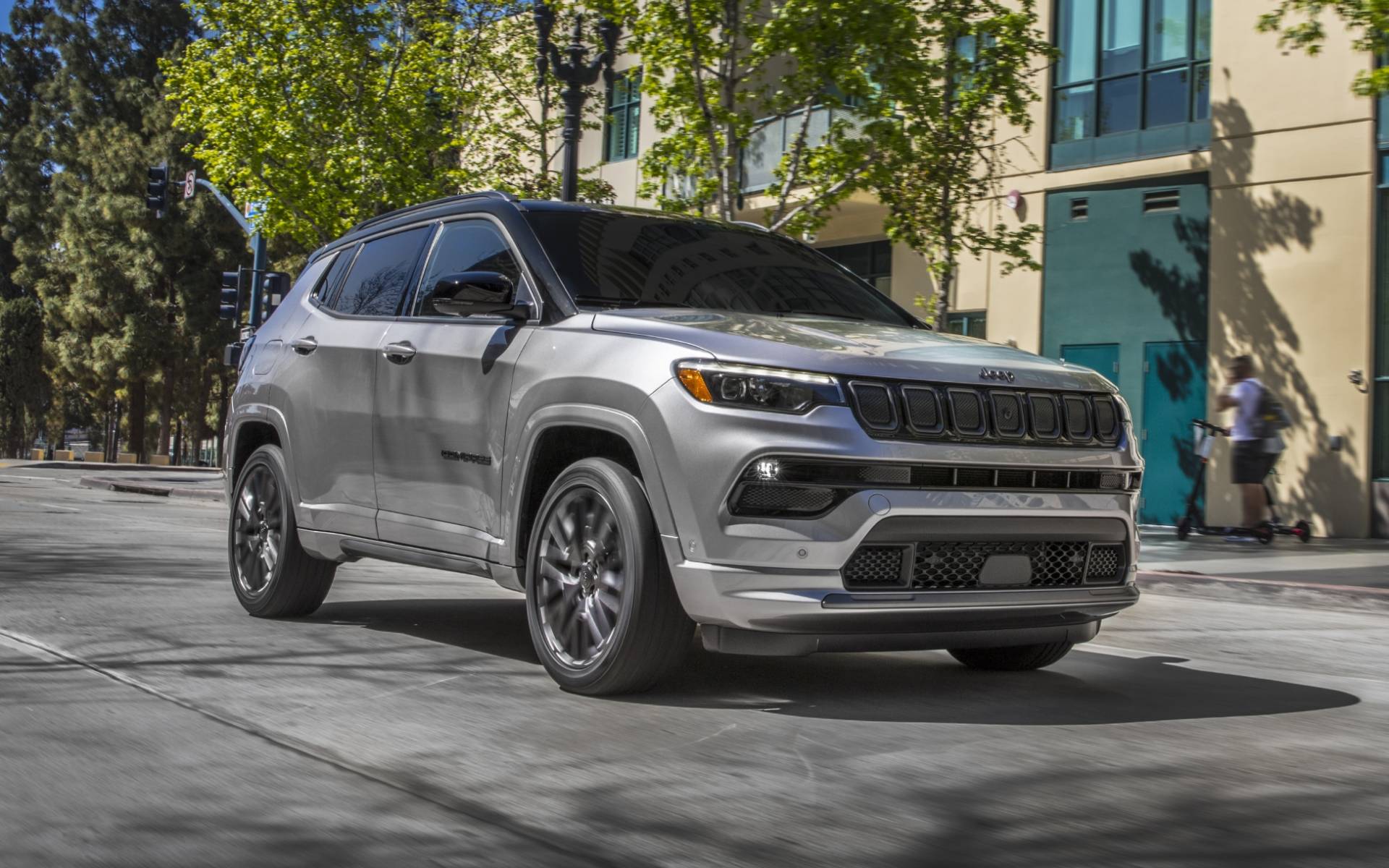
Hampered by its size and age, the Compass is smaller and less refined than most other compact SUVs, including the Cherokee that’s just been brought back from the dead. It's not exactly budget-friendly, either. Unless you're sticking with an off-road model like the Trailhawk, you'll get better value for your money elsewhere. Oh, and given its reliability record, leasing proves a better option.
The Car Guide will happily recommend several other models. The Subaru Forester, for instance, impresses with its spaciousness and visibility, fuel-efficient engine, comprehensive safety arsenal and excellent all-wheel drive system. It's also a good choice for occasionally venturing off the beaten path.
Volkswagen ID.4
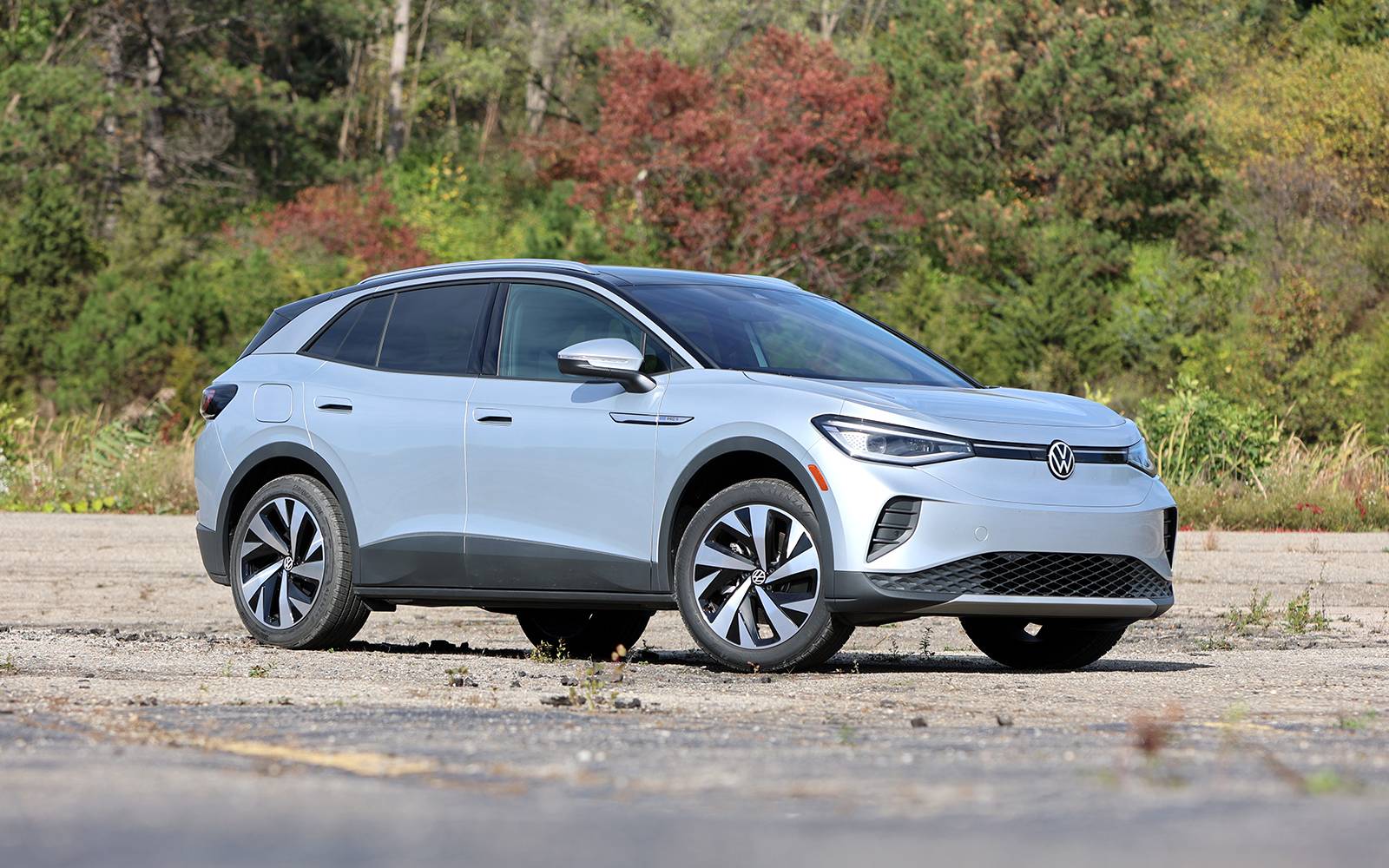
Beyond the frustrating dashboard interface and multimedia system, we sometimes hear complaints about the ID.4’s range, which isn't as impressive as that of other electric compact SUVs. And if you're a regular reader, you know that the ID.4 has a very long list of recalls and that owners frequently experience problems.
There are more attractive options with relatively fewer issues and longer range, starting with the Hyundai IONIQ 5 and Chevrolet Equinox EV. Alternatively, consider the Tesla Model Y or even the revised and significantly improved Toyota bZ, especially in all-wheel drive configuration.
Mazda CX-90
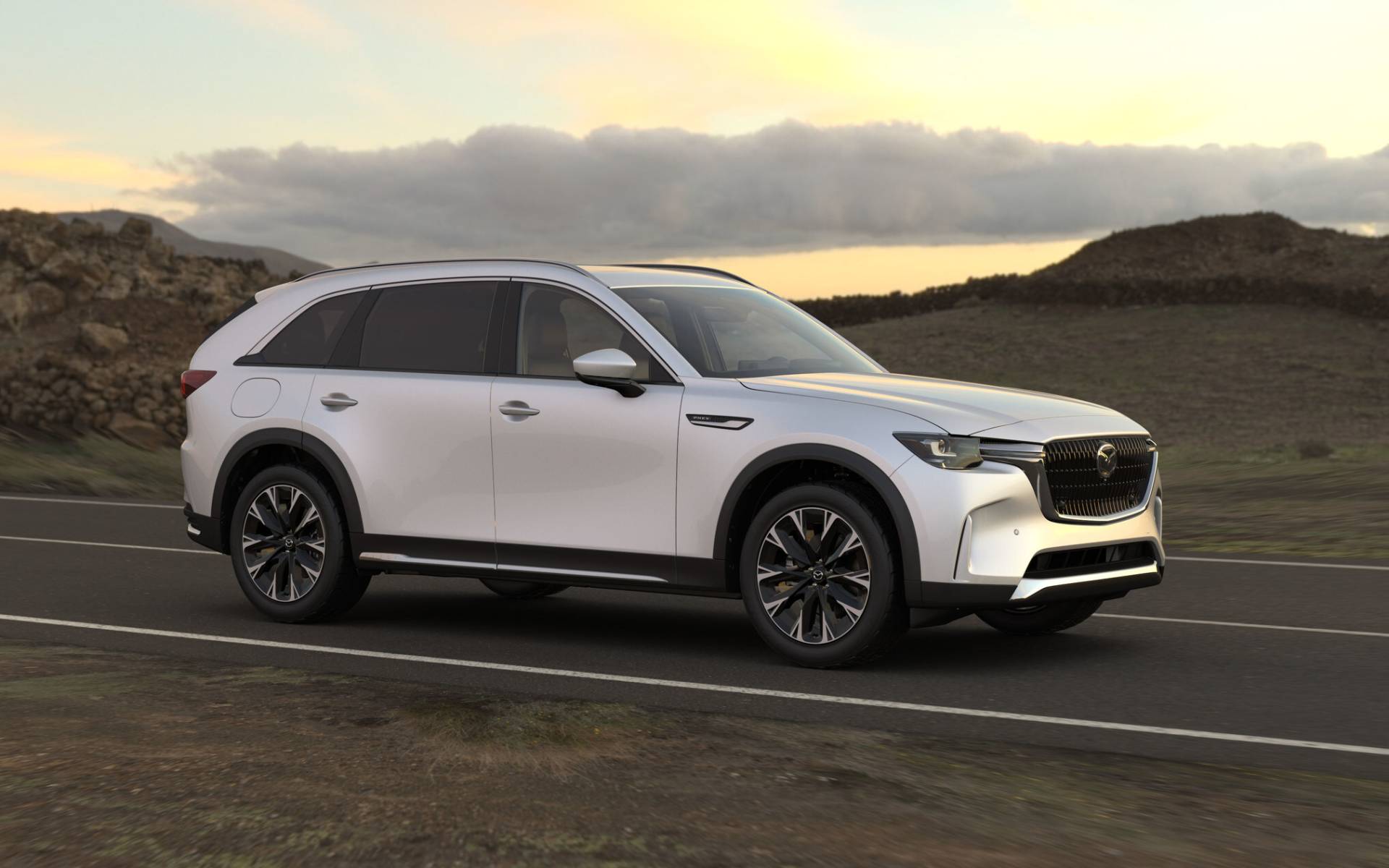
Sleeker, stronger and more refined than the discontinued CX-9, the CX-90 unfortunately doesn't have a stellar reliability record so far. Problems have been reported in various areas including the powertrain. The eight-speed transmission lacks smoothness and has failed in some cases. The CX-90 PHEV has also had its share of issues.
The Toyota Highlander and Grand Highlander are admittedly safer bets. They’re reliable, fuel-efficient, well built and always easier to resell than their competitors. Value is pretty good, too. On the other hand, their longer delivery times and higher insurance premiums can’t be ignored.
GMC Acadia
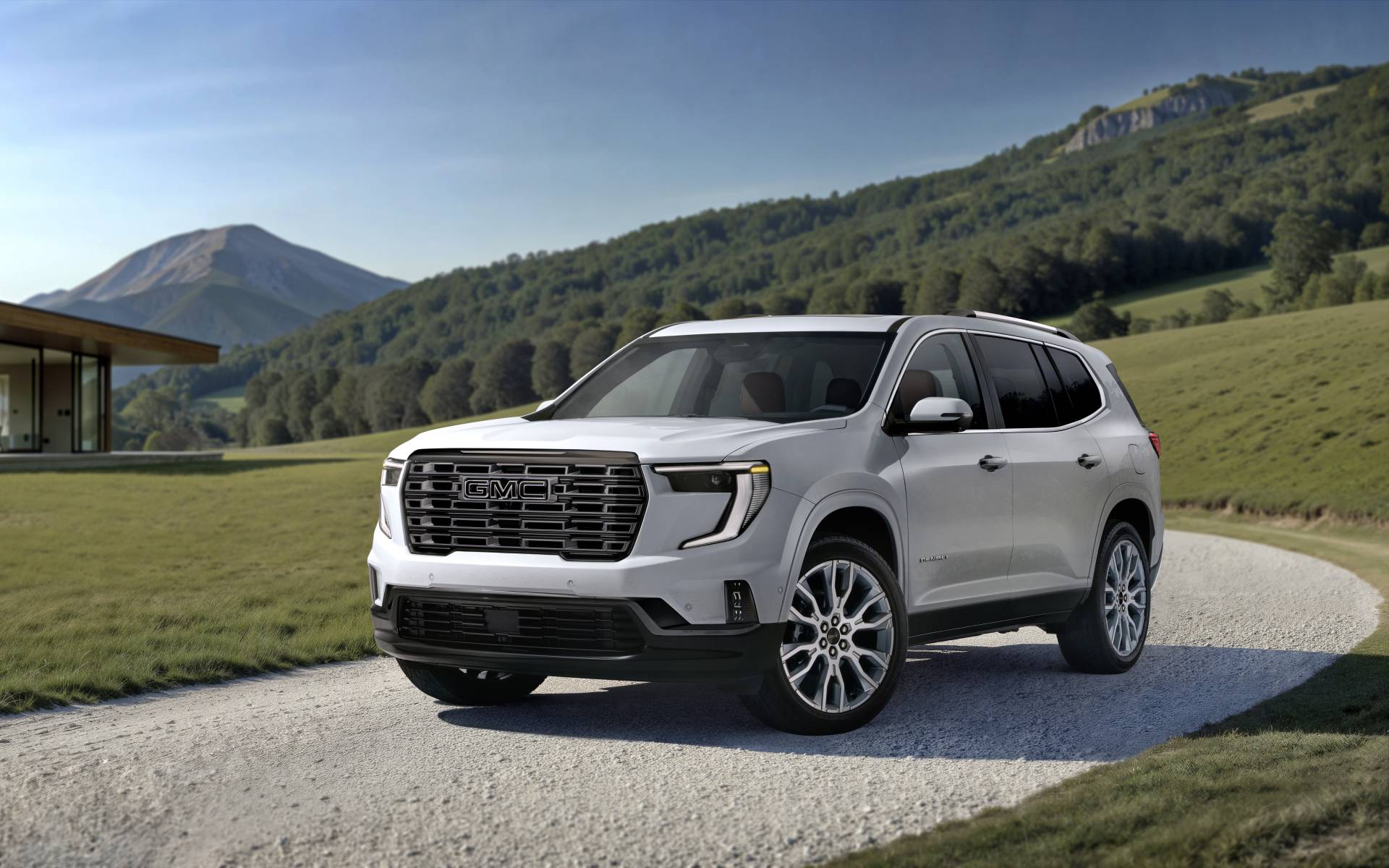
The 2026 Acadia earned the worst score for predicted reliability in Consumer Reports' latest rankings due to numerous problem areas including the transmission (parts and oil), brakes, electrical accessories and onboard electronic systems. A few ergonomic issues in the cabin are also worth mentioning. And if you're going to get below-average fuel economy, you might as well look elsewhere.
The Honda Pilot is a good place to start. Boasting a robust and reliable (albeit thirsty) V6 engine, it also stands out with its versatility, lower maintenance costs and superior value, making it a highly rational purchase. Consider the TrailSport model to get the most bang for your buck and enjoy improved off-road capabilities.
Land Rover Discovery Sport
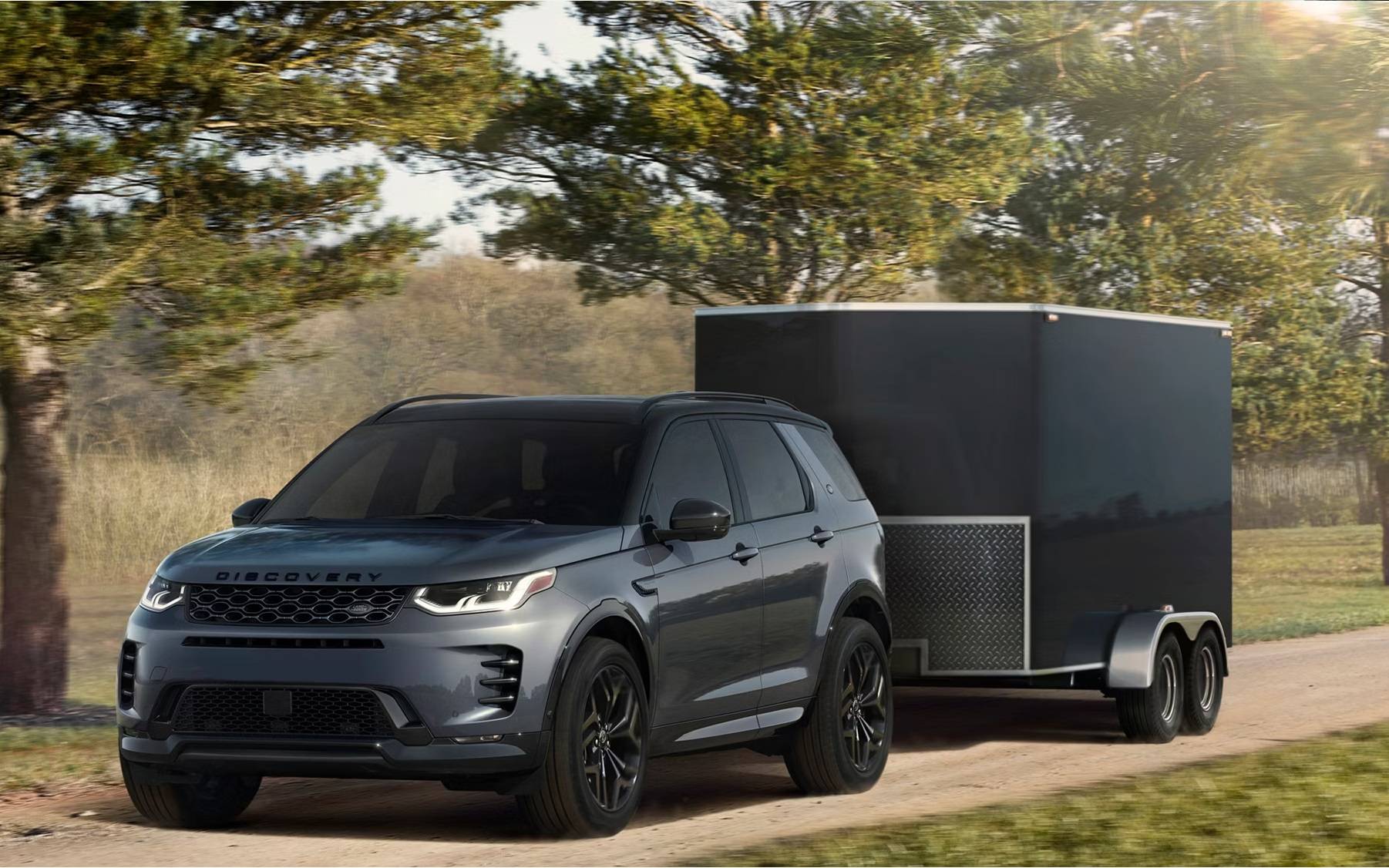
The Discovery Sport isn't a big seller, and it's easy to see why. We at The Car Guide find it very difficult to recommend, especially in such a competitive market segment with several favourites. Its poor reliability record doesn't help. The little "Disco" is only worth considering if you plan on towing or venturing further off the beaten path.
It's wise to choose a model like the Lexus NX instead. You'll appreciate not only its quiet ride and comfortable interior, but also its excellent dependability. The hybrid variants are highly recommended for their fuel efficiency. As an added bonus, the NX is a vehicle that holds its value very well and is built right here in Canada.
Mercedes-Benz EQS/EQS SUV
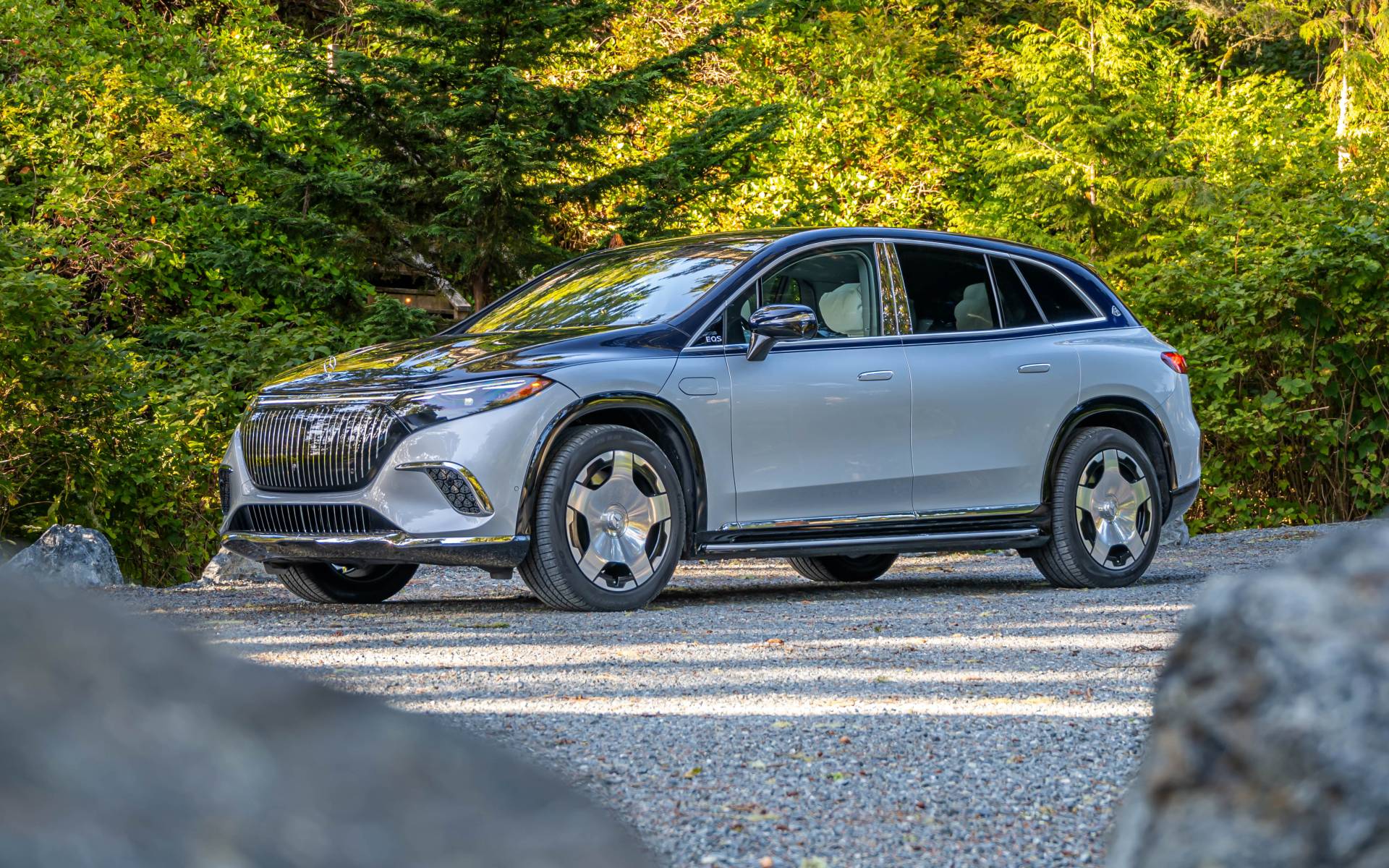
Mercedes-Benz has invested considerable resources to develop innovative and luxurious electric sedans and SUVs as a response to Tesla’s game-changing EVs (which ironically will end production this spring). However, both EQS models have missed the mark, hampered by high prices and various reliability issues. In addition, the trunk is relatively tight, and the infotainment system can be glitchy at times.
It's best to consider alternatives like the Lucid Air and Gravity, two top-rated models known for their efficiency, exceptional range, technological innovations and pleasant driving experience. That said, a few software bugs still need fixing, and the dealer network is pretty limited so far.
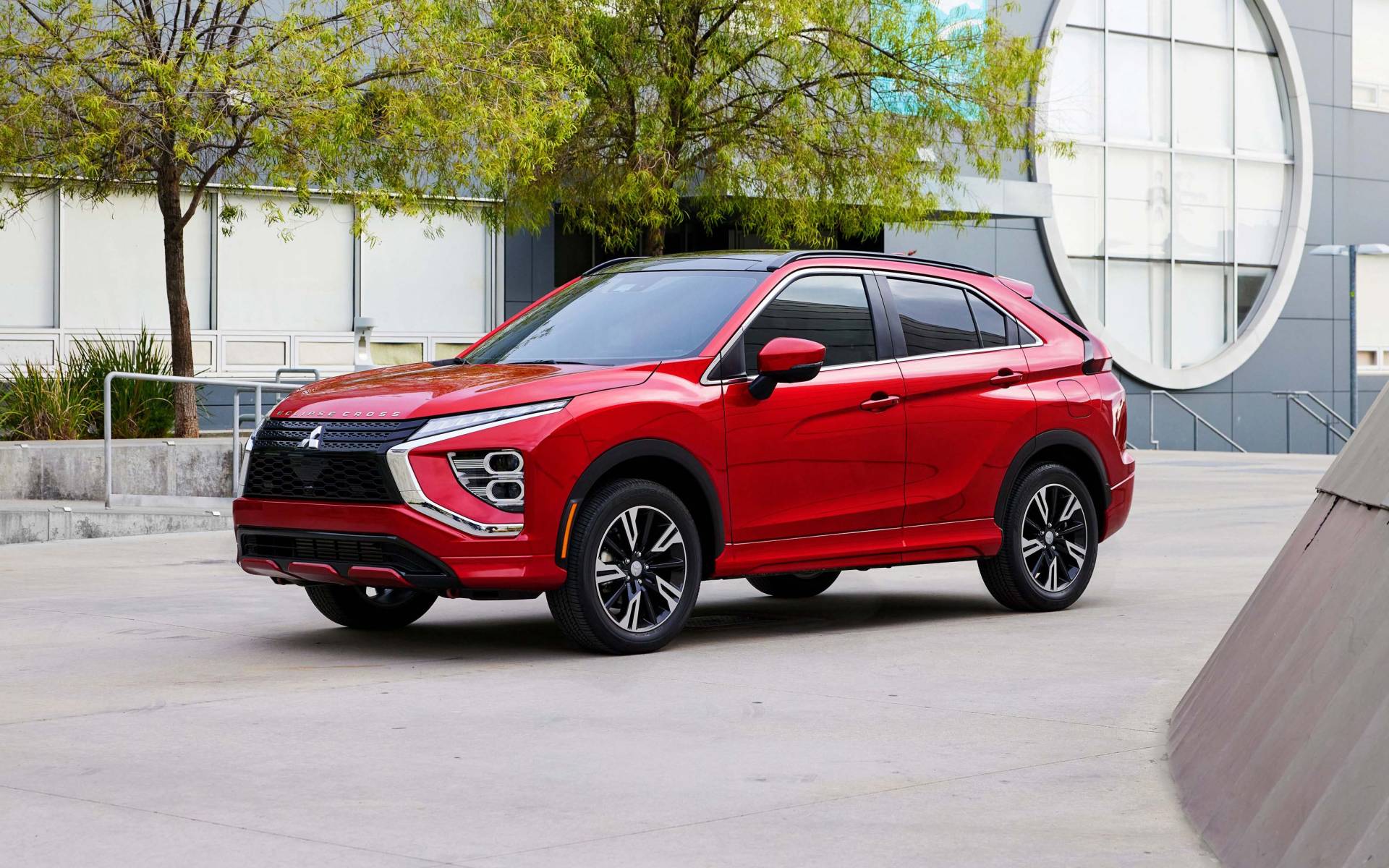
Mitsubishi Eclipse Cross
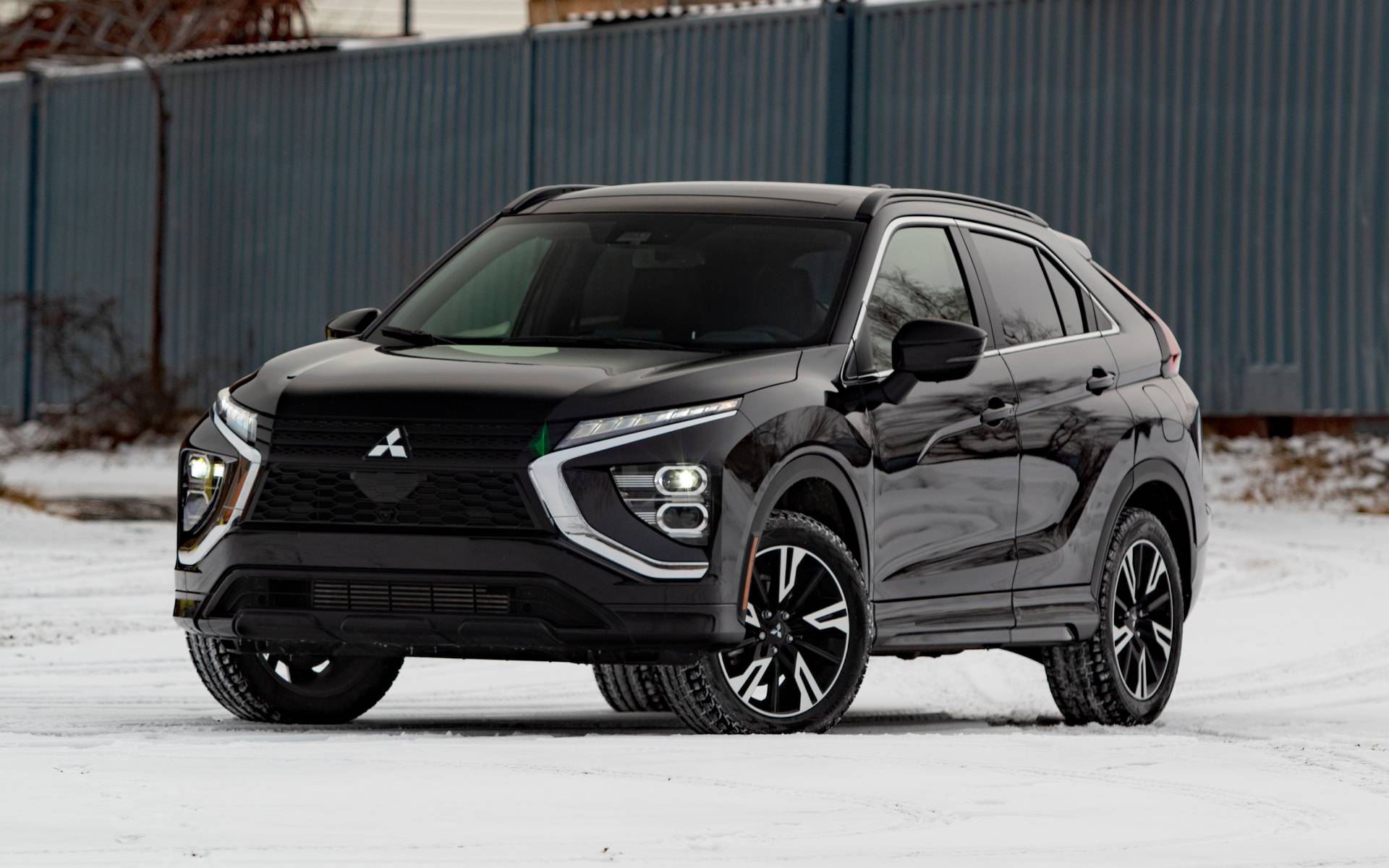
The least popular of Mitsubishi's three SUVs finds itself in a similar position to the Jeep Compass. It's generally more expensive than subcompact SUVs and less spacious than compact SUVs. The Eclipse Cross is also fairly conservative whereas the competition has evolved with better fuel economy, extra refinement and more advanced technologies. At least you get Mitsubishi’s class-leading warranty.
The Subaru Crosstrek (a favourite of ours at The Car Guide) and the Hyundai Kona are arguably much better picks. The same goes for the Toyota Corolla Cross, provided you're willing to wait to get yours. Speaking of waiting, the completely redesigned 2027 Kia Seltos arrives this spring and looks very promising.