Canadian Auto Industry Voices Concern About China-Canada EV Deal
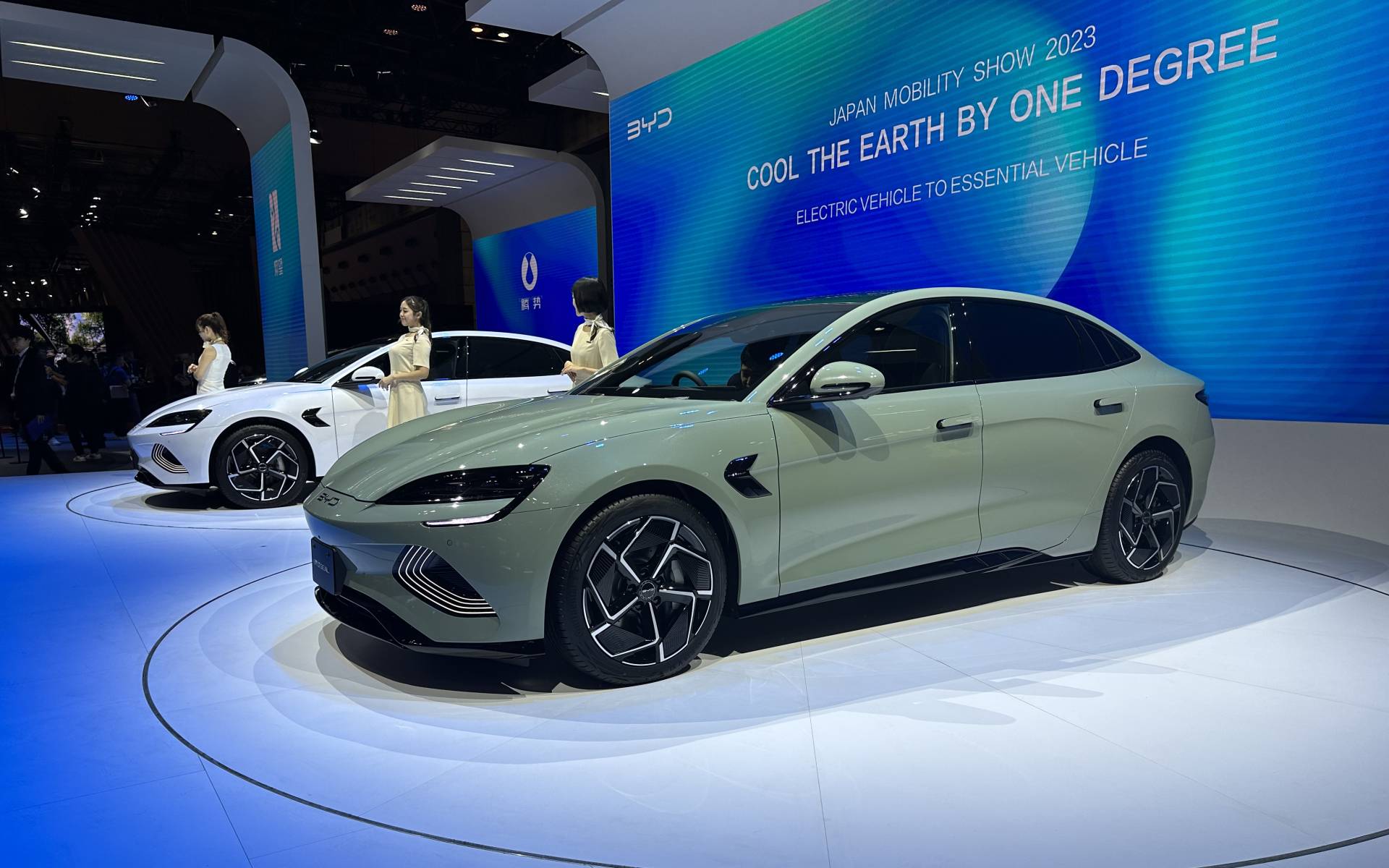
In case you missed the historic, game-changing deal between Canada and China that was announced last Friday, the bottom line for car shoppers is that Canada has agreed to import 49,000 Chinese EVs at the Most Favored Nation (MFN) tariff rate of 6.1%, sparing them from the additional 100% tariff that came into effect on Oct. 1, 2024.
"This is a return to the levels that existed prior to recent trade frictions," Canadian Prime Minister Mark Carney said of the deal.
Read also
- Canada to Allow 49,000 Chinese EVs at Normal Tariff in "Landmark Deal"
- Canadians Want Better Access to Affordable Chinese and European EVs, Survey Says

While he tried to reassure Canadian auto industry stakeholders by saying that these new Chinese EVs represent only about 3% of total light-duty vehicle sales in the country, the news was met with “cautious concern” back home.
The decision (to allow 49,000 Chinese EVs into Canada) may offer short-term price relief, but it risks creating significant market distortions and could ultimately limit consumer choice and undermine the viability of the companies currently investing in and supporting Canadian jobs, according to Global Automakers of Canada, which represents the interests of 16 foreign automakers in Canada.
“Our members are concerned that this announcement just adds one more piece of uncertainty into a highly uncertain environment for the automotive industry with a myriad of other issues impacting the operations of all manufacturers and distributors in Canada,” GAC President and CEO David Adams said in a statement.
“This is one piece of a larger strategic automotive strategy puzzle that has been hinted at by the federal government but for which we have no further clarification on items such as the electric vehicle mandate, tariffs, counter veiling tariffs, regulatory burden etc. We need both clarity and certainty.”
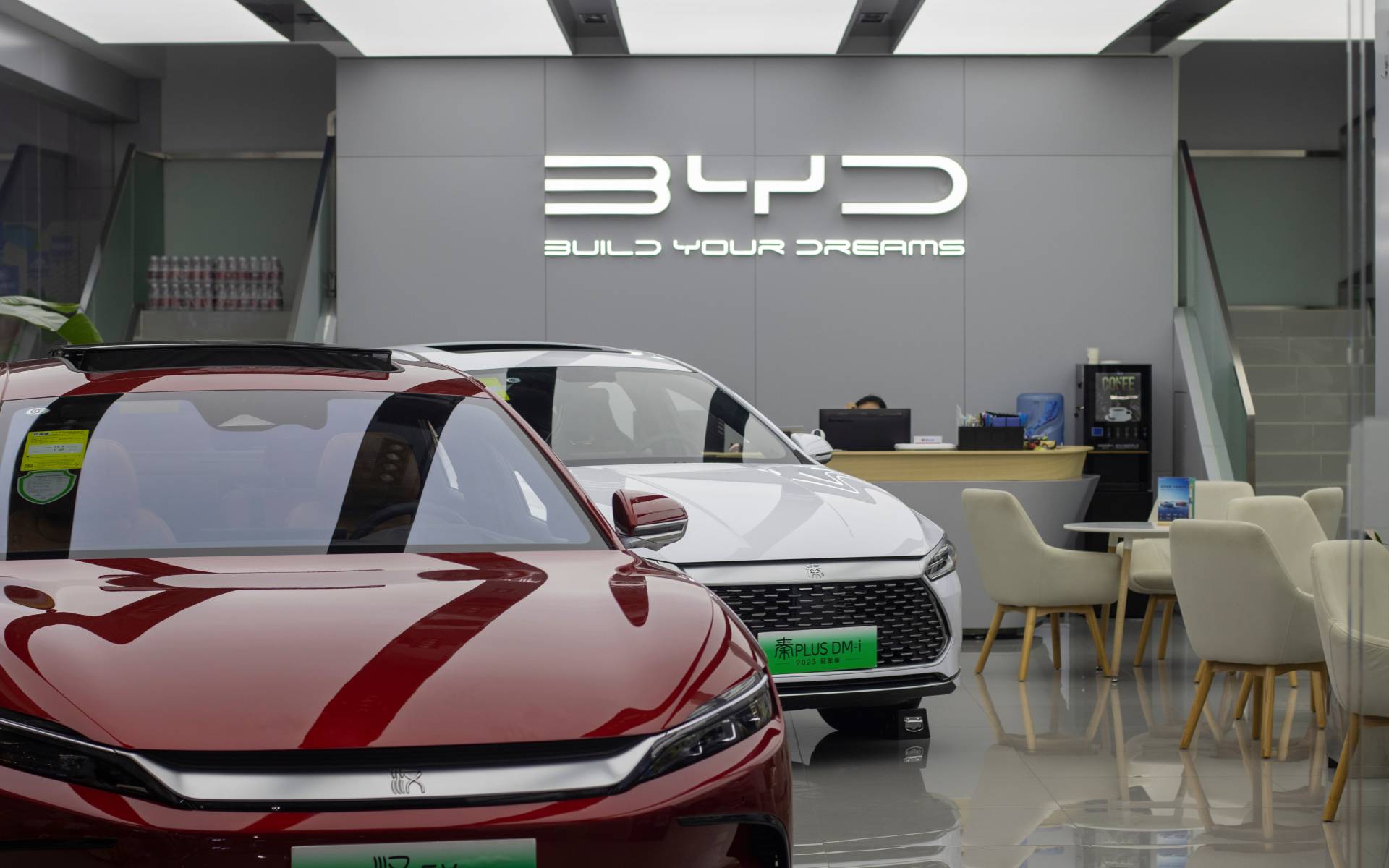
The Canadian Vehicle Manufacturers’ Association, which represents the interests of Detroit’s Big Three automakers in Canada, expressed a deep disappointment about the move.
“There are significant risks associated with allowing Chinese EVs into the market, including what it means for our much more important relationship with the United States,” CEO Brian Kingston said in an interview with Automotive News.
For the record, U.S. President Donald Trump told journalists just hours after the deal was announced that he was fine with it, adding that “if you can get a deal with China, you should do that.”

Of course, there are inevitable concerns about the cybersecurity of China-built vehicles.
“Those risks and concerns seem to have been ignored in favour of allowing dumped Chinese vehicles to the Canadian market,” Kingston noted.