Top Automotive Stories of 2025

Hot on the heels of our Weird and Viral Automotive Stories of 2025, let’s now take a look back at some of the biggest news and stories that defined the past year in the auto industry.
We also have compilations of the top new vehicles and concepts that made their debut in 2024, so don’t miss those, either.
Read also
- Weird and Viral Automotive Stories of 2025
- 7 Surprising Facts About Third-Quarter New Vehicle Sales in Canada
Tariffs and Trade Wars

Of course, we have to start with one of U.S. President Donald Trump's major decisions: imposing tariffs on foreign-made vehicles. Several automakers later revised their plans and announced they were transferring some of their production to the Uncle Sam’s land. Others abandoned or postponed projects and vehicles. The consequences for the industry were significant. The same was true for Canadian imports.
Unsurprisingly, Canada retaliated with tariffs on American products that do not comply with CUSMA, which meant that Canadian consumers were deprived of certain models (Mazda CX-50, Nissan Pathfinder, Murano and Frontier, etc.). Should we now lift the tariffs on Chinese electric vehicles or harmonize safety standards with Europe and Asia to reduce our dependence on the U.S. and offer more vehicle choices in Canada? These questions will continue to fuel debate in 2026.
End of iZEV Program
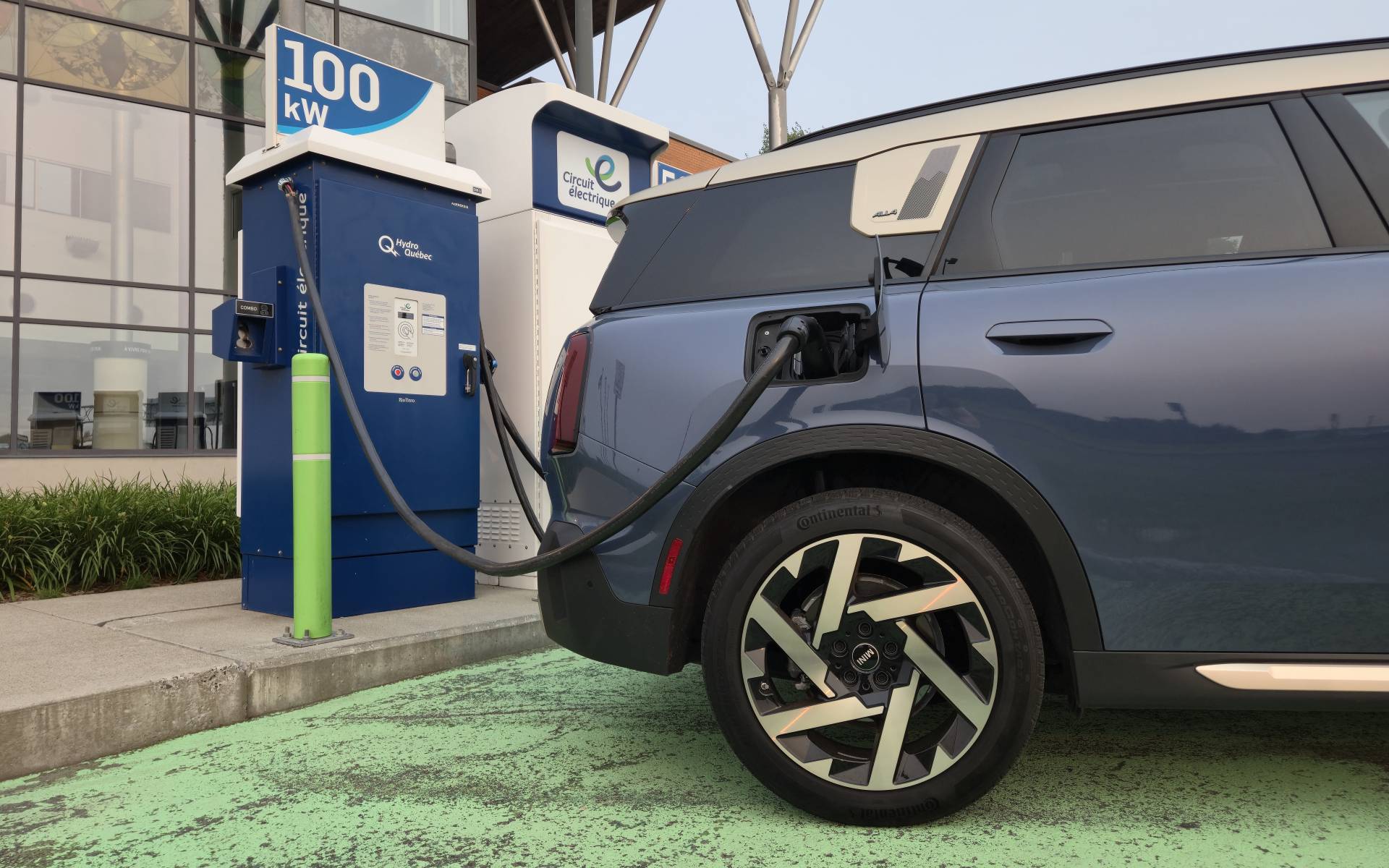
The federal government’s incentives for zero-emission vehicles (iZEV) program, which offered up to $5,000, ended abruptly and not without controversy (with Tesla playing a part) on January 13 when all the funds ran out. Despite promises from some elected officials in Ottawa, it's still not back. Honestly, it's best to forget about it.
What about provinces? British Columbia put an end to its Go Electric Passenger Vehicle Rebate Program after May 15, while Quebec’s Roulez Vert program was suspended for two months (February-March).
EV Demand and Product Plans Hit Hard
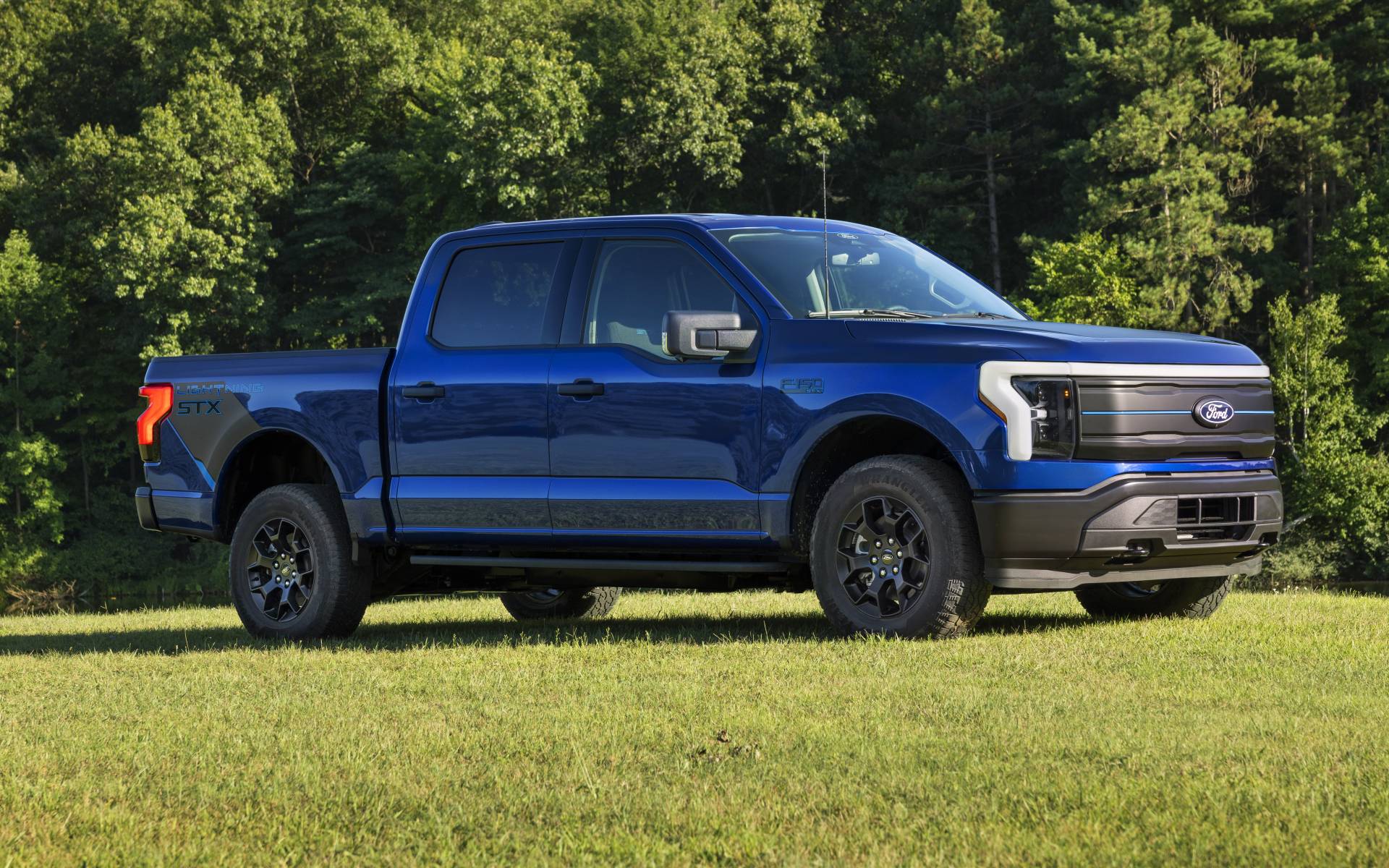
Around the world, including in Canada, demand for electric vehicles slowed considerably throughout 2025. The loss of incentives didn't help, and manufacturers had to introduce their own rebates—sometimes exceeding $20,000 (here’s looking at you, Volkswagen ID. Buzz!).
Among the many automakers that scaled back their EV plans, Ford led the way. Several existing or upcoming models were abandoned (Acura ZDX, Audi Q8 e-tron, Ford F-150 Lightning, Genesis G80 Electrified, fully electric Ram 1500 REV, etc.).
And let’s not forget that Mark Carney's government decided to backtrack on electric vehicle sales mandates that were supposed to start in 2026, a decision that proved to be a relief for car dealers.
Internal Combustion Engines Still Rule
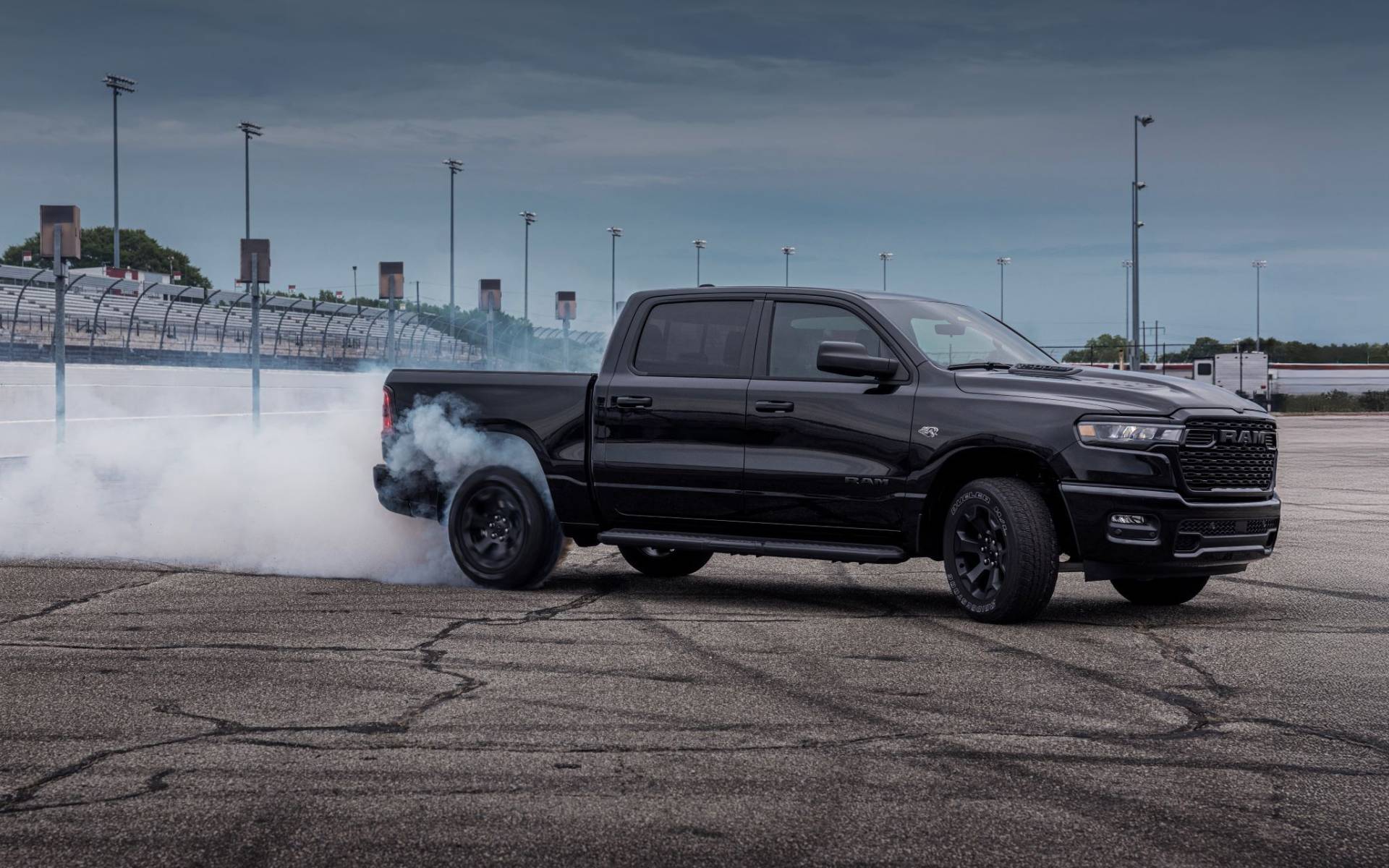
Meanwhile, hybrid vehicles saw a surge in popularity in 2025, surpassing the market share of zero-emission vehicles for the first time. With the end or reduction of federal and provincial incentives, and the imposition of 100% tariffs on Chinese battery electric vehicles, hybrids are emerging as the preferred transitional technology for the majority of risk-averse consumers.
Internal combustion engines are far from dead. Just ask Porsche or Dodge, the latter adding the Charger SIXPACK to complement the electric Charger Daytona. Also, the return of the HEMI V8, like in the Ram 1500, made plenty of headlines this year.
On the political front, Quebec backtracked on its 2035 gas-car ban. In fact, the same is true for Europe. In the U.S., Trump announced the rollback of regulations on vehicle fuel consumption and emissions, a decision that was immediately supported by Detroit’s Big Three.
Nissan’s Turmoil
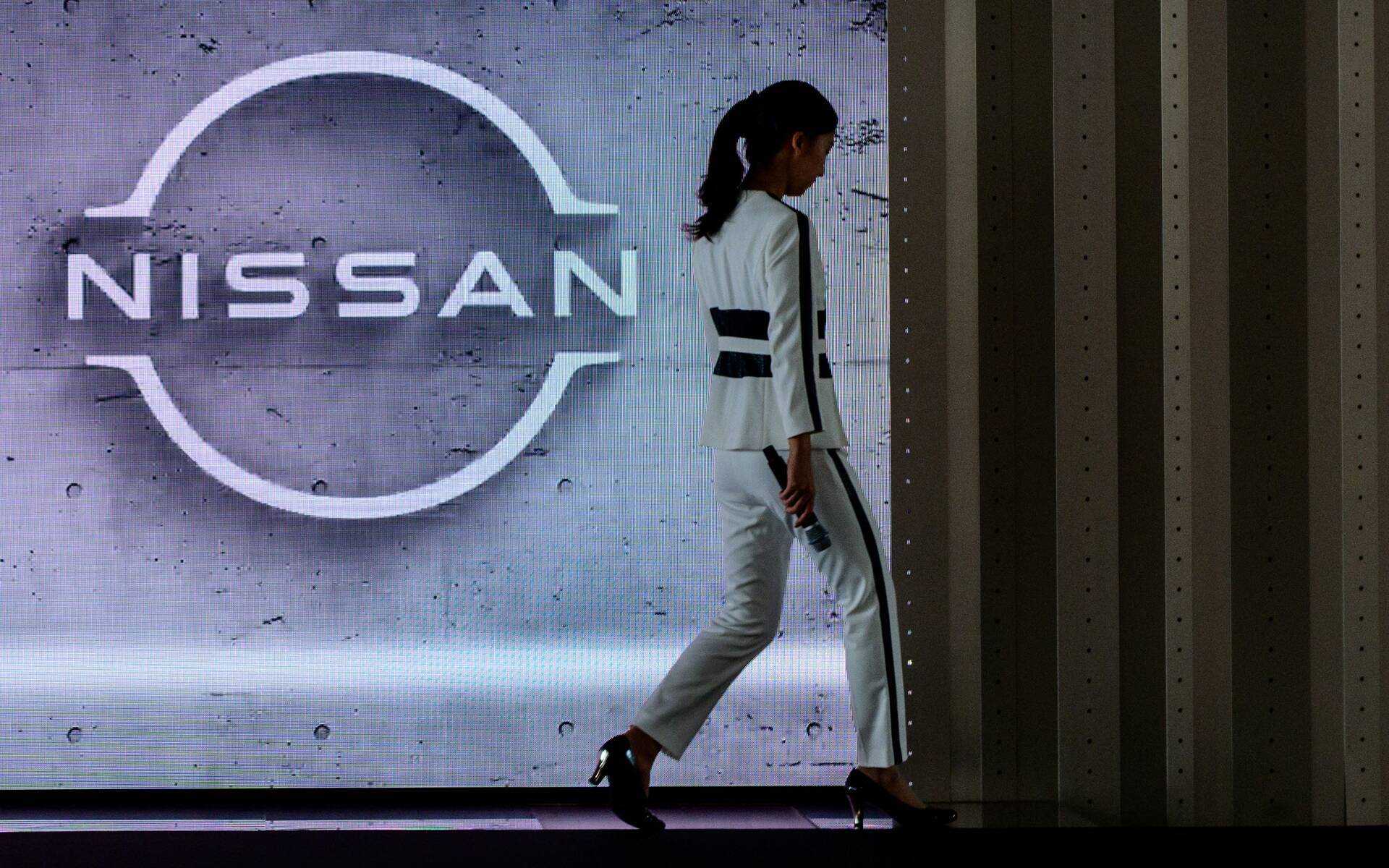
After abandoning its proposed merger with Honda, Nissan found a new CEO. Heavily indebted and operating at a loss, the Japanese automaker was then severely impacted by U.S. tariffs on automobiles. With the 9,000 job cuts already announced in November 2024, Nissan announced its intention to eliminate nearly 20,000 jobs worldwide and close seven plants by 2027.
In June, the new president of Nissan Americas, Christian Meunier, explained to us how he plans to relaunch the brand, notably with more exciting models. This means that a new Xterra is on the way and that the Versa and Altima sedans are leaving the market.
Tesla’s Fall
Tesla's sales plummeted worldwide in 2025, reaching their lowest level since the summer of 2022, as CEO Elon Musk continued to make enemies due to his role in the Trump administration. Weakened by these blows, Tesla's stock price fell by more than 25% (equivalent to around $700 billion USD) from its record high on December 17, 2024.
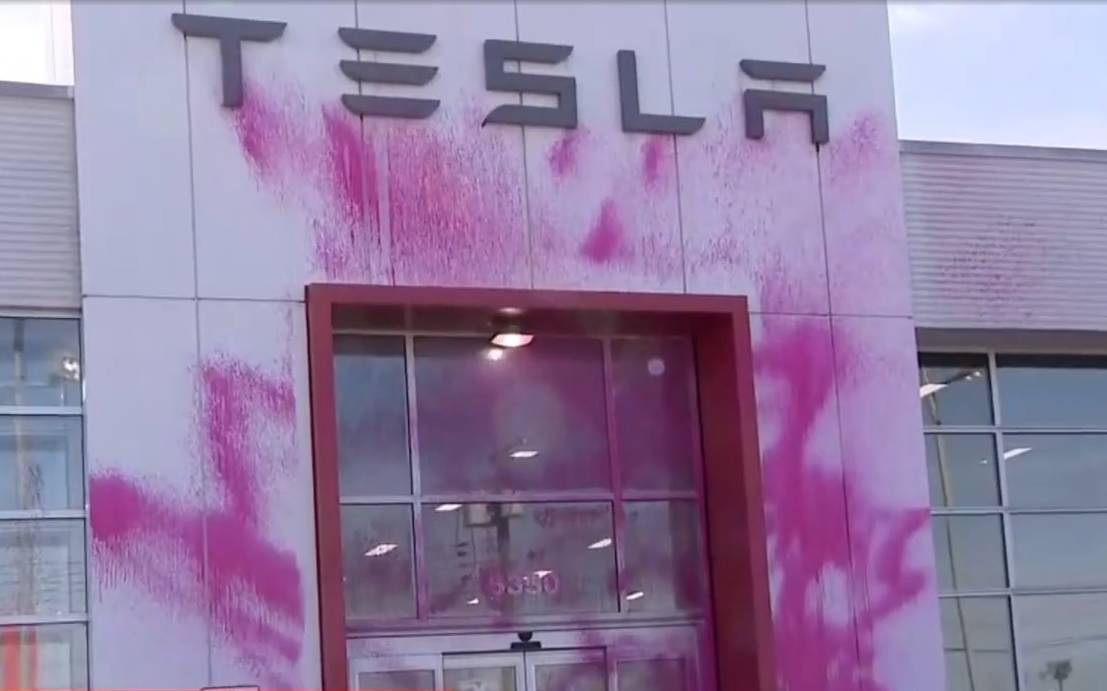
In the U.S., as well as in Ontario and Quebec, Tesla vehicles and dealerships were vandalized. Price increases, tariffs and slowing demand for electric vehicles significantly impacted the brand's performance in Canada. According to a survey, only 13 percent of Canadian shoppers planning to buy an EV now say they would consider Tesla versus 29 percent a year ago.
Big Blows to Canadian Auto Industry
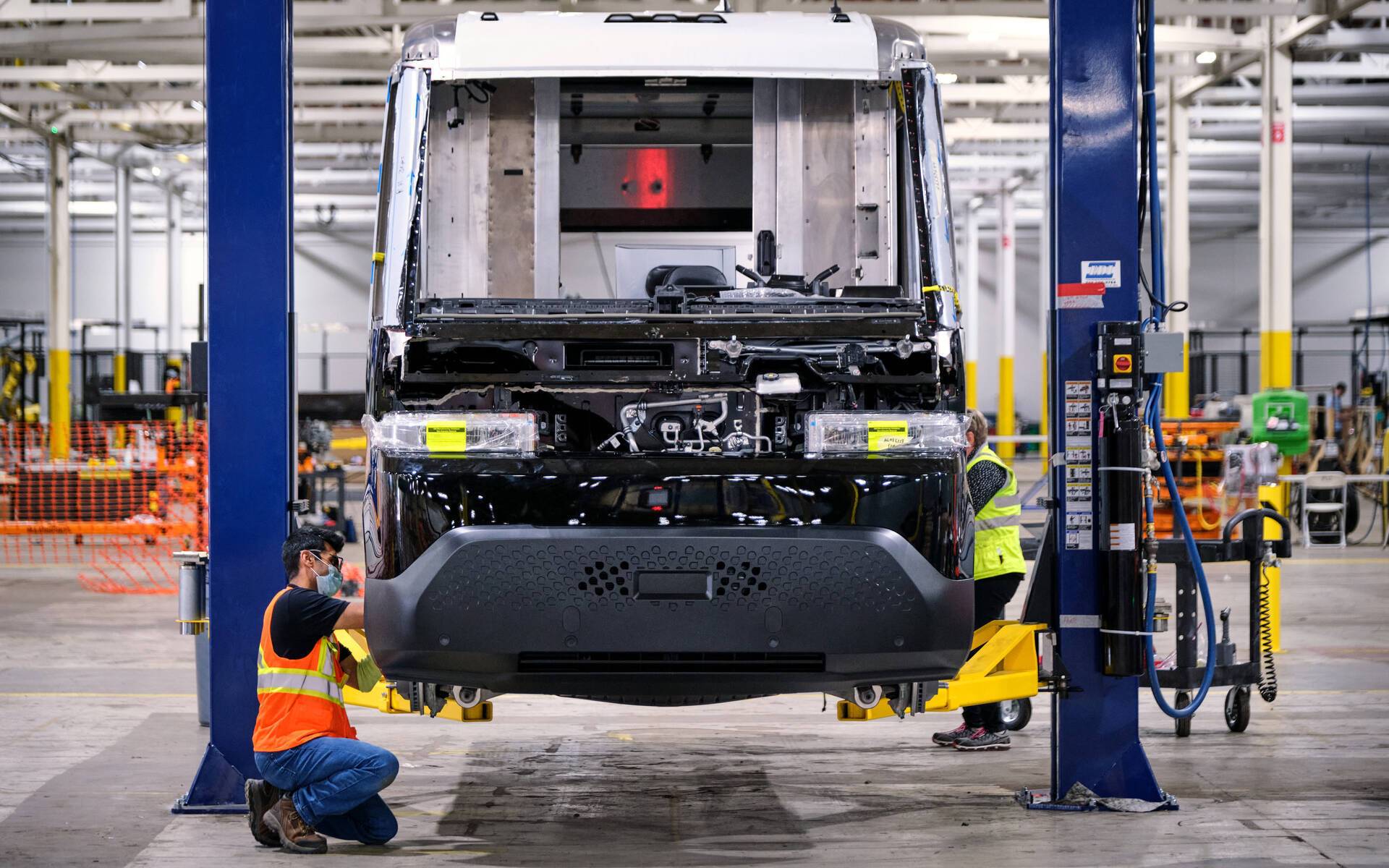
Early in 2025, Honda postponed its investments in Ontario for at least two years. The plan was to build four electric vehicle and battery manufacturing plants, a project valued at $15 billion. Later in the year, GM ended production of electric vans, also in Ontario.
Furthermore, by announcing its intention to invest $13 billion by 2029 to increase its production in the U.S., Stellantis cancelled plans to manufacture the next Jeep Compass in Brampton, Ontario. Tariffs imposed by the Trump administration are one of the main reasons. In November, the federal government took legal action, demanding its money back if Stellantis does not commit to operating the Brampton plant.