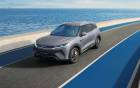
2026 Nissan Rogue PHEV: Until e-Power Gets Here
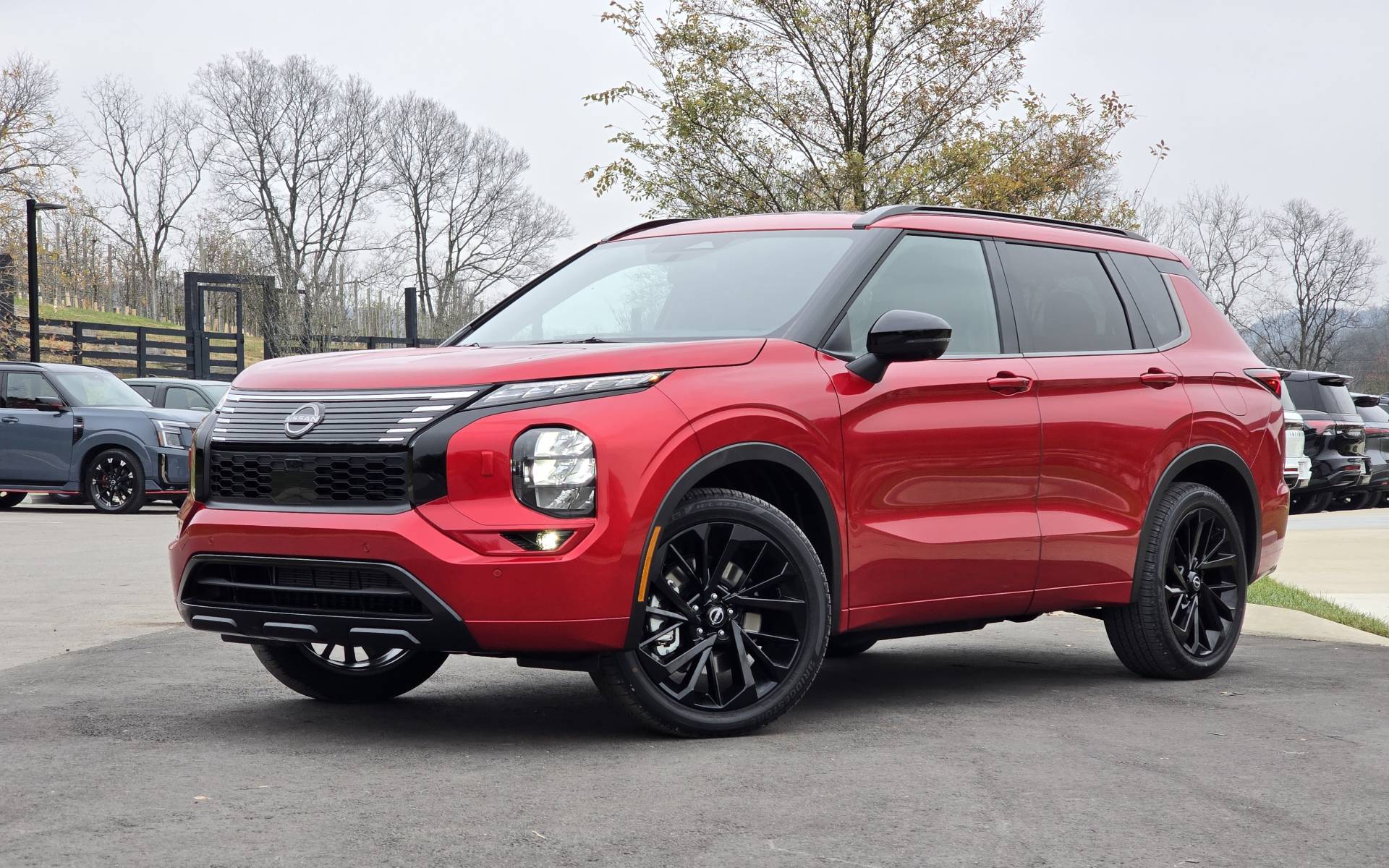

We have long criticized the popular Nissan Rogue for having an important flaw: not offering a hybrid model. And needless to say, in the highly popular compact SUV segment, the trend toward electrification is here to stay.
Nissan has developed a traditional hybrid technology called e-Power, which is already available elsewhere in the world, particularly in Europe. However, this technology is still in the development and adaptation phase for the North American market. Time is of the essence here, so Nissan has decided to launch a plug-in hybrid Rogue, based on technology from its long-time partner Mitsubishi.
Read also
- You Won’t Believe Your Ears With Nissan and Infiniti’s New App
- 2026 Nissan Rogue Rock Creek: More Mature and More Rugged
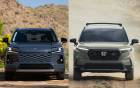
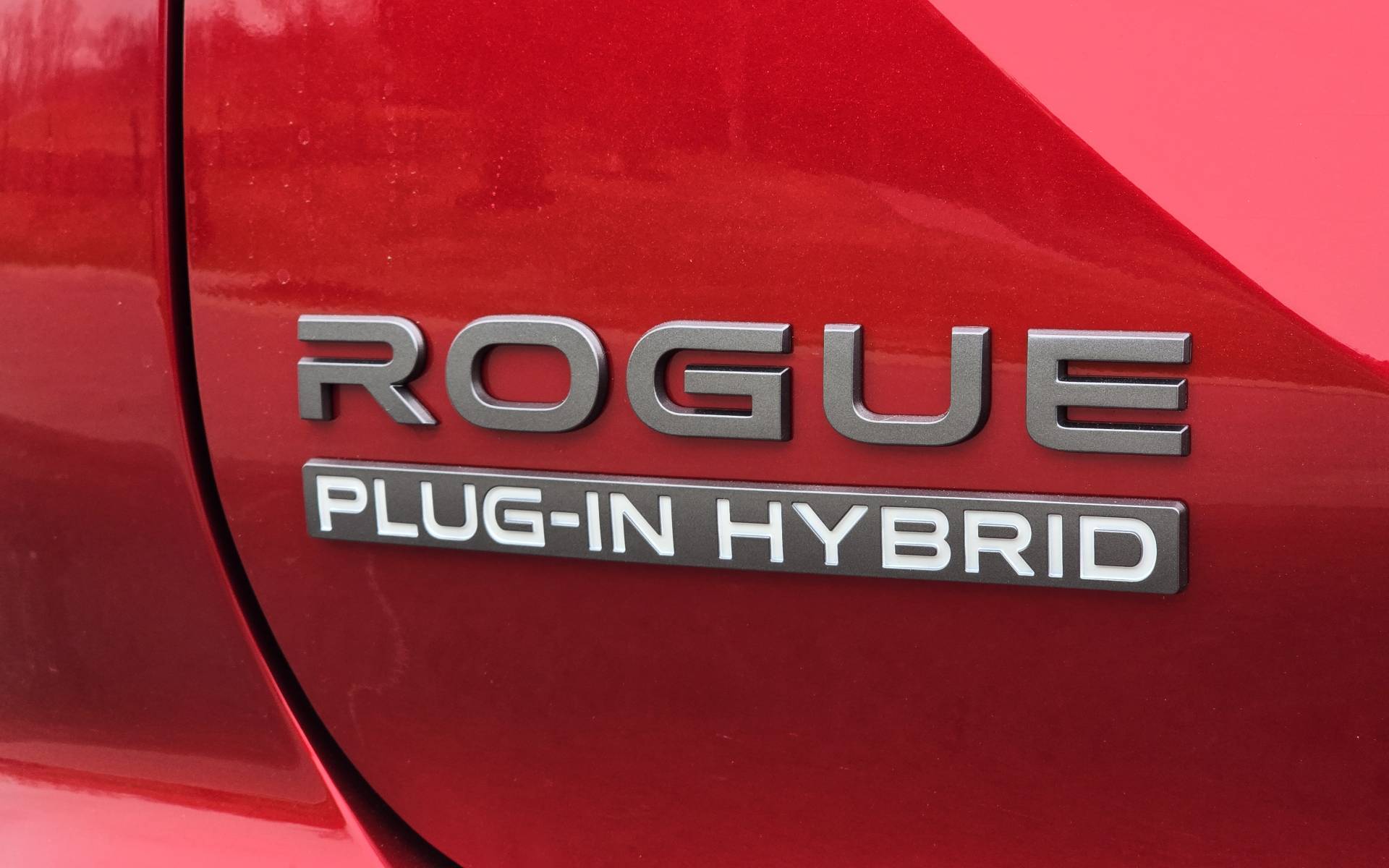
You've probably recognized it already. The 2025 Mitsubishi Outlander PHEV is more than just an inspiration for the Rogue PHEV... it's a near-exact copy!
The Car Guide travelled to Nashville, Tennessee, to test drive the 2026 Nissan Rogue PHEV.
Mitsubishi nuts and bolts
While the Outlander PHEV is receiving technical modifications for 2026, such as a larger battery for better electric range, the Rogue PHEV is borrowed its powertrain from the 2025 model. With a 2.4-litre 4-cylinder combustion engine, two electric motors and a 20 kWh battery, the Rogue PHEV develops, like the Outlander PHEV, 248 horsepower and 332 lb-ft of torque.
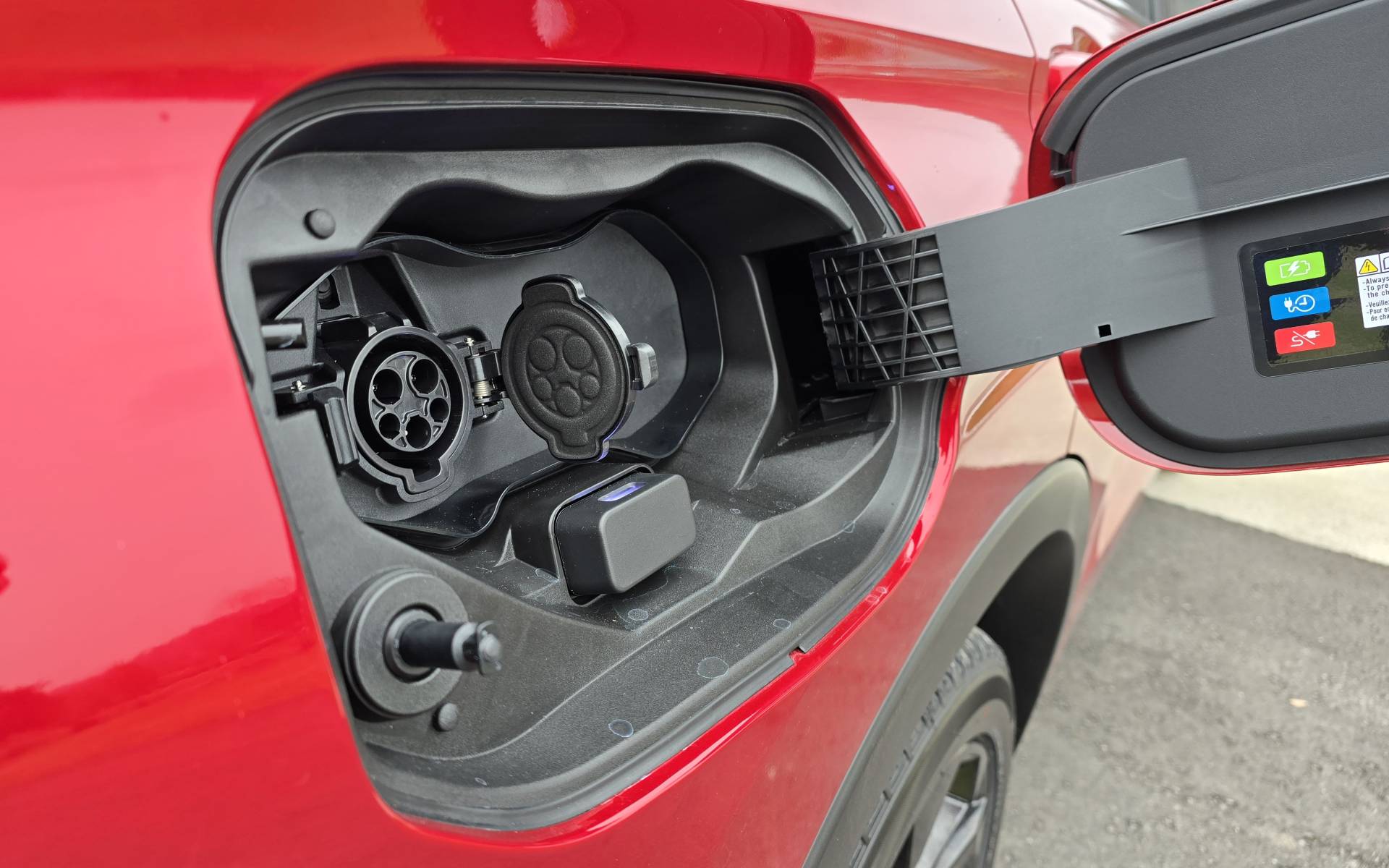
In terms of range, it can travel 61 kilometres under normal conditions. Using a Level 2 charging station (240 V), the Rogue PHEV's battery can be recharged in 7.5 hours.
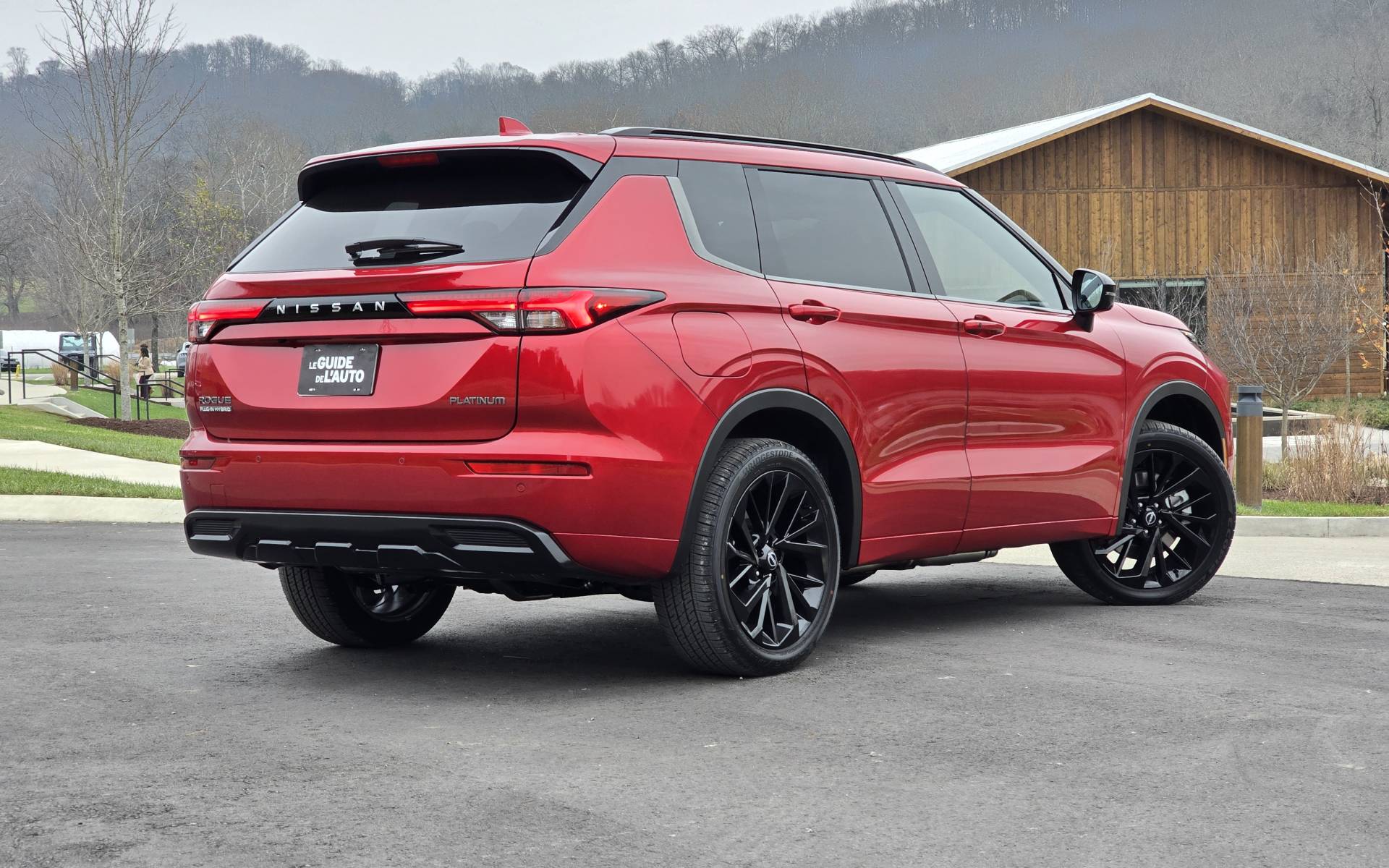
Unsurprisingly, the Rogue PHEV's strengths (and weaknesses) are the same as those of the Outlander PHEV. The powertrain is sufficiently powerful and surprisingly efficient. However, the delivery of this power could be improved, as the engine can be noisy when under load. EV, Save, and Charge modes are available so that the driver can choose between fully electric driving, saving battery power, or recharging the battery using the gasoline engine. Auto mode leaves the choice up to the car's brain.
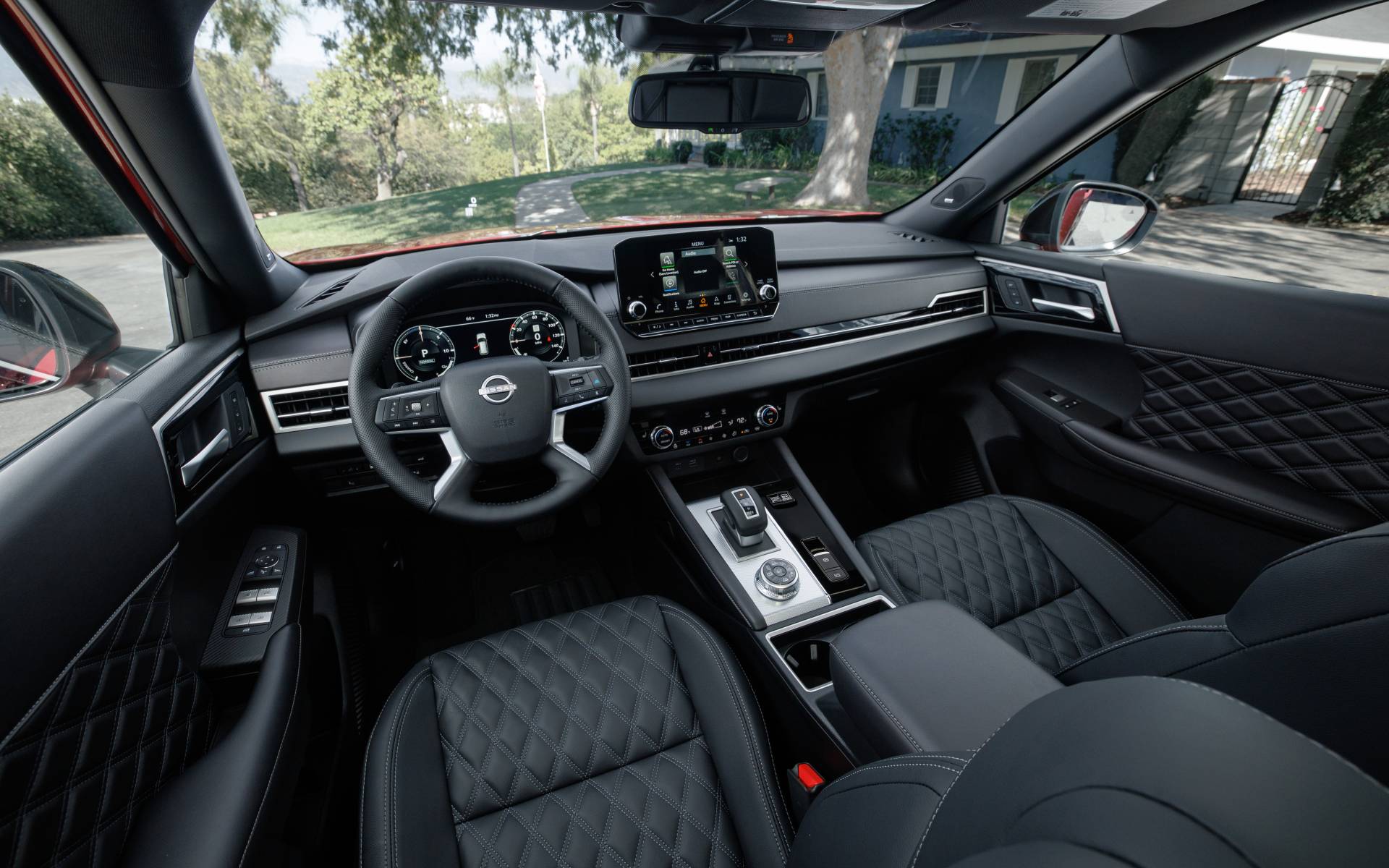
The interior is also a copy/paste from the Mitsubishi Outlander PHEV, except for the emblems and a few graphic elements in the instrument cluster and infotainment system. The latter features a 12.3-inch screen equipped with wireless Apple CarPlay software. Android Auto users must physically connect to the system. The third row of seats is also present. An important and, until now, segment-exclusive feature in the Outlander, it is just as symbolic in the Rogue PHEV, but it can be useful in a pinch.
Cargo space sits at 362 litres behind the third row and 872 litres behind the second row, identical to the Outlander PHEV.
e-Power technology on the horizon
Nissan representatives are loud and clear: collaborations and alliances with other manufacturers will always be on the table. These come with advantages, such as faster market launch for certain vehicles, sometimes bypassing costly tariffs in a dynamic trade climate. In the case of the Rogue PHEV, the borrowed technology is proven, which will not jeopardize Nissan's reputation. And the advantage for Mitsubishi is the opportunity to sell a powertrain whose development has been paid for ages ago.
However, the same representatives know that this “rebadging” strategy is not sustainable in the long term. That's why e-Power technology will be coming to North America next year.
During our trip to Tennessee, we were able to test drive a Qashqai visiting from Europe to give us a taste of what's to come. It's a traditional hybrid model, not a plug-in, with an electric motor that drives the front wheels using a high-voltage battery. The battery is recharged by a combustion engine that acts as a generator.
There is therefore no mechanical link between the combustion engine and the axle. This reduces the number of drive components and ensures smoother—and, we hope, more efficient—operation. In this regard, we were told that the final preparations for the Americanization of e-Power technology are specifically aimed at adjusting fuel consumption for highway driving, an important aspect of our market.
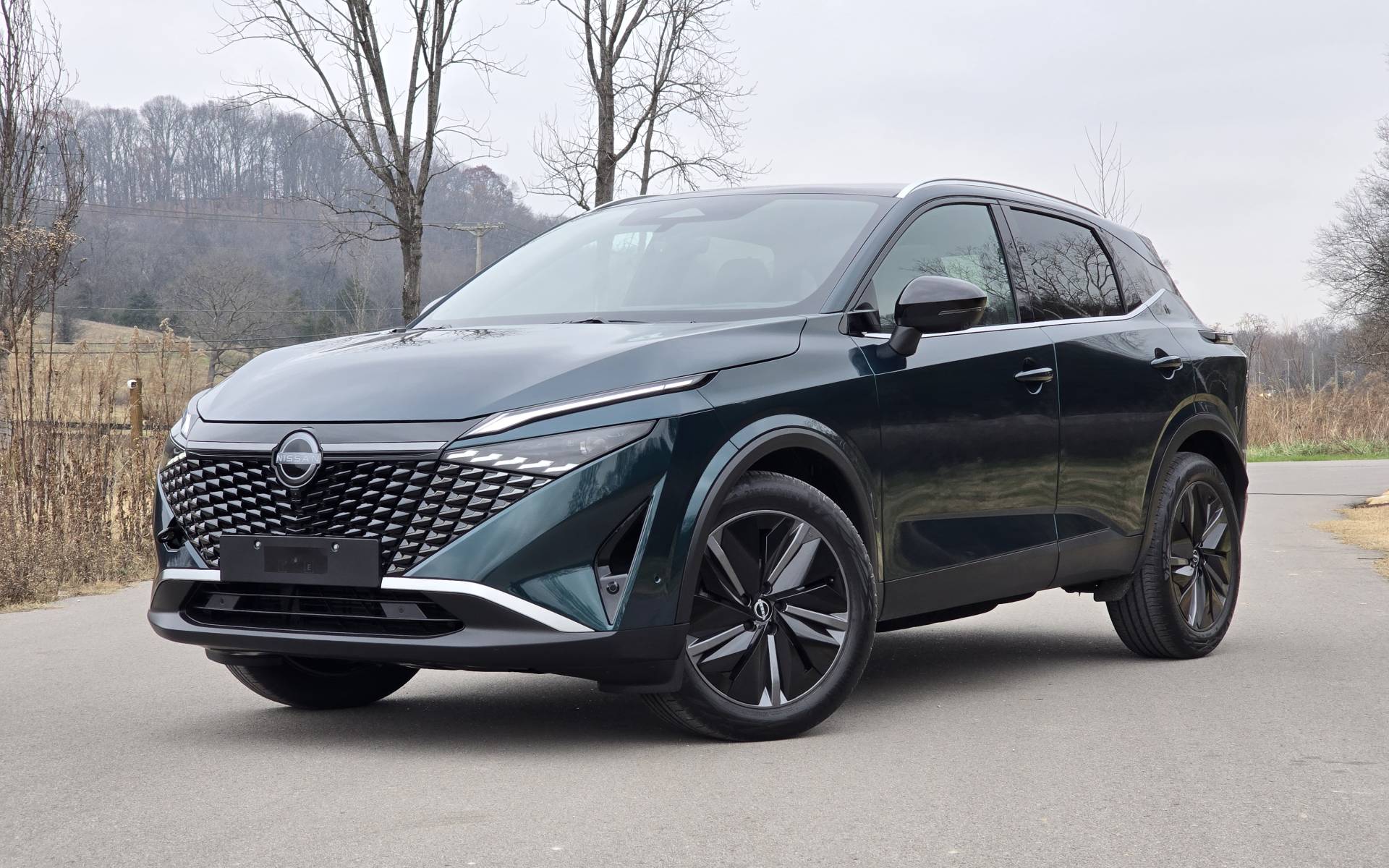
The next generation of the Rogue, due to arrive for the 2027 model year, will therefore feature the e-Power hybrid model, whose powertrain will consist of a 1.5-litre combustion engine, a 2 kWh battery, and two electric motors. It should be noted that the combustion engine will not be equipped with the manufacturer's variable compression technology, as this was not deemed necessary for hybridization. This is good news, considering the reliability issues experienced by this technology.
A life cycle of a few years...
The Rogue PHEV we tested will remain in the catalogue for the next few years, while Nissan decides whether it is worth adapting e-Power technology to make it plug-in.
For now, it alleviates Nissan's fear of missing out (or FOMO) in the compact utility vehicle segment when it comes to hybrids. It offers essentially everything we love about the Outlander PHEV: reliability, versatility, and efficiency – along with a few faults. The biggest drawback is that it doesn't come with the same powertrain warranty. Nissan offers a 5-year or 100,000-kilometre warranty, compared to Mitsubishi's 10-year or 160,000-kilometre warranty.