2026 Volkswagen Tiguan Turbo: More Power, Same Personality
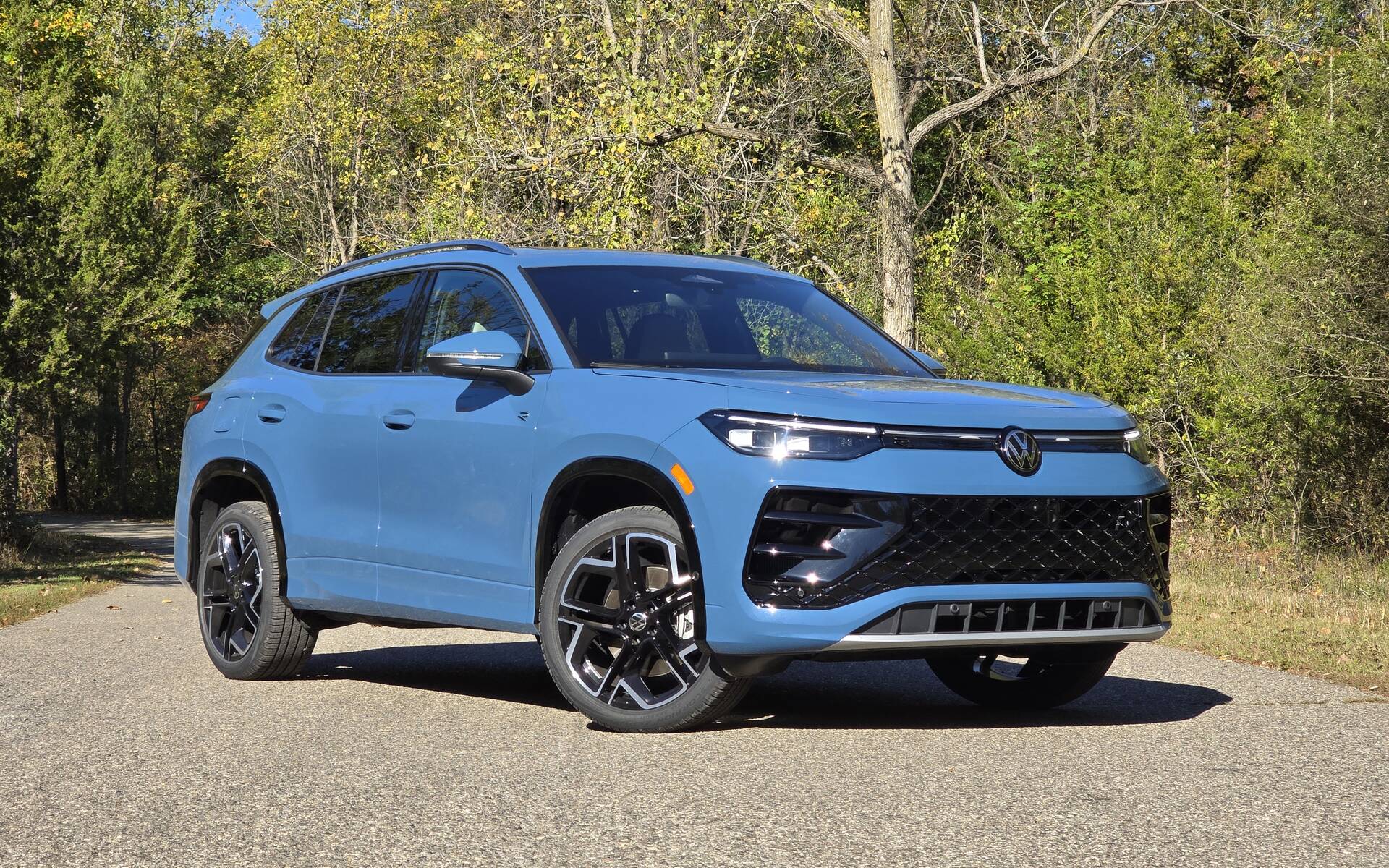

The Volkswagen Tiguan still does not have a hybrid variant in its North American catalogue, a technology that the manufacturer claims is coming very soon. Having made the transition to its third generation last year with moderate aesthetic and technological changes—along with the single powertrain offering—the Tiguan adds a more powerful variant to its lineup for 2026.
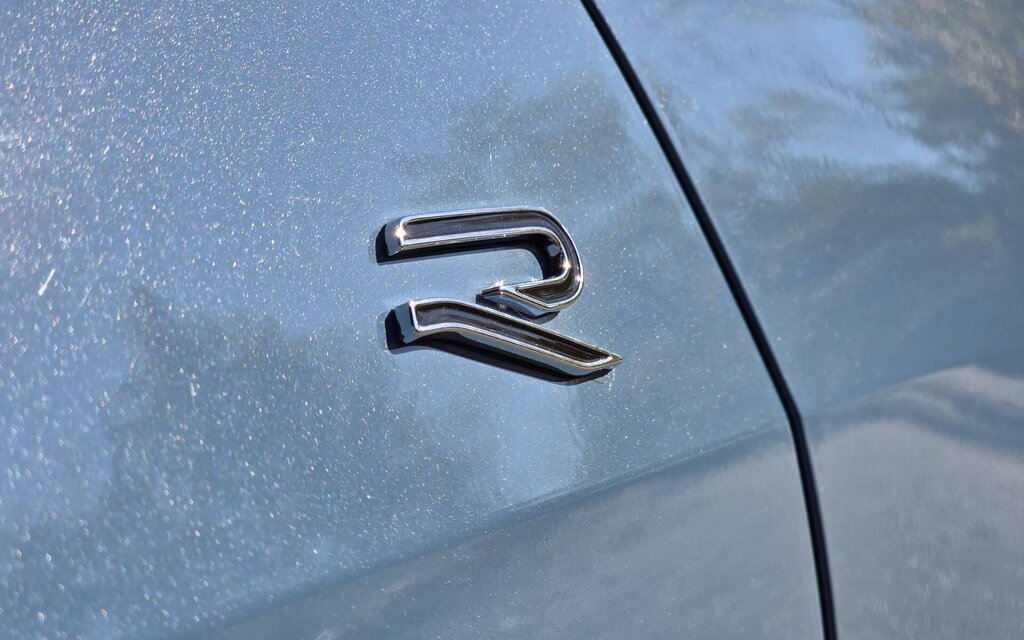
Last week, The Car Guide had the opportunity to test drive the new Tiguan Turbo (or Highline Turbo R-Line 4MOTION, as it's officially called), which sits at the top of the Tiguan range.
Impressive Performance, Inconsistent Delivery
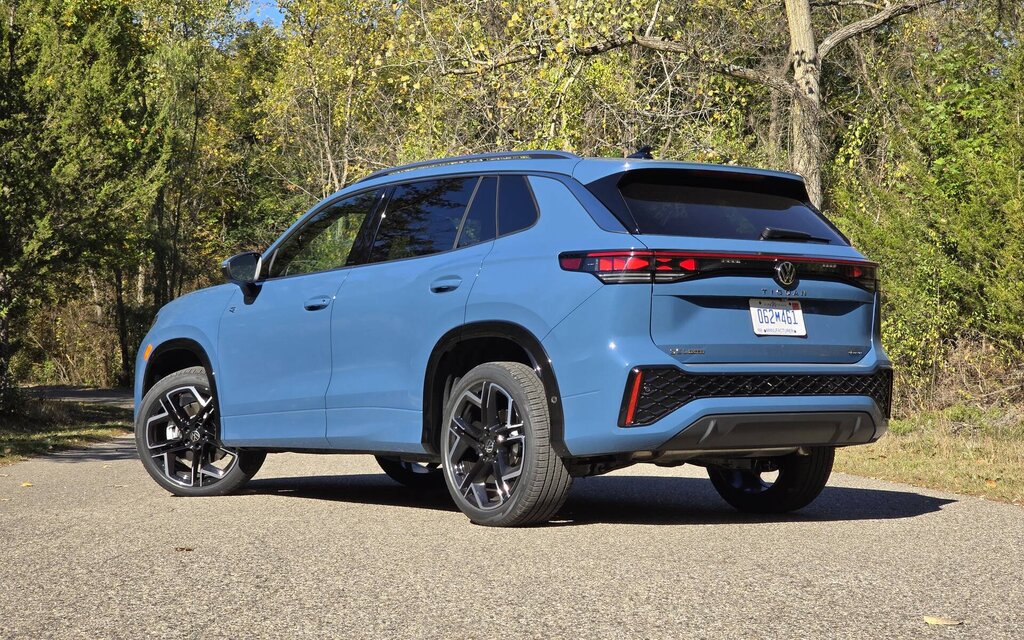
On paper, the Tiguan Turbo is identical to the traditional Tiguan in almost every way. The differences are essentially limited to a more powerful engine, larger rear brake discs, and steering wheel-mounted paddle shifters.
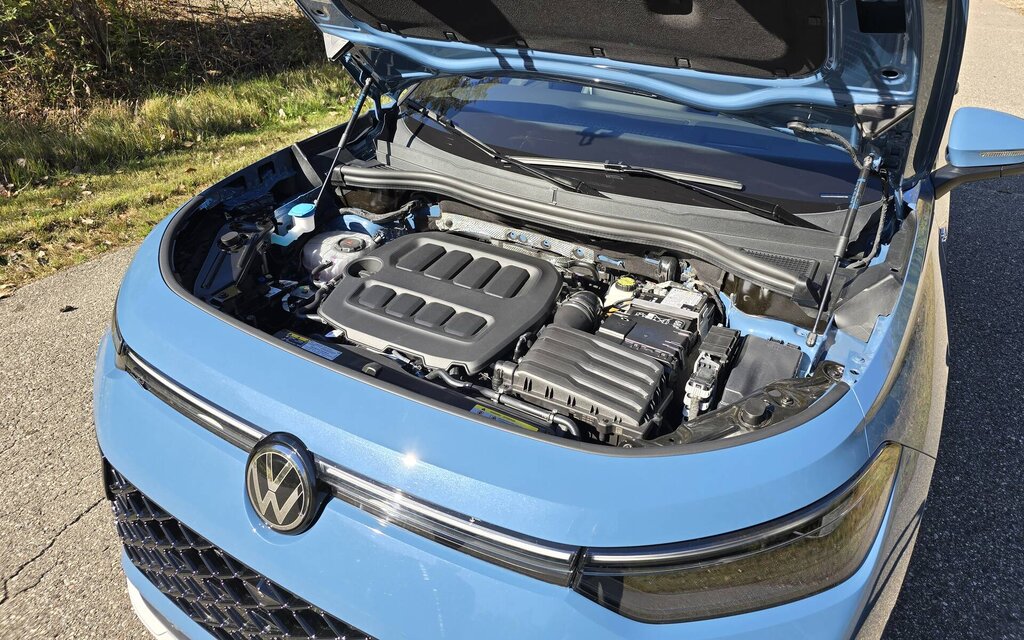
The new engine is a more powerful version of the 2.0-liter turbocharged 4-cylinder that outputs 268 horsepower. Its variable geometry turbocharger is larger than that of the base model, and the internals (connecting rods, pistons, and crankshaft) have been reinforced to better withstand the higher pressure. The cylinder head also incorporates a variable lift system for the intake and exhaust valves.
The 67-horsepower increase over the base engine is noticeable on the road in most situations. However, as we found in the less powerful Tiguan models, the eight-speed transmission, which is calibrated for fuel economy rather than performance, sometimes seems to hold the engine back when you put your foot down, especially at high speeds.
Otherwise, the Tiguan Turbo’s ride gets every improvement from the third generation, which has been upgraded in terms of precision with more responsive steering. The suspension calibration offers a good balance between sportiness and ride comfort, which is what you would expect from a Volkswagen SUV. In Sport mode, the Tiguan's senses are further sharpened, but the transmission benefits very little in terms of response.
An Impressively Upscale Interior
Volkswagen has significantly transformed the Tiguan's interior for its third generation, giving it an upscale feel that rivals luxury brands. However, this transformation has sacrificed two important elements. First, the sloped roofline at the rear has significantly reduced cargo space. The new model has a capacity of between 750 and 1,668 liters, compared to 1,065 and 2,078 liters for the previous generation.
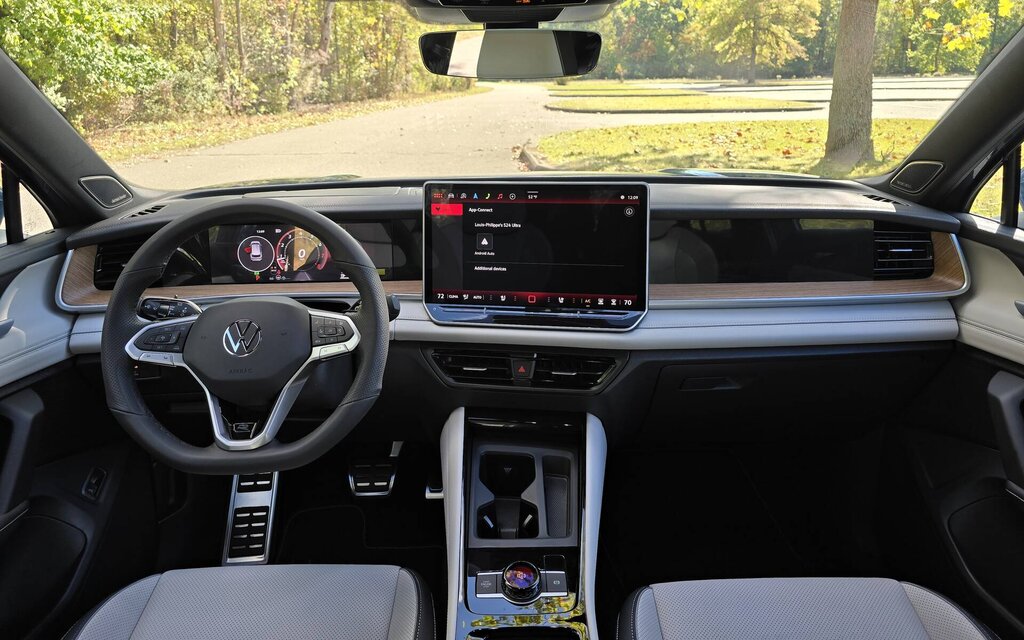
This loss of capacity also led to the elimination of the third-row option, a rare feature in this segment, but one that was not in high demand according to Volkswagen. In fact, it was requested by only 10% of Canadian owners of the previous generation Tiguan.
However, what this interior loses in practicality, it gains in finish. The new dashboard looks better than before, enhanced with high-quality materials such as real wood trim. This combination of digital and natural elements creates a soothing atmosphere that complements the quiet interior, which rivals and even surpasses some of its competitors in the compact luxury SUV segment, where the Audi Q5 is very popular.
Like an Affordable Audi Q5? Not Quite...
With a starting price of $48,995 plus delivery and preparation fees (only $1,500 higher than the same model in 2025 equipped with the less powerful engine), the Tiguan Turbo offers an attractive price/power ratio. In fact, some readers have asked us why not buy a Tiguan instead of an Audi Q5? The latter is more prestigious, but also more expensive at $62,120, even though it has the same 268-horsepower figure.
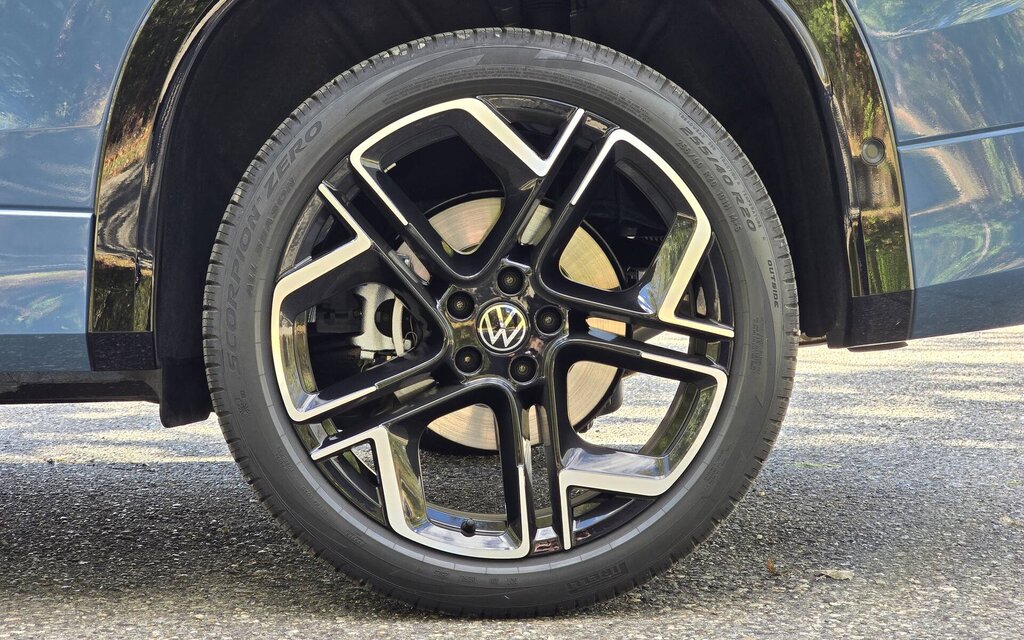
The Q5 and Tiguan may be cousins in the Volkswagen family, but they don't share the same platform (MQB for the Tiguan and PPC for the Q5). Their engines share the same base, but the Tiguan's is mounted transversely and the Q5's longitudinally, in addition to being calibrated differently. The Q5 produces more torque at 295 lb-ft, and Audi recommends filling up with premium gasoline (the Tiguan is happy with regular fuel). The Q5's transmission has one less gear as well. And that's not to mention the considerable differences in suspension design and calibration.
The Time Has Come for Hybrids!
Volkswagen describes its new Tiguan as the perfect balance between the first generation—too small for North Americans, but fun to drive—and the larger, but much blander second generation. And despite a few caveats and compromises, we generally agree with that assessment.
On the other hand, brand representatives don't believe that buyers in the compact SUV segment are specifically looking for hybrid powertrains. According to them, customers want SUVs that are both powerful and fuel-efficient, regardless of the technology backing it. Alas, with fuel consumption reaching up to 10 L/100 km in spirited driving, the Tiguan falls short of its rivals in that regard.