10 SUVs From the 2000s You May Have Forgotten About
Although SUVs are immensely popular right now, some are less successful for various reasons. Manufacturers are forced to eliminate them, but they will always be found in the used car market.
Always? Well, almost. The ones we're going to focus on here are unlikely to pop up when visiting dealers. They're also quite rare in classifieds and online listings. In fact, you might have even forgotten they ever existed.
Read also
- 10 Vehicles From 10 Years Ago You Have Forgotten About
- 10 Chevrolet Corvette Models You Probably Forgot About
Without further ado, here are 10 SUVs from the 2000s that have largely disappeared from the collective memory:
Buick Rainier (2004-2007)
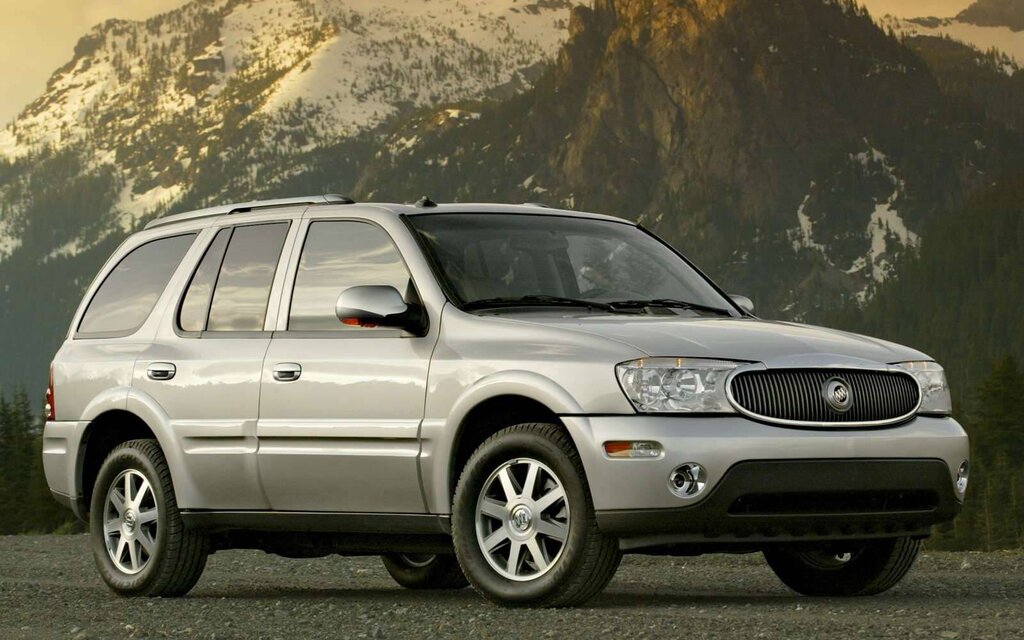
General Motors loves to clone its vehicles, as we all know. Back in the days of the Chevrolet Trailblazer (the original) and GMC Envoy, Buick sold a non-identical twin called the Rainier. These three midsize SUVs all offered the same engines, transmissions, chassis, and to some extent the same interior. The differences were found in subtle details, as well as in the calibration of the chassis, suspension and steering. Let's not forget another close relative, the Saab 9-7x.
Oldsmobile Bravada (2002-2004)
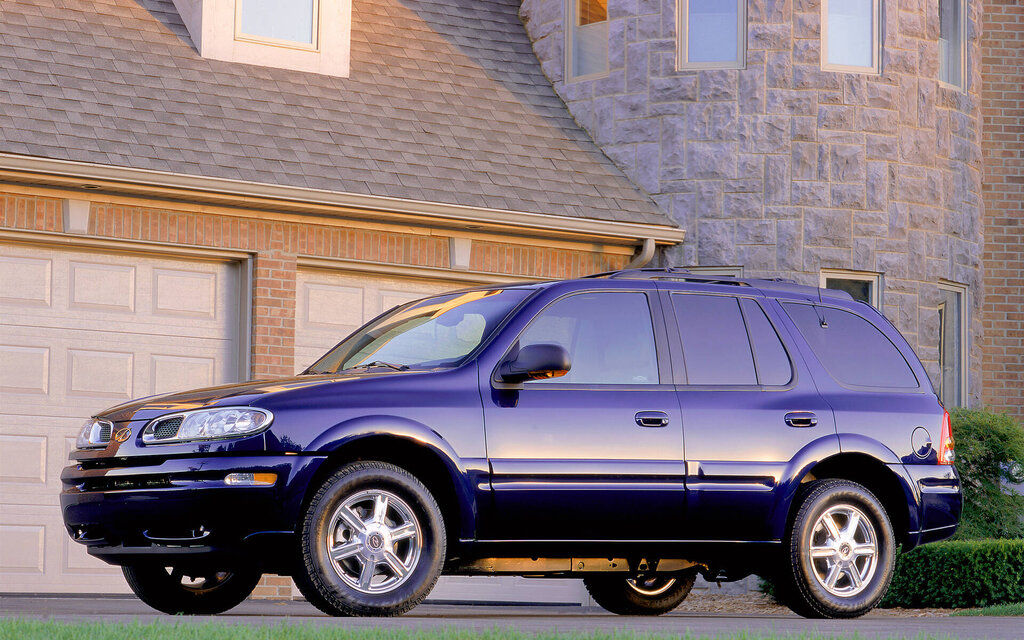
While we're on the subject of the Rainier, you may not remember the SUV it replaced: the Bravada from Oldsmobile. This one may be more associated with the 1990s, but it enjoyed a third generation spanning the 2002-2004 model years. Unlike its platform partners, the Bravada wasn't offered with an extended wheelbase (XL). It also had a softer suspension and was more suited to highway driving.
Suzuki Vitara (1999-2004)
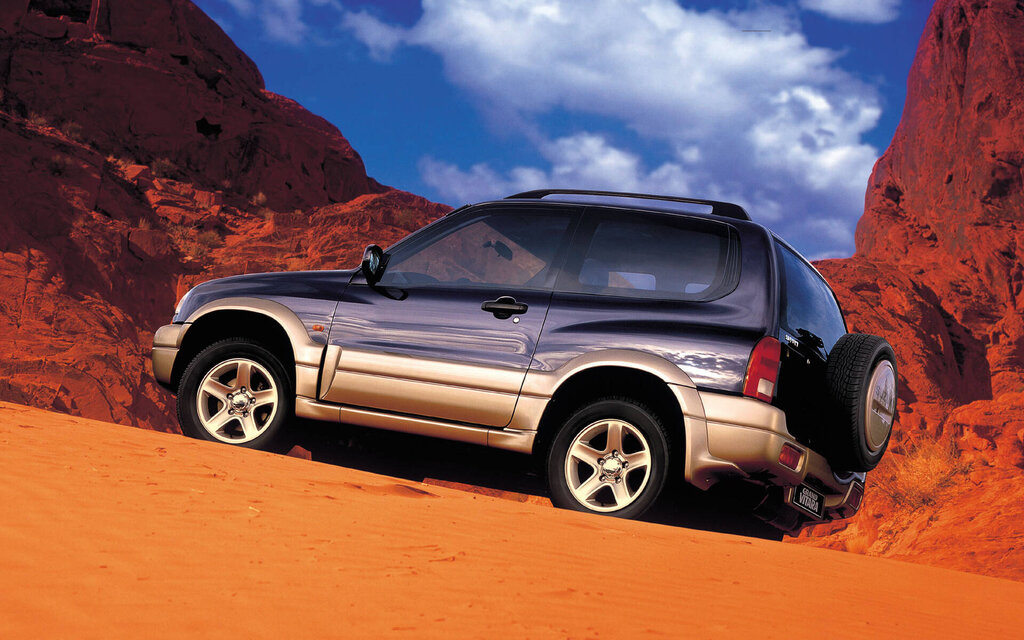
Many remember the third-generation Grand Vitara sold in Canada from 2005 until Suzuki stopped selling cars on our continent in 2014. But just before it, there was the Vitara, the second generation of an SUV modeled after the more popular Chevrolet Tracker. There were two- and four-door body styles, as well as four- and six-cylinder engines, the latter developing 165 horsepower, not to mention a soft-top variant. North American models came from the CAMI plant in Ingersoll, Ontario.
Chrysler Aspen (2007-2009)
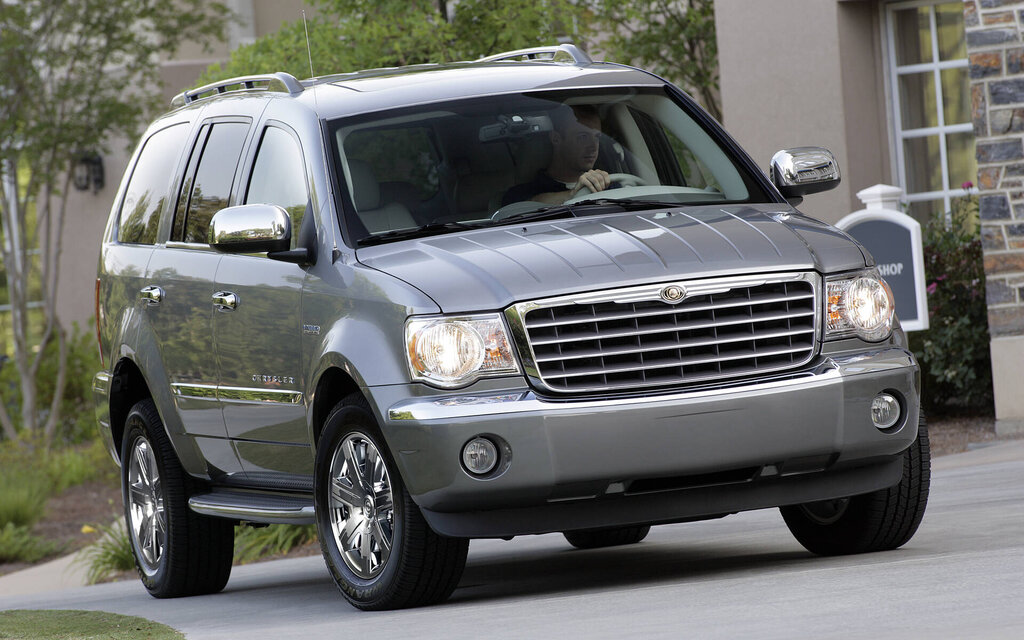
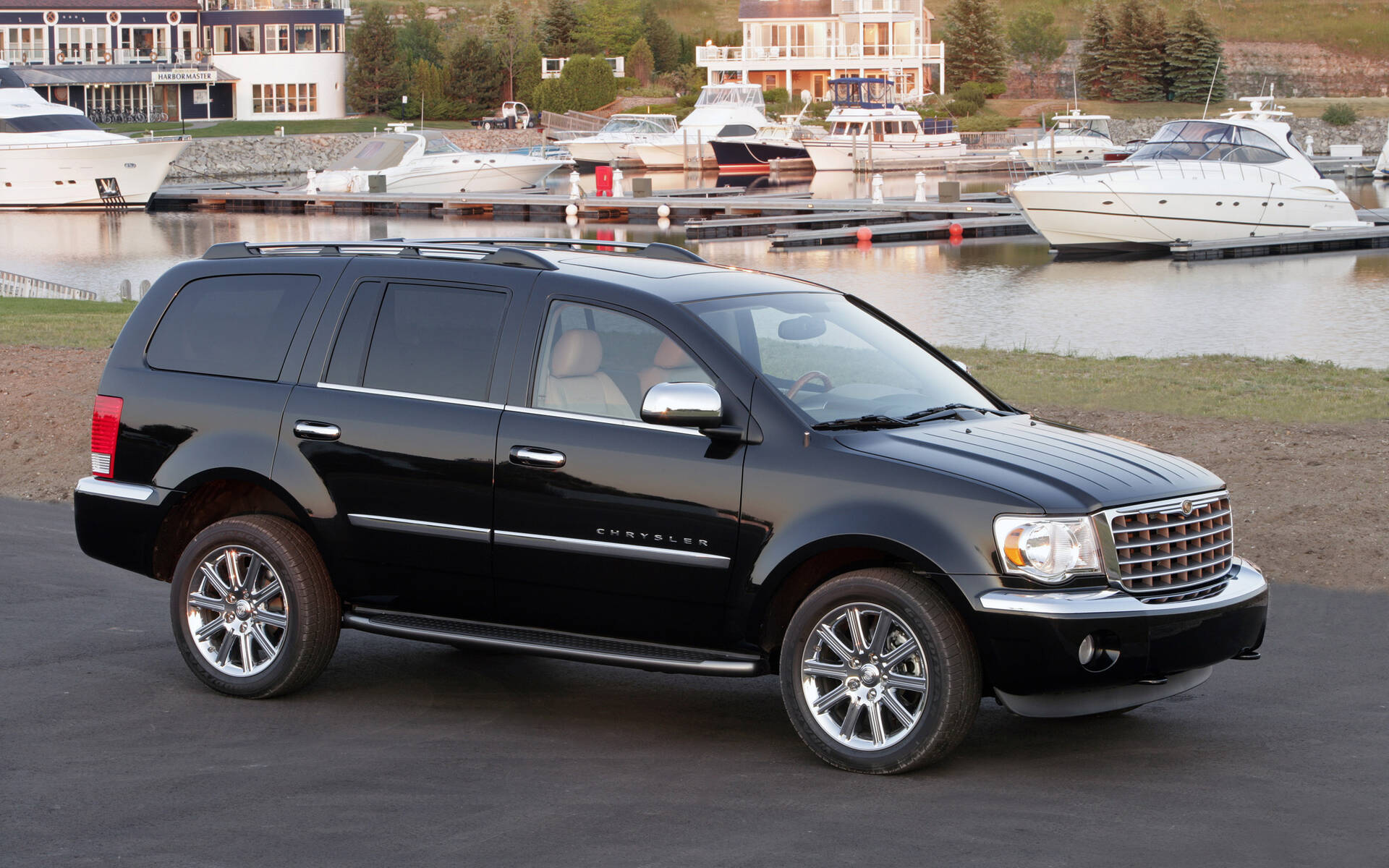
The short-lived Aspen, a clone of the second-generation Dodge Durango, lasted only three years. More luxurious, better equipped, and sporting classier looks, it also featured a 335-hp 5.7-litre HEMI V8 mated to a five-speed automatic transmission. A 385-hp hybrid powertrain eventually joined the lineup, offering fuel savings of about 25 percent.
Ford Taurus X (2008-2009)
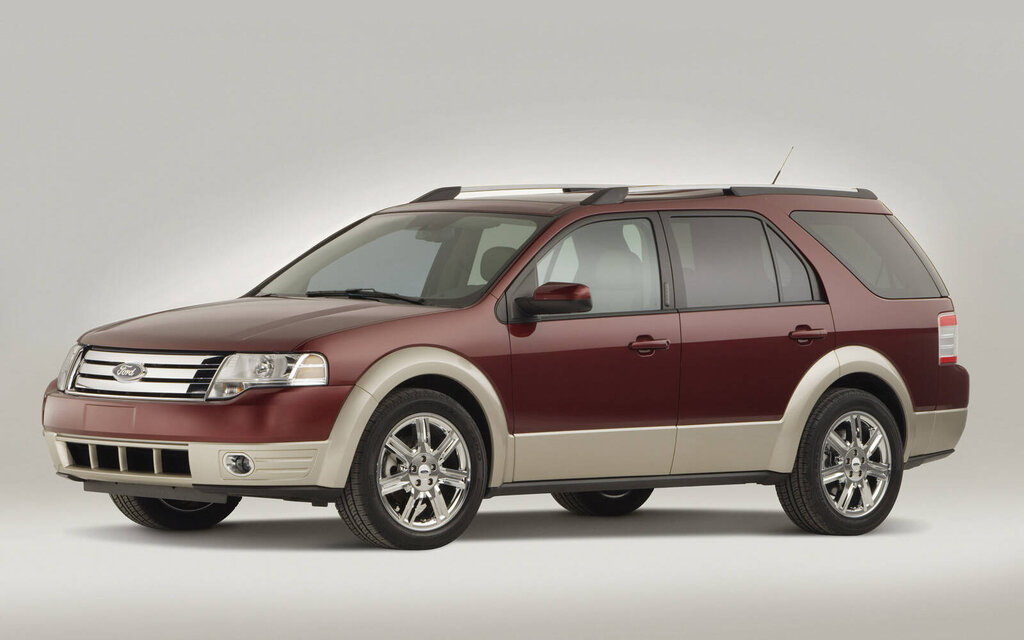
Although fairly boring, the Ford Freestyle (2005-2007) has the distinction of being one of the first crossovers on the market. You may have forgotten about it, and that's normal. However, the Freestyle ended its brief career under the name Taurus X as Ford unsuccessfully tried to create a family of models around the Taurus sedan. It received a new grille and a 3.5-litre V6 boosted to 263 horsepower with the six-speed automatic transmission.
Hyundai Veracruz (2008-2012)
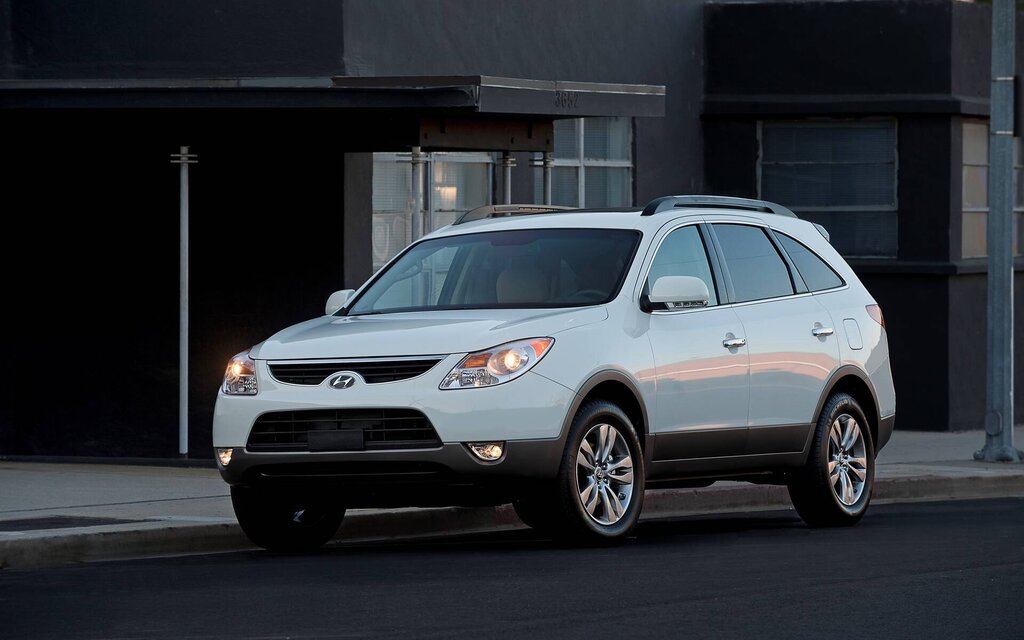
Hyundai's first efforts to cater to large families were the Entourage minivan and the Veracruz three-row SUV. The latter didn't last long—nor did the Kia Borrego, which it shared its 3.8-litre V6 (260 horsepower) with. The Korean automaker wisely replaced the Veracruz with the Santa Fe XL.
Infiniti EX (2008-2013)
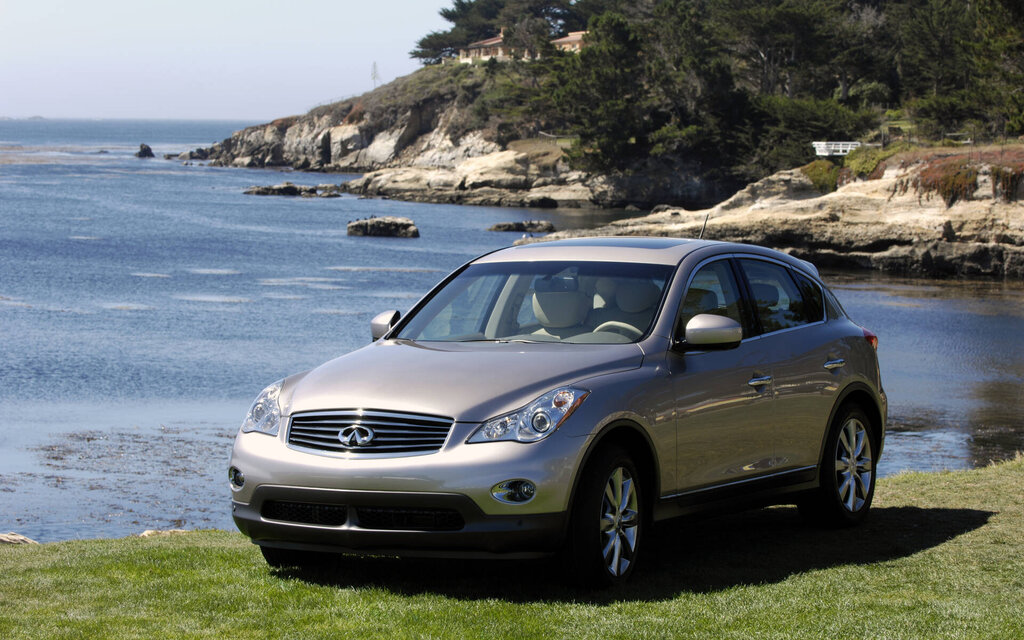
Born in the late 2000s, this compact luxury crossover was based on the G35 sedan and designed as a higher-riding alternative. Its 3.5-litre V6, producing 290 horsepower, was the same (later replaced by a 3.7-litre unit producing 325 horsepower). The EX's cabin could accommodate five people in a rather spacious and comfortable environment. Interestingly, it was the first vehicle to feature a 360-degree camera system. Infiniti replaced it with the QX50 in 2013.
Land Rover Freelander (1998-2006)
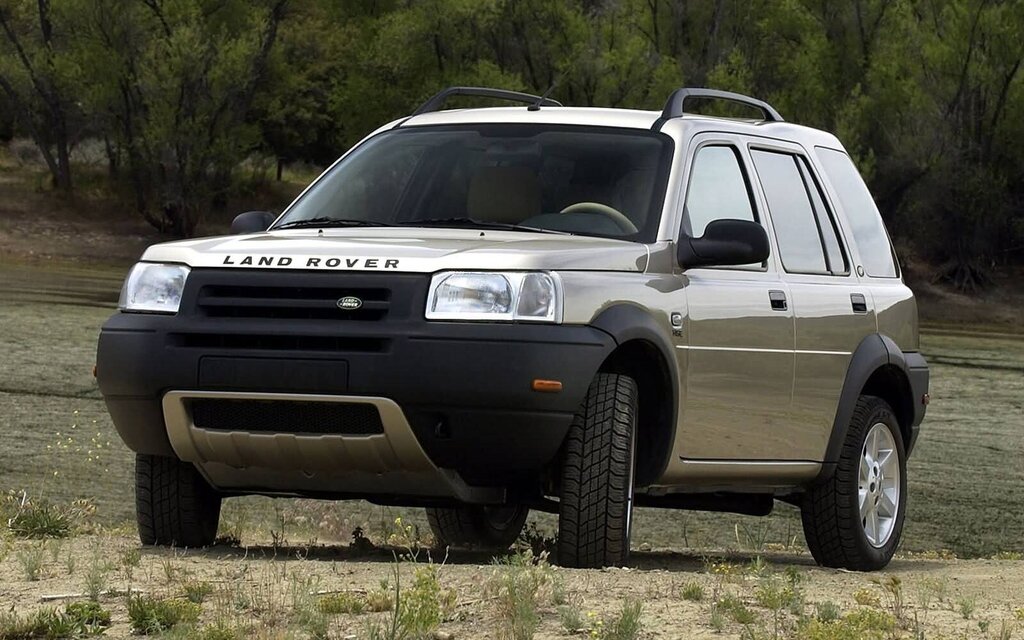
This compact and affordable SUV from Land Rover dates back to the late 1990s but became more popular at the beginning of the 21st century. The Freelander was the first SUV from the British luxury brand to use a unibody structure, making it slightly less suitable for off-road use. Two- and four-door variants were offered. The second generation, which arrived as a 2007 model, changed its name to LR2.
Mitsubishi Endeavor (2004-2011)
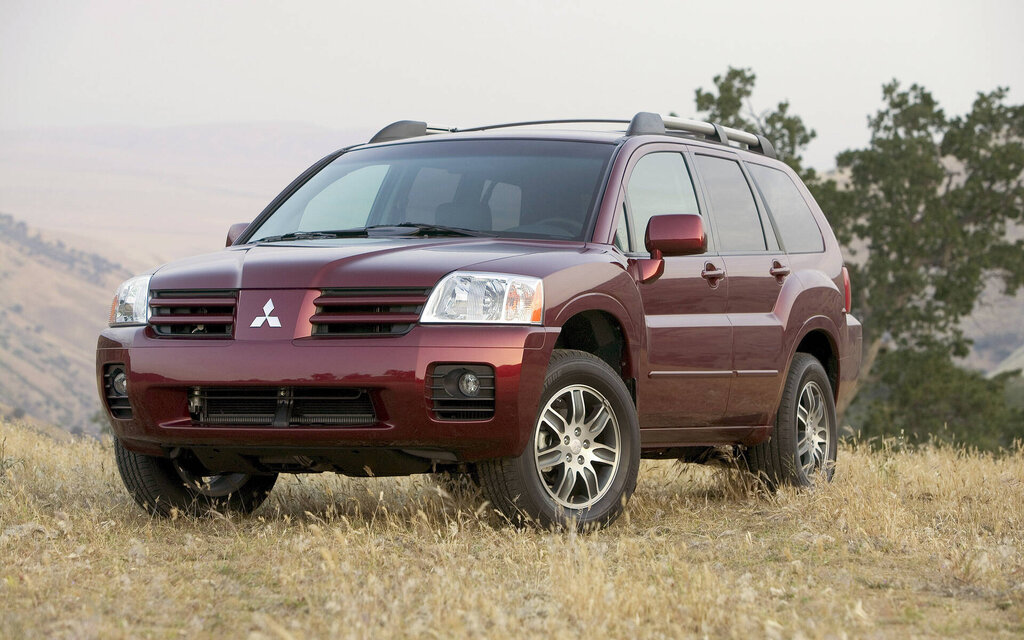
Sharing its platform with the Galant, the Endeavor (with comically oversized fenders) sort of made the transition from the rugged Montero to the more modern but smaller Outlander. Assembled in Illinois, it attempted to appeal to American families, with varying degrees of success. The sole engine available was a 3.8-litre V6 producing 225 horsepower.
Isuzu Rodeo (1998-2004)
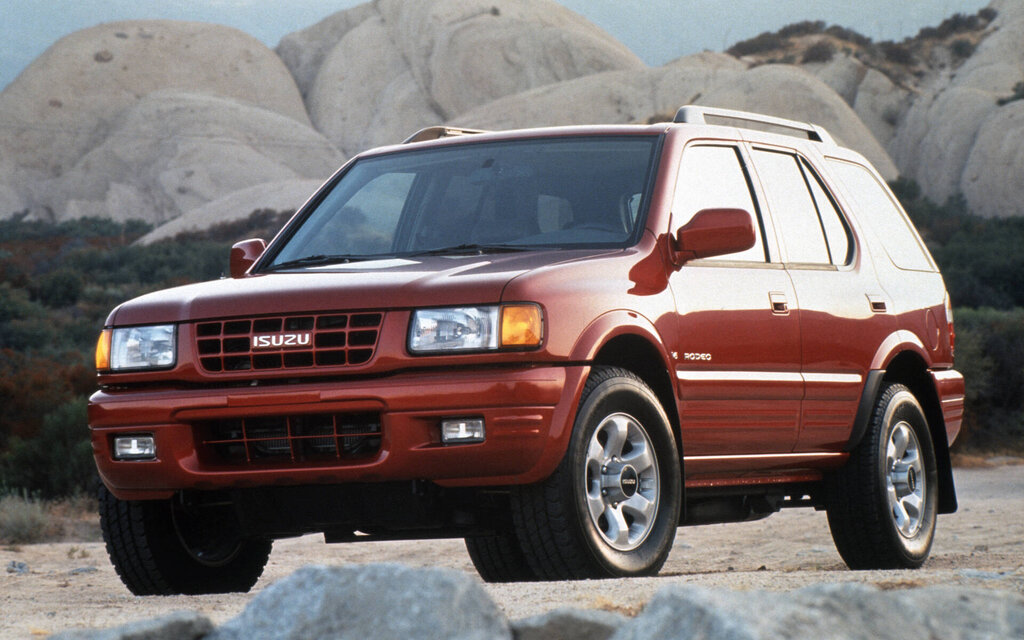
General Motors of Canada can be blamed for not putting enough effort into marketing Isuzu SUVs and pickups here, where they were distributed by dealerships that also included Saab and Saturn. The second-generation Rodeo was solid, reliable and well-finished, plus motivated by a 205-horsepower V6 with part-time 4x4 system. However, most shoppers at the time preferred to turn to utility vehicles that prioritized on-road comfort and a more luxurious interior.