Tesla Still Working on Smaller Cybertruck
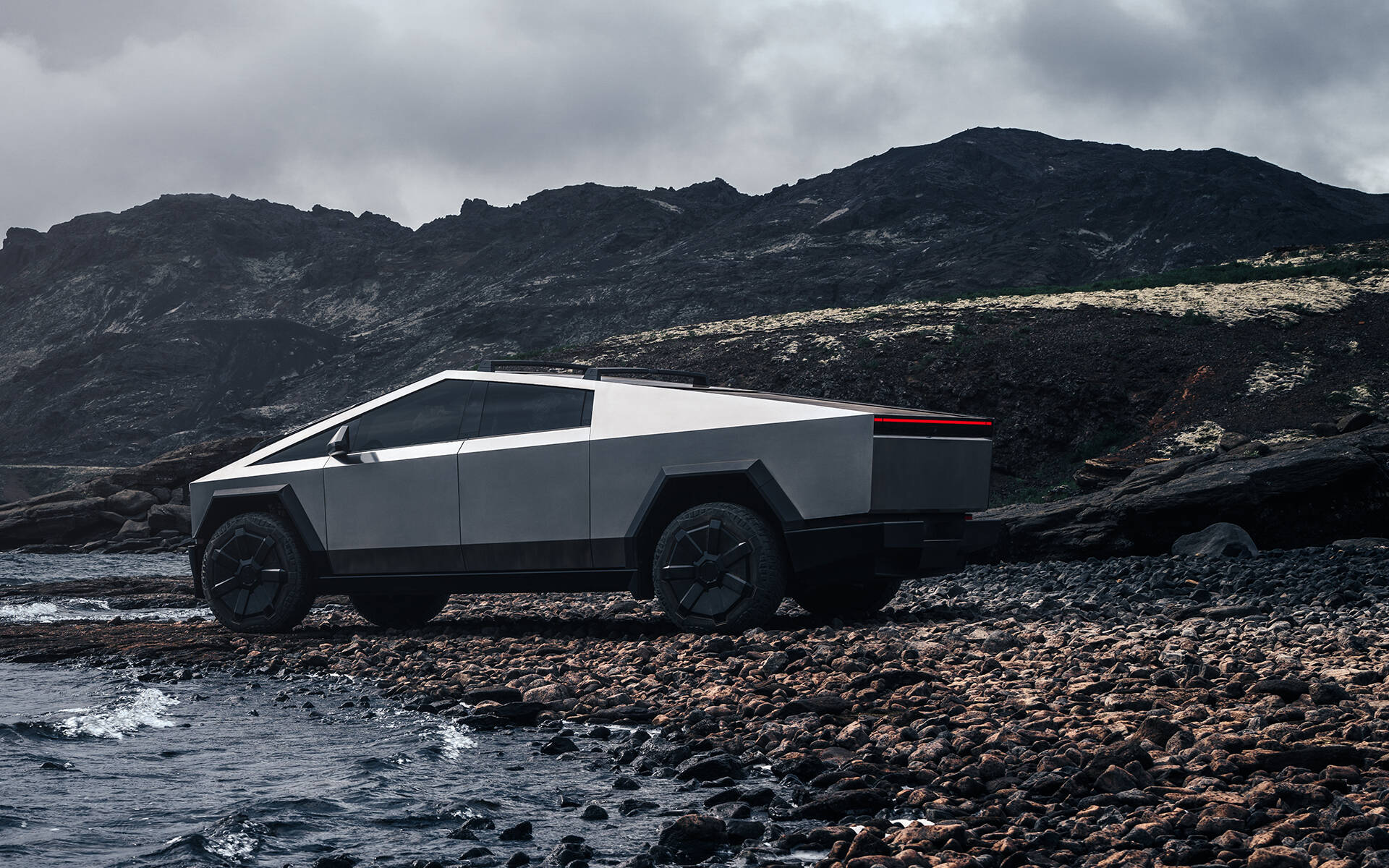

After a fairly strong start, demand for the Cybertruck has plummeted and turned out to be much lower than Tesla had anticipated, making this polarizing electric pickup a commercial failure—let's not mince words.
Lower-than-promised capabilities, various technical problems and excessively high prices partly explain this situation, not to mention the antics and political role of CEO Elon Musk.
Read also
- Tesla Raises Prices 13-22 Percent in Canada Due to Tariffs
- Tesla Cybertruck’s Range Extender No Longer Available to Order
Since Tesla is a global company, why limit itself to selling a Cybertruck in North America and China? Even before the Cybertruck’s original debut in November 2019, Musk had hinted at the possibility of launching a smaller pickup that would be in a better position to cater to a large number of markets around the world.
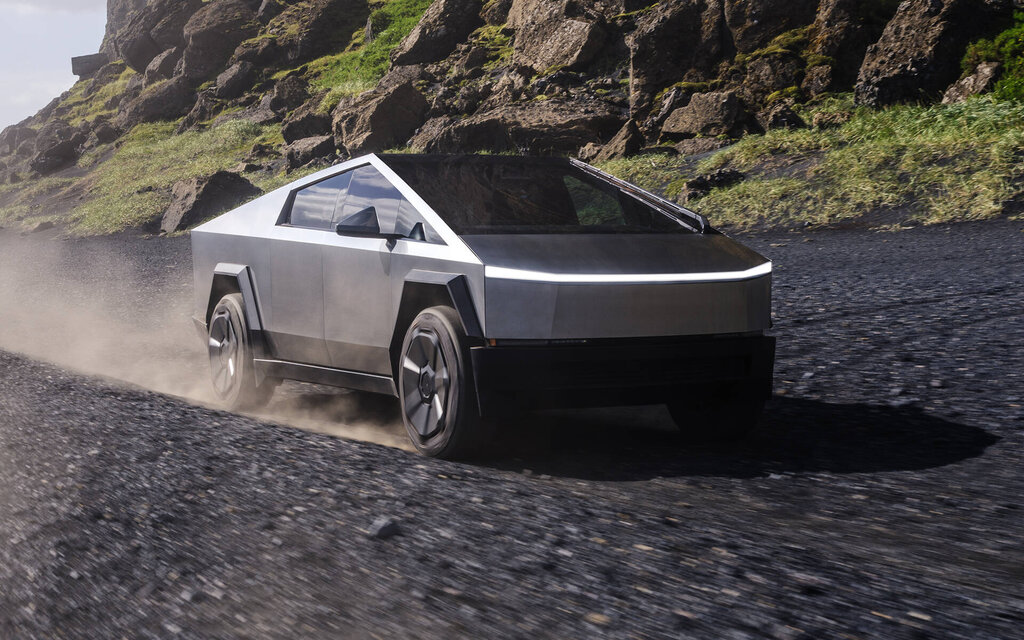
In a recent interview with Business Insider, Tesla's vice president of engineering, Lars Moravy, said that such a vehicle is still in the company's plans and that the team has "definitely been churning in the design studio about what we might do to serve that need, for sure." However, it doesn't appear to be a priority in the short or even medium term—unlike the upcoming affordable Tesla, which will be a stripped-down Model Y.
According to Moravy, a baby Cybertruck could eventually be part of a fleet of "robotaxis" tasked with delivering goods. Tesla, which launched its driverless car service in Austin, Texas in June, plans to expand it to a large number of cities in the coming months.
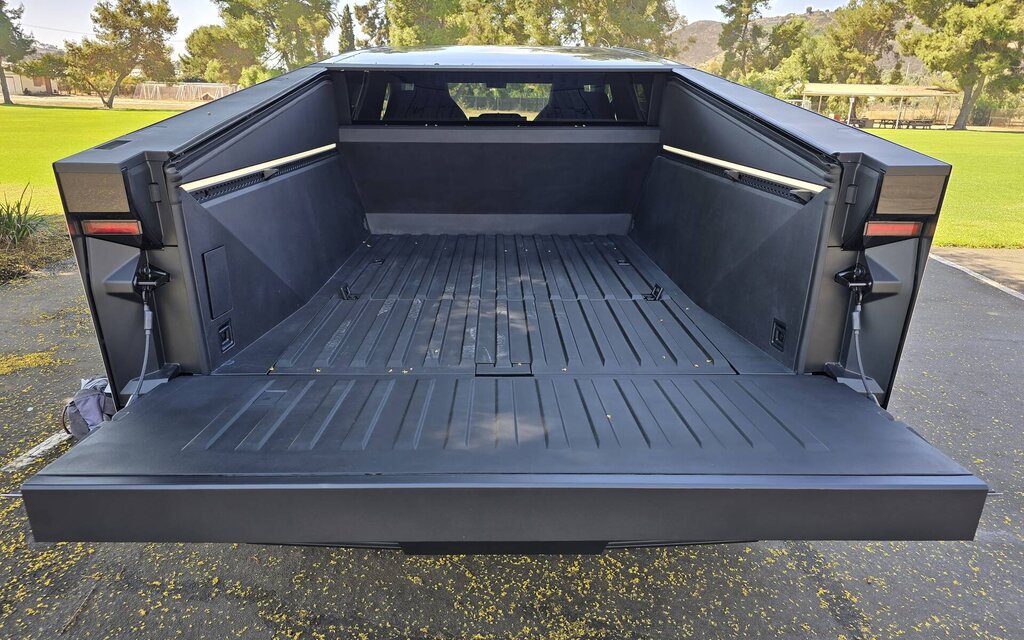
One thing is certain: a more reasonably sized Tesla electric pickup would logically attract more potential buyers by selling at more attractive prices. The cheapest Cybertruck right now costs $69,990 in the U.S. and a whopping $139,990 in Canada, or $167,990 for the tri-motor Cyberbeast version.
Counter-tariffs on American-made vehicles led Tesla Canada to jack up Cybertruck prices by 22 percent in April.