2025 Subaru Forester e-Boxer Hybrid: Good But Not Enough
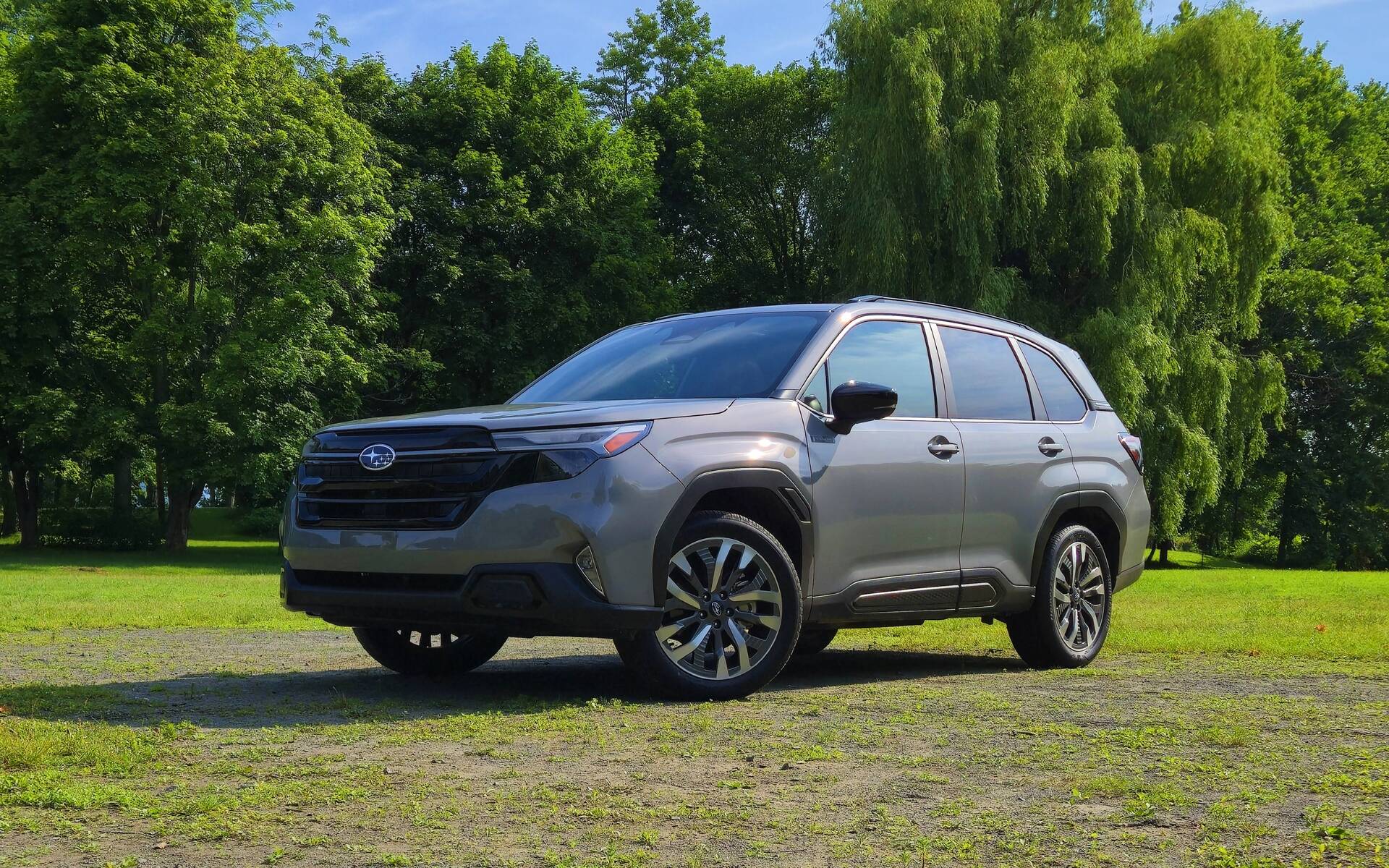

At last, Subaru has finally launched a hybrid variant of its compact SUV, the Forester. But was it worth the wait? In the light of our recent test drive, we're inclined to say: too little, too late.
Admittedly, the new 2025 Forester e-Boxer Hybrid has its merits and will appeal to loyal Subaru fans. However, this first attempt at electrifying one of the Japanese brand’s core products can best be described as timid considering what the competition has been offering for several years now.
Read also
- Subaru Canada to Rely Less on U.S.-Built Vehicles Moving Forward
- Subaru Announces Pricing for 2025 Forester Hybrid, Unveils New BRZ Edition
Premier Attire
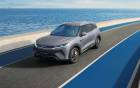
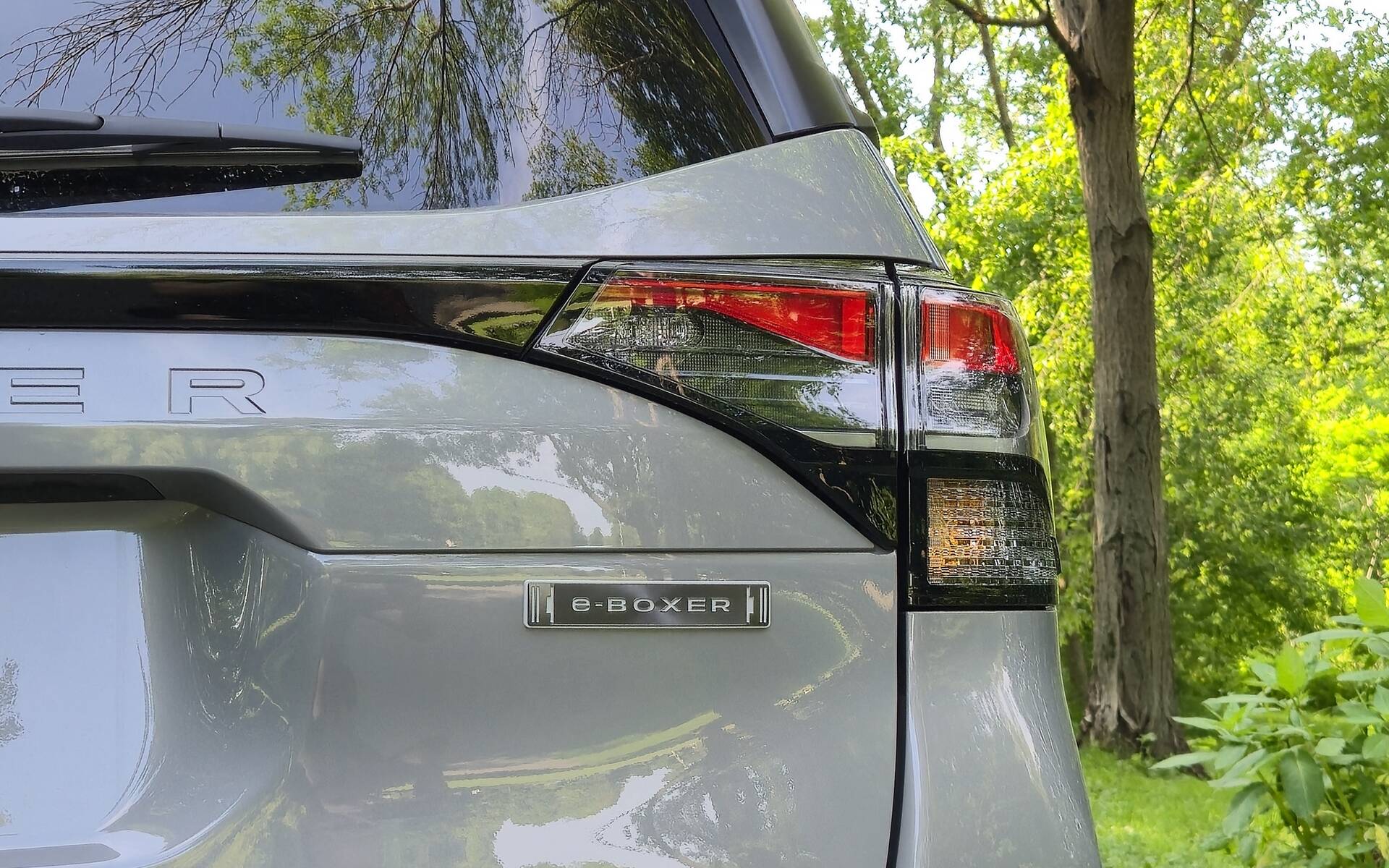
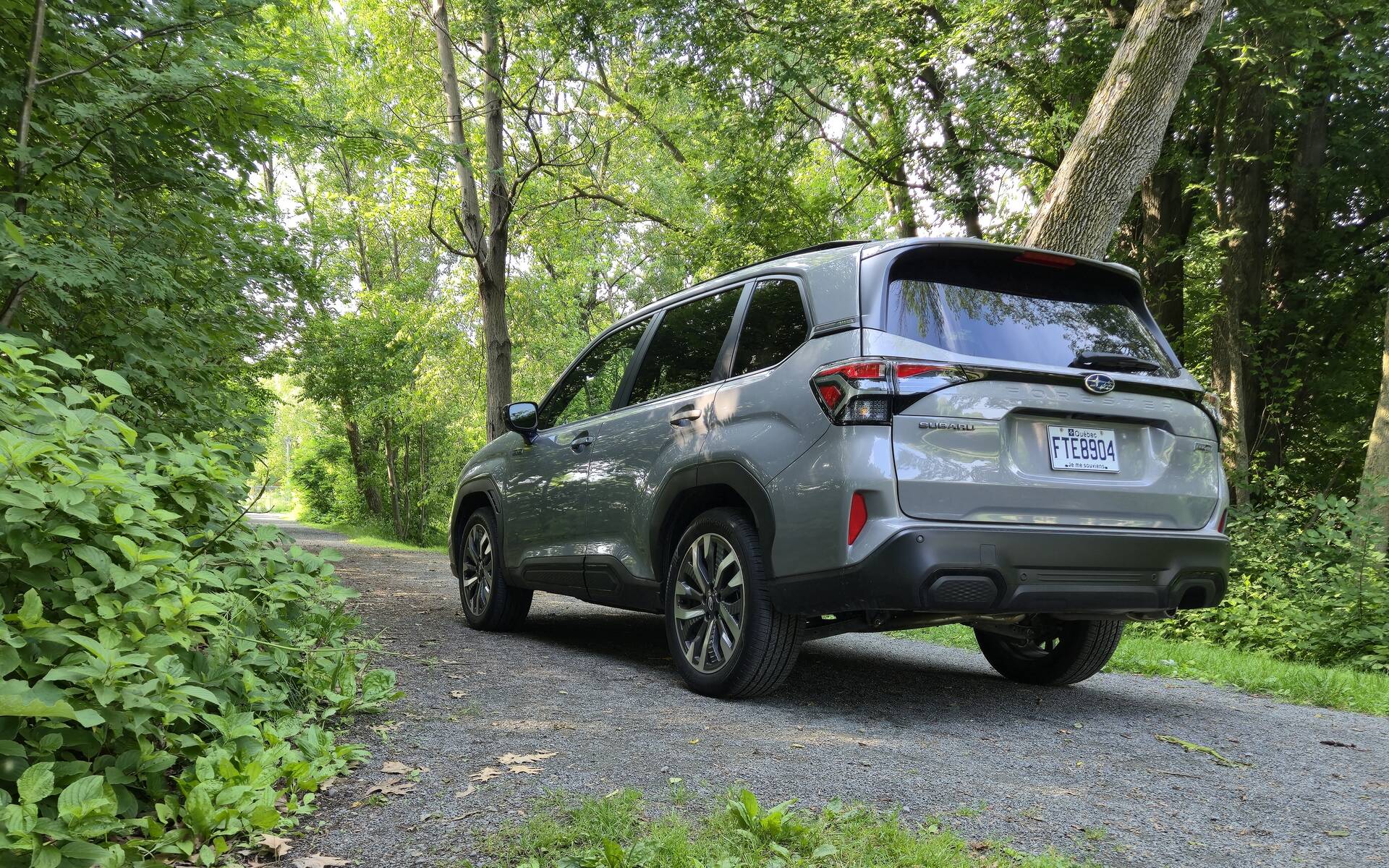
Unsurprisingly, the gas-electric Forester is recognizable only by the “e-Boxer” badges on the front fenders and liftgate. Based on the top-of-the-range Premier model, it features gloss black trim on the grille, mirror caps, roof rails and lower body, as well as a selection of six body colours including River Rock Pearl shown here.
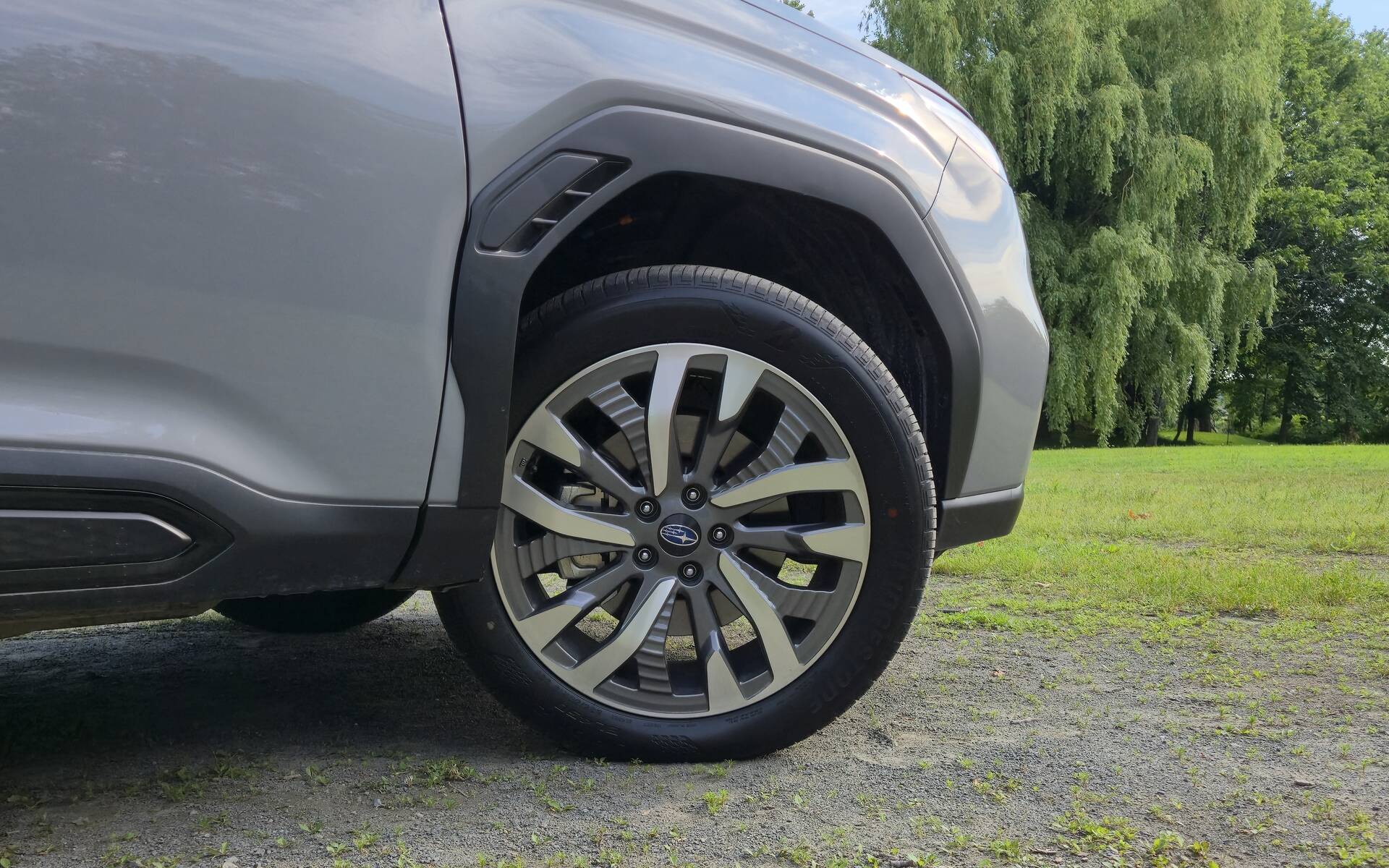
It's worth noting the beautiful wheel design. However, these are 19-inch wheels, and Subaru says they can't be fitted with winter tires at the dealership, so purchasing an additional set of wheels becomes necessary. Furthermore, the all-season tires they're fitted with are Bridgestone Turanzas designed to reduce rolling resistance and road noise, making them less suited to the gravel roads and dirt trails a typical Forester normally drives on and thrives on. You've been warned.
Fully Loaded Only
The only way to benefit from Subaru’s new e-Boxer hybrid technology is to opt for the most expensive Forester, which carries an all-inclusive price of $50,863 (or $3,000 more than the non-hybrid Forester Premier). There’s all the content and creature comforts available, including leather seats with suede inserts, eight-way power adjustment for the front passenger's seat and brown decorative accents (which match the optional brown leather to create a classier look). The front buckets are heated and ventilated with three intensity levels, although we found that even the highest level barely manages to keep you cool on a hot day.
This model also comes with the full range of EyeSight safety features, including an EyeSight assist monitor on the instrument panel, emergency lane-keeping assistance, plus a 360-degree camera system that proves convenient not only on the road and in parking lots but also off-road.
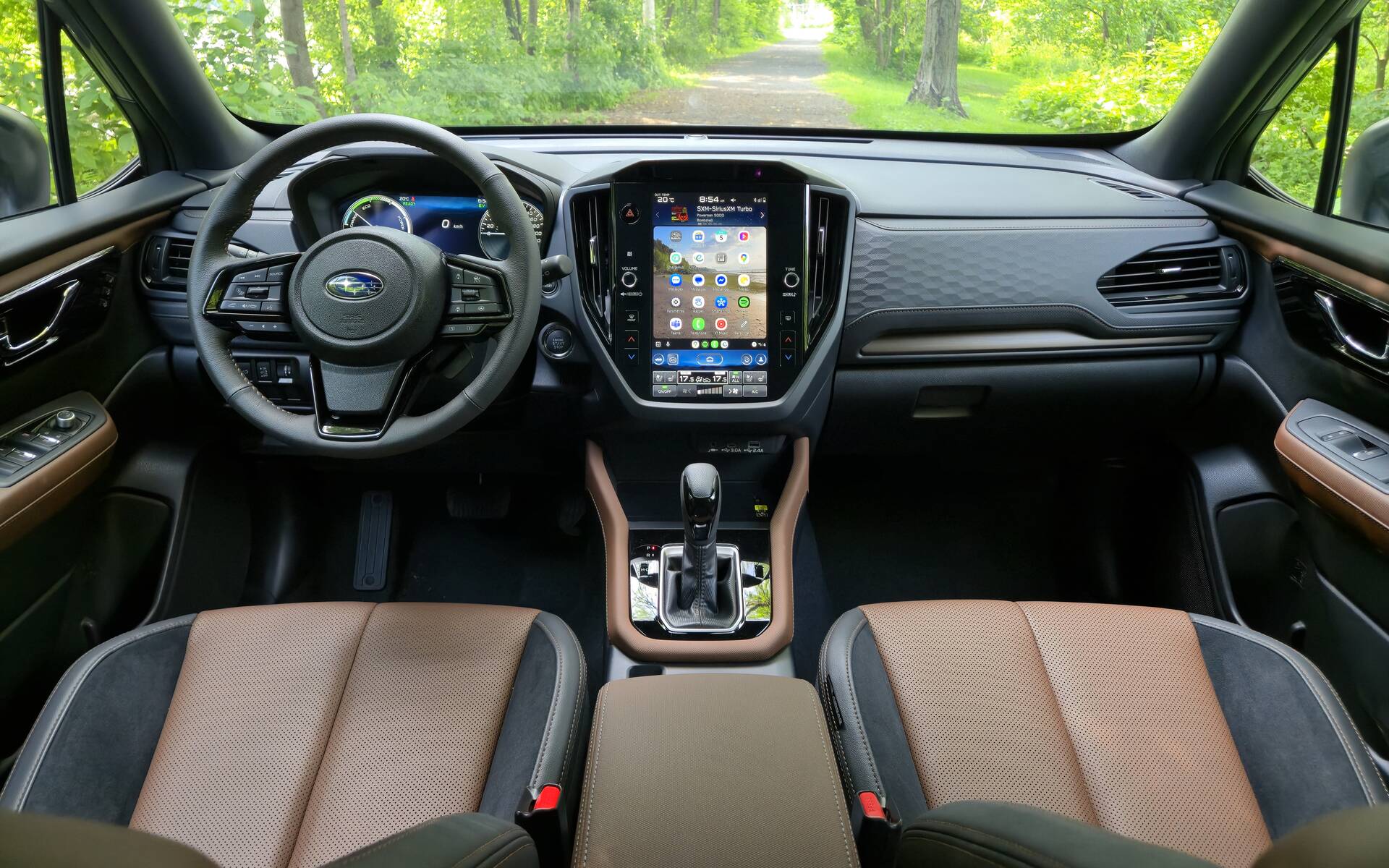
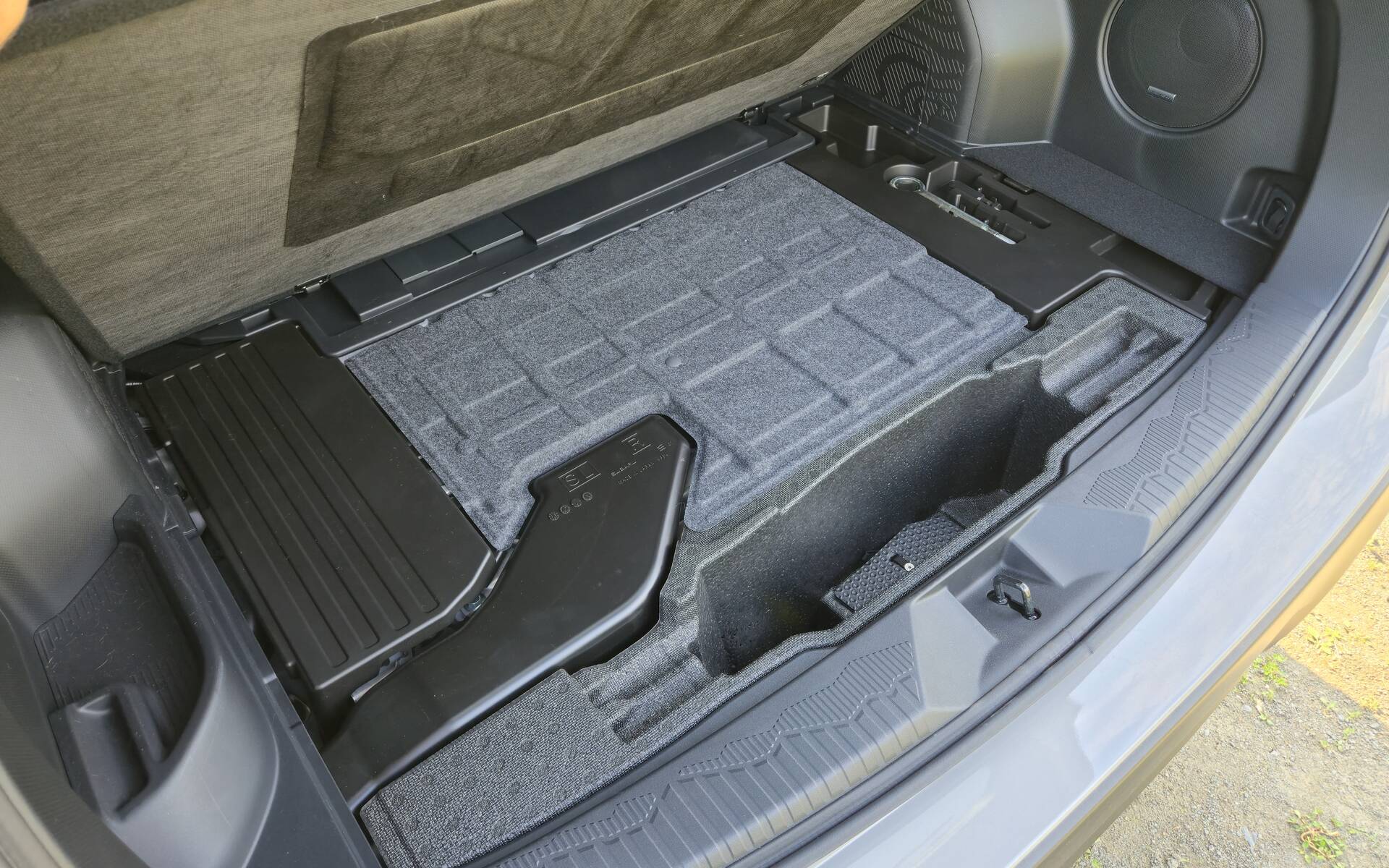
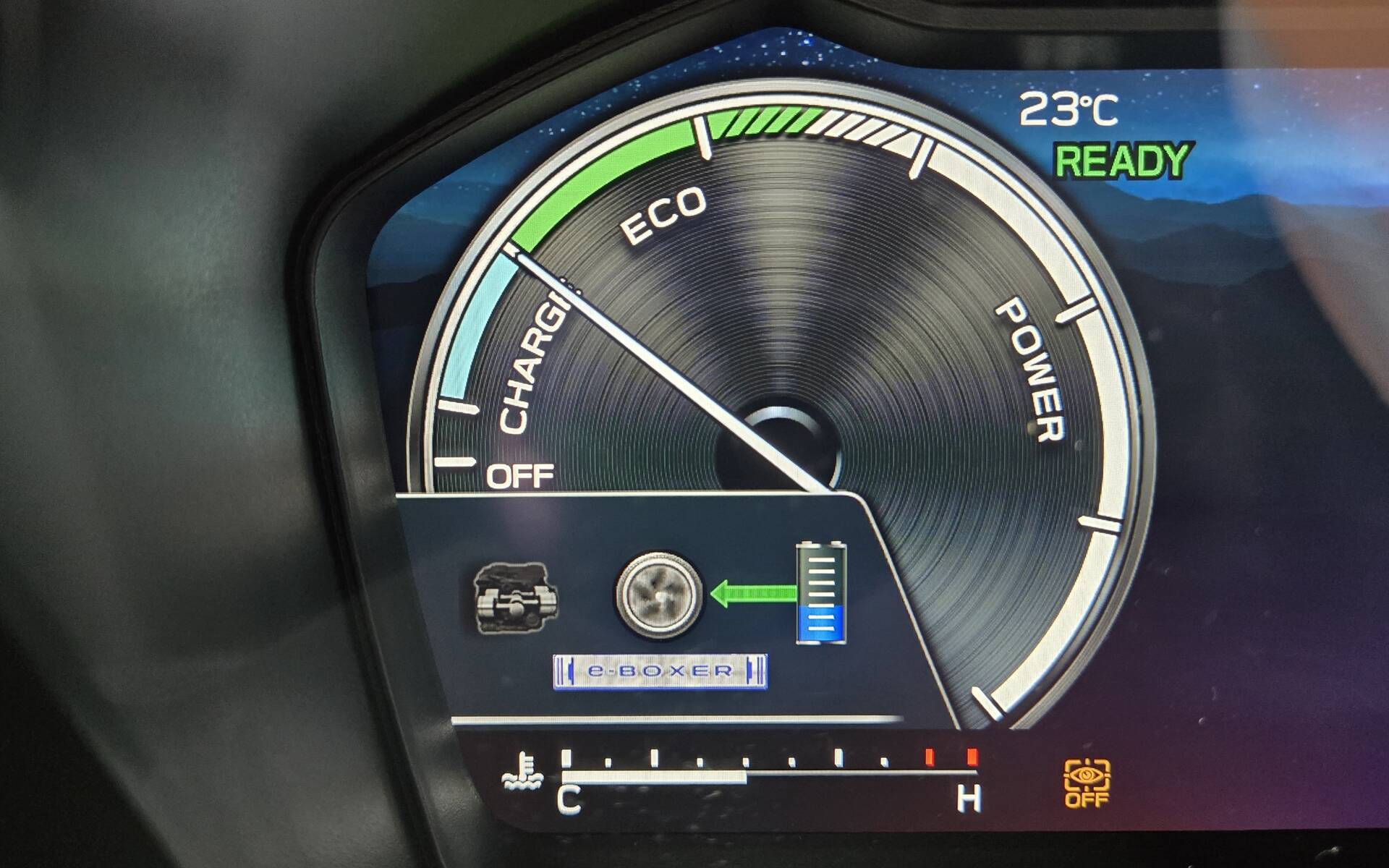
What’s more, you should know that the electrified Forester is the only one to offer an HVAC system with air filtration as well as a fully digital 12.3-inch instrument cluster, the latter with configurable displays and a hybrid system monitor. At the rear, cargo capacity remains unchanged (from 779 to 1,957 litres depending on seatback position), as does fuel tank capacity (63 litres), but the 1.1kWh lithium-ion battery limits underfloor storage. Incidentally, the high-voltage cables are all sealed and protected from the elements, which is reassuring.
Modest Power Boost and Fuel Savings
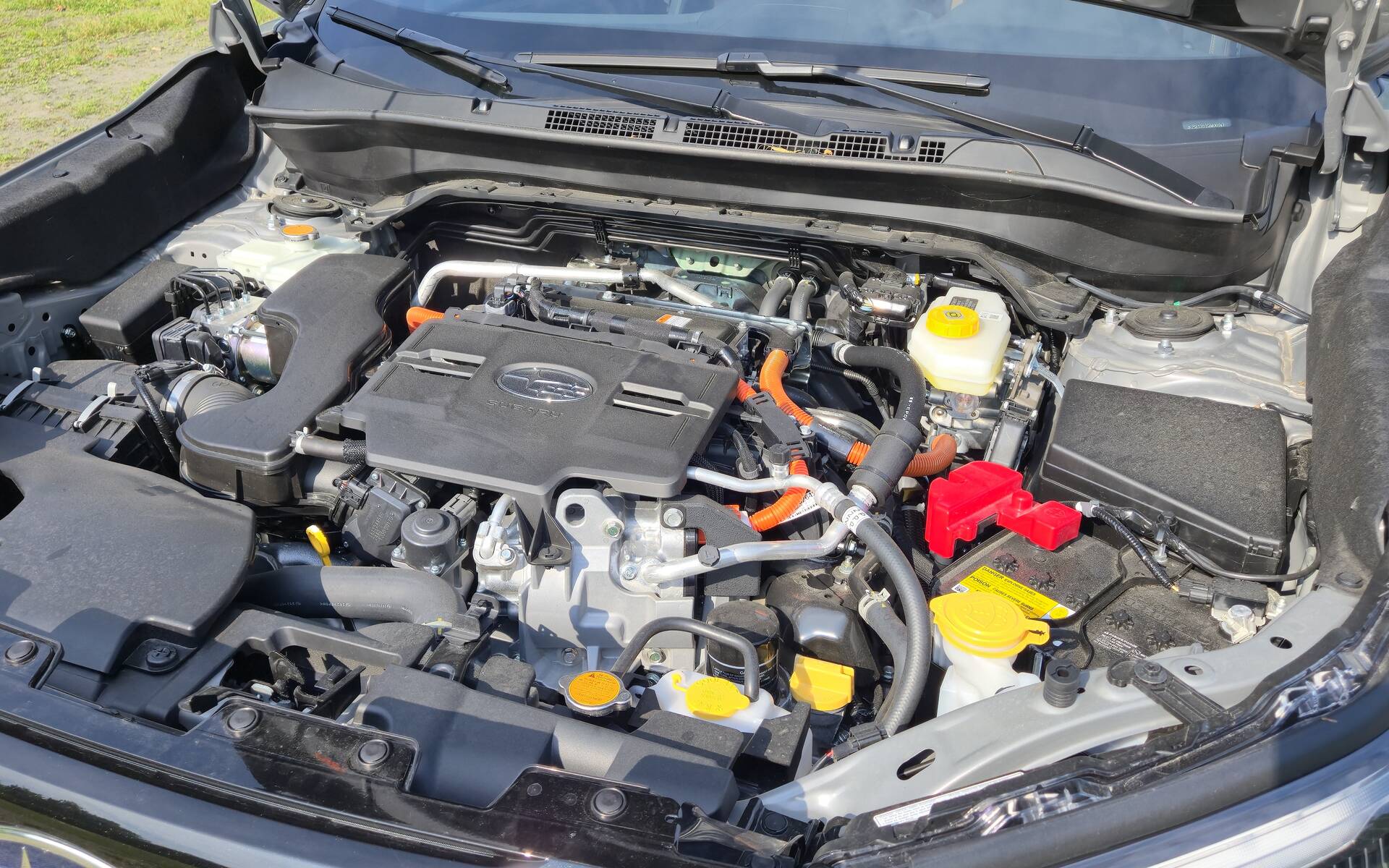
Now, how does the Forester e-Boxer Hybrid exactly work? The inevitable 2.5-litre flat-four engine, this time using an Atkinson cycle, teams up with two electric motors (one provides drive power, the other serves as a generator), a continuously variable transmission and Subaru's permanent all-wheel drive system. The result is 194 total horsepower instead of 180 (peak torque is not specified), which is comparable to a Ford Escape Hybrid but nowhere near the output of Asian competitors.
Let’s give Subaru credit: the hybrid system operates quite efficiently and seamlessly, making the driving experience quieter and more pleasant than that of other Foresters, despite the fact that the e-Boxer model is at least 128 kg heavier. When driving off-road, tires permitting, the contribution of the electric traction motor is also much appreciated, especially on climbs. On the other hand, the large 19-inch wheels slightly affect ride quality on rough roads, and the brakes could use a little more bite as far as we’re concerned.
Following a full week with the Forester e-Boxer Hybrid in various driving conditions and very favourable weather, we recorded an average fuel consumption of 7.2 L/100 km. This is close to the official rating from Natural Resources Canada at 6.9 L/100 km. However, competitors can all do better than that—the aforementioned Escape Hybrid and the Toyota RAV4 Hybrid both achieve a combined 6.0 L/100 km, for example. And remember, most gasoline-powered Forester models are good for 8.3 L/100 km, which is already quite efficient for an AWD-equipped compact SUV.
Our Verdict
We'd like to say that Subaru has done a good job in developing the 2025 Forester e-Boxer Hybrid. If the latter had arrived with the previous generation, fine. The problem is that modern rivals are more powerful and more fuel-efficient, in addition to offering more than one trim level and lower starting prices. The company probably won’t steal customers from the competition (except maybe Mazda which has stopped importing the CX-50 Hybrid), but it definitely has the ultimate, road-going Forester for Subaru enthusiasts.