Canadians Want Better Access to Affordable Chinese and European EVs, Survey Says
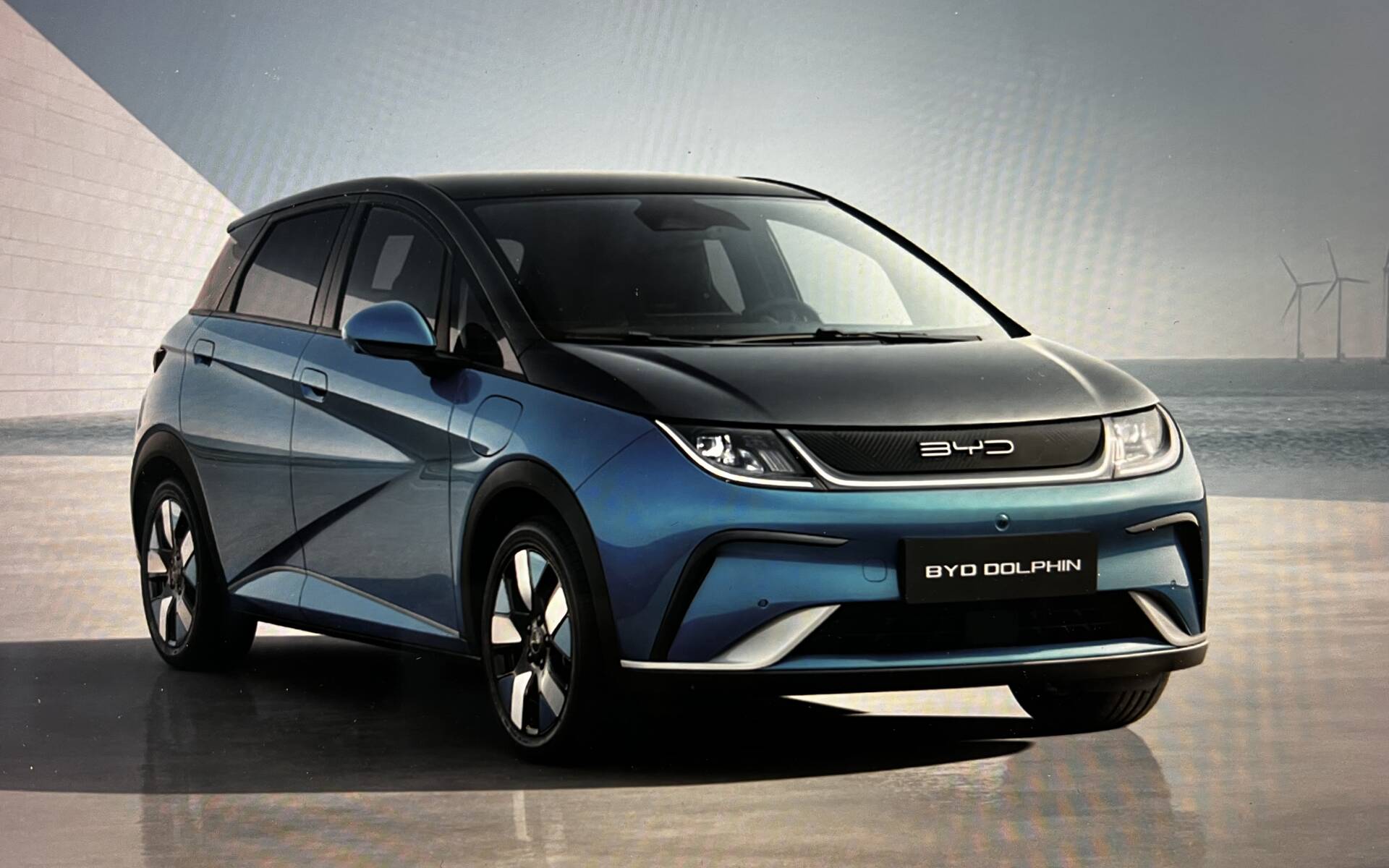

Should Canada open up its vehicle market to offer shoppers more affordable electric vehicle options? A majority of people think so according to a new survey conducted earlier this month by Abacus Data on behalf of Clean Energy Canada.
Since October 1 of last year, a 100% tariff is slapped on electrified vehicles built in China. However, 53% of Canadians say they would prefer a lower tariff that would improve affordability for consumers while still protecting the Canadian auto industry. Nearly three out of ten (29%) support removing the tariff altogether in order to lower costs and avoid trade retaliation from China, while only 19% say they would prefer keeping the full tariff in place.
Read also
- Trade Wars Intensify as U.S. Tariffs on Canada, Mexico and China Take Force
- Highlights from Auto Shanghai 2025: All About China, Almost
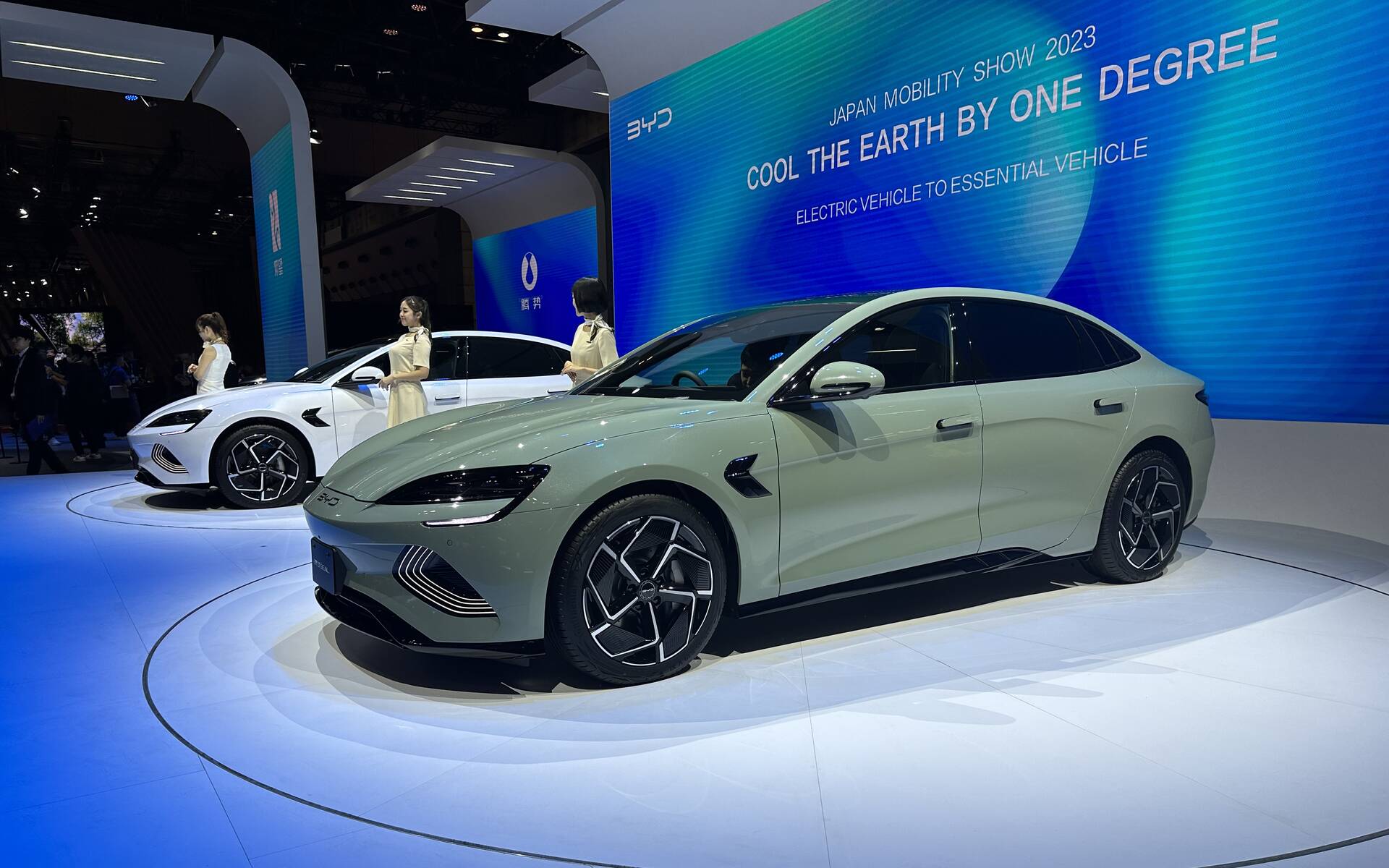
The federal government justified its 100% tariff by citing unfair competition from Chinese automakers, such as BYD, which benefit from non-market policies and practices. Remember, Canada has invested heavily in recent years to secure EV and battery plants from Stellantis, Volkswagen and Honda, among others. Since then, the U.S. has engaged in a trade war against the world, particularly Canada.
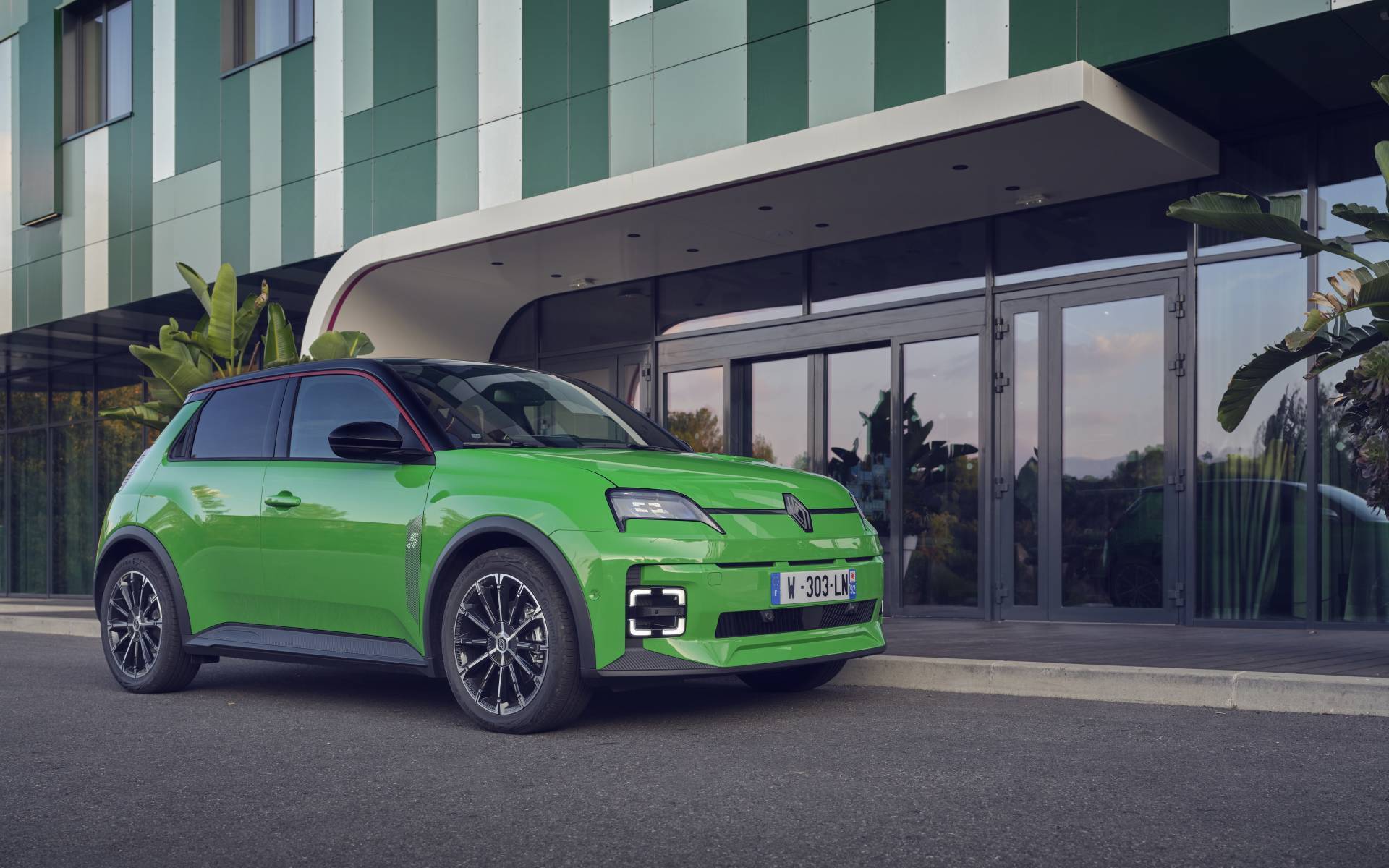
Given the current situation, in addition to lifting or reducing the tariff against Chinese vehicles, one solution could be to allow the sale of vehicles that meet European safety and environmental standards. This would increase the availability of car brands and models in Canada, including some smaller, more affordable EVs. The idea is overwhelmingly popular, with 70% support and only 10% opposition, the survey found.
When it comes to tailpipe emission regulations, a solid majority (58%) of respondents believe Canada should uphold its current standards, in line with those set by former U.S. president Joe Biden’s administration and supported by California, while only 18% support weakening our standards to align with the U.S. under Trump.
Finally, Clean Energy Canada's survey once again asked consumers about their purchasing intentions: 45% of Canadians say they are either certain, very likely or inclined to purchase an EV as their next car, representing a 13-point decrease compared to when this question was asked in 2022.
Interest varies significantly based on age and location. Majorities in Quebec (55%) and B.C. (53%) are still inclined to go electric over gas, as well as those aged 18-29 (57%) and 30-44 (52%).
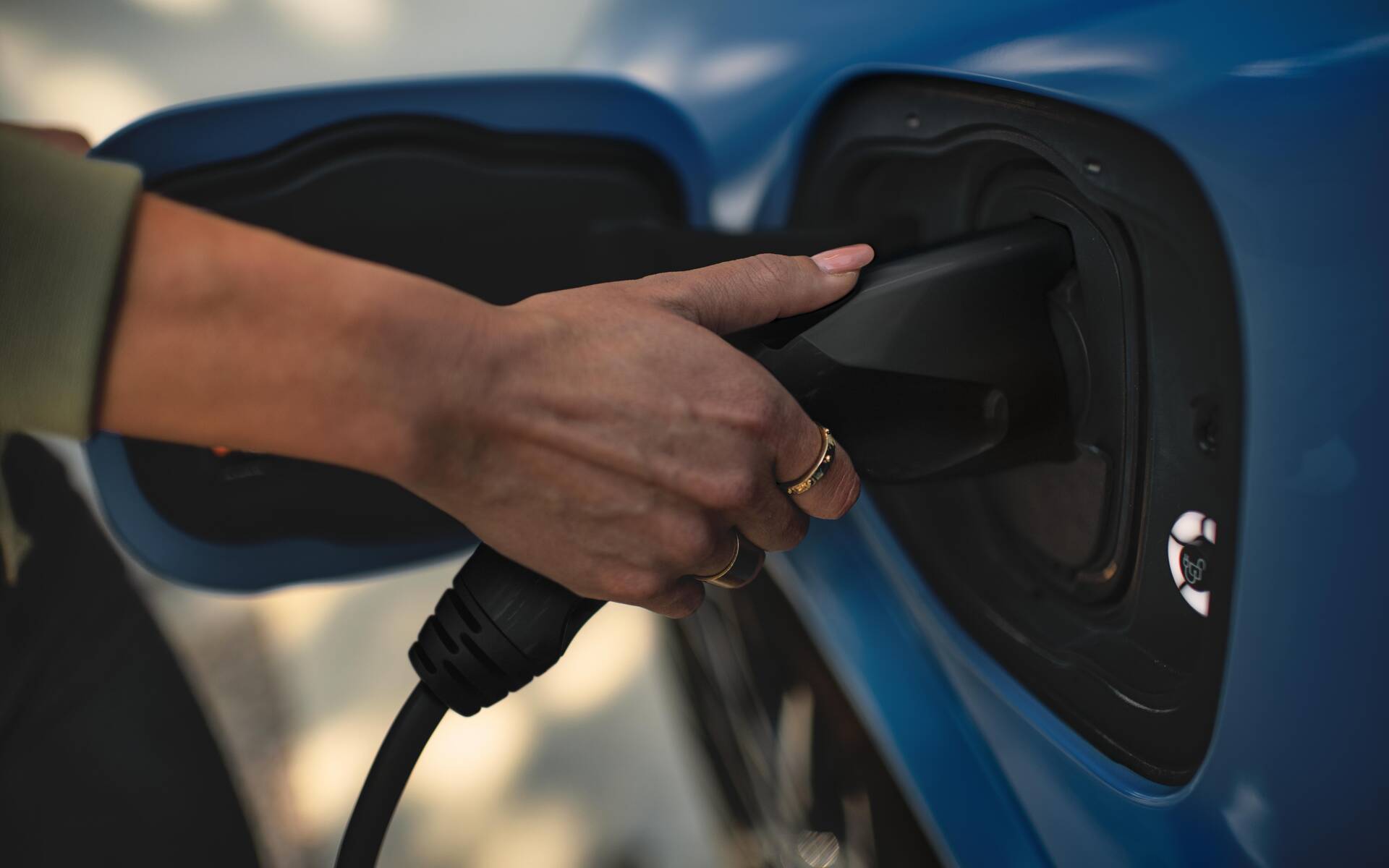
“The question for governments should not be whether Canadians want to go electric. It’s always been the case that so many do—especially younger Canadians,” said Trevor Melanson, director of communications at Clean Energy Canada. “The question is how do we lower the barriers preventing them from doing so. And the biggest barrier, by far, is sticker price. The world has high-quality, lower-cost electric cars, and it’s clear that Canadians would like to get their hands on them.”