Only 2 Out of 5 Drivers Trust Their Car to Keep Them Safe in a Crash
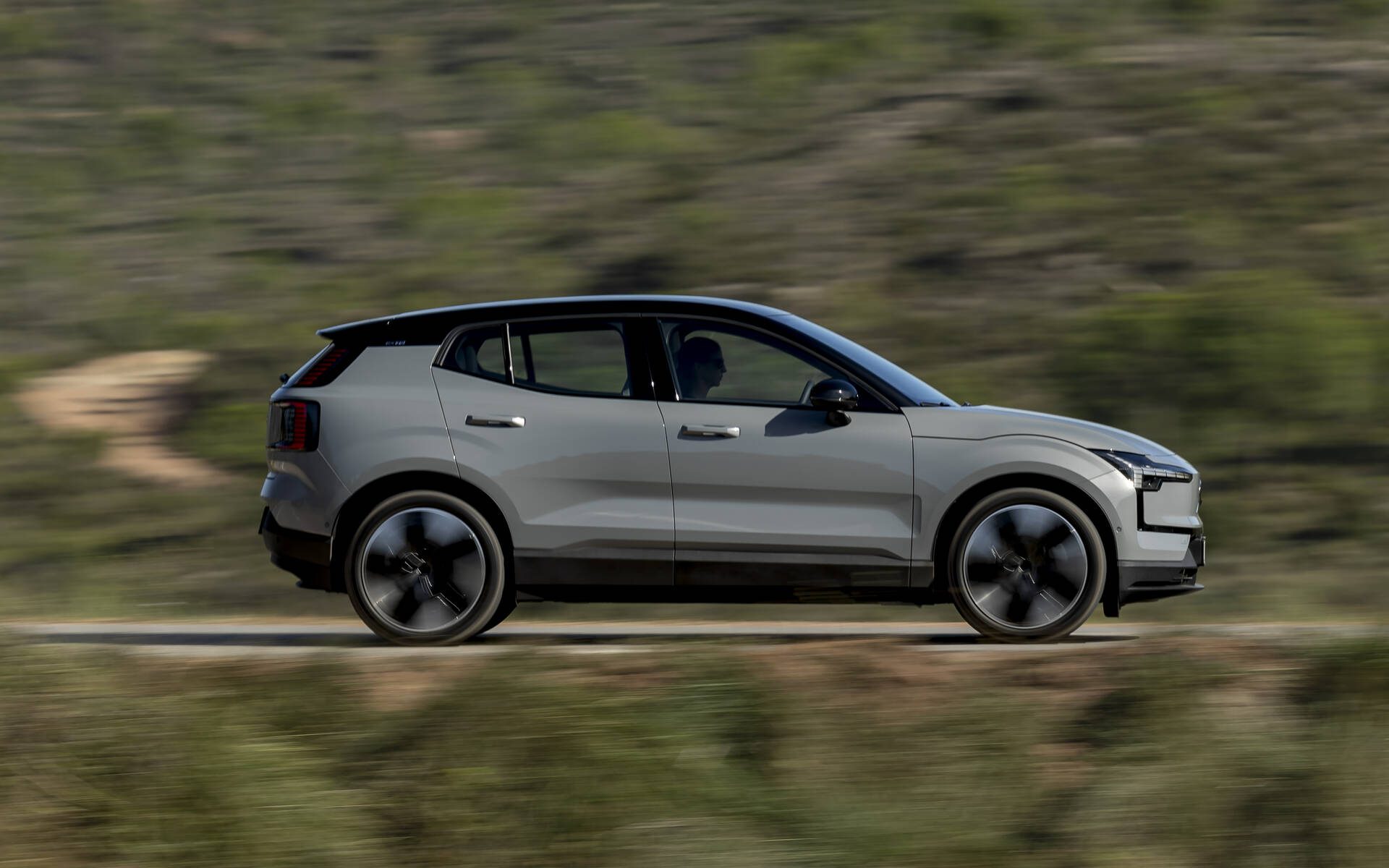

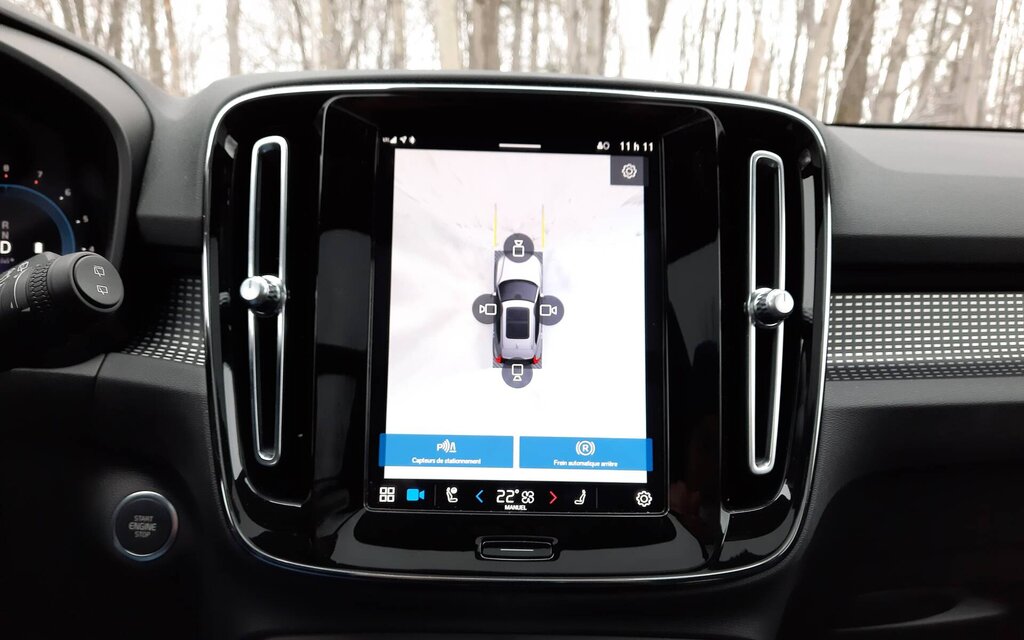
Modern vehicles are packed with cutting-edge technology including a host of active and passive safety systems such as all those driving aids designed to act as a guardian angel on the road.
However, while four out of five Canadians (81 percent) say that safety ratings influence their purchase decisions, a new survey commissioned by Volvo reveals that only two out of five (40 percent) say they’re completely confident their current vehicle would protect them in a crash. Confidence is lowest among Gen Z (32 percent) and highest among Boomers (48 percent).
Read also
- Volvo, Which Invented the Modern Seat Belt, Has Just Reinvented It
- IIHS Announces Preliminary Top Safety Pick Award Winners for 2025
When it comes to features like blind spot monitoring and lane-keeping assist, three out of five Canadians (61 percent) manage to trust them. Paradoxically, about the same proportion (59 percent) find modern safety technology distracting or confusing, especially younger drivers.
Also according to the survey, people consider backup cameras (40 percent) and blind spot detection (26 percent) to be the most essential, with nearly half (51 percent) willing to pay more for advanced safety features.
Safety is just one part of the equation, mind you. Only 9 percent of Canadians say it’s their top factor when buying a car, well behind the price (34 percent) and fuel economy (15 percent).
That’s not stopping Volvo Canada Managing Director Matt Girgis from saying that “Canadians are telling us safety matters, and we’ve been listening for decades. At Volvo, we’re designing cars and safety innovations that help protect what matters most—people and their families.”
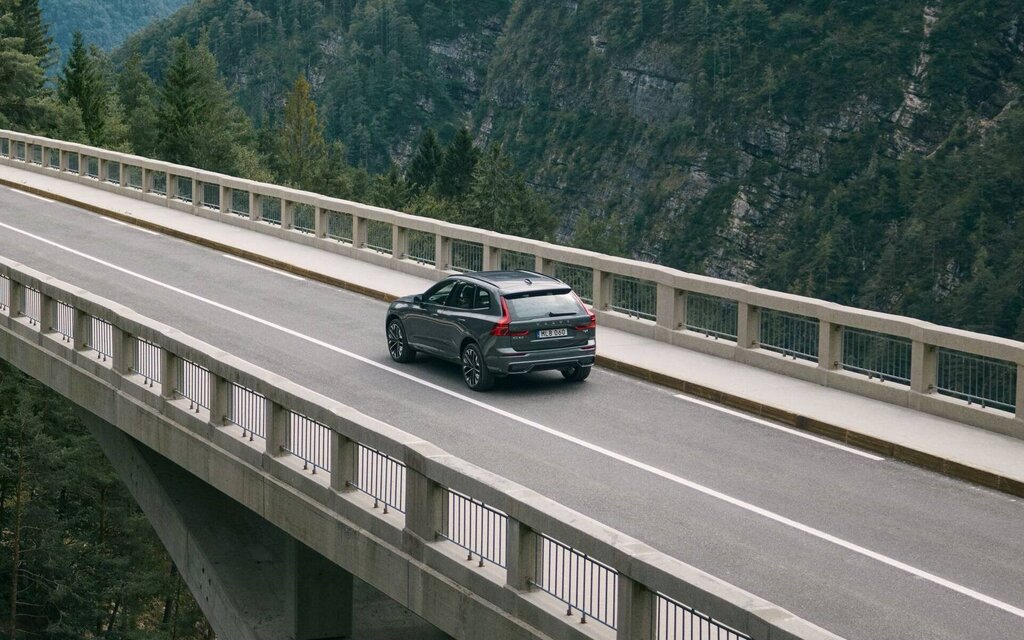
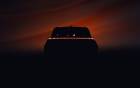
Known as one of the safety leaders in the auto industry since the invention of the three-point seat belt in 1959, Volvo recently announced that the world’s first multi-adaptive seat belt will debut in the upcoming, fully electric EX60 in 2026.
The new belt will use data input from interior and exterior sensors to customize protection in a crash, adapting the setting based on the situation and individual’s profiles, such as their height, weight, body shape and seating position.